
What to Do If You Find a Nest of Wild Baby Mice
Have you ever stumbled upon a tiny, fragile nest of wild baby mice and felt a surge of worry about how to respond without harming them? That moment of discovery can be both heartwarming and overwhelming, but you’re not alone in wanting to do the right thing for these vulnerable creatures.
Drawing from my extensive experience with rodent care, this guide offers a compassionate, practical path forward to ensure their well-being. You will learn how to assess if the mother is returning, handle the nest with minimal disturbance, and decide when intervention is necessary for the babies’ survival.
Recognizing a Wild Baby Mouse Nest
What Newborn and Young Mice Look Like
Newborn mice are incredibly fragile and distinct in appearance, bearing little resemblance to the agile creatures they will become. They are born hairless with bright pink, almost translucent skin, and their eyes and ears are completely sealed shut. Their most telling feature is their size; they are often no bigger than a large jellybean and can fit comfortably on a teaspoon. After about a week, a fine layer of fuzz will begin to cover their bodies, and you might notice their skin darkening as their future coat color starts to develop. By two weeks, they look more like miniature versions of adult mice, fully furred with their eyes beginning to open, revealing dark, glossy beads.
Common Nesting Locations Indoors and Outdoors
Mother mice are resourceful architects, seeking out spots that are dark, warm, and undisturbed. Outdoors, you might stumble upon a nest hidden within thick clumps of grass, beneath a pile of leaves or garden debris, or tucked into a small burrow. Indoors, they favor the quiet, forgotten corners of our homes, often choosing places we rarely check. Be on the lookout in these common areas:
- Drawers filled with linens or clothing
- The warm, insulated space behind kitchen appliances
- Cardboard boxes in attics, garages, or basements
- Inside upholstered furniture or the voids within walls
- Closets, particularly among stored bags or shoes
Your First Steps When You Discover a Nest
Observe Before You Act
The immediate urge to help is natural, but the single most important thing you can do is pause and watch from a respectful distance. A mother mouse will often leave her babies for short periods to forage for food. Give the nest a wide berth for at least an hour or two to see if the mother returns. Look for signs of a caring parent: are the babies nestled together in a warm, rounded pile, or are they scattered, cold, and crying incessantly? A well-cared-for nest is a sign the mother is nearby and doing her job, and your best action is non-interference.
Safety Precautions Before Handling Anything
If you determine the mother is truly gone and the babies are in immediate danger, your safety must come first. Wild mice, even babies, can carry germs. Always wear disposable gloves if you must handle the nest or the babies directly. This protects both you from potential bacteria and the delicate infants from the oils and scents on your skin, which could cause the mother to reject them if she were to return. Avoid bringing the nest into your main living area; instead, contain the situation in a quiet, warm box until you can decide on the next course of action, especially if you’ve already tried checking the pups without disturbing the mother.
If the Mother Mouse Is Still Present
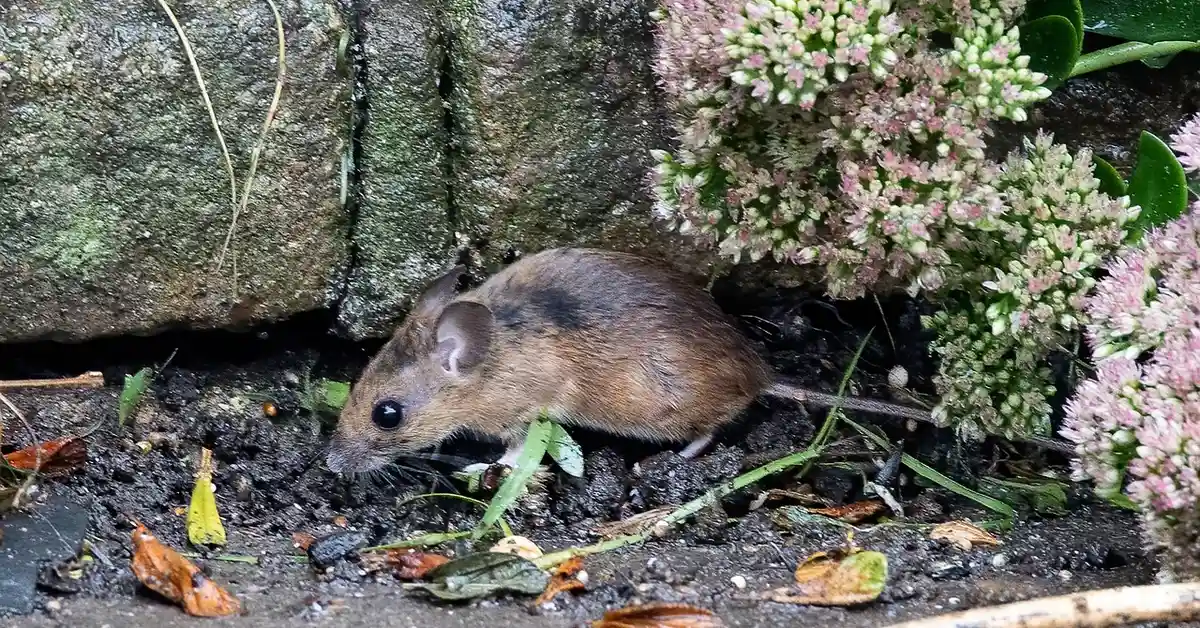
Why You Should Leave an Active Nest Undisturbed
Mother mice possess strong instincts to care for their young, and your presence can cause unnecessary stress or abandonment. Interfering with an active nest often does more harm than good, as the mother is best equipped to provide warmth, nutrition, and protection. Wild mice mothers frequently leave the nest to forage, so an empty nest does not always mean the babies are orphaned. Knowing when baby mice leave the nest can help you decide if intervention is necessary.
Human scent on the babies can confuse or alarm the mother, potentially leading her to reject them. By stepping back and observing from a distance, you give the family the best chance to thrive naturally. I’ve noticed with my own mice, like Kenny, that even domesticated mothers can become anxious with too much handling-wild mothers are even more sensitive.
- Mother mice return regularly to nurse and groom their young.
- Disturbance can trigger stress-induced behaviors, like moving the nest to a less safe location.
- Baby mice rely entirely on their mother for immune system development through her milk.
Managing a Nest in Your Living Space
If you discover a nest in your home, try to cordon off the area to minimize human and pet traffic. Creating a quiet, undisturbed zone allows the mother to feel secure enough to continue caring for her babies until they are weaned. Use gentle barriers like cardboard or furniture to block access without sealing the space completely.
Ensure the area is free from hazards like chemicals, sharp objects, or extreme temperatures. Providing a small, hidden food source nearby, such as seeds or grains, can help the mother stay close without needing to venture far. In my experience, mice like Gregory prefer stable, low-traffic spots, so mimicking that for wild families can prevent unnecessary moves.
- Avoid using loud appliances or strong scents near the nest.
- Monitor the nest discreetly to ensure the mother is returning-look for signs like rearranged bedding or fed babies.
- Once the babies are mobile and independent (around 3-4 weeks old), you can gently encourage them to relocate outdoors.
If You’ve Already Disturbed the Nest
Accidents happen, and if you’ve unintentionally touched or moved the nest, act quickly to restore calm. Gently return any displaced babies to the nest using a soft, clean cloth to avoid transferring your scent directly. Then, retreat to a hidden spot and wait—mother mice often return within an hour if the area is quiet. If she doesn’t return, you may need to raise orphaned mouse pups yourself. That typically means keeping them warm, feeding an appropriate milk replacer, and consulting a wildlife rehabilitator or veterinarian for guidance.
If the nest materials are scattered, reassemble them loosely to mimic the original structure. Placing a small, warm water bottle wrapped in a towel near the nest can provide temporary comfort while you wait for the mother’s return. I recall a time when Jeffery’s curiosity led him into a tight spot; patience and minimal intervention were key to resolving it safely.
- Wash your hands thoroughly before and after handling to reduce scent transfer.
- Keep pets and children away from the area for at least 24 hours.
- If the mother does not return after several hours, the babies may need rescue-proceed to the next steps.
When Baby Mice Need Rescue
Providing Emergency Warmth and Shelter
Orphaned or cold baby mice require immediate warmth to survive, as they cannot regulate their body temperature. Create a makeshift incubator by filling a sock with uncooked rice, microwaving it for short bursts, and placing it under a soft cloth in a small box. Ensure the heat source is not directly touching the babies to prevent burns. Even though you are providing them with warmth, baby mice require proper nursing to thrive.
Line the shelter with unscented paper towels or fleece-avoid cotton or fluffy bedding that could entangle tiny limbs. Maintain a steady temperature around 85-90°F (29-32°C) by checking the setup every few hours and reheating the rice sock as needed. From caring for my mice, I’ve learned that consistency in warmth mimics the mother’s body heat, which is vital for their development.
- Place the babies in a small, ventilated container with a secure lid.
- Position the warm rice sock under half of the container to create a temperature gradient.
- Cover the container with a light cloth to reduce stress and maintain darkness.
What Not to Do When Helping
Avoid feeding baby mice cow’s milk or human infant formula, as these can cause digestive issues and dehydration. Stick to specialized kitten milk replacer or goat’s milk, which are closer to mouse milk’s nutritional profile. Always consult a wildlife rehabilitator before attempting to feed, as improper techniques can lead to aspiration. Pregnant, nursing, very young, and senior mice have special nutritional needs and may require tailored diets or supplements; consult a veterinarian or experienced rehabilitator for specific guidance.
Do not handle the babies excessively or try to socialize them as pets. Wild mice thrive best in their natural habitat and can carry diseases, so limit contact to essential care only. I’ve seen how even well-meaning interactions can stress young mice, making recovery harder. Even if they are harvest mice someone kept as pets, minimal handling is still important during recovery, since they may tolerate people but remain fragile and stress-prone. If you plan to rehome or keep them, consult a wildlife rehabilitator or veterinarian for proper guidance.
- Never use a heating pad without a barrier, as it can overheat or cause fires.
- Avoid giving water directly-hydration should come from properly prepared milk replacer.
- Do not release rescued mice until they are fully weaned, active, and able to forage independently.
Contacting Wildlife Rehabilitators and Animal Control
Finding a nest of wild babies can stir up a lot of emotion, and your first instinct might be to call for professional help. Connecting with a wildlife rehabilitator is often the single best action you can take for the babies’ survival. These trained individuals have the knowledge and resources to give the mice their best chance. They can also advise on whether and how to ethically rehome mouse pups, ensuring the animals’ welfare and compliance with local laws. Avoid trying to raise or rehome wild mice on your own unless directed by a professional.
What Wildlife Professionals Will Ask You
When you call, be ready to provide clear information. This helps them assess the situation quickly and give you precise instructions.
- The exact location of the nest and how you found it (e.g., while gardening, in a shed).
- A description of the babies’ condition. Are they warm or cold to the touch? Do you see any visible injuries?
- Whether you’ve seen the mother mouse recently, and if so, how long ago.
- Your own comfort level. Are you able and willing to safely contain the nest for transport if needed?
- Your full address and contact number so they can locate you or direct you to the nearest drop-off point.
Understanding Local Regulations About Wild Rodents
Laws regarding wild rodents can be surprisingly specific and vary by city, county, or state. Some areas classify native mice as protected species, while others may have different protocols for pest species. Animal control services are typically governed by these local ordinances.
- Call your local animal control department directly and ask about their policy on uninjured wildlife.
- A quick online search for “[Your County] wildlife rehabilitation” will often yield a list of licensed professionals.
- Remember, regulations exist for ecosystem balance and public health. A rehabilitator will navigate these rules for you.
Preventing Future Nests in Your Home
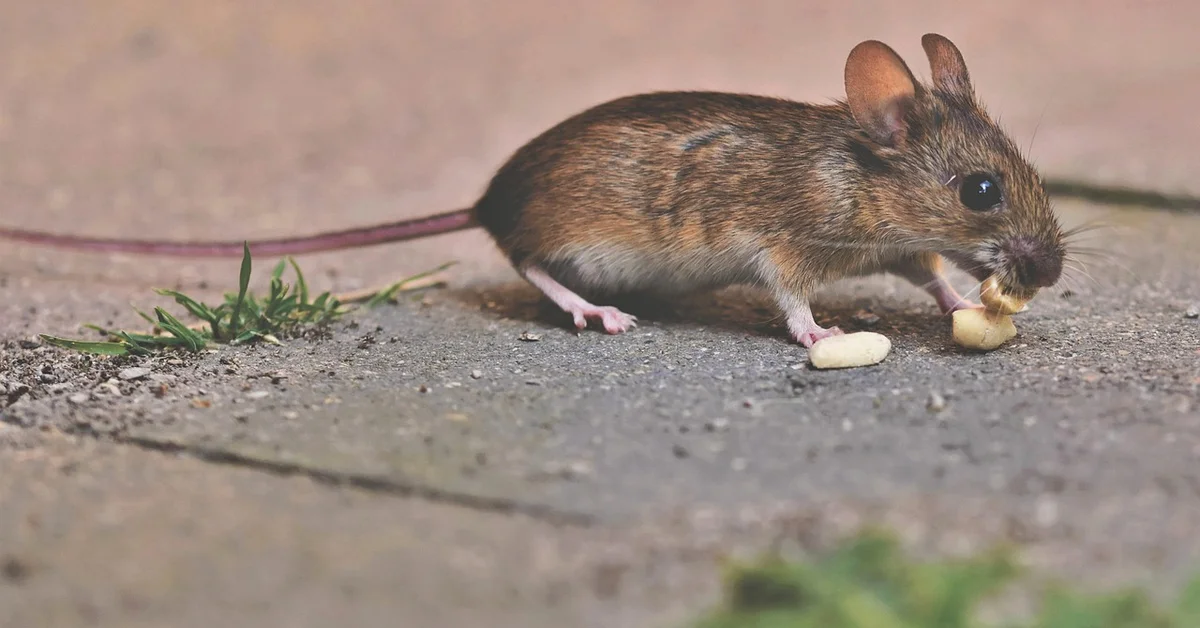
Once the immediate situation is resolved, it’s natural to want to prevent a recurrence. Mice are opportunistic creatures, seeking out the cozy, safe spaces we unintentionally provide. A proactive approach is far more effective and peaceful than a reactive one.
Exclusion Methods That Work
Exclusion is about physically blocking entry points. Mice can squeeze through holes the size of a dime, so be thorough in your inspection, especially around where they tend to hide.
- Seal cracks in foundations and gaps around utility lines with a combination of copper mesh and silicone caulk. Rodents cannot chew through the mesh.
- Install sturdy door sweeps on all exterior doors to eliminate gaps at the bottom.
- Repair any damaged window screens and cover vent openings with fine, rust-proof hardware cloth.
- Check areas like attics, basements, and crawl spaces seasonally for new points of entry.
Making Your Space Less Attractive to Nesting Mice
Think like a mouse: they need food, water, and nesting material. Removing these incentives is a powerful deterrent.
- Store all dry goods, including pet food and bird seed, in thick plastic or glass containers with tight-fitting lids.
- Keep countertops clean and avoid leaving pet food bowls out overnight.
- Manage your outdoor space by keeping grass trimmed and storing firewood piles well away from your home’s exterior walls.
- Reduce clutter in storage areas like garages and sheds. An organized space offers far fewer hiding spots.
My mouse, Jeffery, would build a nest out of any soft material he could find. This instinct is even stronger in wild mice, so denying them access to fluffy insulation, fabric scraps, and readily available food is half the battle. They often build nests inside wall cavities and attics, where insulation and hidden gaps give them shelter and nesting material. Checking and sealing wall gaps can help prevent these hidden nests. A less inviting home is a safer home for everyone.
Frequently Asked Questions
What is a baby mouse nest?
A baby mouse nest is a small, insulated structure built by the mother mouse to provide warmth, protection, and a safe environment for her newborn pups. It is typically constructed from soft, readily available materials like shredded paper, grass, fabric, or plant matter, and is often hidden in dark, undisturbed locations to shield the babies from predators and harsh conditions.
Do baby mice leave the nest?
Yes, baby mice gradually leave the nest as they grow and develop. They start to venture out around 3 to 4 weeks of age, once they are weaned, fully furred, and their eyes are open. At this stage, they begin exploring their surroundings to learn foraging skills and eventually become independent, though the mother may still return periodically until they are self-sufficient.
How can I find a baby mice nest?
You might locate a baby mouse nest by checking common hiding spots in quiet, secluded areas, such as inside drawers, behind appliances, or in cluttered storage spaces like attics and garages. Look for signs of mouse activity, such as droppings, chewed materials, or soft rustling sounds, but avoid disturbing these areas to prevent stressing the family or causing abandonment.
Your Compassionate Path Forward
Finding a nest of wild baby mice puts you at a crossroads where your kindness meets the realities of nature. Your first instinct is to help, and the most powerful help you can offer is often connecting them with a licensed wildlife rehabilitator who has the specific skills and resources they need to thrive.
Remember that your role is that of a compassionate bridge, not a permanent home, and this temporary guardianship is a profound act of care. From my own experience with my curious pets, I know the deep desire to nurture, but wild families have their own path-one we can support with wisdom and a willing heart.
Further Reading & Sources
- How to Save a Baby Wild Mouse: Housing & Feeding Tips
- Mice – West Shore Wildlife Center
- r/PetMice on Reddit: “I found a wild mouse, what should I do?” Instructions!
Isabella is a passionate small pet enthusiast with over 8 years of experience in caring for mice. She loves sharing practical tips and heartfelt stories to help fellow mouse owners provide the best care for their tiny companions.
Humane Removal & Trapping