
Why Do Mice Burrow? The Deep-Rooted Instinct to Dig and Tunnel
Have you ever watched your pet mouse tirelessly rearrange its bedding into intricate passageways and felt a mix of curiosity and confusion? That persistent digging is more than a quirky habit-it’s a powerful, innate behavior tied directly to their survival and well-being.
This guide will walk you through the fascinating reasons behind this tunneling drive and how it shapes your mouse’s daily life. We will cover the evolutionary origins of burrowing, the safety and nesting benefits it provides, and simple ways to support this natural behavior in your own habitat setup.
The Natural Burrowing Instinct in Pet Mice
When you watch your pet mouse meticulously moving bedding with its tiny paws, you are witnessing an ancient ritual. This deep-seated need to burrow is not a quirky habit but a fundamental part of their identity, passed down through countless generations. Even in the safety of your home, the call to dig is as strong as their heartbeat.
How Wild Mouse Ancestors Shaped Modern Burrowing Behavior
To understand your pet mouse, you must first picture its wild cousins. Life in the wild is a constant game of hide-and-seek with predators. A mouse’s primary defense isn’t its speed or strength; it’s its ability to vanish. The difference between life and death often hinged on a well-hidden, expertly constructed burrow. This evolutionary pressure forged the master diggers we now care for. Those same digging and hiding instincts help explain how house mice can survive outside. Even when living near people, they exploit burrows, natural cover, and human structures to find shelter and food.
Their wild ancestors didn’t just dig simple holes. They engineered complex subterranean networks with specific rooms for different purposes. This architectural genius provided a multi-layered safety net against the threats of the outside world. They created nurseries to protect their young, pantries to store food for lean times, and sleeping chambers insulated from the harsh elements.
Your pet mouse carries this entire survival blueprint in its DNA. My mouse, Kenny, is a perfect example of this inherited drive. He doesn’t just push bedding aside; he constructs elaborate, winding tunnels with multiple exits, always ensuring he has a quick escape route. He is acting out a survival play written by his ancestors, even though his only real threat is a delayed treat.
This instinct manifests in several key ways that you’ll recognize in your own pets:
- Safety First: The primary goal of any burrow is to create a hidden, secure space where they can sleep and relax without feeling exposed.
- Temperature Control: Underground, the temperature remains stable. Burrowing allows them to escape both the heat and the cold, creating their own perfect climate.
- Food Security: The instinct to hoard food in secret chambers is powerful. You might find their food bowl empty, only to discover a hidden stash deep within their bedding.
- Rearing Young: Female mice, in particular, have a strong drive to prepare a soft, secure nest for potential offspring, a behavior that persists even when they are not pregnant.
| Wild Mouse Behavior | Pet Mouse Equivalent |
|---|---|
| Digging deep tunnels to avoid foxes and birds of prey | Burrowing to the bottom of a deep bedding layer to feel safe from household noises |
| Creating separate chambers for sleeping and food storage | Having a designated “bedroom” area in one corner of the habitat and a “pantry” in another |
| Using grasses and leaves to insulate the nest | Shredding paper towels or toilet paper to create a soft, warm sleeping area |
Recognizing that this behavior is a healthy, normal expression of their nature is the first step to being a great mouse owner. Providing opportunities for your mice to burrow is not just enrichment; it is a way to honor their very essence. It allows them to engage in the behaviors that make them, fundamentally, mice. Self-grooming is one of those instincts; a safe, enriched space encourages mice to keep their fur and paws clean as part of their routine.
What Your Mouse Achieves Through Digging and Tunneling
Temperature Control and Comfort Through Underground Spaces
Your mouse is a tiny architect of climate control, using the earth itself to maintain a perfect personal temperature. Burrowing deep into bedding allows them to escape the dryness and temperature swings of your room, creating a stable microclimate that feels just right. In the wild, a few inches underground can mean the difference between freezing and survival, and that powerful instinct remains strong in our pet companions. My mouse Gregory, for instance, will often vanish into a deep corner of the habitat on cooler days, instinctively knowing that the still air in his tunnel will hold his body heat beautifully. Making sure to provide enough substrate depth is crucial for them to burrow effectively and feel secure. Finding the right bedding depth is essential for their comfort and health.
This isn’t just about warmth; it’s about comfort and energy conservation. By creating an insulated space, your mouse doesn’t have to expend extra energy shivering or panting. The quiet, dark, and humid environment of a tunnel is the ultimate relaxation chamber for a small prey animal, reducing stress and promoting deep, restorative sleep. You’ll notice they often choose to nap in these excavated spaces rather than in an open hammock or hide, proving just how fundamental this need is.
Building Safe Nesting Areas for Rest and Reproduction
Beyond simple comfort, the drive to burrow is intrinsically linked to creating a secure nursery. A well-constructed burrow system provides a defensible, hidden space where a mouse feels safe enough to raise a family, shielded from perceived threats and prying eyes. The very act of digging and shaping the nesting chamber is a powerful, innate behavior that satisfies a deep psychological need for preparation and security.
Even without the prospect of babies, this nesting instinct is always present. Your mouse is constantly curating their sleeping quarters, gathering soft materials like tissues and paper strips to line their excavated chambers for ultimate plushness. I often find my youngest, Jeffery, meticulously arranging tiny scraps of bedding into a perfect circle inside a tunnel he’s dug, a clear sign he’s building his dream bedroom. This labor of love results in a personalized fortress where they can truly let their guard down and feel at peace. In the wild, nesting behavior helps define territories and protect young, playing a key role in a mouse’s lifecycle. Those same instincts persist in pets, which is why Jeffery’s ritual feels so innate.
The Physical Tools Mice Use for Excavation
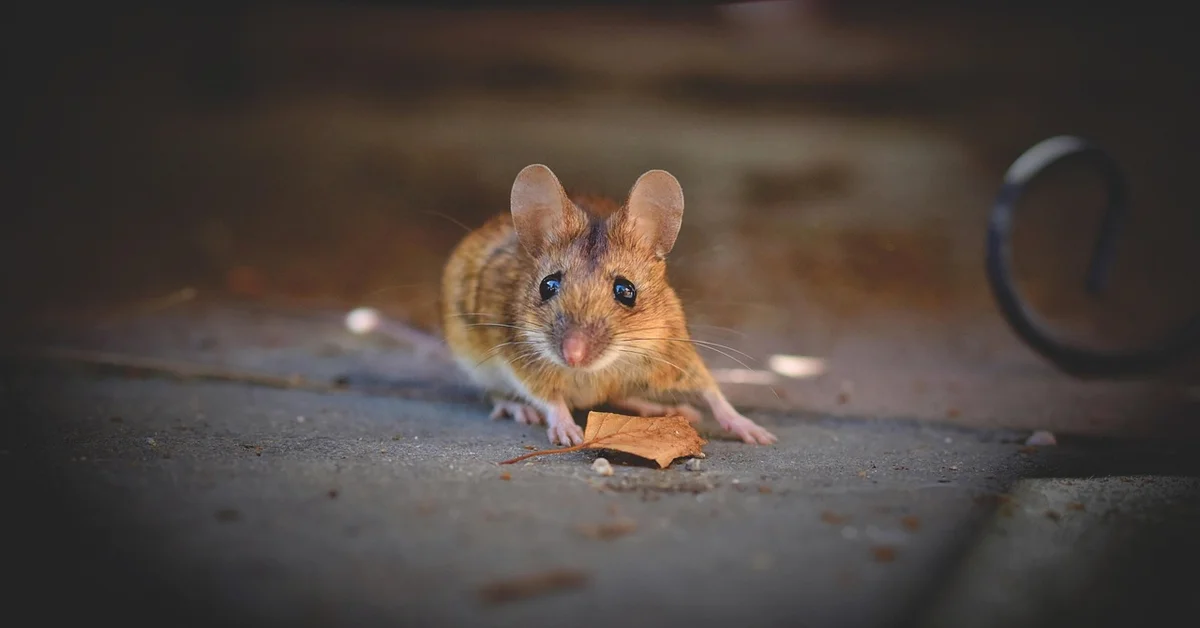
Watching a mouse dig reveals a perfectly evolved excavation machine. Their primary tools are a powerful combination of delicate precision and surprising strength.
- Forepaws and Claws: Their front feet work like tiny, rapid shovels. They alternate paws to scoop and push substrate backward with impressive speed.
- Hind Legs: These provide the main thrust, powerfully kicking the excavated material out of the growing tunnel entrance.
- Incisor Teeth: A mouse’s teeth are not just for chewing; they are used to break up tougher matted bedding or gnaw through small roots in a natural setting, clearing the path forward.
- Whiskers (Vibrissae): These are their on-site surveyors. Whiskers detect air currents and touch, helping them navigate the dark, enclosed space they are creating without needing to see.
This entire process is a full-body workout that keeps their muscles toned and provides essential mental stimulation, turning a simple cage into a dynamic landscape. It’s incredible to see how efficiently they can move a volume of bedding several times their own body weight in just a few minutes.
What Burrowing Looks Like in Your Pet Mouse Habitat
Normal Daily Digging Activities to Expect
You will quickly learn the daily rhythms of your mouse’s excavation projects. This isn’t random chaos; it’s a structured part of their routine.
- The Morning Renovation: Many mice start their day by checking their tunnels, often doing a bit of maintenance digging or reinforcing walls that may have settled overnight.
- Post-Meal Digging: After a satisfying meal, you might see a burst of activity as they “work off” their food by expanding a tunnel or creating a new entrance.
- Pre-Sleep Nesting: The most intense digging often happens right before a long sleep period, as they perfect the shape and comfort of their sleeping chamber.
- Exploratory Tunnels: Sometimes, they will simply dig a new path just to see where it leads, abandoning it halfway if they lose interest-much like my mouse Kenny’s many “projects.”
You’ll hear soft scratching and rustling sounds, and see small mounds of fresh bedding pushed out from under a hide or from a corner. This is all perfectly normal and a wonderful sign of a engaged, active mouse.
Signs Your Mouse is Content With Their Digging Options
A happy mouse with sufficient digging opportunities will display very specific, satisfying behaviors. Recognizing these signs tells you that you are meeting a core environmental need. Refer to the “Tell if Your Mouse is Happy” behavior checklist below to identify these signs during daily observations. Each item is an easy-to-spot indicator that your pet’s needs are being met.
- They have established a clear, maintained tunnel system with one or more entrances.
- You find them sleeping soundly inside their burrows, often with just a nose or tail tip visible.
- They store food caches in different chambers within their tunnel network.
- Their digging appears purposeful and calm, not frantic or repetitive in one spot.
- They use the entire depth of the bedding you’ve provided, not just the surface.
When your mouse is content with their digging landscape, you witness a profound state of natural behavior that directly translates to well-being and reduced stress. Seeing Gregory emerge from a long nap in his tunnel, stretching and yawning, is a sure sign I’ve provided him with a habitat that feels like home.
Creating an Enriching Burrowing Environment for Pet Mice
Best Bedding Materials That Support Tunnel Building
Choosing the right bedding is the single most important factor for a mouse who loves to dig. The ideal material will hold a tunnel shape without collapsing, allowing your mouse to feel secure in their architectural creations. I’ve tested countless options, and my mice have very strong opinions. This mouse bedding substrates guide will walk you through the best tunnel-friendly materials, safety considerations, and maintenance tips. Use it to find a substrate that keeps burrows stable, absorbent, and comfortable for your little digger.
- Aspen Shavings: This is my top choice and what my current trio, Kenny, Gregory, and Jeffery, use. The shavings are stiff enough to interlock and form stable walls, yet soft on their feet. It’s also excellent at controlling odor.
- Paper-Based Beddings: Look for crinkle-cut or shredded paper bedding that isn’t too dusty. It’s super absorbent and provides a different digging texture that many mice enjoy. Avoid flat, slick sheets of paper as they won’t hold a shape.
- Hay or Dried Grass: Timothy or meadow hay can be mixed in with other beddings to add structure. The long strands act like rebar in concrete, reinforcing the tunnels and making them incredibly sturdy.
- Hemp or Flax Substrates: These are becoming more popular and are fantastic for burrowing. They have a granular yet fibrous texture that packs well and is highly absorbent.
I always provide a deep layer, at least 6 inches, to give them a real chance to disappear underground. A shallow layer of bedding is like giving an artist a tiny canvas; it stifles their natural expression and leaves them frustrated.
Adding Tunnel Systems and Digging Boxes
You can supercharge your mouse’s burrowing life by adding pre-made structures and dedicated digging zones. Think of these additions as the foundational support beams for their subterranean city, giving them a head start on their projects.
- Commercial Tunnel Kits: Look for wooden or corn cob tunnel systems that can be buried in the bedding. My mouse Kenny adores these; he’ll spend hours connecting them to his own handmade tunnels, creating a vast network.
- Digging Boxes: A simple, sturdy cardboard box filled with a different substrate works wonders. I use a mix of coconut fiber soil and crinkly paper in a low, wide container. This gives them a designated “construction site” that satisfies their need to move earth without disrupting their main nest.
- Natural Elements: Terracotta plant pots laid on their side, cork bark rounds, and PVC pipes with smooth edges make excellent, durable tunnel starters that feel cool and natural to the touch.
Simple DIY Burrowing Enrichment Ideas
You don’t need a big budget to create a burrower’s paradise. Some of the best enrichment comes from everyday items. Getting creative with household objects not only saves money but also provides novel textures and challenges for your curious mouse.
- The Toilet Roll Fortress: Save your empty toilet paper and paper towel tubes. Bury a cluster of them in the bedding, creating a hidden maze. My shy mouse, Jeffery, feels safest navigating these paper corridors.
- Felt Fleece Forests: Cut strips of untreated felt or fleece and tie them to the top of the cage, letting the ends dangle down into the bedding. Mice love weaving through these “roots” and will often incorporate them into their nest walls.
- The Seed Treasure Hunt: Before adding a fresh layer of bedding, sprinkle their regular food or a few special treats like sunflower seeds at the very bottom. This encourages them to dig for their meals, turning dinner time into a rewarding foraging expedition that mimics wild behavior.
When Digging Signals a Problem
Stress-Related Digging vs Natural Exploration
While digging is a normal behavior, the context and intensity can tell you a lot about your mouse’s emotional state. It’s the difference between a gardener happily tending a plot and someone frantically digging a trench for protection.
Natural exploration digging is calm, methodical, and interspersed with other activities like grooming, eating, or sleeping. You’ll see your mouse carefully shaping tunnels and creating a cozy nest chamber. My older mouse, Gregory, is a master of this relaxed engineering.
Stress-related digging is frantic, repetitive, and often focused in one corner. The mouse seems hyper-focused and may not pause for other needs. This kind of digging is a red flag that your mouse feels insecure, perhaps due to a lack of hiding spots, a cage location with too much foot traffic, or an incompatible cage mate. If you see this, it’s time to audit their environment for stressors.
Health Issues That May Increase Digging Behavior
Sometimes, a sudden change in digging habits can point to a physical discomfort you can’t see. An obsessive focus on one spot, especially if accompanied by scratching, can indicate skin irritation or the presence of mites.
Respiratory issues can also cause strange behavior; a mouse might dig more in a search for a specific spot with better airflow, though this is less common. Pay close attention to any other symptoms like sneezing, porphyrin staining around the eyes and nose, or hair loss. Any persistent, obsessive behavior warrants a close look and potentially a vet visit to rule out underlying discomfort or stress-related issues.
Accommodating the Burrowing Instinct Long-Term
Cage Cleaning Strategies That Preserve Burrow Structures
The biggest heartbreak for a burrowing mouse is having their intricate home completely demolished during cage cleaning. A full tear-down every week is incredibly stressful and can lead to renewed, anxious digging as they try to desperately rebuild. I use a spot-cleaning and partial-clean rotation to avoid this. To make this work, I follow a simple daily/weekly/monthly routine. Quick daily spot-cleans, a gentle weekly refresh, and a full monthly clean keep the cage hygienic without demolishing their burrows.
- Spot Cleaning Daily: Use a small spoon or scoop to remove only visibly soiled bedding and waste from the surface and known toilet corners. Leave the deep, main burrowing area completely untouched.
- Partial Cleans Every 1-2 Weeks: Carefully remove and replace only one-third to one-half of the bedding, focusing on the areas outside their main nest. Try to identify and preserve the core tunnel structures they use most.
- The Full Clean (Monthly or Less): When a full clean is necessary, try to save a handful of the old, clean nesting material from their main bed. Placing this familiar-scented material back into the new bedding helps them re-orient and feel at home much faster, reducing post-clean stress.
Adjusting Burrowing Setup as Your Mouse Ages
Your mouse’s burrowing needs will evolve throughout their life, much like Gregory’s have. An older mouse may still possess the instinct to dig but lack the physical stamina or joint flexibility of their youth.
For a senior mouse, consider using a softer, less dense bedding that requires less effort to move. You can also pre-build more of their tunnel network for them using wider tubes, ensuring they don’t have to squeeze through tight spaces. Providing multiple, easily accessible nest boxes at the surface gives them the security of a burrow without the physical demand of deep digging. The goal is to honor their instincts while supporting their changing body, allowing them to engage in the behaviors they love for their entire life. Adjusting the cage for elderly or disabled mice is an important step in ensuring their comfort and happiness.
Frequently Asked Questions
Why do mice burrow?
Mice burrow as an innate survival instinct rooted in their evolutionary history, allowing them to create secure, hidden spaces for nesting, temperature regulation, and protection from perceived threats. This behavior persists in pet mice as a core part of their well-being, helping them feel safe and comfortable even in a domestic environment.
Do mice burrow underground?
In the wild, mice commonly burrow underground to construct elaborate tunnel systems that serve as homes, food storage areas, and nurseries. Pet mice exhibit similar behaviors by digging into deep bedding layers in their habitats, mimicking this natural underground activity to satisfy their instinctual needs.
Can mice burrow?
Yes, mice are naturally equipped to burrow, using their strong forepaws, claws, and incisor teeth to efficiently excavate and shape tunnels. This ability is essential for their physical and mental health, and providing appropriate bedding in captivity allows them to express this behavior fully.
Your Path Forward with Your Burrowing Mouse
Watching your mouse dig and tunnel is a direct window into their wild soul, a natural and deeply ingrained behavior that provides them with immense comfort and mental stimulation. Providing deep, diggable bedding is one of the single most important things you can do for your pet mouse’s well-being. Gently observing, talking to, or offering treats while they dig turns this behavior into a chance for positive interaction. Those calm, respectful moments help build trust and a deeper bond between you and your mouse.
Embrace this instinct by offering them a habitat where they can safely express this fundamental need. Seeing a complex network of tunnels appear overnight is a sure sign you have a happy, busy, and content little friend. Your understanding and support of this behavior strengthens the unique bond you share with your fascinating pet.
Further Reading & Sources
- Scientists look to burrowing mice to understand genetics of instinct – Genetic Literacy Project
- r/PetMice on Reddit: mouse doesn’t want to burrow… lol
- r/pestcontrol on Reddit: Mice keep burrowing around hole stuffed with steel wool
Isabella is a passionate small pet enthusiast with over 8 years of experience in caring for mice. She loves sharing practical tips and heartfelt stories to help fellow mouse owners provide the best care for their tiny companions.
Understanding Mice Behavior