
Are Wild Mice Dangerous? A Guide to Zoonotic Diseases
Have you ever spotted a wild mouse scurrying in your garden or garage and felt a sudden twinge of worry about the risks? That concern is completely valid, and you’re not alone in wondering about the potential dangers. This guide is here to provide clear, factual information to help you understand the real risks and how to manage them effectively.
We will cover the specific diseases that can be transmitted from wild mice to humans, detailing how transmission occurs and, most importantly, the practical steps you can take to protect yourself and your home. You will learn how to identify the primary risks, the most effective prevention strategies, and the crucial steps for safe cleanup if you encounter signs of an infestation.
Why Wild Mice Pose Real Health Risks to You and Your Pet Mice
Wild mice navigate a world filled with bacteria, viruses, and parasites that our beloved pet mice are simply not equipped to handle. Your domestic mice live in a protected bubble, and introducing anything from the wild can shatter that safety in an instant. I’ve seen how quickly a curious sniff at a new toy from an uncertain source can lead to weeks of worry. The primary danger lies in zoonotic diseases-illnesses that can jump from animals to humans-and then potentially to your pets. Wild rodents are natural reservoirs for these pathogens, often showing no signs of illness themselves while being highly contagious.
Think of it like this: your home is a clean, controlled environment. A wild mouse’s territory is the exact opposite. When a wild mouse enters your space, it doesn’t come alone; it brings every pathogen it has encountered directly to your doorstep. This isn’t just about direct contact. Their droppings, urine, and even the dust from their nests can become airborne threats. For your pet mice, whose immune systems are naive to these wild germs, the consequences can be severe. I am always extra vigilant about where I source bedding and food, knowing that cross-contamination is a silent but real danger.
Common Zoonotic Diseases Carried by Wild Mice
Hantavirus: The Most Dangerous Rodent-Borne Threat
Hantavirus is often the most feared disease associated with wild mice, and for good reason. This virus is primarily transmitted to people when they inhale dust contaminated with the urine, droppings, or saliva of infected rodents. It does not typically spread from person to person. For your pet mice, the threat is environmental; if a wild mouse contaminates an area, and your pet mouse or its supplies are exposed, the risk of transmission exists. That said, many fears about pet mice carrying hantavirus are exaggerated—healthy, well-cared-for pet mice from reputable sources are unlikely to be infected. Below we debunk common myths and explain practical steps to reduce any risk.
- Primary Transmission: Inhalation of aerosolized particles from dried wild mouse waste.
- Human Symptoms: Can begin as flu-like (fever, muscle aches) and progress to severe respiratory distress.
- Key Precaution: Never sweep or vacuum droppings. Instead, wear gloves, thoroughly wet the area with a disinfectant, and wipe it up.
Lymphocytic Choriomeningitis (LCMV): The Pet Owner’s Concern
LCMV hits close to home for any pet mouse owner. This virus can be passed from an infected wild mouse to a pet mouse, which can then shed the virus in its urine and droppings, posing a risk to you. I am always mindful of this when introducing any new item or, in rare cases, a new mouse to my group. An infected pet mouse might show little to no symptoms, making it a hidden carrier.
- Primary Transmission: Contact with urine, droppings, or bedding from an infected rodent.
- Human Symptoms: Can range from none to a two-stage illness with fever followed by neurological symptoms like meningitis.
- Key Precaution: Always wash your hands thoroughly after handling your mice or cleaning their habitat, a simple habit that offers powerful protection.
Leptospirosis: Water and Urine-Borne Infection
Leptospirosis is a bacterial disease that thrives in water. Wild mice carrying the bacteria shed it in their urine, which can then contaminate water sources, soil, or even the surfaces of your home. The bacteria can enter your body through cuts in the skin or through mucous membranes like your eyes. For our pet mice, the risk comes from contaminated water bottles or food if a wild mouse has accessed them.
- Primary Transmission: Contact with water, soil, or food contaminated with the urine of infected animals.
- Human Symptoms: High fever, severe headache, chills, muscle aches, and vomiting. It can sometimes lead to liver or kidney damage.
- Key Precaution: Ensure your pet’s water is always fresh and their food is stored in sealed, chew-proof containers.
Salmonella: Common but Manageable
Many people associate Salmonella with reptiles or undercooked chicken, but wild mice are also common carriers. While less dramatic than some other diseases, Salmonella is a persistent bacterial threat that causes classic food poisoning symptoms. You can contract it by touching a surface contaminated with wild mouse droppings and then touching your mouth. My rule is to never eat or drink while handling my mice or their cage supplies until I’ve washed my hands.
- Primary Transmission: Fecal-oral route, typically from contaminated hands to mouth.
- Human Symptoms: Diarrhea, fever, and stomach cramps that usually appear 6 hours to 6 days after exposure.
- Key Precaution: Consistent and proper handwashing is your single best defense against this and many other illnesses.
Other Rodent-Borne Diseases to Know
Awareness is your best tool for prevention. While the diseases above are the most prominent, wild mice can carry other pathogens.
- Rat-Bite Fever: Despite its name, it can be transmitted by mice through bites or scratches, or even just handling an infected animal.
- Plague: Extremely rare and associated more with wild rodents in specific rural areas, but it’s a part of the historical picture of rodent-borne illness.
- Tularemia: Can be transmitted through handling infected sick or dead animals, or from tick and deer fly bites.
- Parasites: Wild mice often carry mites, fleas, and ticks, which can themselves be vectors for other diseases like Lyme disease.
Creating a secure barrier between your pet’s world and the outside world is the most compassionate and effective care you can provide. This means sealing up holes in your home, storing food securely, and being mindful of everything that enters your mouse’s habitat. My mice, Kenny, Gregory, and Jeffery, have such distinct personalities and vulnerabilities; protecting their health allows those wonderful traits to shine through every single day. These safeguards are one of the main pros of keeping pet mice — they help them thrive and show off their personalities. The con is that they require ongoing vigilance and effort to maintain a secure, clean, hazard-free home.
How Disease Transmission Actually Happens
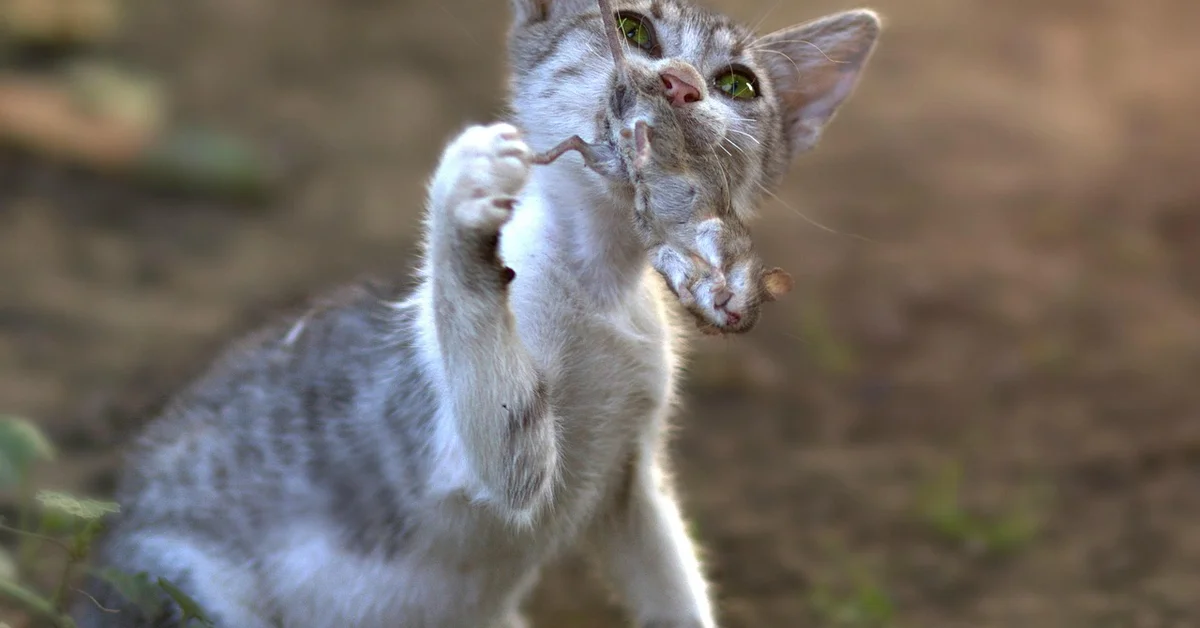
Many mouse owners worry about the invisible bridge that connects their beloved pets to their wild cousins. Disease transmission isn’t a simple handshake; it’s a chain of events that requires specific conditions to succeed. Understanding this chain is your first line of defense. The primary routes are direct contact, indirect contact, and vector-borne transmission.
Direct contact is the most straightforward path. This occurs when your pet mouse physically interacts with a wild mouse or its fresh bodily fluids. A single curious sniff or a territorial scuffle through cage bars can be enough to pass on pathogens. My own mouse, Kenny, is so adventurous that I must remain vigilant against such encounters.
Indirect contact is a far more common and insidious threat. Here, you become the unwitting courier. You can carry disease particles on your hands, clothing, or shoes after being in a shed, garage, or even just your yard. These particles can then be transferred directly to your pet’s habitat, food, or water during your normal care routine.
Vector-borne transmission involves a third party, like a parasite. Fleas, ticks, and mites can move from a wild host to your pet mouse. These tiny hitchhikers are not just a nuisance; they can be mobile vessels for serious illnesses. A single mite hopping from a new bag of bedding can introduce a world of trouble.
Protecting Your Pet Mice From Wild Mouse Diseases
Shielding your pets is a proactive, multi-layered process. Your daily habits form the most effective barrier between your indoor companions and outdoor dangers. Establishing a strict hygiene protocol is non-negotiable for any responsible mouse owner. This goes beyond simple cleanliness.
- Wash Your Hands Thoroughly: Use soap and water both before and after you handle your mice or clean their cage. This simple act breaks the most common transmission chain.
- Implement a “No Outdoor Shoes” Policy: Designate a pair of indoor-only shoes or slippers for when you are near your mouse’s enclosure. Pathogens from outside soil can live on shoe soles for surprisingly long periods.
- Quarantine and Inspect New Items: Any new toys, hides, or bags of bedding should be stored in a sealed plastic container for a few days before introduction. Inspect them carefully for signs of pests or contamination.
- Choose Bedding and Food Wisely: Opt for paper-based or aspen beddings from reputable brands that use sealed packaging. Store all food in airtight, rodent-proof containers to prevent accidental access by wild visitors.
- Monitor Your Mice’s Health Daily: Know your mice’s normal behavior. A sudden change in appetite, energy levels, or breathing can be an early warning sign. My cautious mouse, Gregory, once seemed quieter than usual, prompting a vet visit that caught a minor issue early.
Keeping Wild Mice Out: Rodent Control and Exclusion
The ultimate goal is to prevent wild mice from ever considering your home an attractive destination. Effective rodent control is less about eradication and more about making your space fundamentally uninviting. Wild mice are driven by three basic needs: food, water, and shelter. Deny them these, and they will look elsewhere. Learn more about what to expect from pest control for mice.
Start with a meticulous inspection of your home’s exterior. Look for any gaps or cracks larger than a pencil width. Seal these entry points with a combination of steel wool and caulk or foam sealant; mice cannot chew through steel wool. Pay special attention to areas where pipes and utilities enter your home.
Inside your home, maintain a clean and clutter-free environment, especially in storage areas like basements and closets. Reduce clutter in storage areas to eliminate the cozy, hidden nesting spots that wild mice desperately seek. Keep all human and pet food in sealed glass or hard plastic containers. Promptly fix any leaky faucets to remove easy water sources.
Smart Placement of Your Pet Mouse Setup
Where you place your mouse’s cage is a critical strategic decision. Location can either create a fortress for your pets or a beacon for trouble. Elevating your mouse’s cage is a simple yet profoundly effective defensive tactic. A height of at least three to four feet off the ground creates a significant barrier.
- Avoid Ground Floor Rooms: If possible, keep your mice in a room on an upper level of your home. Ground-level rooms, especially those with direct access to a garage or basement, are at higher risk.
- Steer Clear of External Walls: Position the cage against an interior wall. External walls often harbor the tiny, hidden entry points that wild mice use.
- Choose a Low-Traffic, Calm Area: A quiet room reduces stress for your pets and minimizes the chance of doors being left ajar or windows being opened frequently, which are potential entryways.
- Ensure the Area is Easy to Clean: Place the cage on a hard, wipeable surface, not on carpet. This allows for quick and thorough cleaning of any spilled food or bedding that might attract attention from the outside.
Cleaning Protocols When Wild Mice Have Been Present
Finding evidence of a wild mouse visitor can be unsettling, but a systematic and thorough cleaning approach will restore your peace of mind. The golden rule is to never sweep or vacuum droppings and nests initially, as this can stir harmful particles into the air you breathe. Your first task is always ventilation; open windows and doors to create a strong cross-breeze for at least 30 minutes before you begin.
- Prepare Your Protective Gear: Wear disposable rubber or vinyl gloves. For areas with heavy infestation signs, a simple N95 mask is a wise precaution against inhaling dust.
- Apply a Disinfecting Spray: Create a solution of one part bleach to ten parts water. Alternatively, a commercial disinfectant rated for viruses and bacteria works well. Spray this generously over all droppings, urine trails, and nesting materials until they are thoroughly soaked.
- Let it Soak: Allow the disinfectant to sit for at least 5-10 minutes. This waiting period is critical, as it kills pathogens on contact and weighs down debris, preventing it from becoming airborne.
- Wipe and Collect: Using paper towels, carefully wipe up the disinfected waste. Place all used towels, gloves, and debris into a sealed plastic bag before disposing of it in an outdoor trash bin.
- Deep Clean the Area: Mop hard floors and shampoo carpets with a disinfecting cleaner. Wipe down all cabinets, baseboards, and shelves where the mouse may have traveled.
I keep a dedicated cleaning caddy for such scenarios, which makes the process feel less daunting and more like a routine task. Pay special attention to pantries and food storage areas, checking for gnawed packaging and wiping down all cans and boxes. This methodical process not only eliminates health risks but also removes the scent trails that can attract more wild mice in the future. Opt for unscented non-toxic cleaners—simple soap, diluted white vinegar, or enzyme-based products—to remove odors and residues without leaving behind scents or food traces that might draw rodents. Avoid sweet or oily cleaners that could unintentionally attract them.
Recognizing Disease Symptoms in Yourself and Your Mice

Vigilance is your best defense when it comes to zoonotic diseases, which are illnesses that can transfer from animals to humans. The symptoms can sometimes be vague and flu-like, so noting the context of potential exposure is key. A sudden fever, intense muscle aches, and overwhelming fatigue following contact with a wild mouse or its contaminated environment should never be ignored. If you keep a pet mouse, similar risks can occur after handling the animal, its bedding, or cage. See the “I get sick from pet mouse” guide for common mouse-borne zoonoses and steps to take if you develop symptoms.
When to Contact a Doctor
You should seek medical advice promptly if you experience any of the following symptoms, especially if you know you’ve had recent exposure to wild mouse droppings or their nests:
- A high fever accompanied by severe chills and body aches that feel different from a typical cold.
- Unexplained headaches, dizziness, or confusion that disrupts your daily thinking.
- Digestive distress like nausea, vomiting, diarrhea, or abdominal pain with no other clear cause.
- The appearance of a rash or a persistent, dry cough that makes it hard to breathe comfortably.
When you call your doctor, be upfront about your potential contact with wild rodents. This specific information helps them consider a much narrower and rarer set of possible illnesses, leading to a faster and more accurate diagnosis. It is far better to have a check-up and be reassured than to dismiss something that could be serious.
When to Contact a Veterinarian
Our pet mice are just as susceptible to germs from their wild cousins. While they might not show illness in the same way we do, their behavior provides clear signals. My mouse, Jeffery, once became unusually withdrawn and puffy-looking, which was my cue to act. Any drastic shift in your mouse’s normal behavior or physical condition is the most reliable sign that something is wrong.
- Lethargy and Hiding: A mouse that stops exploring, playing, or interacting and instead spends all its time hunched in a corner.
- Respiratory Distress: Listen for wheezing, clicking sounds (often called “the chuffs”), or visible difficulty breathing. You may also see red discharge around the eyes and nose, known as porphyrin.
- Changes in Eating and Drinking: A sudden lack of interest in food or water, or difficulty chewing and swallowing.
- Poor Coat Condition: A coat that becomes ruffled, greasy, or unkempt is a classic sign of a mouse that does not feel well enough to groom itself.
Do not wait to see if these symptoms improve on their own. Exotic veterinarians are specialists who understand the delicate physiology of small animals and can provide targeted treatments that general vets might not. If you don’t already have a specialist, find an exotic vet who treats mice. Search online directories, read reviews, or ask local shelters and breeders for recommendations. Isolate the sick mouse from its cage mates if possible, keep it warm, and seek professional help immediately to give your tiny friend the best chance at recovery.
Frequently Asked Questions
What diseases do wild mice carry in the UK?
Wild mice in the UK can transmit several zoonotic diseases, with Leptospirosis and Salmonella being among the most common risks due to contamination from urine and droppings. Lymphocytic Choriomeningitis (LCMV) is also a concern, as it can spread to pet mice and humans. Notably, Hantavirus is very rare in the UK, so focus on preventing exposure to other pathogens through proper hygiene and rodent-proofing your home.
What diseases do field mice carry?
Field mice, such as wood mice, can carry many of the same diseases as other wild mice, including Hantavirus (in regions where it is present), Leptospirosis, and Salmonella. They often harbor external parasites like fleas and mites, which can introduce additional health risks to households and pets. Always assume field mice are potential carriers and avoid direct contact to minimize transmission.
What diseases do wild rats carry?
Wild rats are significant carriers of zoonotic diseases, including Leptospirosis, Rat-Bite Fever, and Salmonella, which can be transmitted through bites, droppings, or contaminated environments. In some regions, they may also spread diseases like Plague or Hantavirus, though these are less common. Effective rodent control and sanitation are key to reducing these risks around your home and pets.
Your Path Forward
Wild mice can carry diseases, but with awareness and simple precautions, you can greatly reduce any health risks. Focus on good hygiene, like washing hands after any potential contact, and keep your home clean to discourage unwelcome visitors. If you notice droppings, gnaw marks, or nesting materials, act quickly to prevent an infestation. Contact pest control for mice or set traps and seal entry points to protect your home.
Remember, your own pet mice, when cared for properly, are a safe and joyful part of your life. If children will handle the mice, always supervise and teach them to be gentle — scoop rather than grab, support the mouse, and never squeeze. Remind kids to wash their hands before and after handling to protect both them and the pet. Continue learning and applying these safe practices to enjoy a wonderful, worry-free relationship with your small companions.
Further Reading & Sources
- Zoonoses Associated with Wild Rodents | Office of Environmental Health and Safety
- Zoonoses Associated with Rodents – Wild | Institutional Animal Care and Use Committee | Washington State University
- Rodents, rabbits, and pocket pets – King County, Washington
Isabella is a passionate small pet enthusiast with over 8 years of experience in caring for mice. She loves sharing practical tips and heartfelt stories to help fellow mouse owners provide the best care for their tiny companions.
Common Diseases