
When to Help: Signs Your Mouse Needs Grooming Assistance
Have you ever noticed your mouse’s coat looking dull or patchy and felt a twinge of worry about whether it’s time to step in? As someone who has nurtured many mice through their grooming needs, I created this guide to give you the confidence to spot when your little friend requires a gentle assist, ensuring they stay healthy and happy.
We’ll walk through the visual and behavioral cues that signal grooming trouble, how to approach assistance without causing stress, and the tools and methods that work best for different situations so you can provide care with ease.
Understanding Normal Mouse Grooming Behavior
Observing a healthy mouse groom is like watching a tiny, dedicated self-care specialist. They meticulously clean their face with both front paws, run their paws over their head and ears, and then lick their sides and hindquarters. A well-groomed mouse will spend a significant portion of its waking hours on this fastidious routine, resulting in a sleek, smooth coat and clean paws. My mouse Gregory, for instance, has a calm, methodical grooming session after every meal, a predictable rhythm that signals his well-being.
Physical Signs Your Mouse Needs Grooming Help
Even the most fastidious groomer can sometimes need a helping hand. Aging, illness, or simple physical limitations can make self-care a challenge. Recognizing the subtle shifts in your mouse’s appearance is the first step to providing compassionate support. These changes are your mouse’s way of communicating that their usual routine isn’t quite enough anymore. A simple daily mouse care checklist can help you spot concerns early. Here are 5 practical tips to keep your mouse comfortable and healthy.
Coat and Fur Problems
A mouse’s fur is a primary indicator of its health and grooming efficacy. Look for these specific changes that go beyond a simple bad hair day.
- Greasy or Clumped Fur: Healthy fur lies flat. If you see patches that look wet, sticky, or are matted together, it’s a clear sign your mouse cannot properly distribute its natural oils.
- Rough or Staring Coat: Instead of being smooth, the fur stands slightly away from the body, giving a spiky, unkempt appearance. This often feels coarse to the touch.
- Staining: Yellow or brown discoloration around the chin, neck, or genitals indicates a buildup of dirt, food, or urine that hasn’t been cleaned off.
- Over-grooming or Barbering: Look for patches of very short, even fur or complete hair loss, often caused by stress or boredom. My anxious mouse Jeffery once gave himself a tiny bald spot on his flank during a particularly stressful week.
Nail and Paw Issues
Nails and paws are often overlooked but are vital for your mouse’s mobility and comfort. Proper surfaces in their habitat usually keep nails trim, but sometimes intervention is needed.
- Excessively Long or Curled Nails: Nails that click loudly on solid surfaces, curl back towards the paw, or get caught on bedding are too long. This can make walking uncomfortable and lead to injury.
- Dirty or Crusty Paws: Check the bottoms of their feet. Built-up grime can hide small cuts or lead to infections. Healthy paws should look clean and pink.
- Redness or Swelling: Any inflammation around the nails or footpads, a condition sometimes called pododermatitis, requires immediate attention as it is painful and can become serious.
Skin Conditions to Monitor
The skin beneath the fur tells its own story. Part the fur gently in different areas during handling to check for these concerns.
- Flaky or Scaly Patches: A little dandruff can be normal, but large flakes or crusty, scaly skin can point to mites, fungal issues, or dietary deficiencies.
- Redness, Sores, or Scabs: These are never normal. They can be the result of scratching from parasites, minor injuries from cage mates, or the start of a skin infection.
- Lumps or Bumps: While sometimes just a scratch, any persistent lump should be checked. Feel for anything unusual beneath the skin’s surface during gentle petting.
- Persistent Itchiness: If your mouse is constantly scratching, biting, or rubbing itself against objects, it’s a major sign of skin discomfort. A comfortable mouse should not be an itchy mouse.
Behavioral Signs of Grooming Problems
Changes in Grooming Frequency
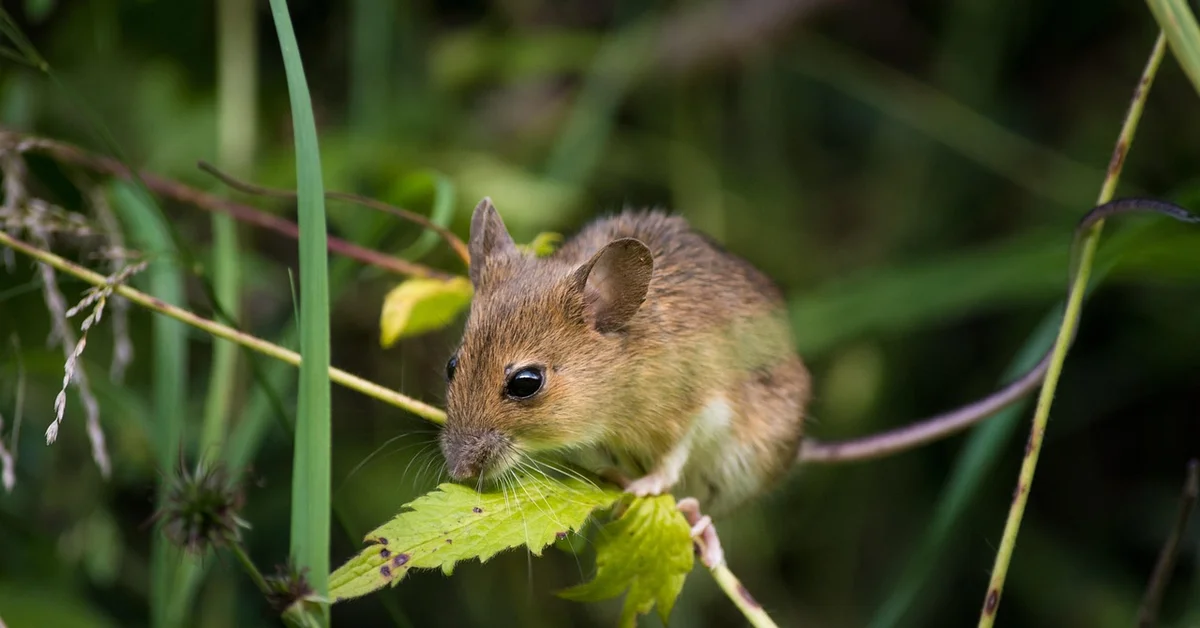
Mice are fastidious creatures, and a shift in their cleaning schedule is one of the first clues something is amiss. You might notice your mouse spending an excessive amount of time licking and nibbling at one particular spot, a behavior known as barbering. Over-grooming often points to underlying stress, boredom, or skin irritation that needs your attention. Barbering — chewing or plucking fur from themselves or cage-mates — can result from stress, dominance behavior, nutritional shortfalls, or parasites. Identifying the cause will help you choose the right treatment. Conversely, a mouse that stops grooming altogether is sending a major distress signal. A once-pristine coat becoming dull, greasy, or matted means your pet is likely feeling too unwell or too pained to perform this basic self-care.
- Constant, frantic licking at a single area (over-grooming)
- Visible bald patches or shortened fur from excessive nibbling
- Suddenly ignoring their coat, leading to a messy appearance
- Food or bedding stuck in fur that they make no effort to clean
- A noticeable lack of the typical “post-wakeup” grooming session
Distress Signals During Grooming
Pay close attention to *how* your mouse grooms itself. A healthy grooming session looks relaxed and methodical. If you see your pet flinching, suddenly stopping to scratch violently, or squeaking in pain while cleaning, it is clearly communicating discomfort. Any vocalization or abrupt movement during grooming is a red flag that pain is present, often from parasites, a skin infection, or an unseen injury. My mouse Jeffery, for instance, once let out a tiny squeak while grooming his side, which alerted me to a minor abscess that needed veterinary care. Watch for these subtle but critical interruptions in their routine, as they are among the clearest ways to tell if your mouse is in pain. If you notice them, seek veterinary advice promptly.
- Flinching or jumping away from their own paw during a grooming stroke
- Audible squeaks or chirps of pain
- Aggressive, frantic scratching at the skin instead of gentle fur-smoothing
- Abandoning grooming halfway through as if it’s too taxing
Health Red Flags That Appear During Grooming Checks
Your mouse’s grooming time is your perfect opportunity to play detective. While they are contorted and focused, you can spot issues that are easy to miss when they’re darting around their cage. Regular visual checks during their bath time are your best defense against small problems becoming big health crises. Look beyond the fur to the skin itself, and don’t forget the harder-to-reach areas like the base of the tail and under the chin. Keep a brief list or photos of any unusual findings to bring to your mouse’s first vet visit. The vet will likely examine those same areas and ask about grooming and behavior.
- Skin & Coat: Redness, scabs, flaky skin, or any signs of inflammation. A healthy coat lies flat and has a uniform texture.
- Parasites: Look for tiny moving specks (lice or mites) or black pepper-like debris (flea dirt) close to the skin.
- Lumps & Bumps: Any unusual swelling, which could be anything from a benign cyst to a tumor requiring a vet’s diagnosis.
- Eyes, Nose, & Ears: Discharge from the eyes or nose, or a crusty build-up around the ears, can indicate a respiratory or other infection.
- Weight Loss: If your mouse suddenly feels bony or light when you gently handle it, it’s a serious concern that often coincides with a poor coat.
When to Groom Your Mouse at Home
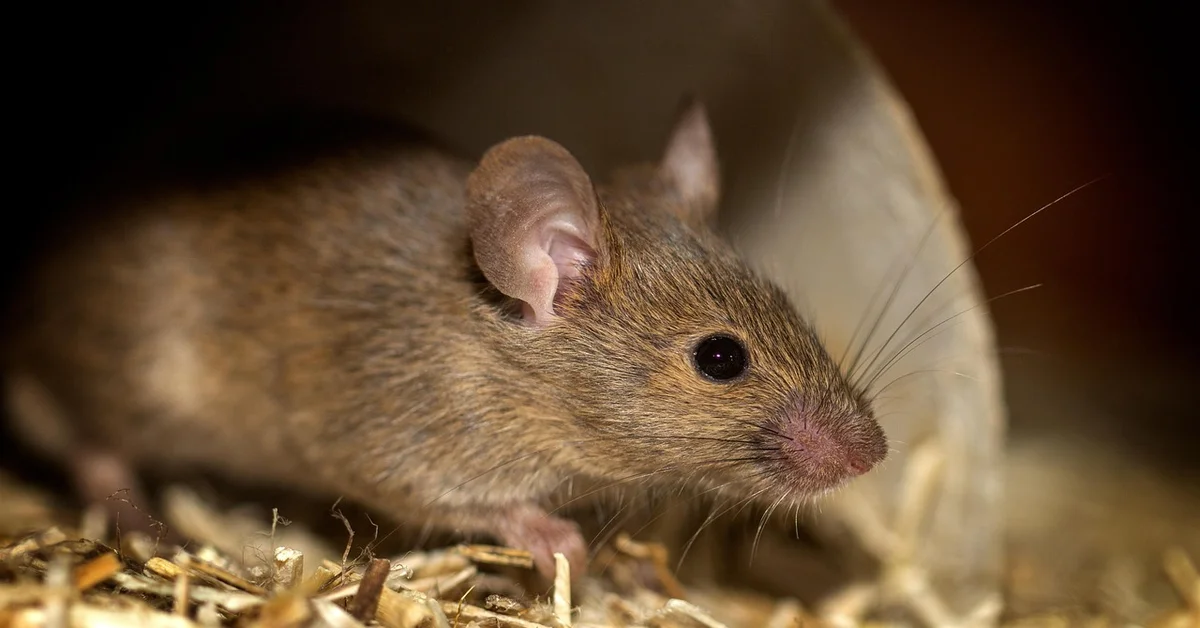
For the most part, your mouse is a self-sufficient expert in personal hygiene. They spend much of the day self-grooming, using their paws and teeth to remove dirt and keep their coat clean. There are only a few specific situations where your direct help is needed. Intervene with grooming only when your mouse is clearly unable to manage the task itself, such as with seniors, the ill, or when a substance is stuck in their fur. My older mouse, Gregory, sometimes needs a little help with a soft brush on his back where his arthritis makes it difficult to twist. The goal is always to assist, not to take over their natural behaviors.
- Your mouse is elderly or has a physical condition limiting its mobility.
- They have a mild illness and their energy for grooming is low.
- A sticky, non-toxic substance like a bit of fruit or sap is tangled in their fur.
- Their long fur is prone to matting and requires gentle detangling.
Safe Home Grooming Techniques
If you must groom your mouse, the key is to be swift, gentle, and reassuring. Always perform this in a secure, enclosed space to prevent a frightened jump and potential injury. Using tools meant for small animals or even a soft-bristled toothbrush is far safer than improvising with human grooming supplies. Keep sessions incredibly short—just a minute or two—and pair the experience with a high-value treat to build positive associations. These gentle, brief sessions are essential when preparing a mouse for shows or for general taming and grooming. Regular, calm handling builds the trust needed for successful show grooming.
- Prepare a small, clean towel on a stable surface in a bathroom or other escape-proof room.
- Use a soft-bristled toothbrush or a dedicated small pet brush.
- Gently restrain your mouse with one hand, offering a dab of yogurt or a favorite paste from your finger.
- With your other hand, brush in the direction of the fur growth using very light strokes.
- For stuck substances, use a damp cotton swab to gently work it loose instead of pulling.
- End the session immediately if your mouse shows any sign of stress.
What to Avoid When Grooming Mice
Good intentions can sometimes lead to harm if you use the wrong methods. The most common mistakes stem from applying cat or dog grooming logic to a much more delicate creature. Never use water or soap for a full-body bath, as this strips their fur of essential oils and can lead to fatal chilling. Avoid scissors at all costs near their skin; a sudden move can cause a terrible injury. Your patience and a soft tool are all you need.
- Do not give your mouse a water bath unless specifically directed by a vet for a medical reason.
- Avoid human shampoos, soaps, or wipes, which can be toxic or irritate their sensitive skin.
- Never use scissors to cut out mats or tangles.
- Do not blow dry your mouse; the heat and noise are terrifying and dangerous.
- Avoid over-handling or prolonged grooming sessions that cause significant stress.
When to Seek Veterinary Care
While many grooming issues can be managed at home, some signs are a clear signal to pick up the phone and call your veterinarian. Your mouse’s grooming habits are a vital window into their overall health, and sudden changes often indicate an underlying problem that needs professional diagnosis.
You should schedule a vet appointment immediately if you notice any of the following:
- Persistent, wet-looking fur around the face, neck, or chest, especially if it has a foul odor. This is often a sign of an advanced respiratory infection, and mice can deteriorate quickly.
- Visible patches of hair loss accompanied by red, flaky, or scabbed skin. This could point to parasites like mites or a fungal infection, both of which require prescription medication.
- A sudden, drastic decline in all grooming, leaving the entire coat greasy, unkempt, and spiky. This is a major red flag for severe pain or systemic illness.
- Overgrown teeth that prevent your mouse from eating properly. Rodent teeth constantly grow, and misalignment can be a serious, life-threatening issue.
- Any swelling, abscesses, or open wounds on the body. These can become infected rapidly and need professional cleaning and antibiotics.
From my own experience, my mouse Gregory once developed a small patch of rough fur on his back that I initially thought was just a tangle. When I looked closer, I saw tiny red spots and realized it was beyond my ability to fix; the vet confirmed it was mites. Trust your instincts-if something feels wrong, it’s always better to seek expert advice.
Preventing Grooming Problems in Your Mice
The best approach to grooming is a proactive one. By creating an environment that supports your mouse’s natural instincts, you can prevent most issues before they even start. A healthy mouse in a stimulating habitat will typically maintain a flawless coat all on its own. Mice naturally perform self-cleaning grooming behaviors—licking, nibbling, and using their paws—to remove dirt and distribute natural oils. Observing these routines can help you spot any changes that might indicate a problem.
Diet and Nutrition for a Healthy Coat
What your mouse eats directly impacts the quality of their fur and skin. A poor diet leads to a dull, brittle coat.
- Provide a high-quality commercial lab block as their main food source. This ensures they get all the necessary vitamins and minerals.
- Supplement with small amounts of fresh vegetables and the occasional protein source like a bit of scrambled egg or mealworm.
- Always ensure fresh, clean water is available. Dehydration can quickly affect skin elasticity and coat health.
Creating a Grooming-Friendly Habitat
Your mouse’s enclosure should offer opportunities for them to engage in natural grooming behaviors.
- Offer a shallow dish of chinchilla sand or dust. Mice will roll in it to absorb excess oils and keep their fur clean and fluffy.
- Include various textures and surfaces. Rough rocks, untreated wood, and seagrass mats help them naturally file down their nails as they move about.
- Ensure the habitat is clean. A soiled environment can mat fur and lead to skin infections. Spot-clean daily and do a full clean weekly.
The Power of Observation
Your most powerful tool is simply watching your mice. Make a habit of observing each of your mice for a few minutes every day to learn their individual grooming routines and spot deviations early.
- Take note of who grooms when and for how long. My mouse Jeffery, for instance, always has a quick preen after he eats.
- Gently handle your mice regularly. This allows you to feel for any lumps, bumps, or patches of sticky fur you might miss with a visual check alone.
- Weigh them weekly. Sudden weight loss is often the first sign of a health problem that will later manifest in a poor coat.
Frequently Asked Questions
What are the most frequently mentioned mouse grooming signs in online communities like Reddit?
On platforms like Reddit, mouse owners often highlight behavioral cues such as excessive scratching or barbering (where a mouse over-grooms itself or cage mates, leading to bald patches). Many users share experiences about noticing greasy, matted fur or a “staring” coat that stands away from the body, which can indicate an inability to self-groom due to age or illness. These discussions frequently stress the importance of early intervention to prevent minor issues from escalating into skin infections or stress-related problems.
How can I identify grooming issues in a pet mouse within a home environment?
In a home setting, watch for subtle changes like food or bedding stuck in your mouse’s fur that they don’t clean off, or a decline in their usual grooming routine after waking or eating. You might also notice them avoiding certain areas of their habitat that require climbing or digging, which could signal paw or nail discomfort. Regular, gentle handling during playtime can help you feel for irregularities like lumps or sticky patches that visual checks might miss, ensuring you catch issues early in a controlled indoor space.
Where can I find reliable online resources to learn about mouse grooming signs?
Start by consulting reputable sources such as veterinary websites, dedicated pet care forums, and established mouse enthusiast groups that share evidence-based advice. Look for platforms where experienced owners or professionals discuss grooming, and always cross-reference any information with trusted sites to avoid misinformation. Avoid relying solely on anecdotal posts; instead, seek out resources that cite health guidelines or partner with veterinarians to ensure accuracy in identifying grooming-related health issues.
Your Path Forward
Recognizing when your mouse needs a helping hand with grooming transforms you from a simple observer into an active, caring partner in their wellbeing. Your consistent, gentle observation is the single most powerful tool you have for keeping your small companion healthy and comfortable. Turn those observations into a simple “Tell if Your Mouse Is Happy” behavior checklist. Tracking grooming, activity, appetite and social cues will help you quickly spot when your mouse is thriving or may need extra care.
Trust the bond you are building; your patience and attentiveness allow you to spot subtle changes in their coat or behavior long before a small issue becomes a big concern. Your calm, confident assistance during these moments not only addresses their physical needs but also deepens the unique trust between you.
Further Reading & Sources
- Grooming | Mouse Behavior Ethogram | Stanford Medicine
- How to understand mice behavior! | Rodents Amino Amino
- 11 Common Mouse Behaviors Explained | Chewy
Isabella is a passionate small pet enthusiast with over 8 years of experience in caring for mice. She loves sharing practical tips and heartfelt stories to help fellow mouse owners provide the best care for their tiny companions.
Mice Grooming