
How to Keep Mice Out of Your Car, RV, or Boat
Have you ever discovered chewed wires or nesting materials in your vehicle and felt a wave of frustration? As a longtime mouse enthusiast who understands their behaviors, I will guide you through reliable methods to prevent these clever intruders from causing damage.
This article details practical approaches tailored for your needs. We will explore natural repellents that capitalize on mice’s aversions to certain scents and textures. You will also find advice on sealing gaps and maintaining cleanliness to create an unwelcoming environment.
Why Wild Mice Target Vehicles (and What Makes Them Different from Your Pets)
Wild mice are driven by a powerful survival instinct that your cherished pets simply do not possess. While my pet mice Kenny and Jeffery have their every need met, a wild mouse views your car or RV as a potential fortress against predators and harsh weather. The dark, enclosed spaces mimic the hollow logs and dense thickets they would naturally seek out.
Your pet mice are accustomed to a steady supply of specialized food, but a wild rodent is an opportunistic scavenger. A single forgotten french fry or a stray crumb from a road trip snack is a veritable feast that can sustain a wild mouse for days. Their entire existence revolves around finding food, water, and shelter-three things an unattended vehicle can accidentally provide.
The behavioral differences are profound. My mouse Gregory is calm and predictable, but a wild mouse is skittish, incredibly agile, and a master of squeezing through openings you would swear are too small. Wild mice are not being malicious; they are simply following millions of years of evolutionary programming to find a safe place to nest.
Signs Wild Mice Have Entered Your Vehicle
Staying vigilant for these clues can help you catch an infestation before it becomes a major problem. Trust your senses-often, you’ll smell or see evidence before you ever see the mouse itself.
- Droppings: Look for small, dark, pellet-like droppings on the floor mats, in the glove box, or in the trunk. These are a surefire sign of current or recent activity.
- Nesting Materials: Mice will shred anything soft. Be on the lookout for torn bits of napkins, paper, insulation, or even the fabric from your seats gathered into a small, messy ball.
- A Musky Odor: A persistent, unpleasant, musky smell is a strong indicator of a mouse nest or marking territory inside your cabin.
- Gnaw Marks: Check wiring under the hood, plastic panels, and even seat belts for fresh gnaw marks. Mice must constantly chew to keep their ever-growing teeth filed down.
- Grease Marks: You might notice dark, greasy smudges along walls or entry points where mice repeatedly brush their fur against surfaces.
The Real Dangers: Wiring Damage and Safety Risks
The cuteness of my pet mice belies the significant damage their wild cousins can cause. A mouse’s need to chew can lead to disabled airbags, failed anti-lock brakes, or a car that simply won’t start, creating genuine safety hazards. Repairing chewed wiring harnesses is notoriously complex and expensive.
Beyond the mechanical dangers, wild mice can introduce health concerns. Their droppings and urine can soil interior surfaces and potentially harbor bacteria and viruses you don’t want in a confined space like your car’s cabin. A nest built in your vehicle’s ventilation system can also circulate allergens and unpleasant odors every time you turn on the heat or air conditioning.
Where Mice Enter Cars, RVs, and Boats
To effectively keep mice out, you need to think like one. These clever creatures are masters of infiltration, exploiting the tiniest gaps and weaknesses in your vehicle’s armor. In a travel trailer, RV, or camper, that means checking seams, vents, slide-outs, and utility openings where they can squeeze through. Inspect and seal those spots to make your rig far less inviting to rodents.
- Gaps Around Pedals and Steering Column: Openings where cables and linkages pass through the firewall are common highways for mice entering from the engine bay.
- Ventilation Systems: The fresh air intake vents, usually located near the base of the windshield, are a perfect, sheltered entry point.
- Door Seals and Weather Stripping: Worn or slightly misaligned rubber seals provide just enough give for a determined mouse to squeeze through.
- Open Windows or Vents: The most obvious entry point, an RV roof vent or a car window left cracked open is an open invitation.
Vehicle-Specific Vulnerabilities
Each type of vehicle presents its own unique set of attractions and entry points for a wandering mouse.
Cars and Trucks
- The Engine Bay: A warm engine after a drive is an attractive source of heat. Mice often enter here and then find their way into the cabin.
- Trunk and Hatchbacks: Gaps around tail lights or worn trunk seals are frequent access points, especially if you store groceries or sports equipment.
RVs and Campers
- Undercarriage and Storage Bays: The complex underbelly of an RV is riddled with holes for plumbing and wiring, making it a primary entry zone.
- Utility Hookups: Openings for water, sewer, and power lines need special seals to prevent mice from following the lines right inside.
- Appliance Vents: The exterior vents for your refrigerator or furnace offer a direct, sheltered path into the walls.
Boats
- Dock Lines and Fenders: Mice are excellent climbers and will use mooring lines as a gangplank to board your boat.
- Through-Hull Fittings: Anywhere a cable, hose, or transducer passes through the hull is a potential weakness.
- Bilge Areas and Cabin Lockers: These dark, often undisturbed spaces are ideal for a mouse to set up a hidden nest away from activity.
Step-by-Step Prevention: Seal Entry Points and Remove Attractants
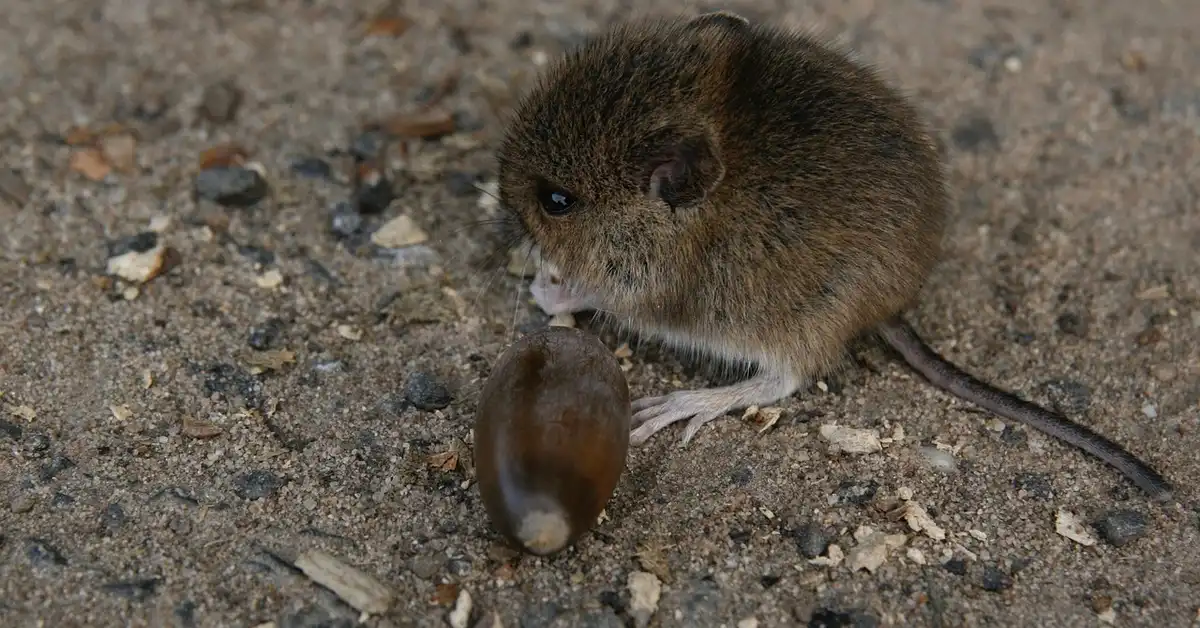
Food Storage and Cleanliness in RVs and Boats
Your mobile home-away-from-home is a five-star resort to a mouse, offering shelter and an all-you-can-eat buffet. The single most effective change you can make is to eliminate all food sources by storing them in airtight, hard-sided containers. I never leave even a single granola bar wrapper or a bag of chips in my RV; every scrap of food goes into locking plastic bins or glass jars.
- Wipe down all surfaces with vinegar or a pet-safe disinfectant after every meal to remove food residue and scent trails.
- Empty trash bins nightly and use cans with tightly sealed lids.
- Inspect and clean hidden areas like under the sink, inside oven compartments, and beneath seating where crumbs accumulate.
- Never leave pet food or water bowls out overnight.
Keeping Your Parking Area and Storage Space Mouse-Free
Mice don’t magically appear inside your vehicle; they travel from the surrounding environment. Creating a defensive perimeter around your parking spot dramatically reduces the chance of a furry stowaway. Keep the area clear of clutter, leaf piles, and dense vegetation where mice can hide and nest. Watch for common entry points like gaps under garage doors, vents, and openings in the vehicle body. Inside vehicles, mice often nest in engine bays, wheel wells, under seats, or inside trunks and air intake areas.
- Store firewood, gardening supplies, and other items at least 20 feet away from your car, RV, or boat.
- Use motion-activated lights around your garage or storage shed to disturb and discourage nocturnal visitors.
- Keep your lawn mowed and trim back any overhanging tree branches that could serve as a highway to your roof.
Natural and Pet-Safe Rodent Deterrents That Actually Work
Many commercial repellents are toxic and unsafe for pets, children, and the environment. Natural deterrents work by overwhelming a mouse’s incredibly sensitive sense of smell, making your space unappealing. Common examples are peppermint oil and cayenne pepper. Peppermint’s strong aroma masks scent trails, while cayenne’s capsaicin is irritating and discourages rodents. I prefer these methods because they are harmless to my own curious mice at home while still being effective.
- Peppermint Oil: Soak cotton balls in 100% pure peppermint oil and place them in cup holders, glove boxes, and under seats. Refresh every two weeks.
- Cabinet Freshener Sachets: The kind used for linens, filled with rosemary, cloves, or cedar chips, can be tucked into storage compartments.
- Ultrasonic Devices: These emit a high-frequency sound that is irritating to rodents but inaudible to most humans and pets. Place one in your vehicle’s cabin and another in the engine bay.
What Doesn’t Work (and Why You’ll Waste Your Money)
It’s easy to fall for clever marketing, but some products are simply ineffective. Mice are highly adaptable creatures, and many “deterrents” are quickly ignored or circumvented. I’ve tested many of these over the years and can save you the disappointment. That matters when you weigh DIY savings against professional fees. Cheap gadgets can mean recurring problems and higher long-term costs, while a licensed exterminator is often more reliable and cost-effective overall.
- Fake Snakes or Owls: Mice are not fooled by static plastic predators for more than a day or two.
- Mothballs: While the smell is strong, they are a pesticide and can release harmful fumes in a confined space like a car. They are also a poisoning risk for pets and children.
- Irish Spring Soap: A persistent myth, but the scent does not reliably repel determined rodents.
- Dryer Sheets: They may smell fresh to you, but they do not contain any active ingredients that deter mice.
Humane Trapping and Removal Methods
If you discover a mouse has already moved in, a calm and compassionate response is key. The goal is to safely capture and release the animal without causing it harm or undue stress. I always use live-catch traps, as they align with my respect for these intelligent little creatures. Check traps frequently and transfer any captured mouse with gloves or a towel into a ventilated carrier. Release it in suitable habitat away from homes and roads, following local wildlife regulations.
- Bait a humane trap with a high-value food like a dab of peanut butter or a sunflower seed.
- Place the trap along a wall or in a corner where you’ve seen signs of activity, like droppings or nesting material.
- Check the trap frequently, at least every few hours. A trapped mouse can suffer from dehydration and fear.
- Release the mouse at least a mile away from your home in a park or wooded area with a good source of shelter and water.
When to Use Bait Stations in Garages and Storage Areas
Bait stations are sealed containers that hold poison, and their use requires careful consideration. Mouse bait stations work by allowing mice to enter through small openings to reach the bait while keeping the toxic material sealed inside. I only recommend considering bait stations for detached garages or storage sheds that are completely inaccessible to pets and children. This design reduces accidental contact but doesn’t eliminate the risk that a poisoned mouse will be eaten by another animal; the risk of secondary poisoning-where a pet or wild animal eats a poisoned mouse-is very real.
- Use bait stations as a last resort when a significant infestation is present and humane trapping is not sufficient.
- Always choose tamper-resistant stations and secure them to the floor or a wall.
- Wear gloves when handling the bait and check the stations regularly to dispose of any deceased rodents safely and hygienically.
Regular Vehicle Inspections: Your Best Defense
Think of your car, RV, or boat as an extension of your home—it needs routine check-ups to stay secure. A consistent, thorough inspection routine is the single most effective strategy for preventing a mouse problem before it starts. I make it a habit to do a quick visual scan every time I get in my car, and a more detailed one weekly. Mice can chew wiring and insulation, creating fire risks or mechanical failures that lead to accidents, so spotting signs early matters. Apply the same inspection habit at home—regular checks and sealing gaps prevent mice and reduce accident hazards.
Special Considerations for Stored or Seasonal Vehicles
Vehicles that sit idle are like five-star hotels for mice, offering quiet shelter and potential nesting materials. Long-term storage requires a proactive, multi-layered approach to pest-proofing that goes beyond simple inspections. My own camper taught me this lesson the hard way one spring.
- Create an Unpleasant Environment: Before sealing it up, saturate several cotton balls with pure peppermint oil and place them in small dishes or jar lids under the seats, in the glove box, and in storage compartments. Mice find this scent overwhelming.
- Block All Potential Entrances: Use steel wool to stuff into any small holes, gaps around wiring, or conduit pipes. Mice cannot chew through this material, making it an excellent physical barrier.
- Remove All Temptations: This goes beyond food. Vacuum meticulously to remove every last crumb. Take out all paper maps, napkins, and fabric scraps that could be used for a nest.
- Employ a Sonic Deterrent: Consider a battery-operated ultrasonic repellent designed for vehicles. These devices emit a high-frequency sound that is bothersome to rodents but inaudible to humans and pets.
What to Do If You Find Mice in Your Vehicle
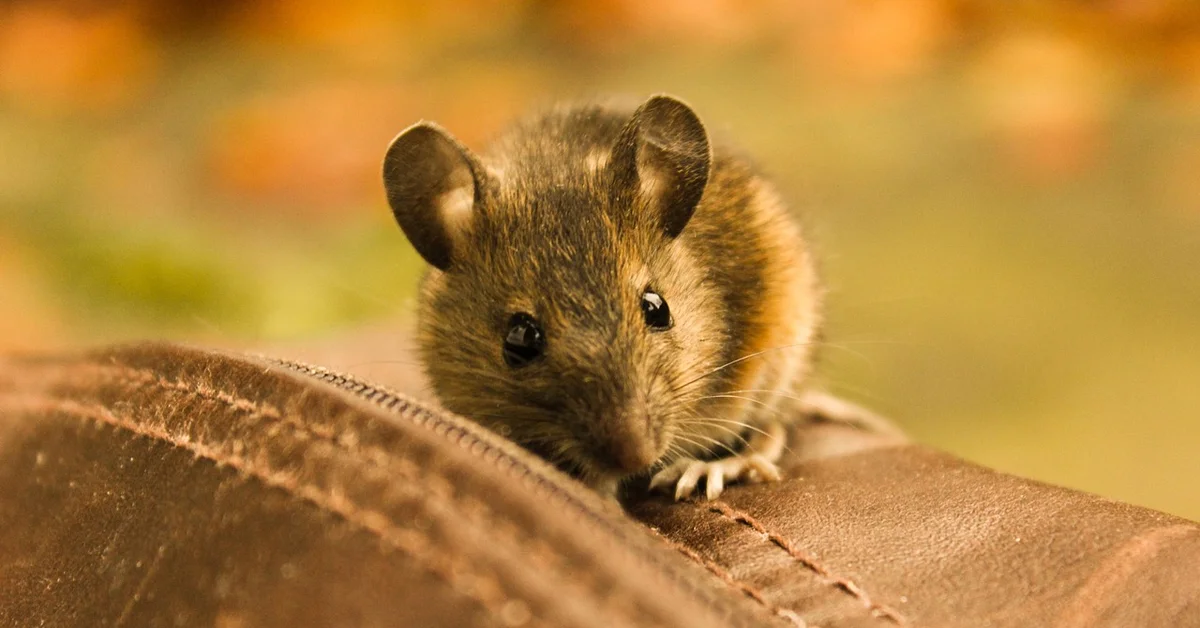
Discovering signs of mice-like droppings, shredded insulation, or a nest can be unsettling. Take a deep breath. Your immediate response should be calm, systematic, and focused on safe removal and cleanup. Acting hastily can scare the mice deeper into hiding. Before you begin, learn safe cleanup practices for mouse droppings and nests. If you’re unsure, contact a pest-control or sanitation professional.
- Do not start the engine if you suspect mice have been in the engine bay, as chewed wires can cause shorts or fires.
- Wear disposable gloves and a mask before touching anything to protect yourself from potential diseases.
- Identify how they are getting in. Look for greasy smudge marks or new gaps around door seals and firewall penetrations.
- Use humane live traps baited with a small amount of peanut butter or oatmeal to capture any remaining occupants. Check these traps frequently.
Dealing with Engine Compartment Infestations
The engine bay is warm and sheltered, making it a prime nesting spot. An infestation under the hood requires careful, methodical cleaning to prevent costly damage to electrical systems. I once found a nest tucked right next to my car’s battery.
- Open the hood and let the area cool completely if the engine has been run recently.
- Inspect visually for nesting material, often made of shredded insulation, leaves, or paper. Carefully remove it by hand, placing it directly into a sealed plastic bag.
- Examine wiring harnesses, hoses, and fluid lines for any signs of gnawing. Look for exposed wires or punctures.
- Use a compressed air canister to blow out debris from tight spaces. Follow this with a damp cloth wipe-down of accessible surfaces.
Cleaning and Sanitizing After an Infestation
Once the mice are gone, a deep clean is non-negotiable for your health and to remove scent trails that attract new visitors. Thorough sanitation eliminates the biological markers that tell other mice your vehicle is a welcoming home. Unlike when you clean a mouse cage, which requires gentle handling to prevent disease transmission, cleaning your car involves different challenges but is just as important.
- Ventilate the Area: Open all doors and windows to allow fresh air to circulate for several hours.
- Vacuum Meticulously: Use a HEPA-filter vacuum to remove all droppings, urine crystals, and nesting debris from every surface, including under seats.
- Disinfect Surfaces: Wipe down all hard surfaces-the dashboard, console, door handles-with a commercial disinfectant or a solution of one part bleach to ten parts water.
- Treat Fabrics: For upholstery and carpets, use an enzymatic cleaner specifically designed to break down urine proteins. This neutralizes the odor completely, which standard cleaners often fail to do.
Frequently Asked Questions
How do I keep mice out of my garage?
To deter mice from your garage, focus on sealing gaps and maintaining cleanliness, as wild mice seek shelter and food. Use steel wool to block small openings around doors and utility lines, and store items like pet food or birdseed in airtight containers to remove attractants. Regularly sweep the area and consider placing peppermint oil-soaked cotton balls in corners to create an unappealing scent barrier without harming pets.
How do I keep mice out of my shed?
Start by inspecting your shed for entry points, such as cracks under doors or holes in walls, and seal them with durable materials like metal flashing or hardware cloth. Keep the interior organized and free of clutter, as piles of wood or fabric can provide nesting spots. For added protection, use natural deterrents like cedar shavings or an ultrasonic device, and avoid leaving any organic materials like seeds or fertilizer exposed.
How do I keep mice out of my grill?
Mice are drawn to grease and food residues on grills, so thoroughly clean all surfaces after each use, including the drip tray and burners. Cover the grill with a tight-fitting, chew-proof cover when not in use, and store it in a well-ventilated area away from vegetation. Placing a few cotton balls with peppermint oil nearby can help repel mice naturally, ensuring your outdoor cooking space stays pest-free.
Wrapping Up
Remember, keeping mice out of your vehicle is about consistent, simple habits rather than complex solutions. By focusing on prevention through cleanliness and exclusion, you protect your property without causing harm, an approach that aligns with the respect we have for these clever creatures as pet owners. For pest control of mice, prioritize exclusion—seal gaps and remove food sources—and use humane, pet-safe methods if intervention is needed. If an infestation occurs, consult a professional who can apply safe, effective control measures.
Your vigilance in sealing entry points and removing attractants is the most powerful tool you have. Apply these methods with confidence, and you can enjoy your adventures without uninvited furry passengers, ensuring peace of mind wherever your travels take you.
Further Reading & Sources
- How to Keep Mice Out of Your Car
- Protect Your Car From Rodents | Chewing Wires – Consumer Reports
- How To Keep Mice Out of Your Car: 7 Effective Strategies | AAA Automotive
Isabella is a passionate small pet enthusiast with over 8 years of experience in caring for mice. She loves sharing practical tips and heartfelt stories to help fellow mouse owners provide the best care for their tiny companions.
Mouse-Proofing & Prevention