
Safe Nesting Materials for Your Mouse’s Cozy Bed
Have you ever wondered if the materials you’re using for your mouse’s nest could be causing discomfort or even harm, leaving you unsure how to create a truly safe retreat? I’ve faced that uncertainty myself, and this guide will give you a clear path to choosing the best options, so you can rest easy knowing your mouse is snug and secure.
We’ll dive into safe, natural choices that mimic their wild habitats and promote burrowing instincts, along with common household items that pose hidden risks and must be steered clear of to prevent health issues.
Why Nesting Materials Matter for Your Pet Mice
Think of a mouse’s nest as more than just a bed; it’s their sanctuary, their security blanket, and their primary comfort zone. A well-constructed nest provides vital warmth and a profound sense of safety, allowing your mice to exhibit their natural burrowing and hiding instincts. I’ve noticed a clear difference in my own mice’s confidence levels when they have a nest they’re proud of. A cozy, secure nest can significantly reduce stress-related behaviors and promote a more active, curious, and happy mouse.
Nesting is an instinctive behavior that mice simply need to perform. Providing appropriate materials for this activity is crucial for their mental and emotional enrichment, preventing boredom and encouraging natural, healthy behaviors. Watching my mouse, Kenny, meticulously arrange his paper strips is a lesson in dedication—he knows exactly how he wants his home to feel. This isn’t just about sleep; it’s about giving them a project and a purpose within their enclosure. In the wild, nest-building also plays a key role in territory, protection of young, and seasonal lifecycles, so offering materials lets captive mice express those same natural drives. For more information on this topic, you can explore In the wild, nest-building as it relates to mouse behavior. Watching Kenny’s work is therefore a small window into the rhythms of mouse life.
What Makes a Nesting Material Safe for Mice?
Choosing the right nesting material isn’t just about softness; it’s a direct factor in your pet’s health and safety. The absolute safest materials are those that won’t tangle around tiny limbs, are free of dust and chemicals, and are digestible if accidentally ingested during grooming. My rule of thumb is simple: if I wouldn’t feel safe putting it against my own skin or in my mouth, it doesn’t belong in my mice’s home.
Let’s break down the key characteristics of a safe nesting material. A good option will typically possess most, if not all, of these qualities:
- Breathable and Non-Retentive: Materials must allow for air circulation and not hold excessive moisture, which can lead to mold and respiratory issues.
- Dust-Free: Any dust can irritate their delicate respiratory systems, a common health problem in small pets.
- Non-Stringy and Tangle-Free: Long, thread-like fibers can wrap around legs and necks, cutting off circulation and causing severe injury.
- Digestible: Mice will inevitably nibble and groom in their nests, so materials must be safe to ingest in small amounts.
- Absorbent: It should help manage minor dampness to keep the sleeping area dry and comfortable.
Top-Tier Safe Nesting Choices
These are the materials I consistently return to for my trio, as they have never caused any issues and are enthusiastically used.
- Unscented, Ink-Free Paper Towels or Tissues: My personal favorite. They are supremely soft, highly absorbent, and completely safe if nibbled. I tear them into palm-sized strips for easy manipulation.
- Plain Toilet Paper: An inexpensive and excellent option. I give my mice a full roll (without the cardboard tube) and they delight in shredding it themselves.
- Paper-Based Bedding: Many paper beddings marketed for small pets are safe for nesting. I often find Jeffrey has burrowed into his main bedding to create a nest, a clear sign he finds it comfortable.
- Aspen Shavings: While often used as substrate, aspen is also a safe, sturdy nesting material that holds structure well for burrowing. Avoid all other wood shavings.
- Shredded Untreated Paper: Using a shredder on plain office or craft paper creates a fantastic, fluffy nesting material.
Materials to Strictly Avoid in the Nest
Some commonly suggested items are deceptively dangerous for small animals. Steering clear of these materials can prevent emergency vet visits and ensure your mouse’s long-term wellbeing. I learned this the hard way early on with a different mouse who thankfully recovered from a minor scare with an unsuitable material.
- Cotton Wool or “Fluff”: This is the most hazardous. The long fibers are a severe entanglement risk and can cause life-threatening blockages if eaten.
- Synthetic Fibers or Fabric: Yarn, felt, and cloth scraps can have the same tangling issues and are not digestible.
- Cedar or Pine Shavings: The aromatic phenols in these woods are toxic to mice and cause severe liver and respiratory damage.
- Hay or Straw: While fine for some larger animals, the stiff, sharp strands can poke eyes and skin and often carry excessive dust.
- Newspaper with Standard Ink: The inks used are not always non-toxic and can be harmful if ingested during grooming.
Safe Nesting Materials You Can Use Right Now
Paper-Based Nesting Options
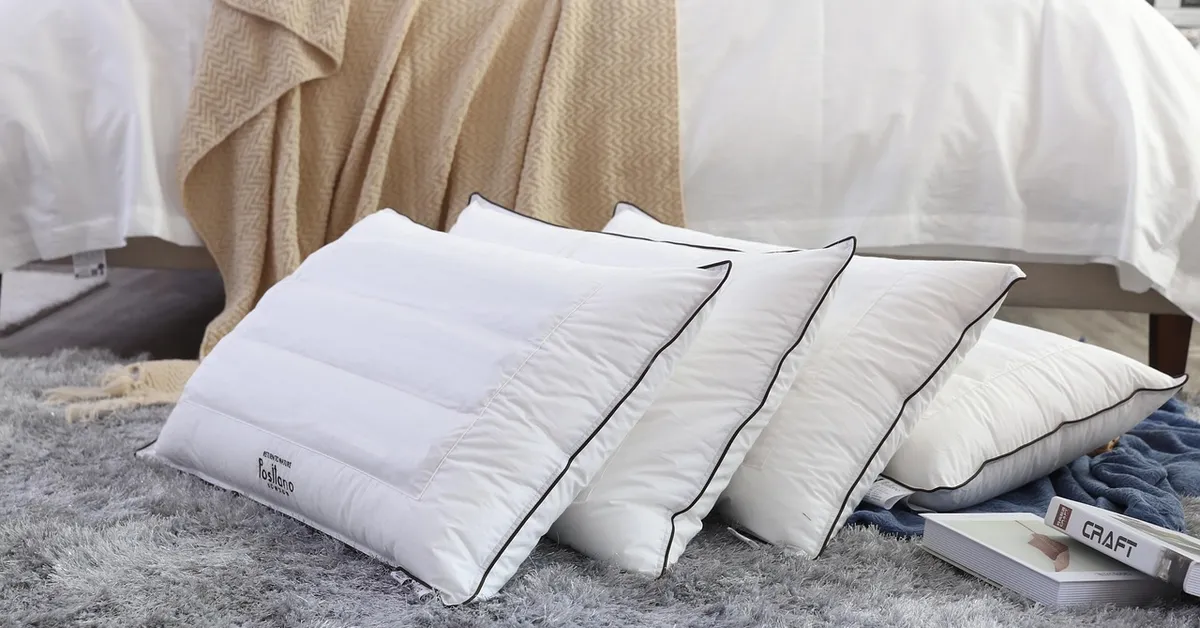
Plain, unprinted paper is a fantastic and readily available choice for mouse nests. I rely on unscented paper towels and plain white toilet paper torn into strips, as they are wonderfully absorbent and allow the mice to shred and sculpt their perfect hideaway. Avoid any paper with inks, dyes, or perfumes, as these can be toxic when chewed or ingested. Shredded plain computer paper or the crinkly paper from unwrapped paper bags also provides excellent structural variety for their building projects.
Natural Fiber Materials
For a more rustic, enriching nest, natural fibers are a superb option. Timothy hay or orchard grass not only provides safe nesting material but also doubles as a healthy, chewable snack, which is a huge bonus for their dental health. You can also use untreated, dust-free hemp or aspen fiber bedding, which offers great odor control and a soft texture. I find that mixing a handful of hay with paper strips creates a nest that is both sturdy and cozy, satisfying their natural foraging and burrowing instincts.
Fabric and Fleece Options
Fleece is a popular choice among mouse owners because of its softness and safety. The key is to use anti-pill fleece, as it doesn’t produce long, dangerous threads that can entangle tiny toes or be swallowed. Cut old fleece blankets or fabric scraps into small squares or strips for your mice to drag into their sleeping area. I always wash any new fabric in an unscented, hypoallergenic detergent before introducing it to the habitat to remove any chemical residues from manufacturing. Because fleece is reusable and doesn’t produce airborne dust, it’s often recommended among the best dust-free bedding options for mice. Other top dust-free choices include paper-based and kiln-dried aspen products, which offer low dust and good absorbency.
Unsafe Nesting Materials That Can Harm Your Mice
Wood Shavings to Avoid
Not all wood is created equal, and some common types are dangerously toxic. Cedar and pine shavings are absolutely off-limits because the aromatic phenols and oils they release can cause severe respiratory and liver damage over time. These softwoods might smell pleasant to us, but for a mouse’s delicate respiratory system, they are a constant irritant. I stick exclusively to paper-based or other safe plant fibers to ensure my boys, Kenny, Gregory, and Jeffery, are breathing easy.
Cotton and Synthetic Products
It might look fluffy and warm, but standard cotton wool and synthetic “fluff” nesting materials are deceptively hazardous. The long fibers can easily wrap around limbs, cutting off circulation, or form a tight, indigestible mass in the stomach if swallowed, which is a life-threatening emergency. This includes commercial pet shop “fluff” nests and even cotton balls from your bathroom cabinet. Their tiny bodies are simply not equipped to handle these kinds of materials safely.
Household Items That Seem Safe But Aren’t
Many everyday items we might consider repurposing can pose hidden risks. Yarn and sewing thread are a major entanglement hazard, and dryer lint is packed with concentrated chemicals from detergents and microfibers that a mouse should not ingest. Avoid using old clothing, especially anything made from terrycloth or loose-knit materials, as the loops can snag claws. Even tissues with lotion or aloe should be skipped, as the additives can upset their stomachs.
How to Choose the Right Nesting Material for Your Mice
Selecting the perfect bedding is about observing your pets and balancing a few key factors. Watch how your mice interact with different materials; some, like my Kenny, will enthusiastically shred paper, while others, like the more cautious Gregory, prefer pre-cut fleece squares they can simply arrange.
- Consider Absorbency: Paper and aspen fibers are excellent for wicking moisture away from the main sleeping area, keeping the nest dry.
- Prioritize Safety: The material must be free of dust, chemicals, and long, stringy fibers. When in doubt, a simple “tear test” works well-if it tears easily without creating long threads, it’s usually a safer bet.
- Observe Their Habits: Active builders will appreciate shreddable paper, while older or less active mice might prefer the soft, ready-made comfort of fleece.
- Mix and Match: Don’t be afraid to offer a combination! Providing both hay for structure and paper for fine-tuning allows your mice to engineer their ideal comfort zone.
Maintaining Clean and Fresh Nesting Areas
Keeping your mice’s sleeping quarters clean is one of the most impactful things you can do for their well-being. A fresh nest directly supports their respiratory health and overall happiness. I’ve found that a consistent, gentle cleaning routine prevents stress and keeps my boys, Kenny, Gregory, and Jeffery, content and active.
When to Replace Nesting Materials Completely
You don’t need to dismantle their hard work every single day. A full replacement is best done on a schedule that balances cleanliness with your mouse’s comfort. I aim for a full nest overhaul once a week, which seems to be the sweet spot for maintaining hygiene without causing my mice undue stress. Do a little daily spot-cleaning to remove droppings and wet bedding, and plan a monthly deep clean of the whole cage and accessories to keep everything sanitary.
Look for these specific signs that a nest needs immediate attention:
- A noticeable, persistent ammonia smell.
- Dampness or visible moisture in the bedding.
- An abundance of stored food that is starting to spoil.
- Visible soiling or staining of the materials.
When you do a full clean, try to leave a small handful of the old, unsolied nesting material behind. This little trick helps the nest retain a familiar scent, which is incredibly reassuring for your pets and encourages them to rebuild quickly. My cautious mouse, Gregory, appreciates this consistency far more than a completely sterile start.
Recognizing Bedding-Related Health Problems
Your mouse’s nest is their sanctuary, but the wrong materials or poor upkeep can make it a source of illness. Staying vigilant for early warning signs can help you address small issues before they become big problems. If your mouse shows symptoms, set up a quiet, warm home hospital cage with soft bedding and easy access to food and water. Regular checks and keeping the space clean will help reduce stress and support recovery.
Watch your mouse closely for these symptoms, which can be linked to their bedding:
- Excessive sneezing or audible wheezing.
- Squinty, red, or watery eyes.
- Scratching more than usual, leading to bare skin patches.
- Lethargy or a sudden lack of interest in nest-building.
If you spot any of these, your first step should be to completely replace the nesting material with a known safe option. Dust from certain paper beddings or an allergic reaction to a new fiber can sometimes be the simple culprit. My impulsive mouse, Kenny, once developed a sneezing fit from a new, overly dusty paper bedding; switching back to his old brand cleared it up within a day.
Special Considerations for Baby Mice and Nursing Mothers
Caring for a mother and her litter is a delicate and rewarding experience. Their nesting needs become paramount for the survival and health of the fragile pups. Providing the right materials is not just about comfort-it’s about creating a secure micro-environment where the babies can thrive.
For nursing mothers, focus on soft, insulating, and easy-to-shred options. She will want to build a dense, enclosed nest to keep her babies warm and hidden.
- Unscented, white paper towels are my top choice; they are supremely soft and absorbent.
- Strips of plain, unprinted toilet paper.
- Chemical-free tissue paper.
Avoid any long-strand or loose-fiber materials like cotton or hemp. These can easily tangle around tiny limbs and necks, posing a serious and often fatal risk to newborn pups. Safety is the only priority here.
Minimize disturbances to the nest as much as possible for the first two weeks. A stressed mother may neglect her young or, in worst cases, resort to cannibalism. When you must spot-clean, do so with extreme care, and never handle the pinkies with your bare hands if it can be avoided. I’ve found that a supportive environment helps even an anxious mouse like Jeffery become a calm and attentive parent.
Frequently Asked Questions
Safe nesting materials for birds?
For birds, safe nesting materials include untreated paper, cardboard, and natural fibers like sisal or coconut coir, which are non-toxic and allow for easy shaping without entanglement risks. Avoid synthetic materials, yarn, or anything with dyes or perfumes, as these can be harmful if ingested or cause respiratory issues. Always choose options that are dust-free and species-appropriate to support their nesting instincts and overall health. Similarly, when selecting bedding, pick dust-free, low-particulate materials to minimize airway irritation, and replace bedding regularly while keeping housing well ventilated to reduce buildup of dander, droppings, and mold.
Research your specific bird species’ needs, as some may require softer materials like untreated grass or leaves. Providing safe, natural options helps mimic their wild environment and reduces the risk of injury or illness during nesting activities.
Safe nesting material for hamsters?
Hamsters benefit from nesting materials similar to mice, such as paper-based bedding, aspen shavings, and timothy hay, which are safe for burrowing and provide comfort without dust or chemicals. These materials are digestible if nibbled and help maintain a dry, cozy nest that supports their natural behaviors. Avoid cedar or pine shavings due to toxic oils, and steer clear of cotton fluff, which can lead to tangling and digestive blockages.
Offering a mix of shreddable paper and hay encourages enrichment and allows hamsters to construct a secure nest. Regularly inspect the materials for signs of dampness or soiling to ensure a healthy habitat and prevent mold growth.
How to keep nesting boxes clean?
To maintain cleanliness, start by spot-cleaning the nesting box daily to remove any soiled or damp materials, and perform a full sanitization weekly using a mild, pet-safe disinfectant. Rinse the box thoroughly with water and allow it to dry completely before adding fresh bedding to prevent moisture buildup and mold. This routine helps control odors and reduces the risk of bacterial growth that could affect your mouse’s health. Wear disposable gloves and wash your hands thoroughly after cleaning to avoid spreading pathogens, and regularly disinfect the cage and removable accessories with pet-safe products to help safely clean the cage and prevent disease transmission.
Avoid using harsh chemicals or scented products, as residues can irritate your mouse’s respiratory system. During cleanings, handle the nesting materials gently to minimize stress, and always wash your hands before and after to maintain hygiene. Choose pet-safe, unscented cleaners or a mild diluted vinegar solution. Avoid aerosol sprays and make sure surfaces are rinsed and fully dry before returning bedding and the mouse.
Your Path Forward
Creating a safe, cozy nest is one of the most loving things you can do for your mice. Always prioritize materials like unscented paper bedding and torn-up tissues, steering completely clear of fluffy synthetic fibers and heavily inked paper that pose serious health risks. If you find a nest of baby mice, avoid touching or moving it—disturbing the nest can cause the mother to abandon her young. Observe quietly from a distance and, if the mother doesn’t return or the pups look injured or cold, contact the breeder, a veterinarian, or a licensed wildlife rehabilitator for advice.
Watching your mice meticulously arrange their bedding is a joy that speaks to their comfort and trust. Providing the right materials allows them to express this natural behavior safely, leading to a happier, healthier pet who feels truly at home. When considering the pros and cons of pet mice, remember that while their nesting and sociability are delightful, they also require regular cleaning, proper housing, and attentive care.
Further Reading & Sources
- Assessing the safety and suitability of nesting material for singly housed mice with surgically fitted head plates – PMC
- Assessing the safety and suitability of nesting material for singly housed mice with surgically fitted head plates – ScienceDirect
- r/PetMice on Reddit: What kind of bedding and nesting materials do you use?
Isabella is a passionate small pet enthusiast with over 8 years of experience in caring for mice. She loves sharing practical tips and heartfelt stories to help fellow mouse owners provide the best care for their tiny companions.
Bedding Options