
The Complete List of Safe Vegetables for Mice
Have you ever hesitated before sharing a bite of vegetable with your mouse, unsure if it’s truly safe? I’ve faced that same uncertainty, and this guide delivers a dependable, easy-to-follow list so you can nourish your pet with confidence.
You’ll find detailed entries on a wide range of vegetables, learn the best ways to prepare and serve them, and get tips for creating a balanced and exciting diet for your mouse.
Safe Vegetables for Mice: The Quick Reference List
Everyday Leafy Greens Your Mice Will Love
These tender leaves are the cornerstone of a healthy mouse diet, packed with nutrients and hydration. I offer a small, washed handful of these greens to my trio nearly every single day, and they devour them with gusto. You can reliably rotate through this list to keep things interesting for your curious pets.
- Romaine Lettuce: A fantastic, hydrating base green.
- Butter Lettuce: Soft and gentle, a universal favorite.
- Arugula: Adds a delightful, peppery kick they often enjoy.
- Spinach: Feed in moderation due to oxalates, but a great occasional choice.
- Kale: A nutrient powerhouse; I tear it into tiny, manageable pieces.
- Dandelion Greens: A wonderful foraged option if from a pesticide-free area.
Weekly Staple Vegetables
This category includes more substantial veggies that provide variety and different textures. I find these vegetables are perfect for offering two to three times per week, creating a balanced and exciting menu. My mouse Gregory, in particular, appreciates the steady, reliable crunch of a good broccoli floret.
- Broccoli: Both the florets and stalks are safe and fun to gnaw on.
- Cauliflower: A mild-flavored alternative to broccoli.
- Zucchini: Soft, easy to eat, and full of water.
- Cucumber: An excellent hydrating treat, especially on warmer days.
- Bell Peppers: All colors are safe; remove the seeds and stem first.
- Peas: Fresh or frozen (thawed) peas are a delightful little snack.
Occasional Treat Vegetables
These vegetables are perfectly safe but are higher in sugar or starch, so they should be given as special rewards. Limiting these to a tiny piece once or twice a week prevents weight gain and keeps them feeling like a true celebration. Jeffery’s cheerful squeaks are always a little louder when he sees a tiny carrot piece coming his way.
- Carrots: A classic favorite; a thin slice is more than enough.
- Sweet Potato: Must be cooked thoroughly; a tiny cube is sufficient.
- Corn: A single kernel is a fun, infrequent treat.
- Pumpkin: Cooked and plain, a tiny dab is a seasonal hit.
- Beets: Can stain bedding, but a small piece is a safe, colorful option.
Vegetables to Never Feed Your Mice
Knowing what to avoid is just as critical as knowing what to serve. Some common vegetables contain compounds that are toxic to mice and can cause serious digestive upset or worse. If you keep pet mice, be especially cautious: many foods that are safe for people can be harmful to small rodents. For example, items like chocolate, onions, and raw beans can cause serious illness in mice. It is always better to be safe and stick to the proven, safe list.
- Onions, Garlic, Leeks, and Chives: All members of the allium family damage red blood cells.
- Raw Potatoes and Potato Leaves: Contain solanine, which is poisonous.
- Rhubarb: The leaves are highly toxic, and the stalks are too acidic.
- Avocado Pit and Skin: Contain persin, a fungicidal toxin.
- Iceberg Lettuce: It offers little nutritional value and its high water content can cause diarrhea.
When in doubt about any food item, the safest choice is to leave it out of their bowl. Your mouse’s health and safety are always worth that extra moment of caution. This caution is exactly why a deep-dive review of mouse food can be helpful—it highlights safe staples, risky items, and how to read labels. Read on for practical guidance on building a balanced, hazard-free diet for your pet.
How Much Vegetable Should You Feed Your Mouse?
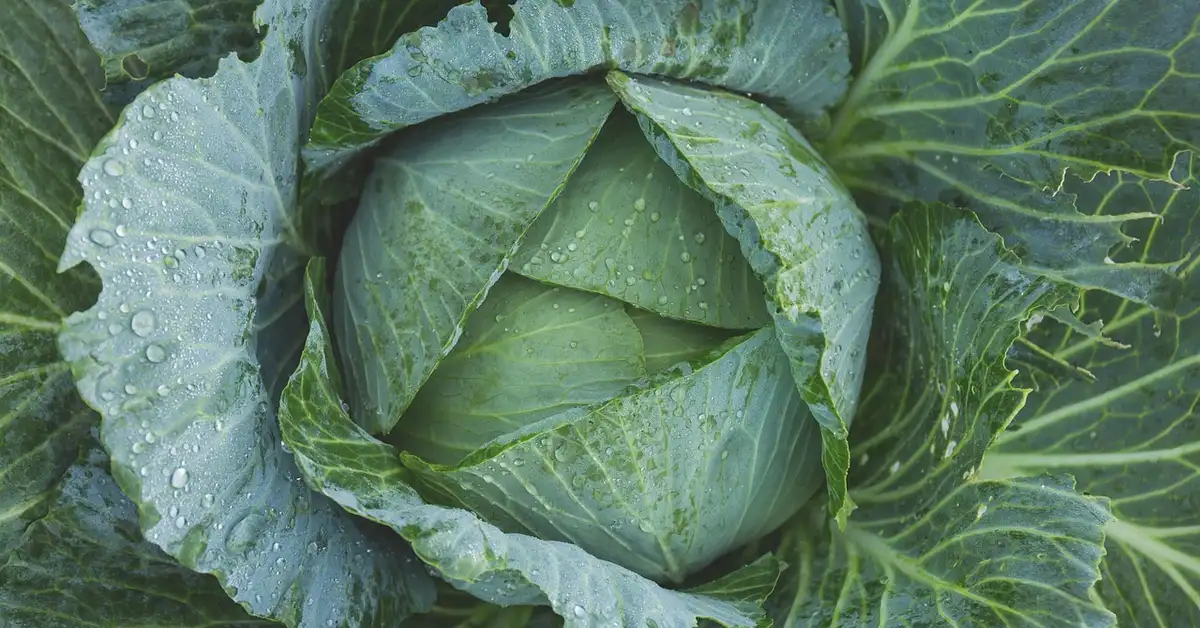
Finding the right balance is key to keeping your mouse healthy and happy without upsetting their sensitive digestive system. I’ve found that offering about a teaspoon of assorted fresh vegetables per mouse, per day, is a fantastic guideline that prevents waste and digestive upset. It’s a small amount that provides a significant nutritional boost. These simple portion rules are a key component of any preventative mouse health guide, helping to avoid obesity and digestive problems before they start. Pairing consistent portions with regular monitoring and vet check-ups supports lifelong wellbeing.
Daily Feeding Schedule That Works
Consistency helps your mouse know what to expect and prevents them from overeating or ignoring their main food. Feeding vegetables in the evening aligns with their natural foraging instincts, making mealtime an engaging activity. Here is a simple routine that has worked wonderfully for my own mice:
- Provide their main, nutritionally complete pellet or block diet first thing in the morning.
- In the evening, offer the teaspoon of fresh vegetables.
- Remove any uneaten fresh food after a few hours to prevent spoilage in the cage.
- For very small or young mice like my Jeffery, I sometimes reduce the portion to half a teaspoon.
Preparing Vegetables Safely for Your Mice
Proper preparation is just as important as choosing the right vegetable. Always wash vegetables thoroughly under cool running water to remove pesticides, dirt, and potential contaminants that could harm your tiny friend. A quick scrub with a clean brush for firmer veggies like carrots can be very effective.
Do Mice Prefer Raw or Cooked Vegetables?
This is a common question, and the answer depends on the vegetable and your mouse’s personal taste. Most vegetables are perfectly safe and enjoyed by mice in their raw, natural state, which preserves their valuable vitamins and crunch. My Kenny, for instance, loves the challenge of a raw broccoli floret. However, it’s always crucial to avoid toxic foods for mice that could harm them.
- Raw is Standard: Bell peppers, cucumber, romaine lettuce, and zucchini are almost always preferred raw for their texture and hydration.
- Cook for Digestibility: Lightly steaming harder vegetables like carrots, sweet potato, or squash can make them easier to chew and digest, especially for older mice like Gregory.
- Never Add Anything: Cook vegetables by steaming or boiling in plain water. Do not add any salt, oil, butter, or seasonings.
- Always Cool Completely: Any cooked vegetable must be cooled to room temperature before you offer it to your mouse.
Understanding the Nutritional Benefits of Each Vegetable
Knowing what each vegetable offers helps you create a well-rounded diet that supports everything from a shiny coat to a strong immune system. Rotating through different vegetable types ensures your mouse gets a spectrum of nutrients rather than relying on just one or two favorites.
Leafy Greens: Vitamin Powerhouses
These are the foundation of a good vegetable selection. Leafy greens are typically low in sugar and packed with Vitamin A, Vitamin K, and folate, which support vision, blood health, and cell growth. They provide essential moisture and are generally a safe daily option.
- Romaine Lettuce: High water content, great for hydration.
- Spinach: Rich in iron and antioxidants; feed in moderation due to oxalates.
- Arugula: Provides a peppery flavor some mice enjoy and is a good source of calcium.
- Kale: Dense with vitamins but should be a occasional treat due to its calcium content.
Colorful Vegetables: Antioxidants and Hydration
The vibrant reds, oranges, and yellows in vegetables signal the presence of powerful compounds. Brightly colored vegetables are excellent sources of antioxidants like beta-carotene and Vitamin C, which help combat cellular damage and support overall vitality. My Jeffery’s white fur seems even brighter when he’s munching on these!
- Red Bell Pepper: An exceptional source of Vitamin C, even more than an orange by weight.
- Carrot: Famous for beta-carotene (Vitamin A), great for skin and eye health.
- Zucchini: A low-calorie, high-moisture vegetable that is very gentle on the stomach.
- Pea Pods (Snow/Sugar Snap): Offer a satisfying crunch and a boost of plant-based protein.
Cruciferous Vegetables: Fiber and Immune Support
This family of vegetables is renowned for its health benefits. Cruciferous vegetables provide excellent dietary fiber for healthy digestion and contain compounds that are known to support the immune system. They should be introduced slowly to allow your mouse’s digestive system to adjust.
- Broccoli: Both the florets and stalks are safe; rich in fiber and Vitamin C.
- Cauliflower: A great low-starch alternative; the leaves are also edible and nutritious.
- Brussels Sprouts: Should be fed in very small, infrequent pieces due to their potential to cause gas.
- Bok Choy: A hydrating option that provides a good mix of vitamins from its green leaves and white stalks.
Building a Balanced Diet Beyond Vegetables
While a colorful array of vegetables forms the vibrant core of a healthy mouse menu, they are just one part of the nutritional picture. Think of vegetables as the main course, but your mouse still needs appetizers and the occasional dessert from other food groups. The mouse food pyramid diet maps out the right portions from each group. Following it helps you balance vegetables with grains, proteins and fats for complete nutrition. A diet consisting solely of veggies would lack sufficient protein and certain fats necessary for energy and a glossy coat.
High-quality commercial lab blocks or pellets should be the consistent foundation of their diet, available at all times. These are scientifically formulated to prevent selective eating and ensure they get all their essential vitamins and minerals. This reliable staple is what keeps their tiny bodies running smoothly day in and day out. In a deep dive comparing seed mixes vs. lab blocks for mouse nutrition, we’ll examine nutrient balance, health effects, and practical feeding recommendations. That comparison helps explain why lab blocks are recommended as the everyday staple while seeds are best offered sparingly as treats.
Essential Additions for a Thriving Mouse
To complement their lab blocks and vegetables, incorporate these other food sources a few times a week.
- Protein Power: Offer small amounts of cooked, unseasoned chicken, scrambled egg, or mealworms. My mouse Gregory, in his older age, seems to particularly appreciate a tiny bit of soft, cooked egg for an easy-to-eat protein boost.
- Whole Grains: Cooked brown rice, oats, and whole-wheat pasta are excellent sources of energy. Serve these in tiny, pea-sized portions.
- Occasional Fruits: These are the treats! Offer tiny bits of apple (no seeds), banana, or berry no more than twice a week due to the high sugar content.
- Healthy Fats: A single, unsalted sunflower or pumpkin seed makes a wonderful, enriching reward.
Reading Your Mouse’s Response to New Vegetables
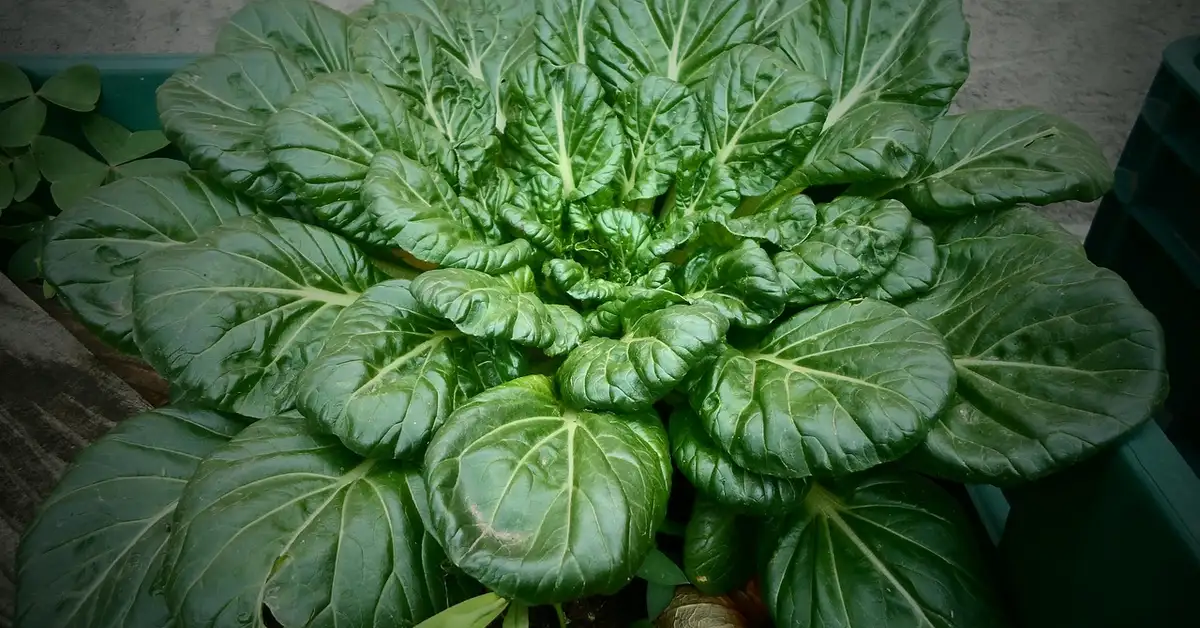
Introducing a new food is a conversation with your pet, and they will tell you exactly what they think through their actions and body. Observing your mouse’s individual reaction is the single most important step in expanding their diet safely. What one mouse adores, another might completely ignore, and that is perfectly normal. Over time, the foods they accept or refuse directly affect their long-term health—impacting weight, digestion, and disease risk. Paying attention and offering balanced options helps ensure a healthy life as they age.
I always start by offering a piece of new vegetable no larger than a pea. Place it near them in their habitat and simply watch. Patience is your greatest tool here; do not be discouraged if they are suspicious at first. It can take several introductions over days or even weeks for a hesitant mouse to decide a new food is friend, not foe. Use this same slow, food-based approach when introducing a new mouse to an established group: offer the small treat at the group’s edge so scents can mingle and residents can investigate first. Only move toward closer contact once everyone is calm and no aggressive behavior is observed.
Signs of a Positive Reaction
When a vegetable is a hit, you will see clear signals of enjoyment and well-being.
- Eager Eating: They will readily take the food, hold it in their paws, and munch away enthusiastically.
- Bright and Active: After eating, they continue their normal behaviors-running on the wheel, exploring, and grooming.
- Healthy Digestion: Their droppings remain firm and well-formed, and they show no signs of bloating or discomfort.
Red Flags and Negative Responses
It is crucial to recognize when a vegetable does not agree with your mouse. Discontinue any food that causes these signs. Consult the Sick Mouse Visual Guide for photos and brief descriptions of common symptoms to help you identify issues quickly. If you’re unsure or symptoms persist, follow the guide’s advice to seek veterinary care.
- Refusal to Eat: If they sniff and immediately walk away every time, they are simply telling you they do not like it.
- Digestive Distress: Look for soft stools, diarrhea, or a noticeably swollen abdomen. This is a clear sign the food is too rich or irritating for their system.
- Lethargy or Pica: If your mouse becomes unusually still or starts trying to eat their bedding or other non-food items, it can indicate a stomach ache.
- Skin Changes: In rare cases, a food can cause itching or hair loss. If you notice any skin issues, review any new foods you have introduced.
My mouse Jeffery, for instance, is quite sensitive. He once had a small piece of bell pepper that, while safe for most mice, made him slightly lethargic. That experience reinforced for me that the “safe” list is a starting point, and your own mouse’s biology is the final guide. You are the expert on your own pet, and learning their unique preferences and tolerances is a beautiful part of the bond you share. Noticing little cues—like changes in energy, appetite, or whether they seek comfort from you—is one of the telltale signs of a strong bond between mouse and owner. Those moments show trust and let you respond with the care they need.
Frequently Asked Questions
What fruits are safe for mice to eat?
Mice can enjoy small amounts of certain fruits as occasional treats due to their high sugar content. Safe options include apples (with seeds removed, as they are toxic), bananas, berries like strawberries and blueberries, and melons such as watermelon (without rind). Always wash fruits thoroughly and serve tiny, pea-sized pieces to prevent digestive issues and weight gain.
It’s best to offer fruits no more than once or twice a week to avoid health problems like obesity or diabetes. Rotate different fruits to provide variety and remove any uneaten portions promptly to keep the cage clean and prevent spoilage.
Can pet rats eat the same vegetables as mice?
Yes, many vegetables safe for mice are also safe for pet rats, as both species have similar dietary needs as omnivorous rodents. You can generally offer rats the same leafy greens, weekly staples, and occasional treat vegetables listed for mice, such as broccoli, carrots, and bell peppers.
However, rats are larger and may tolerate slightly bigger portions, but always introduce new vegetables slowly and in small amounts to monitor for any adverse reactions. Consult a veterinarian for specific dietary advice tailored to rats, as their nutritional requirements can vary slightly from mice.
Are there any human foods that are unsafe for mice besides the listed vegetables?
Yes, several common human foods are toxic or harmful to mice and should be strictly avoided. These include chocolate, caffeine, alcohol, sugary or salty snacks, and any processed foods, as they can cause digestive upset, poisoning, or long-term health issues.
Stick to the safe foods outlined in the article, such as high-quality lab blocks, approved vegetables, and occasional proteins or grains. If you’re unsure about a food item, it’s always safest to omit it from your mouse’s diet and consult a veterinarian for guidance.
Wrapping Up
Providing a rotating selection of safe vegetables is one of the simplest and most rewarding ways to enrich your mouse’s life. This variety not only meets their nutritional needs but also turns every meal into a stimulating, enriching experience for their curious minds.
Start slowly with small portions, observe their unique preferences, and enjoy discovering their favorites together. Watching my own mice, like the ever-adventurous Kenny, carefully investigate a new leafy green is a constant reminder of the simple joy found in caring for these wonderful little creatures.
Further Reading & Sources
- What To Feed Mice & What Not To Feed | Mice Diet Guide – Woodgreen Pets Charity
- r/PetMice on Reddit: What fresh veggies & fruit are good to give mice?
- Mice care – Good food for mice | Supreme Petfoods
Isabella is a passionate small pet enthusiast with over 8 years of experience in caring for mice. She loves sharing practical tips and heartfelt stories to help fellow mouse owners provide the best care for their tiny companions.
Fresh Foods