
From Pest to Pet: The Complete History of Mouse Domestication
Have you ever wondered how a creature once chased from pantries became a cherished companion curled up in your hand? This guide pieces together the remarkable transformation of mice, offering a clear and engaging narrative that connects their wild past to their cozy present in our homes.
You will journey through the ancient roots of human-mouse relationships, uncover the pivotal moments that shifted mice from pests to partners, and see how selective breeding and changing attitudes crafted the affectionate pets we adore today.
The Wild Origins of House Mice
Before they ever curled up in a human hand, the ancestors of your pet mouse were survivors of the highest order. The house mouse, Mus musculus domesticus, began its journey as a wild forager in the sprawling grasslands and agricultural fields of Asia. Their incredible success is rooted in a simple, powerful trait: an unmatched ability to adapt to the environments we create.
These small, nimble creatures possess a set of wild instincts that still flicker within your pet today. Their constant gnawing isn’t just a habit; it’s a primal need to wear down teeth that never stop growing. That sudden, skittish dart across the cage? It’s the ghost of a wild mouse evading the shadow of a hawk. Recognizing these deep-seated behaviors helps you build a home that respects their ancient nature.
- Opportunistic Diet: In the wild, they are true omnivores, consuming seeds, grains, insects, and whatever else they can find, a trait mirrored in their need for a varied diet in captivity.
- Rapid Reproduction: Their quick breeding cycle was an evolutionary response to high mortality rates from predators and environmental challenges.
- Complex Social Structures: Wild mice live in intricate colonies with established hierarchies, which is why your male mice often do best in carefully introduced, all-male groups.
- Crepuscular Activity: Most active at dawn and dusk, this pattern helps them avoid daytime predators and the chill of night, a rhythm your own mice likely still follow.
When Did Humans Start Keeping Mice as Pets?
The leap from tolerated pest to cherished companion is a fascinating twist in human history. For millennia, our relationship was purely one of conflict, as we built granaries and they helped themselves. The shift began when someone, somewhere, looked past the stolen grain and saw a creature of grace and intelligence. This change in perspective didn’t happen overnight, but emerged in pockets of culture where aesthetics and curiosity overcame practicality.
I often watch my own mice-Kenny’s bold explorations, Gregory’s calm patience, Jeffery’s cheerful antics-and see the very qualities that must have captivated our ancestors. Keeping mice allows you a front-row seat to a rich, complex social world that unfolds right in your living room. Their journey into our hearts is a story of color, curiosity, and companionship.
Ancient Asia and Early Mouse Fancy
Long before the Victorians formalized the hobby, cultures in Japan and China were selectively breeding mice for their aesthetic appeal. Historical records and art from the 18th century and earlier depict mice with unique coat colors and patterns, suggesting a deliberate, cultivated fancy. These early enthusiasts were the first to see the mouse not as a pest, but as a living work of art—what we now call fancy mice.
- Selective Breeding for Beauty: Mice were bred for specific traits like unusual colors, satin fur, and even distinctive markings, much like fancy goldfish or songbirds.
- Cultural Significance: In some regions, uniquely colored mice were considered good luck charms or fascinating novelties for the wealthy and noble classes.
- Contained Habitats: They were often kept in beautifully crafted bamboo or wooden cages, a world away from the utilitarian traps used elsewhere.
- The “Fancy” is Born: This practice of keeping and breeding animals for pleasure and appearance, rather than utility, laid the foundational philosophy for the modern pet mouse hobby.
Victorian England and the Birth of Modern Pet Mice
The 19th century, particularly in Victorian England, marks the true dawn of the mouse as a mainstream pet. This era of naturalists, collectors, and hobbyists created a perfect environment for “mouse fancying” to flourish. Victorian collectors formalized what ancient Asians had started, turning a pastime into a documented hobby with standards and clubs. By the late 1800s enthusiasts began organizing into clubs, staging shows, and codifying breed standards. These early organizations form the foundation of mouse club history still traced by breeders and historians today.
Mice became popular for several reasons that still resonate today. They were small, quiet, and relatively inexpensive to keep—ideal for city dwellers in cramped townhouses. Their rapid breeding also allowed hobbyists to quickly see the results of their selective pairings. The Victorians gave us the framework for the diverse, healthy pet mice we know and love, establishing a legacy of responsible care and admiration. That enthusiasm sparked a Victorian mouse craze, with breeders, shows, and magazines celebrating fancy mice across Britain. What began as practical pet-keeping became a fashionable, organized pastime for Victorians.
- The Rise of Shows: The first known public mouse show was held in England in 1840, creating a competitive platform that spurred the development of many new varieties.
- Standardization of Breeds: Enthusiasts began meticulously documenting desired traits, leading to the establishment of recognized “breeds” or types, such as the Japanese Waltzing Mouse.
- Literature and Guides: The first books and pamphlets on keeping and breeding fancy mice were published, disseminating knowledge and growing the community.
- From Labs to Living Rooms: As mice became common in scientific research, their gentle nature and ease of care became even more apparent to a wider public, further cementing their status as pets.
How Domestication Changed the Mouse
Physical Changes Through Selective Breeding
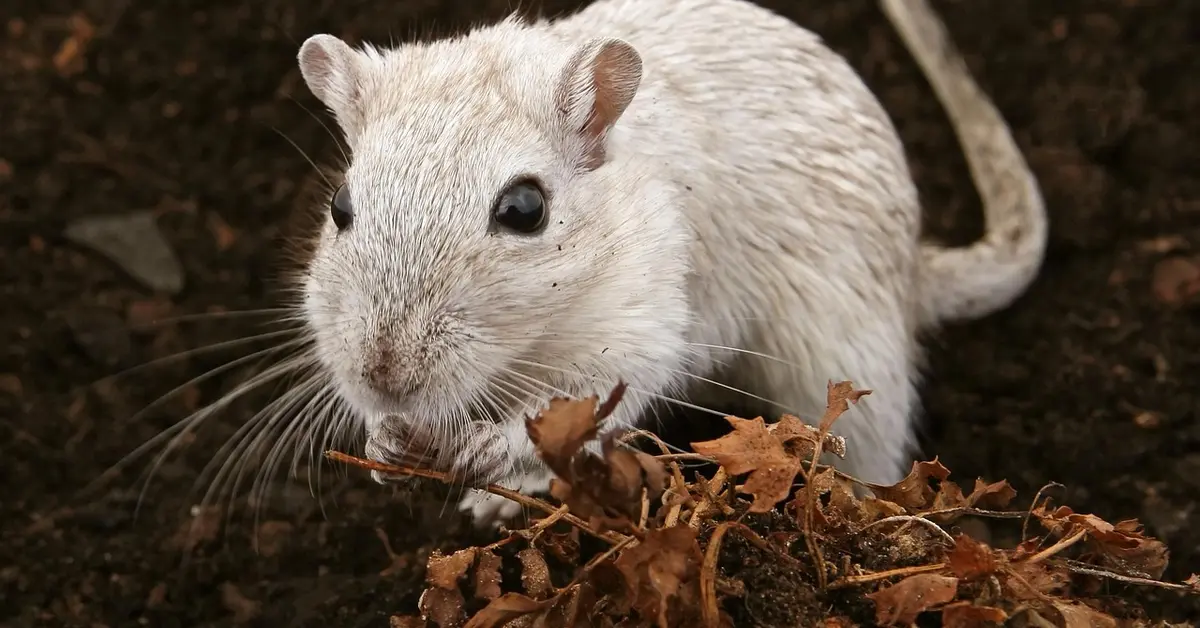
Over countless generations, the deliberate pairing of mice with desirable traits has sculpted the modern pet mouse into a creature distinct from its wild ancestors. The most visually striking transformation is the explosion of coat colors and patterns, far beyond the simple agouti brown of wild mice. You can now find pets with sleek black coats, pristine white fur, delicate champagne hues, and even intricate markings like brindle or Dutch patterning. This pet mouse colors and markings guide will walk you through the common hues, patterns, and terminology. It will help you recognize different varieties and make informed choices when selecting or caring for a pet mouse.
Beyond their colorful fur, their bodies have also been reshaped. Many fancy mice are slightly smaller and more compact than their hardy wild cousins. Some lines have been bred for specific features like satin-fur, which has an incredible sheen, or even unusual ear shapes. Understanding these breed-specific traits and trade-offs is central to understanding fancy mouse breeds. It helps prospective owners and breeders anticipate care needs. This selective focus on appearance can sometimes come with unintended health consequences, making a responsible breeder’s knowledge invaluable.
Behavioral Adaptations in Pet Mice
The behavioral shifts are perhaps even more profound than the physical ones. A wild mouse’s entire existence is governed by a single, powerful imperative: survival. Pet mice, freed from the constant threat of predators and starvation, have developed a capacity for curiosity and even playfulness. Their innate wariness has been dialed down, replaced by a cautious but genuine interest in their human caretakers.
I’ve observed this directly with my own mice. My adventurous mouse, Kenny, will readily climb onto my hand, driven by his bold nature. This is a far cry from the instantaneous flight response of a wild mouse. Their social structures have also intensified. Domestic mice form complex, cooperative colonies where they groom each other, sleep in piles for warmth and comfort, and communicate with a rich vocabulary of chirps and squeaks. My older mouse, Gregory, often acts as a calm, grounding presence for the more energetic younger ones, a dynamic rarely seen in the frantic, competitive world of wild mice.
Laboratory Mice and Their Impact on Pet Mouse Domestication
The story of the pet mouse is deeply intertwined with the history of the laboratory mouse. For over a century, mice have been the cornerstone of biomedical research, and this has had a massive trickle-down effect on the pets we keep today. Laboratory standards established the principles of meticulous record-keeping and genetic consistency that serious pet mouse breeders later adopted, especially those considered ethical breeders of pet mice.
Many of the color varieties we cherish originated in labs, where spontaneous genetic mutations were observed and preserved. The common albino mouse, with its white fur and red eyes, is a classic example of a lab-originated trait that became a pet staple. This research-driven environment also led to a much deeper understanding of mouse physiology, nutrition, and common diseases, knowledge that directly benefits every pet mouse owner. We know what to feed them and how to spot illness largely because of decades of scientific study.
Are Wild Mice and Pet Mice Really Different Species?
This is a fascinating and common question. The simple answer is no; a wild house mouse and a pet fancy mouse are the same species, Mus musculus domesticus. They are not different species, but rather different versions of the same animal, shaped by vastly different evolutionary pressures. Think of them as distant cousins from the same family tree, one raised in the untamed wilderness and the other in the comfort of a human home.
Despite this shared genetics, the differences run deep:
- Genetics and Instinct: A pet mouse’s DNA is a curated collection of traits selected by humans. A wild mouse’s DNA is a raw product of natural selection, fine-tuned for evasion and survival.
- Behavior and Temperament: Your pet mouse might see your hand as a source of treats or a fun climbing gym. A wild mouse is hardwired to see that same hand as a lethal threat.
- Health and Immunity: Wild mice possess robust immune systems built to handle a dirty, challenging world. Pet mice, while generally healthier in a controlled environment, can be more susceptible to specific respiratory illnesses and can lack resistance to parasites their wild counterparts carry.
This fundamental distinction is why a wild mouse will never truly become a “pet,” and why a pet mouse would not last long if released into the wild. They are biological siblings separated by an immense chasm of experience and domestication.
What Domestication Means for Your Pet Mouse Care
Understanding Your Mouse’s Domesticated Nature
Your pet mouse is the product of centuries of selective breeding, a process that has fundamentally reshaped its instincts and needs compared to its wild ancestors. This long history of living alongside humans means your companion is biologically primed for a life in your care, not in the wild. They look to you for security and resources in a way a wild mouse never would. Have you wondered whether they recognize their owners and interact differently with familiar people? Many pet mice do learn to identify and respond to their caregivers by scent, voice and routine.
Domestication has softened their survival-driven impulses, making them far more tolerant of handling and human presence. Where a wild mouse would see your hand as a dire threat, my mouse Kenny will eagerly climb onto mine, driven by curiosity rather than fear. This inherent trust is a gift of domestication, but it also means they are utterly dependent on your stewardship. Their world is the habitat you build for them.
Their social structures have been refined as well. While wild mice can form complex colonies, pet mice thrive in carefully introduced, same-sex groups. I’ve found that my trio-Kenny, Gregory, and Jeffery-display a nuanced social harmony that is a direct result of their domesticated lineage. They squabble less and cooperate more, often sleeping in a single, cozy pile. Can male mice live together? This question often comes up for pet owners, but with patience and proper introduction, male pet mice can indeed coexist peacefully.
Health and Welfare Considerations
The very traits that make them wonderful pets also make them vulnerable. Generations of selective breeding have left them with a different biological blueprint than their hardy wild cousins. Their immune systems are simply not as robust, making a clean and stable environment non-negotiable for their health. A draft or a sudden temperature change that a wild mouse could endure might seriously sicken your pet.
Their lifespan is a direct reflection of your care. A wild house mouse is lucky to live a year, facing predators, disease, and starvation. In the safety of your home, a well-cared-for pet mouse can live a full and vibrant life of two, sometimes even three, years. To maximize the average pet mouse lifespan, focus on a balanced diet, regular veterinary checks, and plenty of enrichment. Small, consistent improvements in daily care can add months to their life. This extended lifespan is your responsibility to fill with quality nutrition, mental stimulation, and preventive veterinary care.
Be vigilant for signs of common domesticated ailments. Watch for:
- Respiratory issues, often signaled by sneezing, wheezing, or porphyrin (red crust) around the eyes and nose.
- Tumors, which can appear as lumps anywhere on the body and are more prevalent in certain domesticated lines.
- Obesity, a direct result of plentiful food and limited space, which can be managed with a balanced diet and a wheel for exercise.
A proactive approach to their health, including regular habitat checks and gentle physical inspections, is the best way to honor their domesticated nature.
How Pet Mice Compare to Their Wild Cousins Today
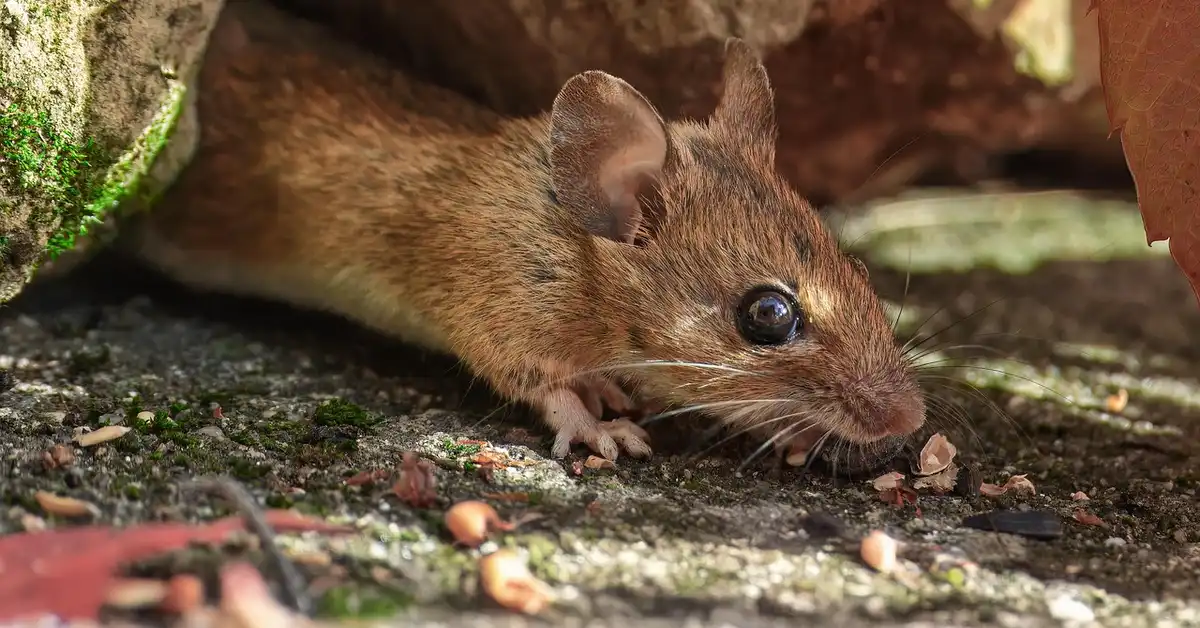
If you were to place my curious, light-gray Kenny next to a wild deer mouse, the differences would be immediately striking, extending far beyond their coats. Domestication has crafted an animal that is psychologically and physically distinct from its wild counterparts. They are, in many ways, two different creatures shaped by vastly different lives.
Their behavior tells the most compelling story. A wild mouse is a master of evasion, its every movement dictated by caution and the need to remain unseen. Your pet mouse, however, often exhibits a delightful boldness, approaching the front of the cage to greet you and investigate new toys or treats. This fundamental shift from survivalist to social companion is the core of the human-mouse bond.
Their physical needs have diverged just as significantly. Consider their dietary requirements:
| Aspect | Pet Mouse (Domesticated) | Wild Mouse (e.g., House Mouse) |
|---|---|---|
| Coat Color | Wide variety (white, champagne, pied, gray) | Typically agouti (brown/gray) for camouflage |
| Temperament | Curious, tolerant of handling, social with cage mates | Nervous, highly skittish, aggressively territorial |
| Lifespan | 1.5 – 3 years with proper care | Often less than 1 year in the wild |
| Primary Health Risks | Respiratory infections, tumors, obesity | Predation, parasites, environmental exposure, starvation |
Ultimately, the journey from pest to pet has created a delicate, trusting creature that relies entirely on human kindness. Recognizing these profound differences empowers you to provide care that is not just adequate, but truly enriching for the unique, domesticated friend in your home. They are no longer wild animals, but beloved companions with their own special set of needs and joys.
Frequently Asked Questions
Are pet mice fully domesticated?
Yes, pet mice are fully domesticated animals, resulting from centuries of selective breeding that began in ancient Asia and was refined in Victorian England. This process has genetically and behaviorally adapted them to thrive in human care, making them more social, curious, and dependent on us for their well-being compared to their wild counterparts.
Can you domesticate a field mouse?
Field mice, such as species in the genus Apodemus, are not the same as house mice and have not undergone domestication. Attempting to domesticate a wild field mouse is not advisable, as they retain strong instincts for survival, are prone to stress in captivity, and may carry parasites or diseases that could pose risks to humans and other pets.
Is it possible to domesticate a house mouse from the wild?
While wild house mice (Mus musculus) are the same species as pet mice, individual wild-caught mice are not domesticated and cannot be fully tamed due to their ingrained fear of humans and unpredictable behavior. It is safer and more ethical to obtain mice from reputable breeders or rescues, where they are already accustomed to human interaction and living in a home environment.
Your Path Forward
The journey of mice from wild foragers to the gentle companions in our homes is a remarkable story of mutual trust. These animals have adapted to live alongside us, and in return, they offer their unique personalities and quiet friendship.
By providing a safe habitat, a proper diet, and gentle interaction, you become the next chapter in this long, shared history. Caring for these small, curious lives is a simple yet profound joy that I experience every day with my own mice, Kenny, Gregory, and Jeffery.
Further Reading & Sources
- Humans ‘Domesticated’ Mice 15,000 Years Ago | National Geographic
- Background on the History of the Mouse
- The House Mouse First Invaded Europe 6,500 Years Ago
Isabella is a passionate small pet enthusiast with over 8 years of experience in caring for mice. She loves sharing practical tips and heartfelt stories to help fellow mouse owners provide the best care for their tiny companions.
Mice in Science & History