
Will Mice Leave If There Is No Food? A Mouse Care Expert Answers
Have you ever worried that your pet mice might try to escape or become restless if their food dish is empty? From my years of caring for mice like bold Kenny and patient Gregory, I understand that concern deeply, and I’m here to give you a clear, honest answer based on real-life observation.
We’ll explore how hunger influences mouse instincts, what behaviors signal they’re seeking food, and practical ways to ensure your mice stay safe and satisfied in their home.
How Food Scarcity Affects Pet Mouse Behavior
Understanding Your Mouse’s Foraging Drive
Your pet mouse carries the powerful instincts of its wild ancestors, whose survival depended on constant foraging. This innate drive to search for food is not switched off just because they live in a comfortable cage. I see this every day with my own curious mouse, Kenny, who will spend hours systematically investigating every corner of his enclosure, even right after a meal. This isn’t just boredom; it’s a deep-seated need to engage in the hunt.
When food becomes consistently scarce, this natural behavior intensifies dramatically. Their world shrinks to a single, frantic purpose: find sustenance. You might notice them becoming hyper-focused on any activity that could lead to food, like obsessively watching your hands or digging at the cage floor.
- Increased and Repetitive Cage Investigation: They will patrol the same areas over and over, leaving no hideout unchecked.
- Hoarding Tendencies: If they find a substantial piece of food, they will immediately take it to a secluded nest or stash spot.
- Manipulating Objects for Food: You’ll see them trying to tip over, chew through, or move bowls, toys, and furniture in the hope of finding crumbs underneath.
Signs Your Mouse Is Struggling With Food Availability
Mice are prey animals and masters at hiding weakness, but a watchful owner can spot the subtle clues. Changes in their daily routine and physical condition are the most reliable indicators that something is wrong. My older mouse, Gregory, becomes unusually still and conserves his energy when he’s not feeling right, which is a stark contrast to his normal calm demeanor.
Look for these specific behavioral shifts that signal hunger or stress related to food insecurity.
- Unusual Aggression or Irritability: A normally placid mouse may snap at cage mates over resources or even nip at your hand.
- Lethargy Interspersed with Frenzied Activity: They may sleep more to conserve energy, then erupt in short, desperate bursts of searching.
- Excessive Chewing on Non-Food Items: While mice always chew, a hungry mouse will gnaw more intensely on wood, plastic, or even the cage bars.
- Weight Loss and a Thinner Appearance: You may feel their backbone more prominently or see their body become less rounded.
- Constant, Anxious Pacing: This is different from playful exploration; it’s a stressed, repetitive patrol along the cage walls.
Will Pet Mice Escape If Their Food Runs Out?
The short and worrying answer is yes, a hungry pet mouse will absolutely try to escape. Their powerful survival instinct will override any familiarity or comfort they feel with their home environment. An enclosure is just a barrier between them and potential food, and a determined, hungry mouse is a clever escape artist. I’ve had to thoroughly mouse-proof my own setup after seeing the ingenious ways Kenny tests the limits of his home.
This escape behavior isn’t about a desire for freedom in the way we think of it. It’s a calculated risk driven by a primal need. They will focus all their energy on finding the smallest weakness-a chewed corner of a lid, a loose door latch, a gap in the wiring-and exploit it.
What Happens During Extended Food Deprivation
If a mouse cannot escape and food remains unavailable, their health will decline rapidly. Their tiny bodies have a fast metabolism, meaning they cannot go for long periods without a consistent source of nutrition. A mouse without food for just 24 hours is already in a critical state, and the effects become severe and often irreversible after 48 hours.
The physical decline follows a heartbreakingly predictable pattern. It starts with the behavioral changes mentioned earlier, then progresses to more dangerous symptoms.
- Energy Conservation: They become extremely lethargic, moving as little as possible to save calories.
- Weakness and Loss of Coordination: You might see them stumble or have difficulty climbing, which they normally do with ease.
- Hypothermia: Their body temperature drops. They will feel cool to the touch and may curl up tightly or seek out cage mates for warmth.
- Organ Failure: Their body begins to shut down, a process that is as quiet and hidden as the mouse itself.
Providing a steady, reliable food source is the single most fundamental part of responsible mouse care. A consistent feeding schedule with a high-quality lab block as a staple prevents this entire cascade of fear, stress, and physical suffering. It creates a world of security where your mouse can simply be a happy, playful pet. This basic approach is a cornerstone of any preventative mouse health guide, since proper nutrition lowers the risk of common illnesses and supports immune function. Paired with regular weight checks and clean housing, it forms a simple, effective preventive care routine.
Do Pet Mice Leave Their Nesting Areas When Hungry?
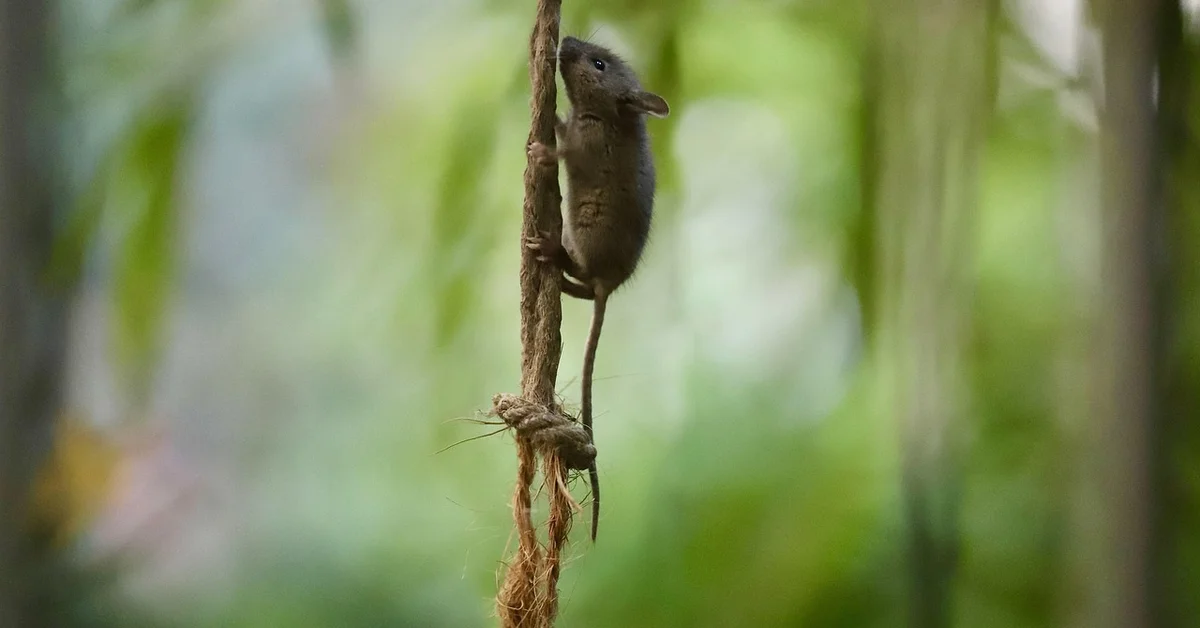
A hungry pet mouse will absolutely venture out from its nest, driven by a powerful survival instinct. Their cozy sleeping area provides security, but an empty stomach provides a stronger motivation to explore. I’ve watched my own mice, like the bold Kenny, become little furry detectives, meticulously checking every corner of their habitat long before their scheduled feeding time.
You might notice specific behaviors that signal their search for a meal:
- Increased activity and restlessness, especially during their normally calm daytime hours.
- Constant sniffing and investigation of familiar spots where food usually appears.
- Chewing on cage bars or enrichment toys, which can be a sign of both hunger and boredom.
- More frequent and deliberate trips to their food dish, even if it’s empty.
Unlike wild mice who might flee an area entirely, your pet sees its enclosure as its entire world. They won’t try to escape their home; they will simply work harder to find resources within it. My older mouse, Gregory, takes a more patient approach, often waiting by the food bowl with a look of serene expectation, while the younger ones actively forage. This insular behavior affects how well house mice fare if forced outdoors. Lacking the same instincts and steady access to shelter and food, pet mice often struggle compared with truly wild mice.
Alternative Food Sources Mice Will Seek
When their primary food source is missing, pet mice are remarkably resourceful and will turn their attention to anything remotely edible in their environment. This natural foraging behavior means you must be very careful about what materials you place in their home. These traits mirror those of the house mouse (Mus musculus), which commonly occupies human dwellings and has an opportunistic, omnivorous diet. Understanding their habitat preferences and foraging behavior helps you choose safe bedding and prevent destructive chewing.
In their quest for sustenance, a hungry mouse will investigate and attempt to consume:
- Bedding Material: Paper-based bedding might be nibbled on, though it provides no real nutritional value.
- Wooden Toys & Hideouts: They will gnaw more intensely, potentially ingesting splinters, which is dangerous.
- Fabric Items: Any cloth hammocks or fleece items become targets for chewing and accidental consumption.
- Their Own Droppings: Mice practice coprophagy, meaning they eat some of their own feces to re-digest nutrients. This is a normal behavior that increases when food is scarce.
- Stored Food: If your mouse is a hoarder, it will revisit its secret stashes scattered around the cage.
This is why providing a constant supply of proper food is so vital. It protects your mouse from turning to unsafe alternatives that could cause intestinal blockages or other health issues. I always make sure my anxious little Jeffery has a few extra crumbs or a piece of a berry hidden in a puzzle toy to ease his foraging worries.
Water Needs vs. Food Needs for Pet Mice
While both are critical, the urgency between hunger and thirst is different for these small creatures. A mouse can only survive for a very short time-often just 24 to 48 hours-without water before facing severe dehydration. Their tiny bodies lose moisture rapidly.
Compare this to food, where they might manage for a few days, though this is absolutely not recommended and causes immense stress. The hierarchy of their survival needs looks like this:
- Water: The most immediate, non-negotiable need. A dehydrated mouse will become lethargic and its health will decline rapidly.
- Main Food Source: Their standard lab block or seed mix provides balanced nutrition to maintain energy and body condition.
- Treats & Foraging Items: These satisfy their mental need to search and work for food, keeping them active and engaged.
Deprivation of either food or water triggers a strong stress response that can weaken their immune system. I check the water bottle for my mice twice daily, making sure it’s working and full, because I know that a failure there is far more critical than a slightly late meal. Their need for hydration is the quiet, constant priority that underpins all other care.
How to Prevent Food-Related Escape Attempts
Creating a Consistent Feeding Routine
Mice thrive on predictability, and a steady feeding schedule makes them feel secure in their home. Offering meals at the same times each day satisfies their natural foraging instincts and reduces the urge to wander. I’ve noticed that my own mice, like Kenny, become much calmer and less likely to test enclosure boundaries when they know exactly when food is coming. That routine also helps them associate mealtimes with the person who provides food, so mice can learn to recognize their owner’s scent and presence. Over time they may respond to an owner’s approach with excitement or calm, which is a simple form of recognition.
Follow these steps to build a reliable routine for your pets:
- Choose two specific times daily, such as morning and evening, to serve their main meals.
- Use a small, designated dish to place the food in the same spot within their habitat.
- Incorporate a tiny, healthy treat during handling or play sessions to reinforce positive associations.
- Observe their eating patterns for a week and adjust timing if they seem restless or disinterested.
Consistency not only curbs escape behavior but also helps you monitor their health through regular appetite checks.
Emergency Food Solutions for Your Mice
Life can be unpredictable, and sometimes you might run low on their usual diet. Keeping a small stash of safe, alternative foods ensures your mice never go hungry and stay content in their space. From my own scares, having backup options has prevented many anxious moments and kept my group, including little Jeffery, from getting overly curious about what’s beyond their cage. Consider the risks of a seed-only diet to better understand why diverse nutrition is key.
Here are some emergency food ideas you can rely on:
- Plain, cooked grains like rice or oats-cooled completely before serving.
- Small pieces of fresh vegetables, such as carrot or broccoli, washed thoroughly.
- A few unsalted seeds or nuts from your pantry, like pumpkin seeds or almonds, crushed for easy eating.
- Unseasoned, cooked egg or plain tofu for a protein boost in a pinch.
Always introduce new foods in tiny amounts to avoid digestive upset, and remove any uneaten portions within a few hours.
Will Mice Return After Finding Food Elsewhere?
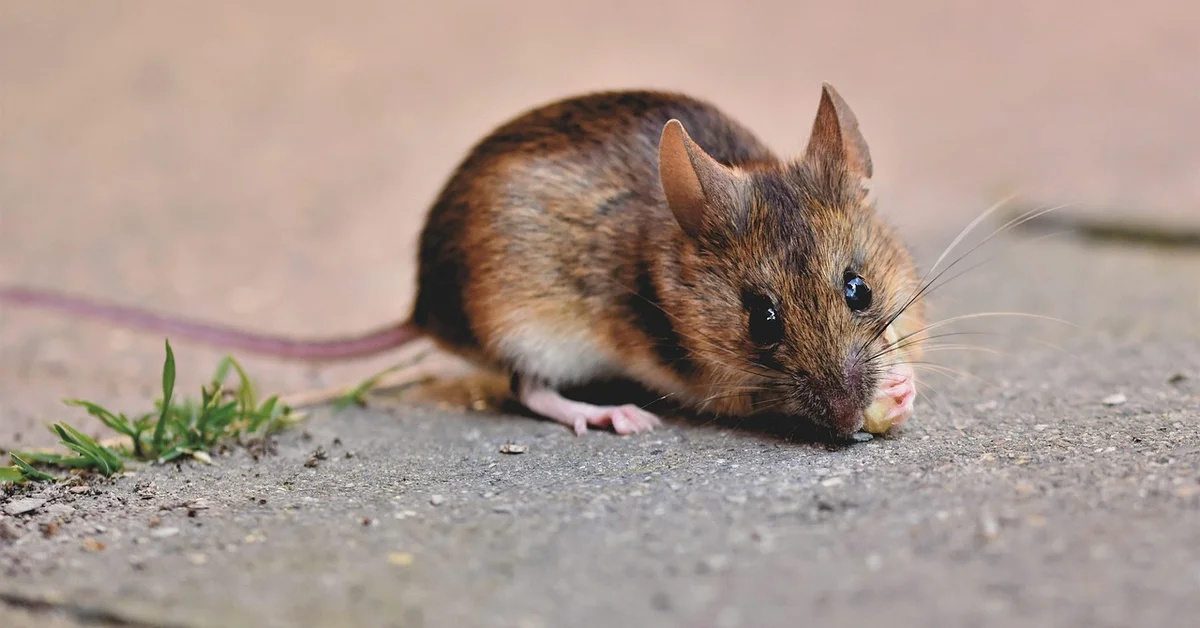
If a pet mouse manages to slip out and discovers other food sources, their return isn’t guaranteed and depends heavily on their personality and bond with you. Mice that feel safe and connected to their home environment are more likely to come back, especially if they associate you with comfort and regular meals. In my years of care, I’ve seen that calmer individuals, like Gregory, tend to stay closer to familiar territory, while adventurous ones might need more encouragement.
Factors influencing whether they’ll return include:
- How long they’ve lived with you-mice in stable homes often recognize their cage as a safe haven.
- The availability of hiding spots and stressors in your home, like loud noises or other pets.
- Their individual temperament; for instance, a bold mouse like Kenny might explore farther but still respond to familiar sounds or smells.
To improve the chances of a safe return, place their favorite treats and a familiar bedding scent near the enclosure to lure them back gently.
Frequently Asked Questions
Will mice leave if they smell a cat?
In a pet mouse setting, the scent of a cat can trigger a strong stress response, as mice instinctively view cats as predators. However, this alone is unlikely to cause them to leave a secure enclosure; instead, they may become more reclusive, hide frequently, or show signs of anxiety like reduced activity. To ensure your mice feel safe, it’s best to keep cats away from their habitat and provide plenty of hiding spots to minimize stress. This is especially important for scared or anxious pet mice.
Will mice leave if they smell peppermint?
Peppermint oil or scent is sometimes used as a deterrent for wild mice, but for pet mice, it can be irritating and cause discomfort rather than prompting them to leave. They might avoid areas with strong peppermint odors, but relying on this is not recommended, as it could lead to respiratory issues or increased stress without effectively encouraging departure. Instead, focus on maintaining a clean, secure environment to keep your mice content in their home.
Will mice leave in the summer?
Pet mice are typically housed indoors with controlled climates, so seasonal changes like summer heat don’t usually cause them to leave on their own. However, high temperatures can make them more lethargic or seek cooler areas within their enclosure, potentially increasing escape attempts if they feel uncomfortable. To prevent this, ensure proper ventilation, provide shade, and monitor the room temperature to keep your mice healthy and reduce any restlessness. If you’re wondering why they haven’t left during spring or summer, it’s because pet mice rely on the indoor environment for food, shelter and regulated temperatures and therefore have no reason to go outside. Breeding season can increase activity, but it won’t make them abandon a secure, comfortable home.
Your Path Forward
Your mice see their cage as a secure home, not just a food source, and they will not abandon it simply because a food bowl is temporarily empty. Their bond with you and their established territory means they are far more likely to wait for you to return than to try and escape a familiar, safe environment. This is why they often stash extra food in hidden spots inside the cage — a natural hoarding behavior driven by instinct and uncertainty about future food availability. Finding caches of seeds or bedding-packed treats usually means they’re creating a reliable reserve.
Focus on providing a consistent, enriching habitat with reliable meals, and you will be rewarded with the delightful companionship of a happy, settled mouse. Keep observing their unique behaviors, and you’ll continue to learn the subtle language of their needs and comforts. Understanding the varieties of fancy mouse breeds helps you recognize breed-specific traits and care requirements. That knowledge complements your careful observation and lets you tailor care to each mouse.
Further Reading & Sources
- How Long Can Mice Live Without Food? 5 Facts
- Will Mice Leave if There Is No Food?
- Blog – Will Mice Leave If There Is No Food? (Cornelius Exterminators)
Isabella is a passionate small pet enthusiast with over 8 years of experience in caring for mice. She loves sharing practical tips and heartfelt stories to help fellow mouse owners provide the best care for their tiny companions.
Understanding Mice Behavior