
Mice in Vaccine Development: Their Essential Role in Immunology
Have you ever questioned how researchers can confidently test new vaccines for safety and efficacy before they ever reach people?
Drawing from my deep experience with mice, I will clarify their indispensable part in medical science. This article will explore how mouse models simulate human immune responses, the steps involved in vaccine testing, and the ongoing innovations these creatures enable.
Understanding Mouse Models in Vaccine Research
What Makes Laboratory Mice Different from Your Pet Mouse?
While my pet mouse Kenny shares the same basic biology as his laboratory cousins, their lives and purposes are worlds apart. Laboratory mice are bred for genetic consistency, creating a predictable biological baseline that is essential for reliable scientific experiments. This is the single biggest difference; my mice are delightful genetic mutts, each with unique quirks.
Their environments could not be more different. My boys live in a complex habitat with tunnels, wheels, and foraging toys designed for mental stimulation. Research mice reside in highly controlled, sterile environments to eliminate variables that could skew immunological data, unlike their natural counterparts used for ecological and scientific studies. Their diet is a precise, uniform formula, whereas I enjoy figuring out which treats make my mice the happiest.
- Genetics: Lab mice are often inbred strains, while pet mice are genetically diverse.
- Environment: Labs provide sterile housing; pets thrive in enriched, stimulating homes.
- Purpose: Research aims for collective data; pet ownership focuses on individual well-being.
- Health Status: Laboratory mice are specific pathogen-free (SPF), a level of health monitoring that is impractical for a home pet owner.
Types of Specialized Mouse Models Used in Immunology
Scientists have developed remarkable tools to study human diseases in mice. Inbred strains, like the common C57BL/6 mouse, act as genetic carbon copies, allowing researchers to compare results across global laboratories with confidence. This consistency is the bedrock of reproducible immunology research.
Some of the most advanced models are truly fascinating feats of genetic engineering. Humanized mice are engineered to carry functional components of a human immune system, letting us see how a human cell might respond to a new vaccine candidate. It’s a bridge between mouse biology and our own; designer mouse models like these help us understand complex biological processes.
- Inbred Strains: Genetically identical populations used for consistent, repeatable studies.
- Knockout Mice: These models have specific genes deliberately deactivated to understand that gene’s role in immune function.
- Transgenic Mice: They carry introduced foreign genes, allowing scientists to study specific immune proteins or responses.
- Humanized Mice: Engineered with human immune cells or tissues to better mimic human vaccine responses.
How Mice Help Scientists Test Vaccine Safety and Effectiveness
The Immune Response: What Vaccines Trigger in Mice
Watching my mice explore tells me a lot about their curious nature, and in a lab, scientists watch a different kind of exploration-the immune system’s response to a vaccine. When a vaccine is administered, it presents antigens, which are like wanted posters that teach the mouse’s immune system to recognize a specific pathogen.
The body’s reaction is a coordinated cascade. Specialized cells grab these antigens and present them to T-cells and B-cells, effectively training an army of immune soldiers to fight the real infection in the future. This process leads to the production of antibodies, the body’s targeted missiles, and memory cells that provide long-lasting protection.
- Antigen Presentation: The initial “show and tell” phase that kicks off the immune response.
- T-cell Activation: These cells coordinate the attack and can directly destroy infected cells.
- B-cell Response: These cells mature into factories that produce vast quantities of specific antibodies.
- Immune Memory: The ultimate goal, creating long-lived cells that remember the pathogen for years.
From mRNA to Traditional Vaccines: Testing Approaches
The fundamental goal of vaccine testing in mice is the same, whether the technology is brand new or decades old: prove it’s safe and that it works. Researchers start by carefully injecting groups of mice with various vaccine formulations, including mRNA, viral vector, or inactivated virus vaccines. They then monitor the mice closely for any signs of illness or adverse reactions.
The next critical phase is the challenge study. After the immune system has had time to respond, scientists expose the vaccinated mice to the actual, live pathogen to see if the vaccine provides real-world protection. This is the ultimate test of effectiveness, demonstrating whether the immunological training was successful.
- Dose-Finding Studies: Determining the minimum effective and safe dose of the vaccine.
- Immunogenicity Trials: Measuring the strength and type of immune response generated (e.g., antibody levels).
- Safety Profiling: A thorough check for any negative side effects or toxic reactions.
- Challenge Studies: The controlled exposure to the real pathogen to confirm protection.
What Pet Mouse Owners Can Learn from Immunology Research

Do Pet Mice Need Vaccines?
You will never need to take your pet mouse to the vet for a vaccination shot. The controlled environment of a loving home is their greatest protection, making routine vaccines unnecessary for our tiny companions. Laboratory mice live in a completely sterile, germ-free bubble to ensure research data isn’t skewed by random infections.
Our homes are wonderfully full of life, which means our mice build robust immune systems simply by living in them. Their bodies become adept at handling the common microbes found in our environments through constant, low-level exposure. I’ve noticed that my own mice, like the curious Kenny, seem to develop a certain resilience over time, bouncing back quickly from minor sniffles that might have troubled them when they were new. By contrast, mice kept in barren, unstimulating environments often develop learned helplessness — a passive, stressed state that reduces their resilience. Such conditions can lead to poorer health and slower recovery compared with the enriched settings of our homes.
How Research Mice and Pet Mice Differ in Health and Immunity
The life of a research mouse is one of extreme isolation for the sake of scientific purity. In a lab, the environment is highly controlled—sterile cages, filtered air, regimented diets, and minimal social contact—so microbial exposures are far lower than in a home. This fundamental difference in lifestyle creates a vast immunological gap between a lab specimen and a cherished pet. Your mouse’s immune system is a seasoned traveler, accustomed to the world you share.
Research models are genetically identical and raised in hyper-sterile conditions, which makes them perfect for controlled experiments but poorly equipped for a normal life. Your pet mouse’s diverse genetic background and varied environment give it a much more flexible and adaptable defense system. My older mouse, Gregory, has a calm, steady demeanor that seems to reflect a well-balanced constitution built over years in a stimulating home.
Common Infections in Pet Mice vs. Research Models
While research facilities worry about pathogens that could ruin months of data, pet owners face a different, more manageable set of concerns.
- Respiratory Infections: The most common issue for pet mice, often triggered by dust from certain beddings or slight drafts.
- Skin Mites: These tiny parasites can appear even in clean cages, usually when a mouse is stressed or its immune system is temporarily low.
- Digestive Upsets: Sudden changes in diet or sneaking the wrong human food can disrupt their delicate gut balance.
Research colonies, in contrast, are shielded from these everyday ailments, but would be highly vulnerable to them if exposed. Their lack of natural immunity is precisely why their environments are so strictly controlled.
Understanding Your Mouse’s Natural Defenses
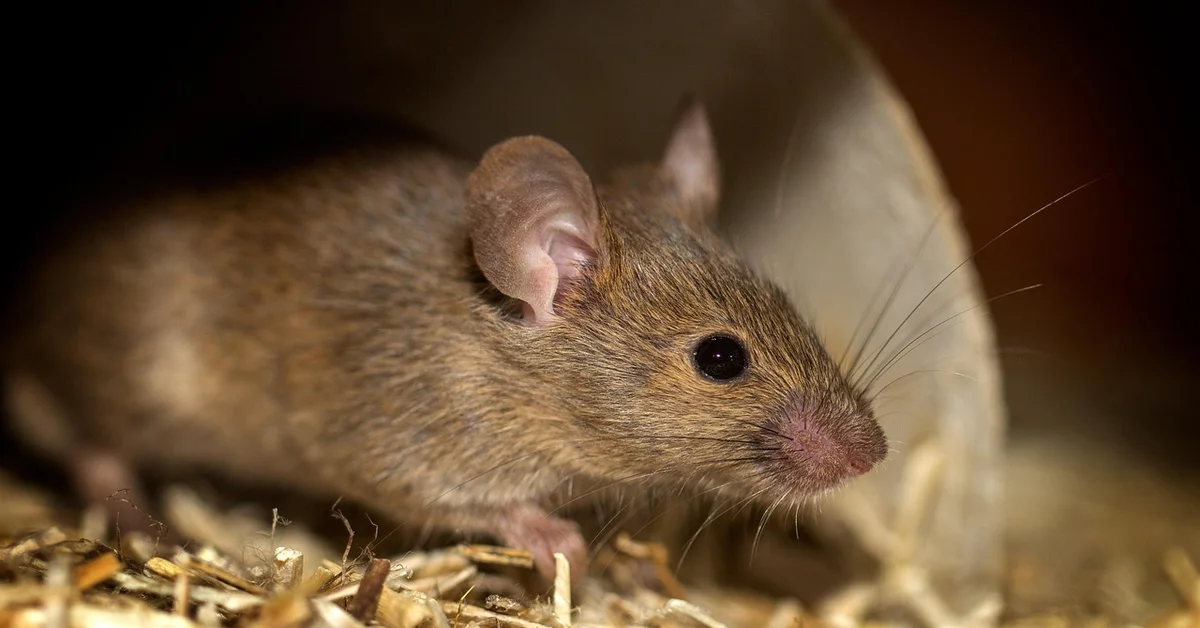
Your mouse is born with a sophisticated personal bodyguard service that works around the clock. Observing your mouse’s daily habits—like grooming and burrowing—is to watch its primary defense mechanisms in action. This self-cleaning ritual distributes natural oils that protect their skin and fur from moisture and microbes. Mice devote a surprising amount of time each day to grooming—licking, nibbling, and combing their fur with their paws—to remove dirt and parasites. These self-cleaning behaviors are essential for hygiene and social signaling among mice.
A healthy gut is the cornerstone of a strong immune system for your mouse. Providing a consistent, high-quality diet rich in fiber is the single best thing you can do to support their internal army of beneficial bacteria. I always ensure my mice, especially the smaller Jeffery, have access to a variety of crisp vegetables and a steady supply of their main lab blocks to keep everything running smoothly.
Stress is the silent enemy of your mouse’s immune function. Creating a habitat with deep bedding for burrowing, plenty of hiding spots, and a consistent routine provides the emotional security that keeps their natural defenses operating at peak performance. A calm mouse is a healthy mouse, and a simple, peaceful environment is their best medicine. Chronic stress can lead to stress-related illnesses in mice, making them more prone to infections, weight loss, and poor coat condition. Minimizing stress through proper care therefore helps prevent these health problems.
Frequently Asked Questions
How do domestic mice differ from wild mice?
Domestic mice, such as those kept as pets, are bred for traits like docility and adaptability to human environments, often resulting in varied genetics and reliance on owners for consistent food and shelter. In contrast, wild mice live in natural habitats where they develop robust survival skills, stronger immune responses to diverse pathogens, and behaviors suited to foraging and evading predators, making them generally more resilient but potentially carriers of diseases that could pose risks in shared spaces. House mice released or escaping outdoors often struggle to survive because they lack the hardened survival traits of wild mice. However, in urban or sheltered outdoor settings where food and shelter are available, some house mice can adapt and persist.
For pet mouse owners, this means that domestic mice thrive in controlled, enriched homes with minimal stress, while understanding these differences can help in providing appropriate care, such as avoiding exposure to wild mice to prevent potential health issues like infections or parasites. When weighing the pros and cons of keeping mice as pets, these health and behavior differences are important considerations. Understanding them helps potential owners decide if the benefits—like companionship and low space needs—outweigh the extra care and disease-prevention responsibilities.
What is a mouse vaccine?
A mouse vaccine in research is a biological preparation designed to stimulate an immune response in laboratory mice, mimicking how vaccines work in humans to study disease prevention or treatment. These are used to test safety and efficacy before human trials, but they are not administered to pet mice, as their controlled home environments and natural immunity make such interventions unnecessary and impractical.
For those caring for pet mice, this highlights that a healthy lifestyle—including a balanced diet, clean habitat, and stress reduction—is the best way to support their immune health, rather than relying on vaccines, which are reserved for scientific studies to advance human and animal medicine. A preventative mouse health guide can translate these principles into practical steps—covering proper diet, habitat maintenance, and routine monitoring—to help owners prevent disease and detect problems early. Regular husbandry and veterinary check‑ups are the cornerstone of effective prevention.
How are mRNA vaccine mouse models developed?
mRNA vaccine mouse models are developed by genetically engineering mice to incorporate human genes or immune system components, allowing researchers to study how mRNA vaccines trigger immune responses against diseases like COVID-19. This involves techniques like inserting human ACE2 receptors or immune cells, enabling the mice to simulate human reactions and evaluate vaccine effectiveness and safety in a controlled setting.
While this research doesn’t directly apply to pet mice, it underscores the importance of maintaining a stable and clean environment for your pets, as their immune systems rely on consistent care rather than genetic modifications. By providing proper nutrition and minimizing stressors, owners can help their mice build natural defenses similar to the resilience seen in these advanced models. This is especially important to prevent hostile behaviors, such as fighting among mice, which can be a sign of stress or poor conditions.
Final Thoughts
Mice have been indispensable partners in immunology, driving vaccine breakthroughs that safeguard human and animal health alike. Their unique biological similarities to humans make them powerful allies in uncovering lifesaving treatments.
As someone who cherishes my own mice, I find joy in knowing that their species contributes so much to our well-being. By providing a nurturing home for your pet mice, you’re celebrating a legacy of resilience and discovery.
Further Reading & Sources
- Advancing Human Vaccine Development Using Humanized Mouse Models – PMC
- mRNA vaccines induce rapid antibody responses in mice | npj Vaccines
- What Is the Predictive Value of Animal Models for Vaccine Efficacy in Humans? Reevaluating the Potential of Mouse Models for the Human Immune System – PMC
Isabella is a passionate small pet enthusiast with over 8 years of experience in caring for mice. She loves sharing practical tips and heartfelt stories to help fellow mouse owners provide the best care for their tiny companions.
Mice in Science & History