
Spring & Summer Mice: Why They Stay and How to Respond
Have you spotted more mouse activity around your home now that the weather is warmer, wondering why they haven’t just moved outside? You’re not alone in this seasonal puzzle, and the reasons are often tied to their constant search for food and safe nesting spots.
This guide will walk you through the simple, effective steps to manage these uninvited guests. We’ll cover why mice remain active in warmer months, how to mouse-proof your home effectively, and the most humane methods for encouraging them to leave.
Why Spring and Summer Mice Don’t Leave on Their Own
Many people assume that as the weather warms, mice will naturally return to the outdoors. This is a common misconception, as house mice are not seasonal migrants but opportunistic residents. Their biology and behavior are wired for survival, not seasonal vacations.
Breeding Season Drives Mice to Stay Put
The warm months trigger a powerful biological imperative. A single female mouse can produce a new litter of 5 to 10 pups every three weeks throughout the spring and summer. This explosive population growth creates intense pressure to find and keep safe nesting sites. A pregnant or nursing mouse is at her most vulnerable and will fiercely defend her established nest. The energy required to move her young is immense, making a secure, familiar location invaluable. She simply won’t abandon it.
Your Home Offers What Outdoor Spaces Can’t
From a mouse’s perspective, your home is a five-star resort with all-inclusive amenities that the wild cannot reliably provide.
- Uninterrupted Buffet: Consistent access to pantry items, unsealed pet food, and even compost bins beats foraging for unpredictable wild seeds.
- Premium Building Materials: Insulation, shredded paper, fabric, and cardboard offer superior, dry nesting materials compared to damp grass and leaves.
- Hydration Stations: Dripping faucets, pet water bowls, and condensation provide easier water sources than morning dew.
- Total Security: Walls and ceilings offer a near-impenetrable fortress against owls, foxes, and cats.
- Climate Control: Your home maintains a stable, comfortable temperature, free from scorching heat, downpours, or chilly nights.
My own mice, like the ever-curious Kenny, demonstrate this desire for a controlled environment; even with a lavish cage setup, they seek out the most stable, cozy corners for their nests.
Once Settled, Mice Become Permanent Residents
Mice are creatures of profound habit and territory. They navigate using scent trails and will return to a known food and shelter source even after being physically removed a significant distance. They mark their pathways with pheromones, creating a scented roadmap directly back to your home. If you see a mouse vanish for a day or two, it doesn’t mean it’s gone for good. To know when mice are gone, check for no fresh droppings, gnaw marks, greasy rub marks, or nighttime scurrying for several days. Only then—and after disrupting scent trails and sealing entry points—can you be confident they’re gone. It’s often just exploring an adjacent area within its established territory, like moving from the attic to the wall voids, and will inevitably return to its core nesting site. Without intervention that disrupts these trails and blocks access, they are there to stay.
Signs You Have Uninvited Mice in Your Home
Mice are secretive, but they always leave behind evidence of their tenancy. Learning to read these subtle clues is your first line of defense in identifying an active problem.
- Droppings: Look for small, dark, rod-shaped pellets, about the size of a grain of rice. Fresh droppings are soft and shiny, while old ones become hard and crumbly. Check along baseboards, in cupboards, and in drawers.
- Gnaw Marks: Mice must constantly chew to keep their ever-growing incisors filed down. You’ll find rough, small gnaw marks on food packaging, wood, wires, and even plastic.
- Scratching Noises: Listen for light scurrying, scratching, or gnawing sounds coming from inside walls, ceilings, or under floors during the night when they are most active.
- Grease Marks: As mice repeatedly travel the same routes along walls, their oily fur leaves dark smudges.
- Nests: They build messy nests from shredded materials like paper, insulation, and fabric, often hidden in secluded spots like storage boxes or behind appliances.
- Musky Odors: A persistent, ammonia-like smell can indicate a significant, established population.
If you aren’t finding droppings, it doesn’t necessarily mean you’re in the clear. A lack of visible droppings can point to a very new infestation, a very small population, or activity that is entirely contained within your walls or attic. My older mouse, Gregory, is a master at hiding his mess in one specific corner of his habitat, reminding me that a clean surface doesn’t always mean an empty one.
How to Tell When Mice Have Actually Left
Determining if your efforts have been successful requires patience and detective work. Mice won’t send a forwarding address.
- The Flour Test: Lightly dust suspected runways and entry points with flour or talcum powder overnight. Check for fresh paw prints in the morning.
- Monitor for Fresh Signs: Clean all areas thoroughly and check daily for new droppings, gnaw marks, or greasy smudges. No new signs for a full week is a strong indicator.
- Listen Intently: Spend time in quiet areas of your home during the evening. The absence of the familiar scurrying and scratching is a very good sign.
- Inspect Previous Hotspots: Check known nesting areas and active pathways. If they remain undisturbed and free of new debris, the mice have likely moved on or been eliminated.
If you suspect mice are not coming out of the walls, your focus should shift to listening and looking for secondary signs like noises or droppings appearing in new locations, indicating they have expanded their territory. Pay attention to mouse wall sounds—soft scratching, scurrying, or gnawing—especially at night, as these noises often reveal hiding spots and activity patterns. Noting when and where you hear them can help pinpoint entry points and nests.
What Mice Need and How to Remove Those Attractions

Mice stick around because your home offers everything they crave-food, water, and cozy spots to nest. By methodically removing these comforts, you make your space far less inviting to wild visitors. Start with a thorough home audit, focusing on sanitation and habitat changes that disrupt their routines without upsetting your own pet mice’s environment. For more tips, especially for tricky areas like walls and attics, see how to get rid of mice in walls, attics, and crawl spaces.
Food Sources That Keep Mice Around
Wild mice are opportunistic eaters, and even tiny crumbs can sustain them. Store all pet foods-for dogs, cats, and your own mice-in airtight containers made of glass or thick plastic. Sealing food cuts off their food source and masks the odors that attract mice, making your home less inviting to rodents. Proper storage is one of the simplest, most effective ways to prevent an infestation. I use locking bins for my mice’s seed mix after noticing Kenny’s bold attempts to sneak extra snacks. Clean food bowls daily and sweep up spills immediately to avoid leaving traces.
- Transfer bulk pet food into sealed containers right after purchase.
- Wipe down counters and pet feeding areas with vinegar solution each night.
- Place pet mouse food inside their secure enclosure only during supervised mealtimes.
- Empty and scrub garbage cans weekly, using lids that snap shut tightly.
Nesting Sites in Common Home Areas
Mice seek dark, quiet corners to build nests, often in places you rarely check. Regularly inspect attics, basements, and spaces behind refrigerators or stoves for shredded materials or droppings. When I reorganize, I gently disrupt potential nests by moving stored items and vacuuming dust from voids. Keep clutter off floors and seal gaps in walls to deny them hiding spots. Also, make sure to check common entry points and nesting spots to prevent new infestations.
- Check behind large appliances monthly-mice love the warmth and seclusion.
- Use clear storage bins instead of cardboard boxes in garages or closets.
- Trim garden plants back from your home’s foundation to reduce outdoor nesting.
- Install mesh covers over vent openings to block entry while allowing airflow.
Safe Removal Methods When You Have Pet Mice
Dealing with wild mice while caring for pets like my trio-Kenny, Gregory, and Jeffery-requires extra caution. Focus on strategies that protect your furry friends while effectively encouraging wild mice to move on. If you feel stuck, remember that persistence and pet-safe adjustments usually bring results over time.
Rodent Exclusion: Sealing Entry Points
Mice can squeeze through openings as small as a pencil width, so sealing gaps is your first defense. Combine steel wool with silicone caulk to fill holes-mice can’t chew through this gritty barrier. Always double-check that your pet mouse enclosure has no loose lids or gaps, as escapes can lead to dangerous encounters.
- Inspect your home’s exterior and interior for cracks near pipes, windows, and doors.
- Stuff steel wool into holes, then cover with caulk for a durable seal.
- Use hardware cloth to cover larger gaps in vents or under decks.
- Test pet cage latches and seams weekly to ensure they’re escape-proof.
Trap Options That Work (and Which to Avoid)
Choosing the right trap matters immensely when pet mice share your home. Snap traps placed in secluded, wild mouse hotspots offer quick results, while live traps allow for humane release outdoors. If you use a live trap, check it often and handle captured mice gently with gloves. Release them into suitable habitat well away from homes and in accordance with local wildlife regulations. Never use glue traps or rodenticides – they cause prolonged suffering and pose grave risks to pets if ingested or contacted.
- Set snap traps along walls where wild mice travel, baited with peanut butter.
- Position live traps in garages or sheds, well away from your pet’s living area.
- Check traps twice daily to prevent stress or harm to any caught animals.
- If your pet mouse escapes, temporarily remove traps and use treats to lure them back.
Natural Deterrents and Their Limitations
Many natural repellents sound appealing but often fall short in practice. Peppermint oil may briefly mask scents, yet its effect wears off quickly and the strong odor can stress sensitive pet mice. Ultrasonic devices claim to repel pests with high-frequency sounds, but they rarely work as advertised and might disturb your pets’ peace.
- Use cotton balls with peppermint oil in problem areas, but replace them every few days.
- Avoid placing repellents near your pet mouse cage to prevent anxiety.
- Combine natural methods with exclusion for better, though not guaranteed, results.
- Focus on proven tactics like sealing entry points over relying solely on deterrents.
When to Call a Professional Exterminator
Sometimes, a mouse issue grows beyond what you can handle alone, especially with pets in the mix. Contact a pro if you spot persistent droppings, hear scratching in walls at all hours, or find nests in hard-to-reach spots. Always inform exterminators about your pet mice upfront and ask for pet-safe integrated pest management plans.
- Look for companies that use exclusion and trapping instead of poisons.
- Request a pre-treatment inspection to identify risks to your pets.
- Prepare to temporarily relocate your pet mice during intense treatments.
- Discuss follow-up visits to ensure the problem resolves without recurrences.
Protecting Your Pet Mice During Wild Mouse Removal
When wild mice invade your home, your first instinct is to protect your tiny, domesticated family members. Your pet mice are completely dependent on you to create a safe bubble for them while you handle the intruders. I’ve navigated this stressful scenario, and a careful, methodical approach is what kept my boys—Kenny, Gregory, and Jeffery—calm and healthy throughout the process. If you have children, teaching gentle handling, proper handwashing, and close supervision will keep both the kids and your mice safe. Below are simple, kid-friendly rules to follow when handling pet mice.
Health Risks Wild Mice Pose to Pet Mice
Wild mice are not just uninvited guests; they are potential carriers of illness that can devastate your pet’s delicate systems. The most significant threat is the silent transfer of pathogens through the air, on surfaces, or via parasites. I always watch my pets extra closely for any subtle changes in behavior during this time. That’s why a dangerous zoonotic diseases guide is so useful. It explains common infections, signs to watch for, and steps to protect your pets and home.
- Disease Transmission: Wild rodents can carry viruses like LCMV (Lymphocytic Choriomeningitis Virus) and bacteria such as Salmonella, which can be shed in their urine and droppings.
- Parasite Transfer: Mites and fleas can hitch a ride from a wild mouse into your home and find a new home on your unsuspecting pets, causing intense itching and skin irritation.
- Environmental Stress: The mere scent and sounds of wild mice can cause chronic stress in your pets, leading to a suppressed immune system and making them more susceptible to other illnesses.
- Food and Bedding Contamination: Always store your mouse food in sealed, airtight containers and keep bedding in a closed bag to prevent wild mice from contaminating these supplies.
To monitor your pet’s health, I perform a quick daily check. I look for signs like lethargy, changes in appetite, ruffled fur, or excessive scratching. A sudden change in your mouse’s usual personality, like my typically bold Kenny becoming withdrawn, is a major red flag.
Keeping Treatments Away from Pet Areas
Poisons, traps, and even some repellents are designed to be harmful to rodents, and they do not distinguish between wild and pet mice. The golden rule is to create a complete physical separation between your pest control efforts and your pet’s living space.
Here is the room-by-room strategy I follow:
- Temporary Relocation: Move your pet’s cage to a different, well-ventilated room where no treatments will occur. A bathroom or a second bedroom is ideal.
- Establish a Safe Zone: Maintain a minimum buffer of at least two rooms between your pets and any traps or baits. For aerosol sprays or foggers, the entire home may need to be vacated for the recommended time on the label.
- Secure the Cage: Ensure the cage lid is securely fastened. A stressed wild mouse might attempt to enter what it perceives as a safe habitat, and a stressed pet mouse might try to flee.
- Post-Treatment Cleaning: After treatments are complete and dead wild mice are removed, thoroughly clean the home. Vacuum and mop all floors, especially in the room where your pets will return.
- Final Ventilation: Open windows in the treated areas for several hours to air out any chemical residues before bringing your pets back to their usual spot.
Wash your hands thoroughly with soap and water every single time you handle pest control materials before you go near your pet’s cage. This simple step prevents you from accidentally transferring harmful substances.
Prevention: How to Stop Mice from Coming Back
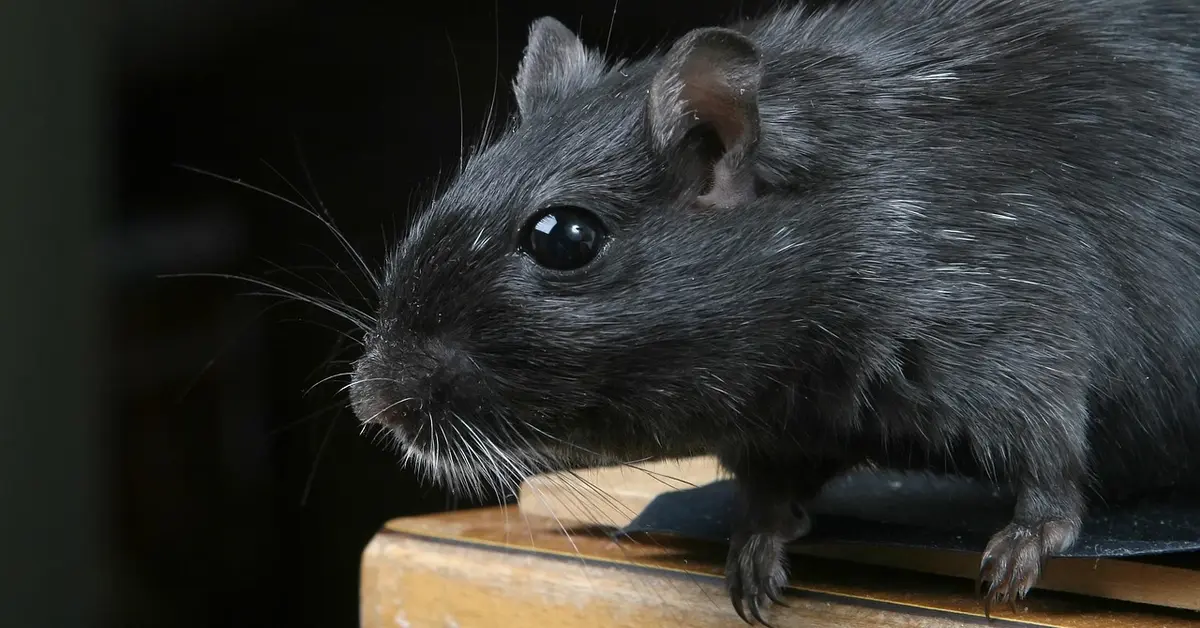
Successfully evicting wild mice is only half the battle; the real victory is making your home so unappealing that they never return. Think of your home as a fortress, and your job is to continually maintain its defenses. An ounce of prevention is truly worth a pound of cure when it comes to mice.
If you find that mice keep returning, it usually means there’s an entry point you’ve missed or a consistent attractant like a hidden food spill. Troubleshoot by looking for the least obvious gaps, like where utility pipes enter through walls or under kitchen cabinets.
Monthly Inspection Checklist
I set a calendar reminder for the first weekend of every month to do a quick walk-through. This proactive habit takes less than 15 minutes and provides immense peace of mind.
- Exterior Walls: Check the outside foundation for new cracks or holes. Seal any larger than a pencil width.
- Doors and Windows: Feel for drafts. Ensure weather stripping is intact and door sweeps create a tight seal.
- Utility Lines: Inspect areas where pipes, cables, and vents enter the house. Fill gaps with coarse steel wool and caulk.
- Pet Food Storage: Confirm your mouse food, seeds, and treats are in hard plastic or glass containers with sealed lids.
- Signs of Activity: Look for fresh droppings, greasy rub marks along baseboards, or evidence of gnawing in pantries or closets.
Seasonal Prevention Steps
Spring and summer present unique challenges as wild mouse populations boom and they seek cool, sheltered places to nest. Their life cycles drive increased breeding and nesting, expanding territories and raising competition for shelter. Tracking nests and territorial behavior reveals seasonal population shifts.
- Spring (The Great Thaw): As things warm up, mice become more active. This is the time to do a major deep clean of your garage, shed, and storage areas. Clear away clutter where mice could hide.
- Summer (The Search for Shelter): The heat drives mice indoors for cool relief. Be extra vigilant about keeping screen doors closed and ensuring attic and crawl space vents are covered with fine mesh hardware cloth.
- Landscaping: Keep shrubbery, vines, and tree branches trimmed back at least a foot from your home’s exterior. This removes the natural highways mice use to access your roof and upper-level vents.
Maintaining a clean kitchen, free of crumbs and accessible food, is the single most effective year-round deterrent you can practice. A tidy home offers no reward for a curious wild mouse looking for its next meal.
Frequently Asked Questions
Why are my mouse removal methods not working?
If your efforts to get mice to leave aren’t effective, it’s often because they still have access to essential resources like food, water, or shelter. Mice are highly adaptive and may avoid traps or deterrents if they feel threatened or find safer routes. Ensure you’ve sealed all entry points with materials like steel wool and caulk, and consistently remove attractants like unsealed pet food to disrupt their habits.
What should I do if mice keep coming back?
To prevent mice from returning, focus on long-term exclusion and sanitation. Regularly inspect your home for new gaps or cracks, especially near foundations and utility lines, and maintain a clean environment by storing pet food in airtight containers. Combining these steps with ongoing monitoring, like using the flour test to check for activity, will help make your home less inviting over time.
Is it normal for mice to stay hidden in walls without coming out?
Yes, mice often nest and travel within wall voids or other enclosed spaces, which can make them hard to detect. They may only venture out briefly for food or water, so a lack of visible activity doesn’t mean they’re gone. Listen for scratching noises at night and look for secondary signs like droppings in new areas to confirm their presence and adjust your removal strategy accordingly.
Your Path Forward
Your mice remain with you because your home is their entire world, a place of consistent safety and comfort that transcends the wild’s seasonal rhythms. Their needs are simple: a stable environment, your gentle companionship, and the reliable routine you provide.
Trust your instincts as their caretaker-your keen observation of their unique personalities and subtle behaviors is the most powerful tool you have. Continue offering them enriching activities and a calm habitat, and you will navigate any seasonal curiosity together with confidence and care.
Further Reading & Sources
- The Changing Seasons | doh
- How mice are affected by the changing of seasons
- Rodent Season: When Do Mice and Rats Come Out?
Isabella is a passionate small pet enthusiast with over 8 years of experience in caring for mice. She loves sharing practical tips and heartfelt stories to help fellow mouse owners provide the best care for their tiny companions.
Mouse-Proofing & Prevention