
What’s the Difference?: Mouse vs. Rat vs. Vole vs. Shrew
Have you ever seen a small, quick animal dart by and felt unsure if it was a mouse, rat, vole, or shrew? Many people find these creatures confusing, but this guide will give you a clear, easy way to tell them apart and understand their unique traits.
We will explore their body sizes and shapes, distinct behaviors and diets, and where each one typically lives so you can confidently identify them in your own surroundings.
How Mice and Rats Compare: The Core Differences
Physical Features That Set Mice and Apart
At first glance, mice and rats might seem like scaled versions of the same animal, but a closer look reveals distinct features. Mice are notably more petite, typically weighing a mere half-ounce to one ounce, making them feel like tiny, delicate creatures in your hand. Their bodies are more compact, with large, expressive ears and long, slender tails covered in a fine layer of hair. Rats are substantially larger and heavier, often tipping the scales at over half a pound. Their proportions are different, too; they possess smaller ears relative to their head size and thicker, scalier tails that can feel surprisingly cool to the touch.
- Size: Mice are small and lightweight; rats are large and robust.
- Ears: Mice have large, prominent ears. Rats have smaller, more proportional ears.
- Tail: A mouse’s tail is thin and slightly hairy. A rat’s tail is thick, scaly, and nearly hairless.
- Snout: Mice have a more pointed, triangular face. Rats have a blunter, broader muzzle.
Behavioral Differences Between Pet Mice and Rats
Their physical differences are just the beginning; their personalities and needs are worlds apart. Pet rats are famously sociable with people, often seeking out interaction and forming deep bonds with their owners, while pet mice are more like delightful observers of their world. My mouse, Kenny, is endlessly curious and will investigate anything new in his cage, but he prefers his adventures to be largely self-directed. Rats thrive on direct, hands-on playtime and can even learn tricks. Mice find immense joy in complex environments with tunnels, wheels, and things to climb, often displaying their contentment through energetic “popcorning” jumps. If you’re deciding between the two, these behavioral differences can help you choose the best companion. Read the “mice vs rats guide” — clear, concise, and an exact match for the link’s topic — below to learn how to tell them apart and match their needs to your lifestyle.
- Social Needs: Rats require companionship from other rats and daily human interaction. Mice are happy with mouse companions but are more independent from people.
- Handling: Rats generally enjoy being held and cuddled. Most mice tolerate handling but rarely seek it out.
- Activity: Mice are often most active at dawn and dusk. Rats adapt more readily to their owner’s daytime schedule.
- Intelligence: Both are clever, but rats often show more complex problem-solving skills and can be trained more extensively.
Droppings, Tracks, and Other Signs
If you’re trying to identify a visitor in your home or garden, look for these telltale signs. Mouse droppings are small, pointed, and resemble dark grains of rice, while rat droppings are much larger, blunter, and look like shiny black capsules. You might also notice tracks; mouse footprints are tiny and delicate, often with a tail drag mark between them. Rats leave more substantial prints without a prominent tail mark. Gnaw marks differ, too—mice create small, neat holes, and rats leave large, rough-edged grooves on wood or wires. These differences are useful for basic rodents classification: true mice (genus Mus) are small Muridae rodents, while common rats (genus Rattus) are larger members of the same order, Rodentia. Observing droppings, tracks and gnawing patterns helps narrow down which group you’re dealing with.
- Droppings: Mouse: 1/8 to 1/4 inch, pointed ends. Rat: 1/2 to 3/4 inch, blunt ends.
- Gnaw Marks: Mice make clean, small holes. Rats create large, ragged grooves.
- Nests: Mice build nests from shredded soft materials like paper. Rats use a broader range of bulky materials, including insulation.
What Makes a Vole Different from a Mouse
Identifying Voles by Their Physical Characteristics
Voles are often mistaken for mice, but they have a very different build and look once you know what to search for. A vole’s body is stout and compact, with a noticeably shorter tail and a blunter, rounded head that gives it a distinctly different silhouette from the sleek, graceful mouse. Their ears are also smaller and often partially hidden by their fur. While a mouse’s eyes are prominent and bright, a vole’s eyes are smaller and less conspicuous. Their fur tends to be a more uniform brown or gray, lacking the color variations you often see in house mice. Both are small mammals in the order Rodentia, but voles and mice belong to different groups and show distinct physical and behavioral differences. Noting these traits makes it easier to tell these rodents apart in the wild or around homes.
- Body Shape: Voles are stocky and stout. Mice are slender and agile.
- Tail Length: A vole’s tail is less than half its body length. A mouse’s tail is nearly as long as its body.
- Head and Snout: Voles have a blunt, rounded face. Mice have a pointed, triangular face.
- Ears: Vole ears are small and furry, often hidden. Mouse ears are large and prominent.
Vole Behavior and Habitat Clues
You’re far more likely to encounter a vole outdoors than in your home, as their behavior is tied to a completely different environment. Voles are dedicated herbivores that create intricate runway systems through grass and just under the soil surface, while mice are opportunistic omnivores that will explore both fields and human dwellings. If you see snaking trails of damaged grass in your lawn or find the bark neatly gnawed at the base of your trees, you are likely looking at the work of a vole. They spend most of their lives in these underground or ground-level runways, which is a stark contrast to the climbing, exploring nature of a mouse. By contrast, common mice often make their homes inside and around buildings. You’ll typically find them nesting in wall voids, attics, basements, garages, kitchens, or pantries, using shredded paper, insulation, and fabric to build cozy nests.
- Diet: Voles eat roots, tubers, and bark (strictly herbivorous). Mice eat seeds, grains, and insects (omnivorous).
- Habitat: Voles live in fields, meadows, and lawns. Mice can live in fields but readily adapt to homes and barns.
- Movement: Voles create and use surface runways in grass. Mice are agile climbers and vertical explorers.
- Burrowing: Voles dig shallow, extensive tunnel networks. Mice may burrow but also nest in existing cavities and high spots.
Shrews Are Not Rodents: Key Distinctions
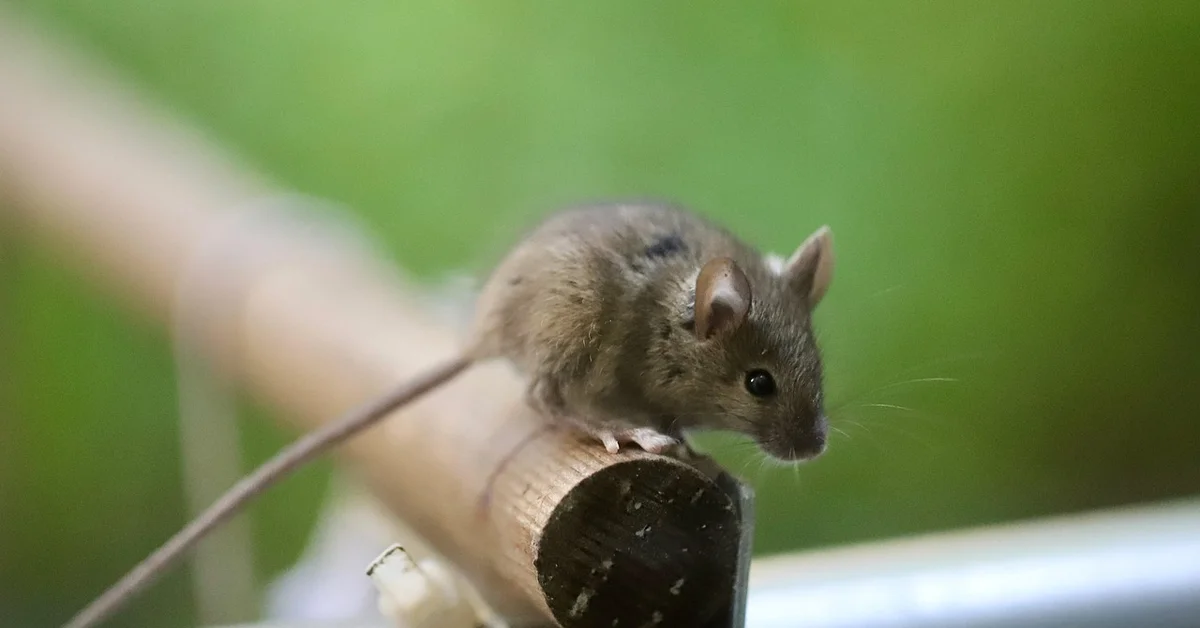
Many people lump all small, scurrying creatures together, but shrews belong to an entirely different biological order called Eulipotyphla. This fundamental classification means their teeth, skull structure, and even their metabolism are worlds apart from the rodents we keep as companions. While my mice have ever-growing incisors that need constant gnawing, a shrew’s teeth are fixed and designed for a specific, carnivorous purpose. By contrast, a mouse’s skeleton — with a flexible spine, narrow ribs, and joints that allow compression — lets it flatten its body and slip through very small openings. Those unique skeletal features explain why mice, unlike shrews, can squeeze into tight spaces.
Why Shrews Don’t Make Pets
From my years of caring for small animals, I can confidently say shrews are one of the most challenging and unsuitable candidates for a household pet. Their needs are simply too specialized for a captive environment.
- Extremely High Metabolism: A shrew must eat almost constantly, every 2-3 hours, to avoid starvation. This frantic feeding schedule is unsustainable for even the most dedicated owner.
- Strict Insectivore Diet: You cannot feed a shrew mouse food. Their diet consists almost entirely of live insects, worms, and other small invertebrates, which is difficult and expensive to provide consistently.
- Nervous and High-Strung Disposition: Unlike my curious mouse Kenny, who seeks interaction, shrews are notoriously high-strung. They stress easily and are not inclined toward any form of handling or socialization.
- Specialized Venom: Some shrew species possess venomous saliva to subdue prey. While not typically dangerous to humans, it’s a clear indicator they are wild predators, not docile pets.
Attempting to keep a shrew is a disservice to the animal, as its complex biological needs for a specific diet and near-constant activity cannot be met in captivity. They are fascinating creatures best observed and appreciated in the wild.
Size, Tail Length, and Body Proportions Compared
Visual identification is your best tool for telling these animals apart at a glance. Learning to spot the subtle differences in build and proportion will instantly clarify which creature you’re looking at. Think of it like recognizing the distinct silhouettes of friends from a distance.
Here is a quick-reference table to help you compare their physical characteristics side-by-side.
| Feature | Pet Mouse | Rat | Vole | Shrew |
|---|---|---|---|---|
| Average Body Length | 3-4 inches | 9-11 inches | 3.5-5 inches | 2-4 inches |
| Tail Length & Character | Long, about equal to body; semi-prehensile, used for balance. | Long, noticeably longer than body; thick, scaly, and strong. | Short, typically less than half the body length; furry. | Short to medium; often furry and not very prominent. |
| Body Shape & Snout | Rounded body with a slightly pointed nose. | Large, robust body with a blunt muzzle. | Stout, stocky, and compact with a rounded, blunt head. | Very slender, cylindrical body with a long, pointed, proboscis-like snout. |
| Eyes & Ears | Prominent, dark eyes; large, rounded ears. | Beady eyes that appear small for the head; large, rounded ears. | Small, bead-like eyes; small, rounded ears often hidden in fur. | Tiny, almost hidden eyes; very small ears concealed by fur. |
The shrew’s long, pointed snout and tiny, nearly invisible eyes are the most telling features, setting it completely apart from the more robust, large-eyed rodents. My mouse Jeffery, for instance, has a cheerful, expressive face you can connect with, while a shrew’s face is built for hunting in dark, narrow spaces. It’s worth noting that shrews are not rodents but insectivores, whereas true mice and rats belong to the rodent family Muridae. Understanding this taxonomy helps explain why Muridae species look and behave so differently from shrews.
Diet and Teeth: What These Creatures Eat
The meals these small animals prefer are a direct reflection of their dental work and survival strategies. Observing their food choices offers a clear window into their ecological roles and daily lives. Wild mice typically eat seeds, fruits, and insects, with occasional plant material or scraps. These dietary choices both shape — and are shaped by — their teeth and foraging behavior.
Mice: The Opportunistic Gourmets
House mice and pet mice like my curious Kenny are true omnivores. They enthusiastically sample a varied diet.
- Primary Foods: Grains, seeds, fruits, and the occasional insect for protein.
- Teeth: Possess the classic, constantly growing incisors of rodents. They must gnaw on hard objects to keep them from overgrowing.
- Personal Note: I find my mice adore variety; a mix of commercial lab blocks supplemented with millet and the rare bit of cooked egg keeps them thriving.
Rats: The Robust Scavengers
Rats have a broader, more robust diet, making them incredibly successful in human environments.
- Primary Foods: They are true scavengers, eating virtually anything-grains, meats, fats, garbage, and even other small animals.
- Teeth: Their large, powerful, orange-yellow incisors are formidable tools capable of gnawing through wood, plastic, and even soft metals.
The sheer power of a rat’s jaw allows it to access food sources most other creatures cannot.
Voles: The Dedicated Vegetarians
Often mistaken for mice, voles have a diet that is almost exclusively herbivorous.
- Primary Foods: Grasses, roots, tubers, seeds, and the bark of trees, especially in winter.
- Teeth: Like other rodents, they have continuously growing incisors, but their molars also grow continuously, an adaptation for grinding down tough plant matter.
Shrews: The Insatiable Insectivores
Shrews are not rodents at all, and their diet is a dead giveaway. They are hyper-carnivores with a metabolism that demands constant fuel. By contrast, the house mouse (Mus musculus) is a true rodent with an omnivorous, opportunistic diet. Its habitat preferences and social foraging behavior differ markedly from shrews.
- Primary Foods: Insects, worms, slugs, and even small mice or voles if they can catch them.
- Teeth: Their teeth are a key differentiator; they are small, sharp, and pointed, with the first incisors often modified into fang-like tools. Their teeth do not continuously grow like a rodent’s.
A shrew must eat almost continuously to survive, consuming up to twice its own body weight in food each day.
Common Confusions: Which Rodent Did You Actually See?
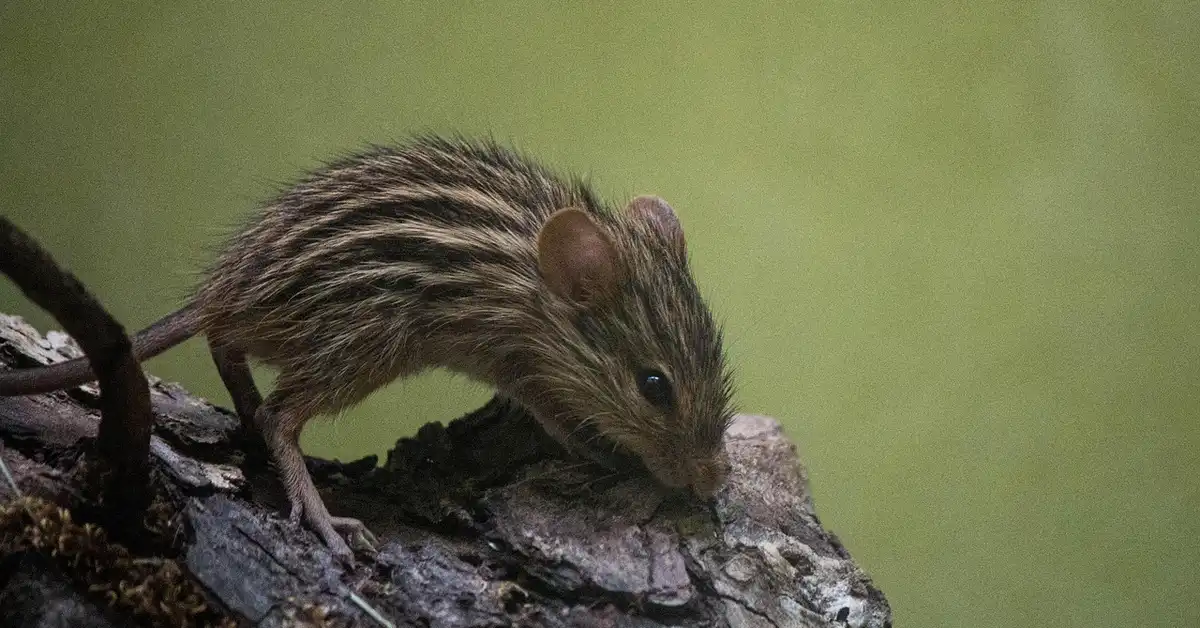
It’s incredibly easy to mix up these small, fast-moving animals. A quick glance in your garden or garage can leave you wondering what just scurried by.
Telling Young Rats from Adult Mice
This is the most frequent mix-up. A young rat can look deceptively similar to a full-grown mouse.
- Head and Feet: A young rat has a distinctly blocky head and disproportionately large, clumsy-looking feet compared to its body. An adult mouse has a more triangular head with large ears and dainty, proportional feet.
- Tail Proportions: A rat’s tail is thick, scaly, and noticeably shorter than its body length. A mouse’s tail is thin, semi-naked, and about as long as its head and body combined.
- My Experience: When my first mouse, Gregory, was young, I compared him to pictures of juvenile rats. The difference in foot size was the most reliable indicator for me.
If it looks like a mouse with oversized puppy paws, you are likely looking at a young rat.
What to Do If You Spot These Creatures Around Your Home
Staying calm and identifying your visitor correctly is the first step to a sensible solution.
- Observe from a Distance: Note its size, proportions, tail, and how it moves. A vole will have a stouter body and run with a shuffling gait, while a mouse is more graceful and agile.
- Look for Corroborating Evidence: Check for droppings. Mouse droppings are small and pointed at the ends. Rat droppings are much larger and banana-shaped. Voles leave behind grass-lined runways in your lawn.
- Secure Your Home: For mice and rats, seal any cracks or holes larger than a dime with steel wool and caulk. Remove easily accessible food sources like pet food and bird seed.
- Consider the Beneficial Visitors: Shrews and voles outdoors are generally harmless and part of a healthy ecosystem. Shrews control insect populations, and voles are a key food source for owls and hawks.
Proper identification prevents unnecessary worry and ensures you take the most effective and humane action for the situation.
Frequently Asked Questions
What are the different names used for mice and rats?
In the pet world, mice are commonly called “fancy mice,” which are domesticated varieties of the house mouse (Mus musculus). Rats kept as pets are known as “fancy rats,” typically descended from the Norway rat (Rattus norvegicus). These terms help distinguish them from wild species and indicate selectively bred pets with diverse colors and coat types.
Outside of pet care, mice and rats have various common names based on habitat or species, such as “field mouse” for voles or “roof rat” for Rattus rattus, which can lead to confusion. However, in niche pet circles, “mouse” and “rat” specifically refer to these domesticated animals, with breeders often using names based on genetics or appearance, like “dumbo rats” for those with low-set ears.
How do rats and mice differ in the house?
As pets, rats require more substantial housing, such as large, multi-level cages with sturdy platforms, due to their size and strength, while mice can thrive in smaller enclosures but need secure lids to prevent escapes. Rats are also more prone to chewing on cage bars if bored, whereas mice focus on nesting materials, so providing appropriate toys and hides is essential for both.
In a household pest context, rats can cause significant damage by gnawing on wires, wood, and pipes, often nesting in basements or attics, while mice tend to create nests in insulated walls or stored items, leaving behind smaller, scattered droppings. For pet owners, preventing accidental introductions of wild rodents involves sealing entry points and storing food securely to avoid attracting them.
How do mouse and rat behaviors differ?
Rats exhibit more complex social structures and often enjoy interactive play, such as fetching toys or solving puzzles, making them easier to train for tricks. Mice, while intelligent, are generally more focused on exploratory activities within their environment and may be less responsive to direct training, preferring to engage with tunnels and wheels on their own terms.
Communication styles also vary; rats may display contentment through bruxing (teeth grinding) and boggling (eye bulging), which are not commonly seen in mice. Mice tend to express themselves with subtle vocalizations and scent marking, which can influence how they interact with cage mates and owners, requiring patience and observation to understand their needs in a pet setting.
Your Perfect Pet Awaits
Choosing a small companion is a big decision, and now you have the knowledge to make the right one for your home. Mice stand out as wonderful pets due to their social nature, manageable size, and the sheer joy of watching their intricate, curious lives unfold right in your living room. Learning about their social behaviors—how they form bonds, establish hierarchies, and choose mates—helps you provide the right companionship and care. Observing mating, parenting, and daily interactions is both fascinating and important for understanding a mouse’s full life cycle.
While voles and shrews belong in the wild, and rats offer a different kind of rodent companionship, the charming mouse is uniquely suited for a life of companionship with you. Your journey into the delightful world of mouse ownership is just beginning, and it’s a path filled with tiny paws and huge personality. Especially since mice have individual personalities that can truly make them endearing pets.
Further Reading & Sources
- Shrew or Mole? Mouse or Vole? | The Outside Story
- What is the difference between a Vole and a Shrew? – Quora
- What’s the difference between a mouse, a field mouse, and a shrew? | Avalanche Extermination
Isabella is a passionate small pet enthusiast with over 8 years of experience in caring for mice. She loves sharing practical tips and heartfelt stories to help fellow mouse owners provide the best care for their tiny companions.
Mouse Identification