
What Can Ball Pythons Eat Besides Mice?
Are you a ball python owner feeling unsure about how to vary your pet’s meals beyond a mouse-based diet? Providing a balanced and interesting menu is key to your snake’s health, and I’m here to offer straightforward, reliable guidance.
This article will detail safe, nutrient-rich food choices like rats, chicks, and quail. You’ll find step-by-step advice on transitioning your ball python to new prey items. I’ll share practical tips to maintain your pet’s vitality through thoughtful feeding practices.
Why Mouse Owners Ask About Ball Python Diets
As someone who shares their home with small, curious creatures like my mice Kenny and Jeffery, I completely understand the instinct to learn about other pets’ diets. Many mouse owners are naturally curious about what other common pets eat, especially when those diets might intersect with our own pets’ wellbeing. The question isn’t just academic; it stems from a place of deep care for all small animals.
You might find yourself in a multi-pet household, seeking harmony between different species. Perhaps a friend or family member keeps a ball python, and you want to understand their care. Learning about a ball python’s dietary options provides a more complete picture of responsible pet ownership across the animal kingdom. It’s a thoughtful step that reflects a compassionate and knowledgeable pet enthusiast.
What Do Ball Pythons Naturally Eat?
Ball pythons are constrictors native to the grasslands and open forests of West and Central Africa. Their wild diet is a fascinating study in opportunistic feeding. In their natural habitat, these snakes are skilled nocturnal hunters, consuming a surprisingly varied menu of prey. Their meals are entirely based on what is available and appropriately sized.
What Ball Pythons Eat in the Wild
A wild ball python’s diet is not limited to a single food source. They are generalist feeders, which means they adapt to their environment. Their natural prey consists primarily of small mammals and birds, with a strong preference for African soft-furred rats. This variety is key to their survival in fluctuating ecosystems.
- Small rodents like African soft-furred rats and multimammate mice.
- Shrews and other small, terrestrial mammals.
- Young or small bird species that nest on or near the ground.
- Occasionally, they may consume bats if the opportunity arises in their roosting sites.
What Ball Pythons Eat in Captivity
In a home environment, we replicate this diet with responsibly sourced, commercially available prey. The cornerstone of a captive ball python’s diet is appropriately sized rodents, which provide complete and balanced nutrition. This is where the diets of our pet mice and pet snakes can feel connected, though the mice we keep as companions are, of course, never used as food. House mice (Mus musculus) commonly live in and around human homes, feeding on grains, seeds, and household scraps. They are mainly nocturnal, social animals whose habitat preferences, diet, and behavior shape how we manage and care for them.
Feeding pre-killed, frozen-thawed prey is the safest and most humane method for the snake and is widely recommended by experts. Offering pre-killed prey eliminates the risk of injury to the snake from a defensive live animal and is considered a best practice in reptile husbandry. It’s a method I support wholeheartedly for the welfare of all animals involved. If euthanasia of feeder rodents is necessary, it should be carried out using methods recognized as humane by veterinarians — freezing or drowning not recommended and can be inhumane. Many keepers therefore buy pre-killed, frozen feeders from reputable suppliers or consult a vet for humane options.
- Domestic mice (“fuzzies,” “hoppers,” or adults based on the snake’s size).
- Domestic rats (“pinkies,” “fuzzies,” or “weanlings”).
- African soft-furred rats (a closer match to their wild diet, though less common).
- Quail chicks or other small birds can be offered occasionally for variety.
- Gerbil scents are sometimes used to entice picky eaters, though gerbils themselves are not a staple food.
What Are the Main Alternatives to Mice for Ball Pythons?
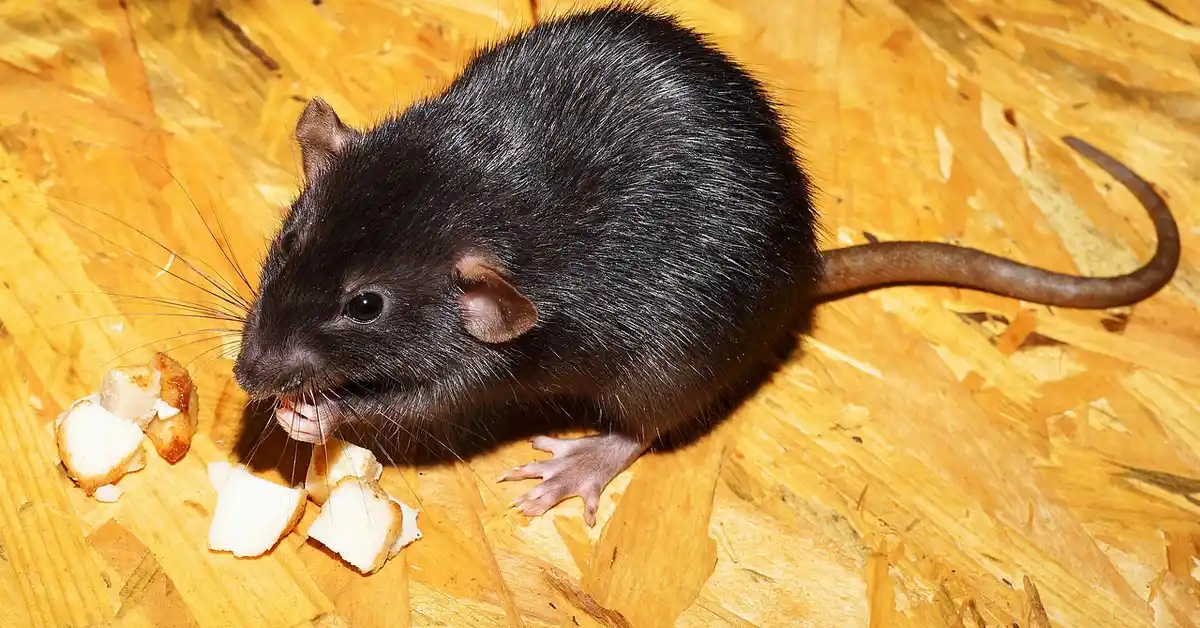
Rats as Primary Alternative Prey
For many ball python owners, rats become the go-to food source as their snake matures. Rats offer a more substantial meal with a higher fat and protein content, which better supports the nutritional needs of an adult ball python. I’ve found that a single appropriately sized rat can often replace multiple mice, making feeding time less frequent and less stressful for both you and your snake. Their larger size and plump body shape also more closely mimic the python’s natural prey in the wild.
Chicks and Quail Chicks
Feathers might seem unusual, but they are a fantastic way to add variety. Chicks and quail chicks provide a different texture and nutritional profile, including more bone content which can be beneficial. From my experience, some ball pythons can be initially hesitant, but introducing chicks slowly can lead to a welcomed dietary rotation. This option is particularly useful if you have a snake that seems bored with a rodent-only menu.
Other Small Mammals (Gerbils, Hamsters, Rabbit Pups)
While less common, these can serve as occasional alternatives. It is vital to source these from reputable feeder breeders to ensure they are disease-free and raised specifically as food. I would use these options sparingly, perhaps as a special treat to entice a picky eater. Offering a different scent can sometimes break a feeding strike, but a diet based on rats or mice is generally more balanced and practical for the long term.
How to Choose the Right Prey Size and Type
Matching Prey Size to Your Python’s Age and Size
Getting the prey size correct is one of the most critical aspects of responsible ownership. A good rule of thumb is to select a prey item that is roughly the same width as the widest part of your ball python’s body. You should not see a large, noticeable bulge after feeding. Here is a general guide based on life stage:
- Hatchlings and Juveniles: Start with pinky or fuzzy mice (or rat pups). Their metabolisms are fast, and they need frequent, smaller meals.
- Sub-Adults: Move up to weaned or small adult mice, or small rats. This is a growth phase where nutritional demands are high.
- Adults: A medium or large rat every few weeks is typically sufficient. An overweight python is an unhealthy python, so monitor their body condition closely.
How Often Should You Feed Your Ball Python?
Feeding frequency changes dramatically as your snake grows. Overfeeding is a common mistake that can lead to obesity and associated health problems, reducing your pet’s overall lifespan. Stick to a schedule like this for optimal health:
- Hatchlings (0-12 months): Every 5 to 7 days.
- Juveniles (1-3 years): Every 7 to 10 days.
- Adults (3+ years): Every 10 to 14 days, or even longer for some large females.
Always observe your individual snake. If they are still actively hunting and seem hungry soon after a meal, you might consider slightly increasing the prey size at the next feeding, not the frequency.
Frozen-Thawed vs Live Prey: What You Need to Know
Why Frozen-Thawed Prey Is Safer
The convenience of having a freezer full of food is just the beginning. Frozen-thawed prey is the safest choice for your ball python, eliminating the risk of injury from a defensive live animal. A live mouse or rat can bite, scratch, and cause significant harm to your snake, leading to infections or vet visits. The freezing process also effectively kills many common parasites, making it a healthier option overall. It requires a bit of planning to thaw properly, but the peace of mind is worth it. Proper thawing before offering frozen mice is essential to maintain safety and palatability. Below are straightforward, safe steps for how to thaw and feed frozen mice to your snake.
Risks of Live Feeding
I cannot stress this enough: leaving a live rodent unattended with your snake is a gamble. A prey animal will fight for its life, and even a small wound can become a serious, fast-moving infection for your python. Beyond physical injury, the stress of the hunt can be taxing on your snake’s system. There is also an ethical consideration for the prey item, which will often suffer considerably. If you absolutely must feed live due to a stubborn snake, never leave the prey unattended and be prepared to intervene immediately.
How to Transition Your Ball Python to Different Prey
Switching your ball python to new food sources can feel daunting, but with a gentle approach, you can make the process smooth and stress-free. Begin by offering prey that closely matches the size and texture of their current diet to reduce resistance and build confidence. For example, if your snake is accustomed to mice, try introducing small rats or similar rodents first, as the familiar shape and movement can ease the transition.
Patience is your best tool here, as ball pythons often need time to adjust to unfamiliar scents and appearances. Observing your snake’s body language during feeding attempts helps you gauge their comfort level and adjust your strategy accordingly. A hesitant python might simply need more exposure, while a stressed one could benefit from a slower pace.
Techniques for Picky Eaters
If your ball python turns up its nose at new offerings, don’t worry-many owners face this challenge. Scenting the prey with a familiar odor, like rubbing a rat with a used mouse bedding, can work wonders for enticing reluctant eaters. This tricks the snake into thinking the new item is part of their usual menu.
- Warm the prey slightly under a heat lamp or in warm water to mimic live body heat, which often triggers a feeding response.
- Experiment with feeding at different times of day, as some pythons prefer dim lighting or quieter moments.
- Try offering pre-killed or frozen-thawed prey in various presentations, such as dangling it with tongs to simulate movement.
Gradual exposure is key; mix a small amount of new prey with their old favorites over several feedings. This step-by-step method allows your python to build positive associations without feeling overwhelmed by sudden changes. Consistency in your routine reinforces trust, making future transitions easier. Even snakes labeled “untamable” can become more receptive when changes are introduced calmly and predictably. Let the animal set the pace — a slow, respectful approach is the best way to gain its trust.
When to Seek Veterinary Advice
While most feeding issues resolve with time, certain signs warrant professional input to keep your snake healthy. Reach out to a reptile-savvy veterinarian if your ball python consistently refuses food for over a month or shows rapid weight loss. These could indicate underlying health problems that need addressed promptly.
- Watch for symptoms like excessive hiding, lethargy, or discolored scales, which might signal stress or illness.
- Note any regurgitation or difficulty swallowing, as these can point to digestive issues or improper prey size.
- Seek help if your python develops skin problems or appears dehydrated, as nutritional imbalances could be a factor.
Early veterinary consultation can prevent minor concerns from escalating into serious conditions. Your vet can provide tailored advice based on your snake’s age, health history, and specific feeding challenges. Remember, proactive care ensures your python stays vibrant and content for years to come.
Ensuring Nutritional Balance for Your Ball Python
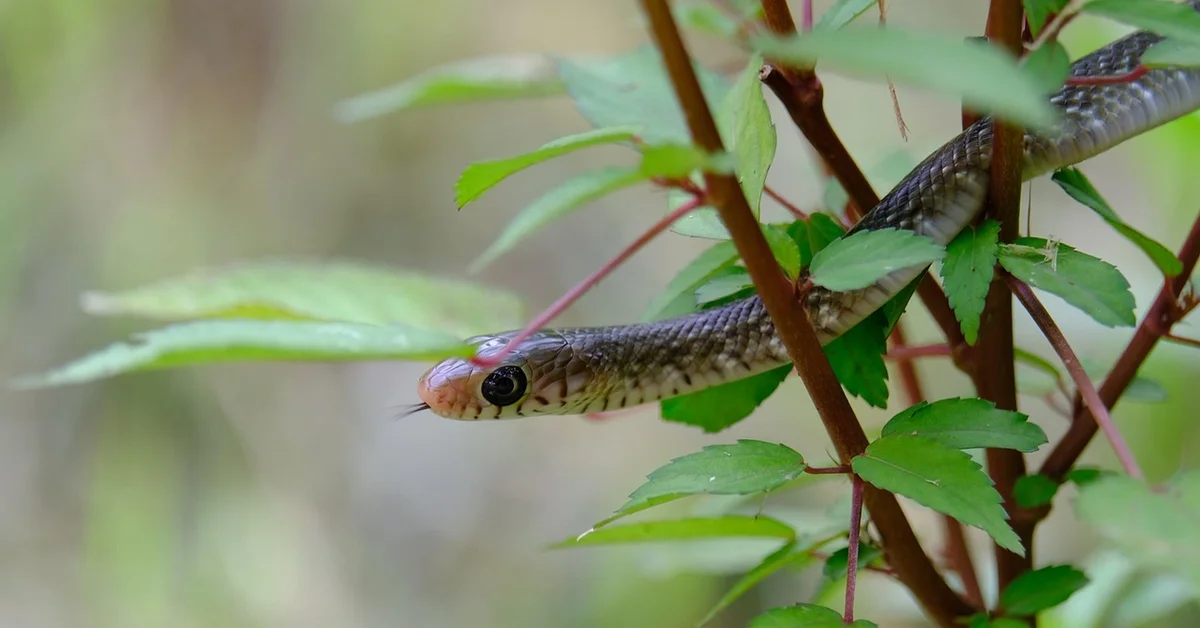
Providing a well-rounded diet is essential for your ball python’s overall vitality and longevity. Variety in prey types helps cover a broad spectrum of nutrients, from proteins to essential fats and vitamins. While mice are a reliable staple, incorporating items like rats, chicks, or even quail adds diversity that supports immune function and growth.
Tailor the diet to your snake’s life stage for optimal health outcomes. Younger pythons typically require more frequent meals with smaller, nutrient-dense prey to fuel their rapid development. Adults, on the other hand, do well with larger items spaced further apart to maintain a healthy weight.
- Include rodents like mice or rats as primary sources for high-quality protein and calcium.
- Add avian prey such as chicks or quail occasionally to boost fat intake and provide variety in texture.
- Supplement with other safe options like appropriately sized insects or reptile-specific formulated diets, if recommended by a vet.
Regular monitoring lets you fine-tune the diet based on your python’s condition and behavior. Weigh your snake monthly and look for signs of good health, such as clear eyes, firm muscles, and consistent shedding. If you notice any irregularities, adjust the feeding plan or seek professional guidance to ensure your pet thrives.
How to Safely Keep Pet Mice and Ball Pythons in the Same Home
Physical Separation and Security Measures
Creating a secure environment requires treating every interaction as a potential breach. The single most vital rule is that your pet mice and ball python must never be in the same room during feeding times or when the snake’s enclosure is open. The scent of a rodent can trigger a powerful feeding response in a ball python, turning a calm handling session into a dangerous situation in an instant. These precautions also apply when keeping mice with other pets. Always consider prey drive and scent transfer, and keep enclosures well separated to prevent accidental encounters.
Your setup needs multiple layers of security to prevent any accidental encounters. I keep my snake’s terrarium in a separate, dedicated room with a door that always remains closed.
- Housing: Keep enclosures in completely separate rooms, ideally on different floors of the home.
- Enclosure Locks: Use tamper-proof lid clips or cage locks on both the snake’s terrarium and the mice’s habitat. A determined snake can push surprisingly hard.
- Airflow Management: Be mindful of your home’s ventilation. Use air purifiers or ensure good cross-ventilation to prevent rodent scents from drifting into the snake’s space.
- Handling Protocol: Always wash your hands thoroughly and change your shirt after handling your mice before you interact with your ball python.
Emotional Considerations for Mouse Owners
It is perfectly normal to feel a sense of conflict or sadness. Acknowledging these complex feelings is a sign of a compassionate pet owner, not a weakness. You have formed a bond with your small companions, and the natural order of predator and prey can feel uncomfortably close to home.
I’ve found it helpful to mentally separate the two roles entirely. My mice, like Kenny and Jeffery, are my interactive pets—they have names, personalities, and I engage with them daily. The feeder rodents for my snake are a separate necessity for its health, sourced from a pet store and viewed as a food item, not a potential pet. This psychological distinction protects your emotional well-being. That said, mice do exhibit individual personalities—some are bold and curious while others are shy and cautious—so it’s natural to bond with certain ones. Acknowledging those differences can actually help you keep clear boundaries between pets and feeders.
- Focus on Individual Needs: Remind yourself that you are providing the best possible care for both animals according to their specific biological requirements.
- Limit Exposure: If you find it distressing, have another family member be responsible for feeding the snake, or source pre-killed frozen prey to avoid any direct involvement.
- Celebrate Your Mice’s Lives: Channel your empathy into creating an incredibly enriching and joyful life for your pet mice, celebrating their individuality and the unique bond you share.
Where and How to Source Alternative Feeders
Finding Frozen Prey Suppliers
Moving away from live or fresh-killed mice for your ball python’s diet is safer for the snake and often easier emotionally. Frozen-thawed prey is the gold standard for safety and convenience, and it’s widely available from reputable sources. I made the switch years ago and have never looked back, as it eliminates the risk of injury to my snake from a defensive rodent. If you ever need to catch wild mice—whether to rehome them or source feeders ethically—using a humane No Kill Mouse Traps is important. See our Best Humane No Kill Mouse Traps 2025 review for safe, effective options.
Your local pet store is a good starting point, but for better variety and often better prices, look online.
- Local Reptile Shops: Specialty stores typically carry a range of frozen feeders, from fuzzy mice to small rats and even quail chicks.
- Online Retailers: Companies like Layne Labs, RodentPro, and Big Cheese Rodents specialize in frozen feeder delivery. They offer bulk options which can be more cost-effective.
- Reptile Expos: If you have one nearby, expos are fantastic for meeting suppliers in person and purchasing a few months’ worth of frozen stock.
Proper Storage and Preparation
Handling frozen feeders correctly is non-negotiable for your snake’s health. Improper thawing is a common cause of digestive issues and refusal to eat, as it can make the prey item unappetizing or unsafe. The goal is to mimic a live animal’s body temperature and texture as closely as possible. Some keepers offer frozen-thawed pinky mice to adult bearded dragons, so the same thawing precautions apply. Proper thawing helps make the pinky palatable and reduces the risk of digestive upset.
I keep my frozen feeders in a dedicated, clearly marked container in the back of my freezer, well away from any human food. When it’s feeding day, I follow a strict routine.
- Transfer the frozen rodent from the freezer to the refrigerator for several hours, or overnight, for a slow, safe thaw.
- Place the thawed rodent in a sealed plastic bag and immerse it in warm (not hot) water for 15-30 minutes before feeding. This brings it up to a appealing temperature.
- Always check the rodent’s temperature with your hand-it should feel warm, like a live animal. Ensure it is completely thawed with no cold, hard spots in the center.
- Use long feeding tongs to present the prey to your snake, wiggling it gently to trigger a strike response. Never use your bare hands.
Never, ever refreeze a thawed rodent. If your snake refuses it, the feeder must be discarded. This strict protocol prevents bacterial growth and ensures your ball python receives a safe, nutritious meal every time—unlike bait used for catching mice, which doesn’t serve as a food source.
Frequently Asked Questions
What is a ball python feeding chart?
A ball python feeding chart outlines recommended prey sizes and frequencies based on the snake’s life stage to ensure proper growth and health. For example, hatchlings typically eat small mice or rat pups every 5-7 days, while adults may consume larger rats every 10-14 days. This structured approach helps prevent overfeeding and supports a balanced diet tailored to your pet’s needs.
What diet variety should ball pythons have?
Diet variety is crucial for providing a range of nutrients and preventing boredom in ball pythons. While rodents like mice and rats form the staple, occasional additions such as quail chicks or other small birds can offer different textures and nutritional benefits. Rotating prey types mimics their wild diet and supports overall vitality, but always ensure any new items are safely sourced and appropriately sized.
What does Reddit say about ball python diet?
On Reddit, experienced ball python owners often emphasize the importance of using frozen-thawed prey for safety and convenience. Many threads highlight tips for transitioning picky eaters, such as scenting new prey with familiar odors or warming it to mimic live prey. Community discussions also stress monitoring your snake’s body condition and consulting a vet for persistent feeding issues to maintain optimal health.
Your Feeding Journey Ahead
Providing a varied diet for your ball python is a significant part of being a dedicated reptile keeper. Expanding their menu with other feeder options like rats, chicks, or quail can support their health and satisfy their natural instincts. This thoughtful approach to nutrition reflects a deep commitment to your pet’s overall quality of life.
As someone who cares for both predator and prey animals, I believe knowledge empowers us to make the best choices for all our pets. Your journey is about understanding the needs of every animal in your care, ensuring each one thrives under your attentive watch. Science-based foraging techniques can encourage natural behaviors, providing mental stimulation and promoting physical health for all species. Incorporating research-backed foraging activities helps satisfy instincts while reducing stress. Continue to research, ask questions, and trust the process of being a responsible and compassionate pet owner.
Further Reading & Sources
- Diversifying Snake Diets – BeWild Reptile Rescue
- r/ballpython on Reddit: What else can I feed my ball python?
- Whats the best food prey for ball pythons in order of nutrition – Ball Pythons – MorphMarket Reptile Community
Isabella is a passionate small pet enthusiast with over 8 years of experience in caring for mice. She loves sharing practical tips and heartfelt stories to help fellow mouse owners provide the best care for their tiny companions.
Diet Basics