
Lab Animal Welfare Laws: Your Guide to Legal Protections
Have you ever felt uneasy about how animals in research settings are safeguarded, wondering if enough is being done to ensure their well-being?
This article breaks down the intricate legal frameworks into understandable segments, offering you a reliable roadmap to navigate these regulations. We will explore core legislation, enforcement mechanisms, and the critical balance between scientific progress and animal care standards.
Understanding the Animal Welfare Act and Laboratory Mouse Protections
Why Laboratory Mice Fall Outside Traditional AWA Coverage
When you look at the Animal Welfare Act (AWA), it’s designed to set standards for many animals in research, but it specifically excludes mice bred for laboratory use. This gap exists because the AWA historically focused on animals like dogs, cats, and primates, leaving out rodents that are widely used in studies. In my own time with mice like Kenny, I’ve seen how each one has a unique personality, yet the law doesn’t always recognize their individual needs in lab settings. The AWA’s narrow definitions mean that institutions might not face the same oversight for mice, which can lead to inconsistencies in care.
Another reason for this exclusion stems from the high numbers of mice used in research and the perception that they require less complex care. Despite their small size, mice experience pain and stress just like larger animals, making this regulatory hole a real concern for their well-being. If you’ve ever watched a mouse like Jeffery react nervously to a new environment, you understand how vital proper handling is-something the AWA doesn’t fully address for lab mice.
How PHS Policy and OLAW Fill the Regulatory Gap
To bridge this gap, the Public Health Service (PHS) Policy and the Office of Laboratory Animal Welfare (OLAW) step in, especially for institutions that receive federal funding. These frameworks require facilities to follow the Guide for the Care and Use of Laboratory Animals, ensuring that even mice not covered by the AWA get humane treatment. It’s a system that emphasizes accountability, much like how I meticulously plan habitats for my own mice to keep them safe and content.
- PHS Policy mandates that institutions establish an Animal Care and Use Program, which includes training for staff on proper mouse handling.
- OLAW oversees compliance, requiring detailed reports and corrective actions if standards aren’t met, similar to how I adjust care routines when I notice one of my mice, like Gregory, showing signs of discomfort.
- Together, they promote the “3Rs”-replacement, reduction, and refinement-to minimize harm, a principle that resonates with any mouse owner who values ethical pet care.
By enforcing these guidelines, PHS and OLAW create a safety net that prioritizes mouse welfare in ways the AWA alone cannot. This layered approach means that researchers must justify their methods, reducing unnecessary stress on these sensitive animals.
The Role of IACUC in Protecting Laboratory Mice
Protocol Review and Approval Process
The Institutional Animal Care and Use Committee (IACUC) acts as a local watchdog, reviewing every research proposal involving mice to ensure it meets ethical standards. This process involves a thorough evaluation of how mice will be housed, handled, and monitored, much like how I assess new toys or food for my pet mice to prevent any risks. Researchers must submit detailed protocols that explain the purpose of the study and the steps taken to minimize pain or distress.
- Submission of a protocol that outlines the study’s goals and methods, including alternatives to animal use if possible.
- IACUC members, who often include veterinarians and community representatives, review the protocol for compliance with animal welfare guidelines.
- Approval is granted only if the plan demonstrates a commitment to humane practices, such as providing enrichment to mimic natural behaviors.
This rigorous review helps prevent situations where mice might be subjected to unnecessary procedures, aligning with the care I give to my mice to keep them happy and healthy. For example, seeing Kenny’s bold explorations reminds me why it’s crucial that lab mice have environments that support their innate curiosity.
Ongoing Monitoring and Facility Inspections
IACUC doesn’t stop at approval; it conducts regular facility inspections and ongoing monitoring to ensure standards are maintained. These inspections check for clean housing, proper nutrition, and signs of distress, echoing the daily checks I perform on my own mice’s habitats. If issues are found, the committee requires immediate corrections, which helps sustain a high level of care over time.
- Routine facility walks to assess mouse living conditions, such as cage space and temperature control.
- Review of animal health records and staff training logs to verify that handling practices are gentle and consistent.
- Follow-up on any reported concerns, ensuring that problems are addressed promptly, much like how I’d adjust Jeffery’s environment if he seems anxious.
Continuous oversight by IACUC means that lab mice are not just protected at the start of a study but throughout their lives, reducing the risk of neglect. This proactive approach fosters a culture of compassion, something every mouse enthusiast can appreciate from their own experiences with these intelligent creatures.
The 3Rs Principle: Replacement, Reduction, and Refinement
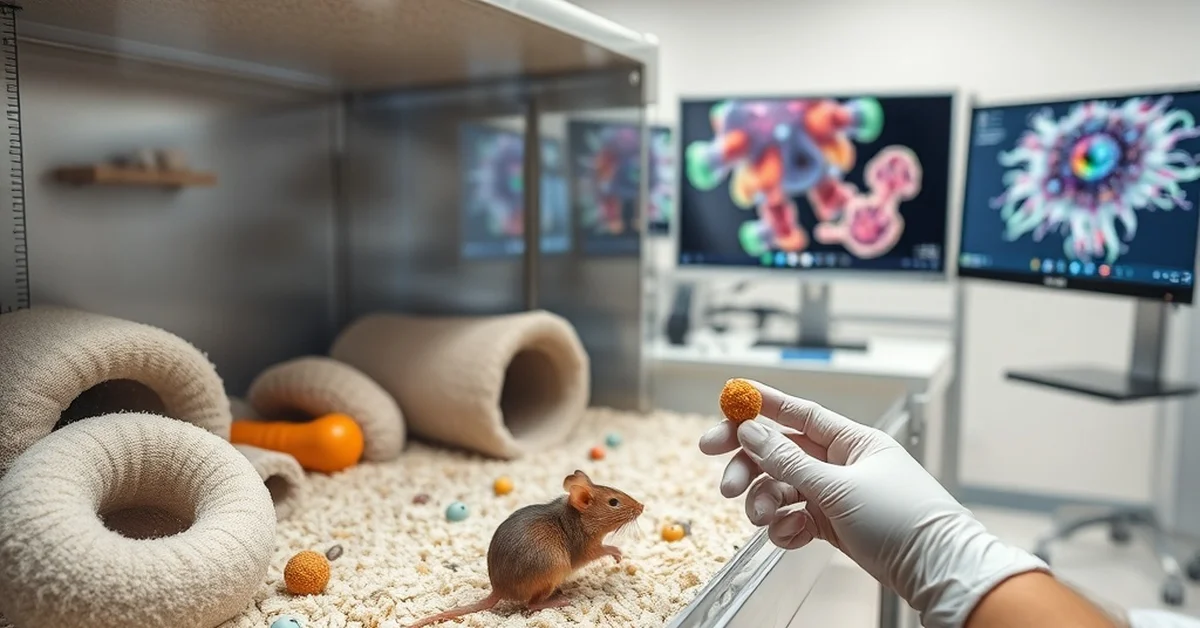
While these principles guide laboratory research, their underlying philosophy offers profound insights for any mouse guardian. The core idea is to minimize suffering while maximizing welfare, a goal that resonates deeply in our own homes. Let’s explore how these concepts translate to pet care.
Replacement
This advocates for using non-animal methods whenever possible. For us, this means thinking creatively to avoid stressful situations for our pets. I often use video recordings to observe my mice’s nighttime activities instead of constantly disturbing their sleep cycle with checks. This respects their natural rhythms and replaces intrusive observation.
Reduction
This focuses on using the fewest animals necessary to obtain valid information. In a pet context, this principle reminds us that not every interaction needs to involve direct handling. You can reduce stress by sometimes just sitting quietly by the enclosure, allowing your mice to become accustomed to your presence without pressure. Quality of interaction consistently outweighs quantity.
Refinement
This is the most directly applicable ‘R’ for pet owners, concerning the modification of procedures to lessen pain and distress. Refinement means constantly evaluating and improving every aspect of your mouse’s environment and care based on their individual needs and behaviors. My mouse Jeffery, for instance, startles easily, so I’ve refined my approach by always speaking softly before opening his cage.
- Replace forced handling with voluntary interaction using a tube or your hand as a platform
- Reduce loud noises and sudden movements near their habitat
- Refine their diet by offering varied, species-appropriate foods instead of just a commercial mix
- Replace bare cages with complex, enriching environments that stimulate natural behaviors
Housing Standards and Environmental Requirements for Laboratory Mice
Scientific housing standards provide an excellent foundation for what our pet mice need to thrive. These guidelines are built on decades of research into mouse behavior, physiology, and psychology. While our homes aren’t laboratories, we can adopt these evidence-based practices to create truly wonderful living spaces, especially when considering the unique needs and challenges of pet mice.
Space and Social Structure
Laboratory standards specify minimum floor space per mouse, but I believe pet homes should far exceed these minimums. Mice are highly social, intelligent creatures who use every inch of space for exploring, playing, and establishing complex social dynamics. My trio uses their multi-level enclosure constantly, with Kenny always leading expeditions to the highest platforms.
- Provide a minimum of 20 gallons for a small group, with larger always being better
- Ensure multiple feeding stations to prevent resource guarding
- Include solid flooring rather than wire to protect delicate feet
- Maintain stable social groups without frequent introductions or separations
Environmental Enrichment
This goes far beyond just a wheel and a hide. Proper enrichment means creating a dynamic environment that challenges their minds and bodies naturally. I rotate different types of bedding materials, hiding spots, and climbing structures to keep my mice engaged and curious about their world.
- Provide multiple hiding options at different heights and locations
- Include chew toys of various textures and materials
- Offer foraging opportunities by hiding treats in paper bedding or puzzle feeders
- Change layout weekly while keeping familiar scent markers intact
Species-Specific Welfare Considerations
Mice have unique needs that differ significantly from other small pets. Understanding their wild origins helps us create environments where they can express their natural behaviors fully. Gregory, my oldest mouse, has taught me how much mice value stability and familiar routines within their complex environment.
- Mice are crepuscular, most active at dawn and dusk – respect their sleep during daylight
- They build elaborate nests – provide ample, safe nesting materials like paper strips
- Their vision is poor but sense of smell is excellent – avoid strongly scented cleaners
- They communicate through ultrasonic vocalizations we cannot hear – watch body language closely
- They are burrowers by nature – provide deep bedding for tunneling behaviors
Veterinary Care and Pain Management Requirements
Recognizing and addressing pain in mice requires careful observation, as they instinctively hide weakness. Subtle changes in behavior often provide the earliest indicators that something is wrong. I’ve learned to notice when one of my mice stops participating in group activities or changes their grooming habits.
Establishing a relationship with an exotic veterinarian before emergencies occur is crucial. Many general practice veterinarians lack specific experience with mice, so finding a specialist ensures proper care when needed. I keep a basic health journal noting each mouse’s normal weight, activity patterns, and eating habits for comparison. If you’re unsure where to find one, here’s a guide on finding an exotic vet for your mouse.
- Weight loss is often the first sign of illness – weigh weekly
- Watch for squinting eyes, hunched posture, or ruffled fur
- Notice changes in social behavior, like isolation or aggression
- Monitor food and water consumption daily
- Check for any lumps, wounds, or breathing difficulties
Euthanasia Standards and Humane Methods
This difficult topic requires compassionate understanding. The most humane methods prioritize rapid unconsciousness followed by painless passing. When my first mouse reached end-stage illness, working with a knowledgeable veterinarian ensured her comfort and dignity throughout the process. It’s crucial to avoid any inhumane methods like freezing or drowning.
Quality of life assessments should guide these difficult decisions. I consider whether my mouse still engages in activities they previously enjoyed, maintains social relationships, and shows interest in food. When suffering cannot be adequately managed, euthanasia becomes the final act of care we can provide.
- Consult with an exotic veterinarian about quality of life indicators
- Ask about the specific euthanasia protocol to ensure it follows current humane standards
- Consider whether you wish to be present during the procedure
- Plan for aftercare options that honor your bond with your mouse
- Allow cage mates to see and smell the deceased companion to understand their passing
EU Directive 2010/63/EU and International Standards
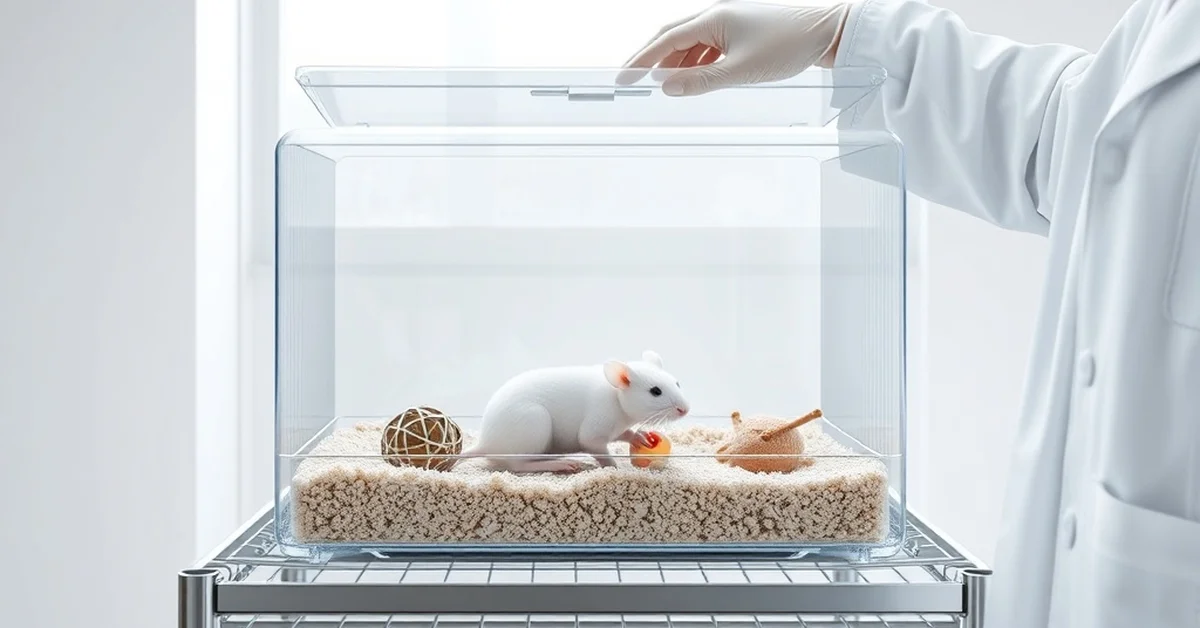
While our focus is on the mice sharing our homes, the principles guiding laboratory animal welfare offer a fascinating perspective on care. The EU Directive 2010/63/EU stands as a powerful international benchmark, built on the core principle of the “Three Rs”: Replacement, Reduction, and Refinement. For us as pet owners, the most resonant of these is Refinement-the commitment to minimizing any suffering and enhancing well-being through better housing, husbandry, and care techniques.
This framework mandates standards that, in many ways, parallel what we strive for in our own cages.
- Housing and Enrichment: The directive insists on environments that allow for species-typical behaviors, much like how we provide wheels for running, substrates for digging, and complex layouts for climbing and exploring.
- Veterinary Care and Pain Management: It requires that any procedure with the potential to cause pain must have appropriate analgesia or anesthesia, a standard that directly informs our responsibility to seek prompt veterinary care for our pets when they are ill or injured.
- Personnel Competence: Anyone handling or carrying out procedures on animals must be adequately educated and trained, reflecting our own need to learn proper, gentle handling techniques for our tiny companions.
Compliance, Recordkeeping, and Enforcement Mechanisms
Translating these lofty standards into daily practice hinges on meticulous organization and accountability. Maintaining clear records is not just a bureaucratic task; it’s the cornerstone of proactive and responsible animal guardianship. I keep a simple notebook for my trio-Kenny, Gregory, and Jeffery-and it has been invaluable.
- Health Logs: Track weight weekly, note any changes in appetite or behavior, and record vet visits and medications. A sudden drop in weight can be the first sign of a problem.
- Environmental Records: Note the date of full cage cleanings and daily spot-cleaning. This helps establish a healthy routine and monitor ammonia levels indirectly.
- Diet and Enrichment Log: Keep track of new foods introduced and note which toys or structures your mice interact with most. This helps you tailor their environment to their preferences.
Addressing Noncompliance and Enforcement Actions
In our world of pet mice, “enforcement” is a matter of personal ethics and community standards. When we witness care that falls short, our role shifts to one of compassionate education rather than punishment. As influencers and community members, we have a responsibility to put mouse welfare first. Our public guidance should model humane, practical care rather than judgment. The goal is always the betterment of the animal’s life.
- Lead with Empathy: Approach a fellow owner with kindness, not accusation. Many people are simply unaware of modern standards for mouse care.
- Share Resources: Point them toward reputable care guides, videos on proper habitat setup, or knowledgeable online communities. A picture of a well-designed cage can be more persuasive than a lecture.
- Focus on the Mouse: Frame the conversation around the animal’s natural behaviors and needs. Explain how a larger cage allows for zoomies and a deep bedding layer satisfies their innate desire to burrow, leading to a visibly happier and more active mouse.
AAALAC Accreditation and Voluntary Excellence Standards
Beyond the mandatory rules, there exists a tier of voluntary accreditation that signifies a profound commitment to excellence. AAALAC International accreditation represents a gold standard, a peer-reviewed promise that an institution is going above and beyond the minimum legal requirements for animal care. It’s a continuous process of self-assessment and improvement.
We can adopt this philosophy for our own pets by striving for what I think of as a “Five-Star Mouse Hotel” standard.
- Continuous Improvement: Just as AAALAC-accredited facilities regularly review their protocols, we should continually learn and upgrade our pets’ lives. Is their bedding deep enough? Could their diet be more varied? Are there new, safe toys to introduce?
- Environmental Complexity: This goes beyond a single wheel and hide. Think about creating a multi-sensory environment with different textures (cardboard, wood, ceramic), opportunities to climb and forage, and safe, novel items to investigate.
- Behavioral Monitoring: Pay close attention to what your mice are telling you. A calm mouse like Gregory spending all day in one corner, or a bold one like Kenny suddenly becoming withdrawn, are communications that something in their world needs adjusting.
Transport and Handling Regulations
Moving a mouse from one place to another, whether it’s a short trip to the vet or bringing them home for the first time, is a delicate process. Laboratory standards emphasize that the journey itself is a major stressor, and mitigating this anxiety is the primary goal of any transport protocol. The focus is always on minimizing fear and physical discomfort. This is especially important when transporting a new mouse, since unfamiliar surroundings can increase stress and slow acclimation. A calm, well-planned transfer helps the animal settle more quickly into its new environment.
Secure and Safe Transportation
Research facilities use specialized, escape-proof containers designed for breathability and stability. For you, this translates to a few key principles. Your carrier must be:
- Escape-Proof: Mice can flatten their bodies and squeeze through astonishingly small gaps. Check every seam and air hole.
- Well-Ventilated: Proper airflow is non-negotiable to prevent overheating and ensure a steady oxygen supply.
- Line with Absorbent Bedding: Paper-based bedding works best to manage waste and provide a small amount of nesting material for security.
- Solid-Sided: While ventilation is key, having mostly solid walls helps reduce visual stress and creates a safer, den-like environment.
Gentle Handling is Non-Negotiable
How you pick up and hold your mouse builds-or breaks-trust. In labs, personnel are trained in specific, low-stress techniques, and we should adopt the same mindful approach. The “cup” method, where you gently scoop your mouse into your hands, is far superior to grabbing from above, which mimics a predator. I always let my mouse, Kenny, walk onto my hands voluntarily; this small act of choice makes a world of difference in his comfort level.
Handling steps to build confidence:
- Move slowly and speak in a calm, quiet voice before opening the cage.
- Place one hand, palm up, in front of your mouse and let them investigate.
- Use your other hand to gently guide them onto your palm if needed.
- Always support their entire body and never hold them by the tail.
What These Regulations Mean for Pet Mouse Owners
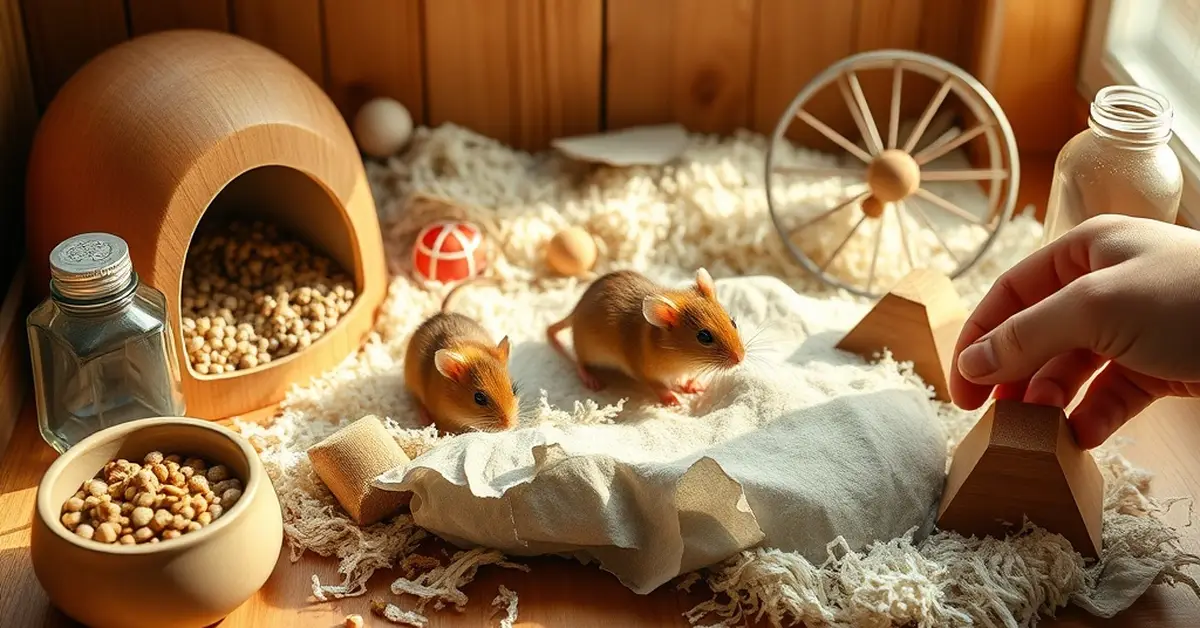
While the official rulebooks are written for research institutions, their core philosophy offers a powerful blueprint for exceptional pet care. Adopting this regulated mindset means shifting from simply providing for your mouse to actively safeguarding their psychological and physical well-being every single day.
Your Home is Their Habitat
Regulations mandate specific space, enrichment, and social requirements. For your mouse, this means their cage is not just a container but their entire world. My trio-Kenny, Gregory, and Jeffery-thrive because their enclosure is treated as a complex habitat.
- Space is a Right, Not a Luxury: The more floor space, the better. A spacious cage prevents territorial disputes and encourages natural foraging and exploring behaviors.
- Enrichment is Mandatory: A bare cage is a bored mouse. Rotate toys, tunnels, and climbing structures weekly. Cardboard tubes, untreated wood chews, and paper bags provide cheap and endlessly entertaining options.
- Respect Their Social Needs: Mice are profoundly social. Keeping a single mouse is, in my view, contrary to their fundamental nature. A compatible group, like my boys, provides constant companionship, grooming, and shared warmth.
Proactive Health is the Standard
Laboratory animal welfare requires daily health checks and prompt veterinary care. You are your mouse’s first and most important health monitor. I’ve learned that noticing small changes-a slight decrease in Jeffery’s playful energy or a subtle change in Gregory’s eating habits-is often the first sign that something needs attention.
Create your own daily monitoring checklist:
- Bright, clear eyes free of discharge
- Clean, dry nose and no audible breathing sounds
- A smooth, glossy coat without bare patches
- Normal posture and active movement
- Consistent consumption of food and water
Ultimately, these regulations aren’t about bureaucracy; they are a codification of compassion. By viewing our care through this rigorous lens, we commit to a higher standard of empathy, ensuring our small friends live not just safely, but joyfully.
Frequently Asked Questions
How do animal welfare laws differ for laboratory mice versus pet mice?
Laboratory mice are primarily regulated under frameworks like the Animal Welfare Act (with exemptions for rodents), PHS Policy, and institutional oversight such as IACUC, which enforce strict protocols for research settings. In contrast, pet mice fall under general animal cruelty laws at state or local levels, which focus on preventing neglect and abuse but lack specific, detailed standards for housing or care. This means pet owners have more flexibility but also a greater responsibility to self-educate on best practices to ensure their mice’s well-being outside of formal regulatory systems.
What legal obligations do pet mouse owners have under animal welfare acts?
Pet mouse owners are generally bound by state and local animal cruelty laws, which require providing basic necessities like food, water, shelter, and veterinary care to prevent suffering. While there are no federal regulations specifically for pet mice, owners must avoid actions that constitute neglect or abuse, such as inadequate housing or handling that causes harm. Adhering to ethical guidelines from animal welfare organizations can help owners meet these legal expectations and promote a high standard of care.
How can pet mouse owners ensure they are sourcing mice from ethical breeders?
To source mice ethically, owners should look for breeders who prioritize animal welfare by providing transparent information on housing conditions, health checks, and socialization practices. While no universal certification exists for pet mouse breeders, seeking out those who follow humane standards-such as avoiding overbreeding and ensuring proper veterinary care-can help support ethical practices. Additionally, adopting from reputable rescues or shelters is a responsible alternative that aligns with welfare principles.
Your Path Forward
By looking at the strict standards for laboratory mice, we can better appreciate the high level of care our own pet mice truly deserve. This framework isn’t just about rules; it’s a powerful reminder that their well-being hinges on our commitment to providing a rich, safe, and engaging home. For families with children, that commitment includes teaching gentle, supervised handling and simple hygiene like handwashing. These kid-safe handling habits protect both kids and mice while helping to build a respectful bond.
Your dedication to learning and applying these principles of humane care is what transforms simple ownership into a truly rewarding companionship. Continue observing your mice, refining their habitat, and cherishing the unique personalities they share with you every single day.
Further Reading & Sources
- Regulation of Animal Research – Science, Medicine, and Animals – NCBI Bookshelf
- Regulatory Requirements Regarding Use of Laboratory Animals – Exotic and Laboratory Animals – Merck Veterinary Manual
- Animal Welfare Act | National Agricultural Library
Isabella is a passionate small pet enthusiast with over 8 years of experience in caring for mice. She loves sharing practical tips and heartfelt stories to help fellow mouse owners provide the best care for their tiny companions.
Mice in Science & History