
Do Mice Travel in Packs? The Surprising Social Lives of Pet Mice
Have you ever watched your pet mice interact and wondered if their constant companionship means they travel in tight-knit groups? I’ve spent many evenings observing my own mice-Kenny, Gregory, and Jeffery-and their intricate social dances. This guide will clarify the complex social structure of mice, moving beyond the simple idea of ‘packs’ to explain their true group dynamics and what this means for their care.
We will explore the fascinating reality of mouse social bonds, from the subtle hierarchies that form in their habitats to the vital importance of companionship for their well-being. You will learn about their unique social dynamics, the distinct roles mice play within a group, and the essential care tips for keeping a harmonious mouse family.
How Wild Mice Move and Forage Together
In the wild, the sight of mice is rarely a singular event. Their survival is deeply intertwined with a collective strategy, where group movement and cooperative foraging are the norms, not the exception. While they might scatter at the first sign of danger, their daily lives are a carefully choreographed dance of social interaction.
House Mice vs Field Mice: Different Social Patterns
Not all wild mice share the exact same social blueprint. The common house mouse and various field mice exhibit fascinating differences in their group dynamics. Learn more about mouse social behavior to understand their unique interactions.
- House Mice (Mus musculus): These are the ultimate socialites of the mouse world. They form large, complex colonies with a distinct hierarchy. A dominant male typically leads, and the group works together to defend territory, share nesting duties, and raise young. Their foraging is a team effort, with individuals communicating through high-frequency sounds and scent markers to lead others to food sources.
- Field Mice (like Apodemus species): Their social structure is often more fluid and seasonal. While they may live in loose aggregations, especially around a rich food supply, they are generally less colonial than house mice. Their groups are frequently based on family ties, and they can be more territorial with outsiders outside of the breeding season.
Why Mice Move in Family Groups
The instinct to stick together is hardwired for powerful, practical reasons that ensure the species’ continuation.
- Enhanced Safety: More eyes and ears mean a greater chance of spotting a predator like an owl or a cat. A group can create a confusing flurry of movement, making it harder for a predator to single out one individual.
- Resource Discovery: Finding food and water is a numbers game. If one mouse locates a cache of seeds or a source of fresh water, the entire group benefits from that discovery almost instantly. This shared knowledge dramatically increases their chances of thriving in a challenging environment.
- Thermoregulation: On cold nights, a pile of mice in a nest is far more effective at conserving body heat than a solitary mouse. This communal huddling is a matter of life and death during winter months.
- Collective Care: In a family group, females often help care for each other’s young, a behavior known as alloparenting. This allows mothers to forage for food while their pups are kept warm and safe by other trusted adults.
Do Pet Mice Need to Live in Groups?
Translating wild instincts to a domestic setting is at the heart of responsible pet ownership. For the vast majority of pet mice, a solitary life is a lonely and stressful existence that goes against their fundamental nature. Observing my own trio-Kenny, Gregory, and Jeffery-has shown me the beautiful complexity of their social bonds firsthand.
The Case for Group Housing
Housing mice in compatible groups, or at the very least in pairs, provides immense psychological and physical benefits that we, as caretakers, should strive to provide. These social relationships also strongly influence mating behavior and reproductive success, affecting how mice form pairs and rear offspring. Paying attention to social structure therefore helps support healthier mate choice and life outcomes in captive populations.
- Mental Stimulation and Enrichment: Mice are intelligent, curious creatures who need interaction. They play, groom each other, and communicate constantly. A lone mouse in a cage, no matter how well-equipped, lacks this vital social stimulation and can become lethargic or depressed.
- Comfort and Security: Just like their wild cousins, pet mice find comfort in numbers. You will often see them sleeping in a soft, furry pile. This physical contact provides a profound sense of security that a single mouse simply cannot replicate on its own.
- Natural Behavior Expression: Group living allows mice to express their full range of natural behaviors, from establishing a gentle hierarchy to engaging in social grooming. Watching my calm Gregory patiently mentor the impulsive Kenny is a perfect example of this dynamic at work.
When Individual Housing Makes Sense
While group living is the ideal, there are specific, and thankfully rare, circumstances where an individual mouse is better off alone. This guide explains when solitary housing is appropriate and gives practical advice on meeting the physical and social needs of a lone mouse so you can make the best welfare-based decision.
- Unrelenting Aggression: Some male mice, especially those not raised together from a very young age, can fight to the point of causing serious injury. If careful, neutral-territory introductions consistently fail and blood is drawn, separation is the only safe option.
- Recovery from Illness or Injury: A sick or injured mouse may need a quiet, stress-free environment to heal. It can be bullied away from food or water by its cage mates, or the general activity of the group may hinder its recovery.
- The Elderly Mouse: An older mouse, much like my Gregory, can sometimes be harassed by more energetic youngsters. If the older mouse seems stressed or is losing weight because it can’t compete for food, a peaceful retirement enclosure might be the kindest choice.
- Human Socialization Projects: On occasion, a very skittish mouse might benefit from a period of focused, one-on-one interaction with its human to build trust, without the social pressures of cage mates.
How Many Mice Should You Keep Together?
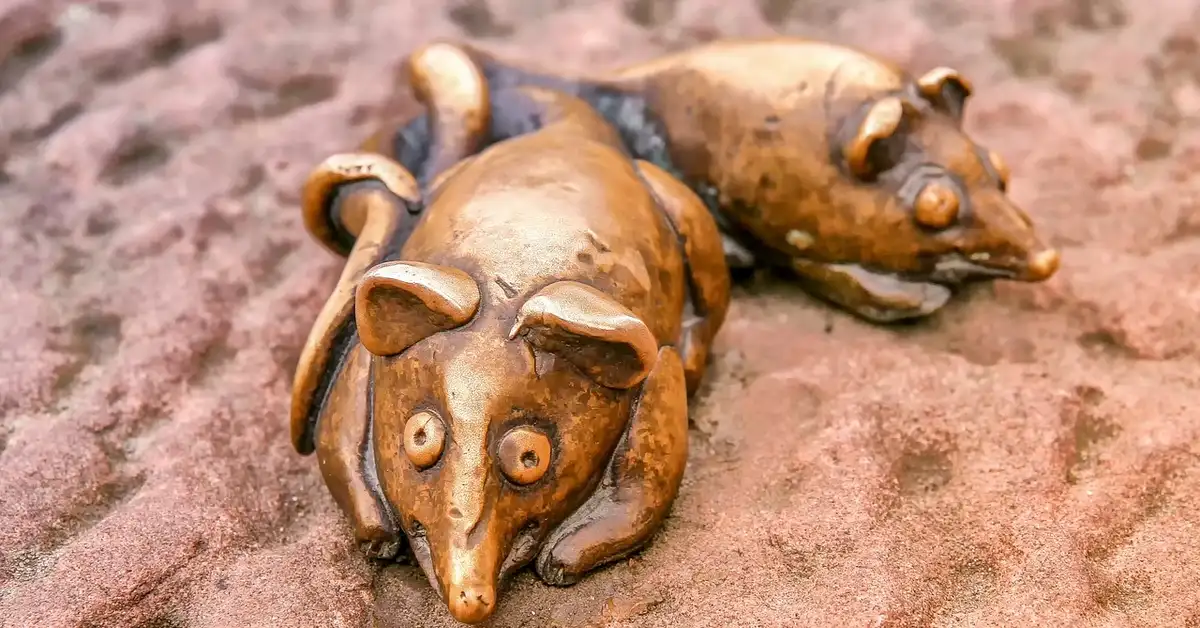
From my years of caring for these clever creatures, I’ve found that mice are profoundly social and truly flourish in groups. A trio is often the sweet spot, creating a stable and engaging social unit that prevents loneliness. In the wild, many mice nest together, sharing warmth and responsibilities. That communal nesting behavior is a big part of why companionship so strongly benefits their wellbeing. Solitude can lead to depression and boredom in a mouse, which is why I always recommend keeping at least two. My current group-Kenny, Gregory, and Jeffery-showcases the beautiful dynamic of a small colony, each with their own role that supports the whole.
While two mice can form a close bond, a group of three or four offers richer social interaction and greater resilience. Larger groups, from four up to six, can be wonderfully active and entertaining to watch, but they require significantly more space and meticulous cage cleaning. The key is matching the group size to your ability to provide a spacious, clean, and enriching habitat.
- Minimum: A pair of females (sisters are ideal) or a neutered male with females.
- Ideal: Three to four mice, which provides complex social dynamics without overcrowding.
- Maximum for most owners: Five to six, but this demands a very large enclosure and vigilant monitoring.
Understanding Male vs Female Mouse Social Needs
The social needs of male and female mice differ in ways that will shape your entire pet-keeping experience. Female mice generally live in harmonious, all-female groups, often described as “sororities,” where they sleep, play, and explore together. My previous groups of girls have been delightful, creating intricate nests and chasing each other through tubes in a flurry of playful energy. Because of these social tendencies, maintaining all-female (doe) colonies is often easier than mixed or male groups and can make for a more peaceful household. This guide will walk you through practical tips for establishing and caring for harmonious female groups.
Intact male mice present a different scenario. Housing unneutered adult males together almost always leads to serious, injurious fighting as they compete for dominance. They are typically happiest living alone or with a companion of another species, like a neutered rat, though this requires careful introduction. The alternative is to have a single neutered male who can then live peacefully with a group of females, which is a wonderfully balanced social setup.
- Female Mice (Does): Highly social, thrive in single-sex groups, generally peaceful.
- Intact Male Mice (Bucks): Territorial, best kept alone to prevent fighting.
- Neutered Male Mice: Can live harmoniously with females or other neutered males, becoming calmer and more sociable.
Introducing New Mice to Each Other
Introducing mice is a delicate process that should never be rushed. The “carrier method” is the technique I’ve had the most success with, as it forces the mice to rely on each other in a neutral, stressful space. You start by placing all the new companions into a very small, clean carrier with a bit of bedding, food scattered on the floor, and a water bottle. There are no hides, which prevents any one mouse from claiming territory. After successful carrier sessions, begin gradual, supervised introductions between the newcomers and the existing group using neutral territory and scent exchanges. Only transfer them into the group’s cage once interactions are calm and stress is minimal.
After a period in the carrier, you gradually move them to a small, neutral tank, adding just one or two simple hides. Only when they are sleeping together in a single, peaceful pile are they ready for their fully furnished, meticulously cleaned permanent home. This entire process can take several days to a couple of weeks, and your patience is the most critical ingredient for a successful, lifelong friendship.
- Quarantine any new mouse in a separate room for at least two weeks to monitor health.
- Use a neutral space like a small carrier or bathtub for the first meeting.
- Scatter food, don’t use bowls, to discourage food-guarding behavior.
- Provide multiple copies of every resource-water bottles, wheels, hides-to reduce competition.
- Supervise closely during the first few days in the final cage, ready to separate if serious fighting occurs.
Signs Your Mice Are Getting Along
Seeing these positive behaviors is a sure sign your introduction is working. The most heartwarming sign is a “mouse puddle,” where they all sleep curled up together in one big, furry heap. You might also notice them grooming each other, a behavior called allogrooming, which strengthens social bonds. Playful, non-aggressive chasing and wrestling are also completely normal and a sign of healthy interaction.
- Sleeping huddled together in a single nest.
- Gentle mutual grooming, especially around the face and ears.
- Sharing food without tension or stealing.
- Engaging in reciprocal, bouncy chasing that looks like a game.
Warning Signs of Social Stress
It is vital to recognize the difference between play and true aggression. Loud, piercing squeaks during an interaction are a clear distress call and should be taken seriously. While some chasing is normal, relentless, one-sided pursuit where one mouse is clearly trying to escape is a red flag. Bar biting and excessive climbing can also indicate chronic stress from a cage mate.
Physical signs are the most urgent. Any sign of injury, like scratches, bite marks, or patches of missing fur, means you need to separate the mice immediately. A bullied mouse may also become lethargic, lose weight from being kept away from food, or startle excessively. In my own experience, I had to briefly separate an overly bold mouse (a younger version of my current Kenny) after he relentlessly pestered a more timid companion, giving everyone a chance to reset. It’s crucial to recognize when interactions are unhealthy so you can intervene timely.
- Puffed-up fur, standing on hind legs to box.
- Bloodshed or any visible wounds.
- One mouse constantly hiding and being prevented from accessing food or water.
- Weight loss in a specific individual.
- Loud, persistent squeaking that indicates fear or pain.
Do Mice Travel Alone or Prefer Companionship?
While wild mice might form loose colonies for survival, our pet mice thrive on deep, social bonds. Pet mice do not travel in packs like wolves, but they absolutely require the constant company of their own kind to feel secure and happy. In my years of caring for these small beings, I’ve observed that a solitary mouse is often a stressed and lethargic mouse. They groom each other, sleep in a warm, furry pile, and communicate with a symphony of soft squeaks and chirps we can barely hear. But in barren, solitary cages mice often become withdrawn. They can develop learned helplessness, showing passive, apathetic behavior and little interest in exploring their surroundings.
You will notice a distinct social structure within a group, much like my own trio. Kenny, the bold explorer, often initiates play, while Gregory, the calm elder, provides a steadying presence, and little Jeffery follows along, offering cheerful support. This social hierarchy is natural and helps maintain a peaceful, cooperative environment in their home. Introducing a lone mouse to a new companion requires careful, patient steps, but the reward of seeing them cuddle and interact is immeasurable.
Understanding How Pet Mice Move and Explore
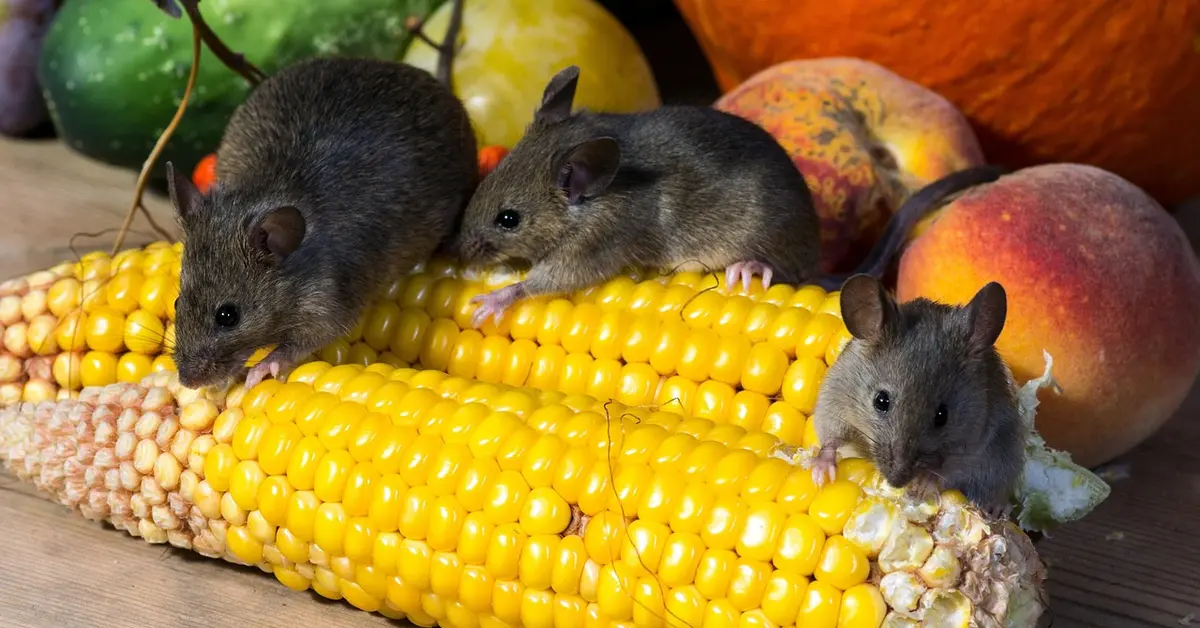
Observing your mice navigate their world is one of the great joys of ownership. Your mice are not just roaming; they are meticulously mapping their territory with every twitch of their whiskers and every cautious step. They prefer to travel along walls and edges, using these boundaries as a guide to safely investigate new sights and smells. Their movements are a fascinating blend of quick, darting bursts and slow, deliberate sniffs, constantly processing information.
I often watch my mice and see their individual personalities shine through in how they move. Kenny will zip across an open space with fearless energy, while Jeffery takes a more hesitant, zig-zag path, and Gregory moves with a slow, confident plod. Providing a rich environment allows you to witness this full spectrum of natural, inquisitive behaviors.
Creating Space for Natural Movement
A proper habitat is more than a cage; it’s a landscape for your mice to live out their natural instincts. The goal is to create a complex environment that encourages all their natural behaviors-climbing, digging, foraging, and hiding. A simple, empty tank will lead to boredom, but a thoughtfully arranged space promotes physical health and mental well-being.
- Think Vertically: Mice are surprisingly adept climbers. Use ropes, ladders, branches, and multiple platforms to create different levels. This uses the full volume of their enclosure and satisfies their need to survey their domain from a high vantage point.
- Offer Ample Hiding Spots: A mouse that feels exposed is a nervous mouse. Provide multiple, scattered hideouts like small wooden houses, ceramic jars, coconut shells, and even simple cardboard tubes. This gives them choice and control over their security.
- Encourage Foraging: Instead of a food bowl, scatter their daily portion of food throughout the bedding and in puzzle toys. This turns mealtime into a stimulating activity that mimics their natural scavenging behavior and keeps their minds sharp.
- Vary the Textures: Use a deep layer of safe, paper-based bedding for tunneling. Add a solid-surface wheel for running, a flat stone for cooling down, and a sand bath for grooming. Different textures under their feet provide sensory enrichment.
- Rotate and Refresh: Every week or two, I rearrange a few key items in my mice’s enclosure. Moving a bridge or introducing a new, chewable toy prevents monotony and encourages re-exploration, keeping their environment forever new and exciting.
Frequently Asked Questions
Do mice travel through vents?
In the wild, mice are adept at using small openings like vents to navigate through structures, as these provide hidden pathways to food and nesting areas. For pet mice, this behavior isn’t typical in a secure enclosure, but escaped individuals might explore vents, so ensure their habitat is escape-proof to avoid such risks.
Do mice travel underground?
Wild mice frequently dig burrows and tunnels underground to create nests, store food, and evade predators. Pet mice don’t naturally travel underground but can exhibit similar digging instincts if provided with deep, safe bedding in their enclosure, which allows for enriching burrowing activities.
Do mice travel during the day?
Mice are generally nocturnal or crepuscular, meaning they are most active at night or during dawn and dusk to avoid predators in the wild. Pet mice may adjust their schedules based on their environment but often remain more active in low-light conditions, so providing a consistent day-night cycle supports their natural behavior.
Your Path Forward
Ultimately, your mice aren’t just cohabitating; they are building a tiny, intricate society right before your eyes. Recognizing their natural need for companionship transforms how you perceive their play squabbles, their synchronized naps, and their curious explorations.
By providing a safe, enriching home for their group, you are honoring a fundamental part of what makes a mouse truly content. Pay attention to their unique personalities and how they fit together-this understanding is the key to a thriving, happy mischief.
Further Reading & Sources
- Keeping Mice Together | RSPCA – RSPCA – rspca.org.uk
- How to Care for a Pet Mouse
- AFRMA – Mouse Keeping: Understanding Mouse Behavior
Isabella is a passionate small pet enthusiast with over 8 years of experience in caring for mice. She loves sharing practical tips and heartfelt stories to help fellow mouse owners provide the best care for their tiny companions.
Understanding Mice Behavior