
Why Do Mice Scratch Walls? Understanding Your Pet’s Behavior
Have you ever settled in for a quiet evening only to hear that faint, persistent scratching coming from your mouse’s habitat? That sound can be puzzling, even a little worrying, for any pet owner.
This guide will demystify those noises and give you a clear understanding of what your mouse is trying to communicate. We’ll explore the instinctual reasons behind this behavior, from territory marking and nest building to potential health signals, so you can ensure your pet is happy and healthy.
What Wall Scratching Really Means
Normal Rodent Behavior Patterns
Scratching and gnawing are as natural to a mouse as breathing. Think of this behavior as their version of stretching their legs or fidgeting with their hands. Their wild ancestors spent lifetimes burrowing through soil and chewing through roots, and that deep-seated instinct doesn’t vanish in a cozy cage. My own mouse, Kenny, will often scratch at a cork tile right after waking up, almost like a morning ritual to get his paws moving.
This activity serves multiple physical purposes. Scratching helps maintain healthy nail length, preventing them from becoming overgrown and uncomfortable. The repetitive motion is also a form of self-soothing, a rhythmic action that can be calming for them. It’s a fundamental part of being a mouse, and seeing it in moderation is a sign of a pet engaging with its environment in a perfectly ordinary way.
Territorial Communication Through Scratching
Mice live in a world of scent, and their paws are key messengers. When your mouse scratches a surface, it is actively depositing scent markers from glands in its feet. This action effectively claims the area, broadcasting a chemical message that says, “This is my space.” In a multi-mouse home like mine, you might notice Gregory doing this more deliberately in his favorite sleeping corner. Scent-marking is a crucial behavior for mice.
This isn’t an act of aggression, but one of comfort and security. By saturating their environment with their personal scent, they create a familiar and safe territory. It’s their way of making the cage truly feel like home, a place that smells like them and their cagemates. This communication is constant and subtle, a quiet conversation happening right under our noses. When scent-marking intensifies it can sometimes fuel territorial feelings and lead to cage aggression, so watching for those signs is important. Thoughtful management—like careful introductions, rearranging neutral items, and supervised interactions—can help reduce tension and keep the peace.
Common Reasons Your Mouse Scratches Cage Walls
Escape Attempts and Exploration
Mice are incredibly curious and possess a powerful drive to explore. A mouse scratching persistently at a wall or corner is often simply trying to see what’s on the other side—often where they attempt to build nests inside walls. They are natural explorers, and a smooth, unyielding wall is a challenge to their instincts. My adventurous Kenny is a prime example; he sees a barrier and his immediate impulse is to investigate its limits.
- They are driven by curiosity about new sights, sounds, and smells.
- They may be responding to something specific they can hear or smell from outside the cage.
- This is a sign of a bright, active mind seeking stimulation.
Nesting and Shelter Building
This behavior is rooted in the powerful need for a secure and comfortable nest. Scratching at the base of walls or corners mimics the burrowing action they would use in the wild to create a sleeping chamber. They are trying to shape their environment, to make a nook that feels protected and just right for sleeping. Even with a perfect hideout provided, that instinct to dig and adjust their bedding is profound.
- They are attempting to gather and manipulate bedding materials.
- The goal is to build a nest that feels safe, warm, and enclosed.
- Providing ample, shreddable nesting material like paper strips can satisfy this urge.
Boredom and Insufficient Enrichment
A bored mouse is a mouse that will create its own entertainment, and wall-scratching is a common result. When their environment lacks complexity and challenge, they will focus their energy on the most available surface-the walls of their home. This is one of the most common issues I see and one of the easiest to fix with a little creativity, especially once you know the signs that your mouse is bored.
- Signs of boredom include repetitive, aimless scratching.
- The cage may lack toys, tunnels, or opportunities for climbing and foraging.
- Rotating toys and introducing new puzzles weekly can completely redirect this behavior.
Stress or Anxiety Triggers
Excessive, frantic scratching can be a clear red flag for stress. This is different from the calm, investigative scratching; it looks and sounds more desperate and persistent. My more anxious mouse, Jeffery, will sometimes do this if there’s a sudden loud noise or if the cage is in a high-traffic area without enough cover.
- Common stressors include loud noises, bright lights, or frequent disturbances.
- A lack of hiding places can make a mouse feel exposed and vulnerable.
- Improper introductions with new cagemates can also trigger this anxious response.
Dental Maintenance Through Gnawing
A mouse’s teeth never stop growing, and gnawing is a biological necessity. While they often target wooden toys, the corners of plastic bases or cage walls can sometimes become a target for this crucial dental filing. If they aren’t provided with suitable, appealing chew toys, they will find the next best thing, which might be part of their enclosure. For more insights, check out why mice gnaw on everything.
- Provide a constant supply of safe, chewable woods like apple, pear, or willow.
- Cardboard tubes, hay cubes, and seagrass toys are also excellent for wearing down teeth.
- Ensuring their teeth are worn down properly is vital for preventing painful dental problems.
When Wall Scratching Becomes a Problem
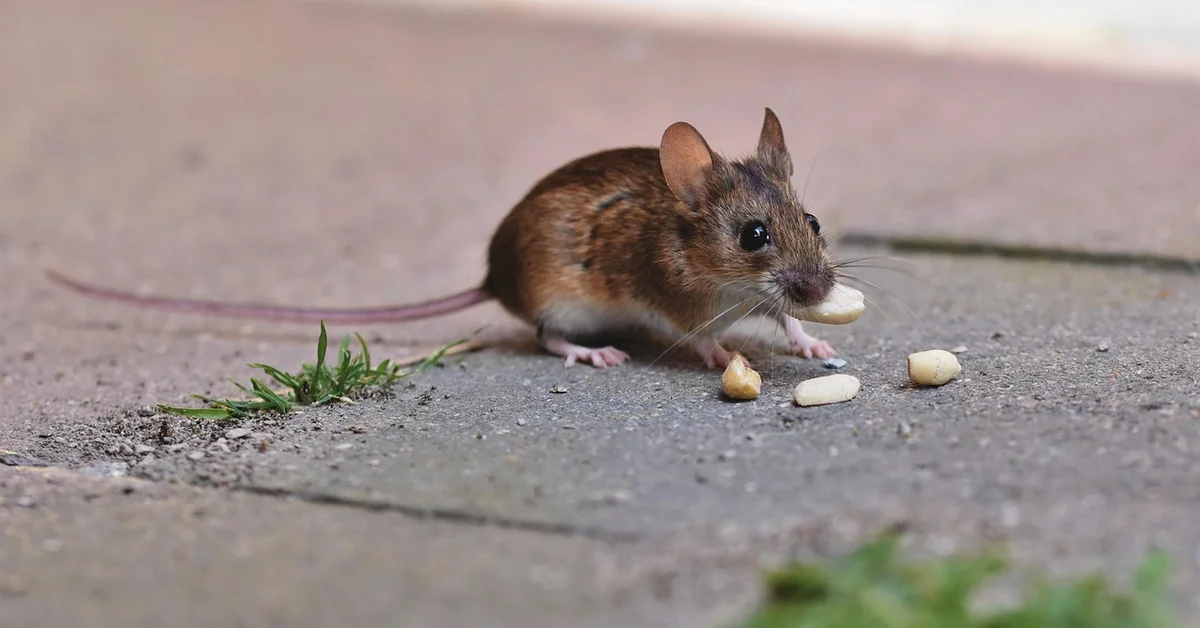
While a bit of nighttime scrabbling is normal mouse behavior, there’s a distinct line where it shifts from a harmless habit to a genuine concern. You’ll know the scratching has become a problem when it’s the first sound you hear at night and the last thought on your mind in the morning. It’s the difference between a mouse being a mouse and a mouse signaling that something in its world is out of balance.
Signs of Excessive or Compulsive Scratching
It’s crucial to recognize the red flags that distinguish casual burrowing instincts from distressed behavior. Normal scratching is intermittent and often happens when they are active and playing. Problematic scratching is relentless.
- The sound is constant and repetitive, focused on one specific spot for extended periods without pause.
- You notice bald patches or raw, red skin on their paws, nose, or around their mouth from the friction.
- The behavior continues even when you are present and the room is well-lit, showing a lack of normal caution.
- Your mouse neglects other activities like eating, drinking, or interacting with cage mates to scratch.
- They seem agitated or frantic while scratching, rather than purposeful and calm.
I once had a mouse who would scratch at the same corner for hours. This kind of obsessive repetition is a clear cry for help, not just an expression of natural instinct. It meant his environment was failing to meet his needs, and it was my job to figure out why.
Health Issues That Increase Scratching
Sometimes, the drive to scratch originates from physical discomfort. A healthy, comfortable mouse is far less likely to develop destructive habits. Several common health problems can manifest as increased wall scratching.
- Parasites: Mites and lice cause intense itching, driving a mouse to scratch any surface in a desperate attempt for relief.
- Respiratory Infections: A mouse feeling ill and congested may scratch more due to general stress and discomfort.
- Skin Infections or Allergies: Contact dermatitis from a certain bedding or a bacterial skin issue can make their skin crawl.
- Dental Problems: Overgrown teeth are painful. A mouse may scratch at walls as a generalized response to oral pain or to try and manually wear down its teeth.
- Neurological Issues: In rare cases, compulsive behaviors can stem from neurological conditions.
Any sudden, dramatic increase in scratching warrants a close health check and possibly a visit to an exotic veterinarian. Treating the underlying illness almost always resolves the behavioral symptom.
Structural Damage and Chew Marks
Beyond the noise and the worry for your pet, there’s the practical matter of your home. A determined mouse can cause surprising damage. It’s not just about the superficial noise; it can affect the value of your property.
- Look for actual grooves worn into plastic walls, base trays, or wooden platforms.
- Small holes chewed through the corners of a plastic bin cage or the sealant of a glass tank are a major red flag.
- You may find a pile of fine plastic or wood dust (sawdust) beneath their favorite scratching spot.
- This damage can create sharp edges that risk injuring your mouse or creating escape routes.
My mouse Jeffrey, who is usually quite gentle, once focused his anxiety on a single corner of his plastic house until he had chewed a noticeable dent. This kind of structural damage is a tangible sign that your mouse’s environment needs an immediate and thoughtful redesign. It’s their way of telling you that their current home is not a place where they feel secure and content.
How to Reduce Wall Scratching Behavior
Cage Environment Modifications
Your mouse’s home is their entire world, and a few simple changes to their cage can make a massive difference in their desire to scratch. Providing a deep, burrow-appropriate substrate is the single most effective change you can make to satisfy their digging instincts. I aim for at least four to six inches of aspen or paper bedding in one section of the cage, which allows my mice to construct their own intricate tunnel systems. This amount is crucial for suitable mouse bedding for burrowing.
- Substrate Depth: Ensure bedding is deep enough for tunneling-shallow bedding is a common cause of frustration.
- Solid Walls: Consider lining the bottom few inches of cage bars with cardboard or plastic to create a visual barrier and reduce the “target” area.
- Safe Chew Surfaces: Place applewood sticks, seagrass tunnels, and pumice stones directly against the walls they frequently scratch.
- Layout Matters: Avoid placing all hides and toys in the center; clutter the perimeter to physically block access to the walls.
Enrichment Solutions That Work
A bored mouse is a destructive mouse, and scratching is a clear signal they need more engaging activities. Rotating their toys and introducing new foraging puzzles every few days keeps their environment novel and mentally stimulating. My mouse Jeffery, who used to be a persistent wall-scratcher, completely stopped when I started hiding his favorite crumbled cereal in a cardboard egg carton filled with hay.
- Foraging Fun: Scatter their daily food ration throughout the bedding instead of using a bowl.
- Digging Box: Add a separate, sturdy container filled with coconut fiber soil or crinkled paper strips for dedicated excavation.
- DIY Projects: Toilet paper tubes, untreated wicker balls, and paper bags provide cheap, destructible entertainment.
- The Wheel: Offer a solid-surface, large-sized running wheel (at least 8 inches) for pent-up energy release.
Addressing Space and Social Needs
Mice are profoundly social creatures, and their scratching can sometimes be a call for companionship or more room to roam. Housing mice in appropriate, harmonious groups is fundamental to their well-being and can drastically reduce stress-related behaviors. However, some individuals do better on their own, so it’s important to assess temperament. A mouse social behavior guide can help you decide when to keep mice solitary or social. My trio-Kenny, Gregory, and Jeffery-live in a large, multi-level tank, and their complex social interactions keep them occupied far more than any single toy could.
- Cage Size: Upgrade to the largest enclosure possible; the minimum for a small group is a 20-gallon long tank.
- Proper Introductions: Never house a lone mouse; ensure new mice are introduced properly and humanely to form a stable group.
- Multiple Resources: Provide more than one wheel, hide, and water source to prevent competition and bullying.
- Out-of-Cage Time: Facilitate safe, supervised exploration in a mouse-proofed play area daily.
Managing Stress and Anxiety
Sometimes, the scratching isn’t about boredom but about fear. Identifying and mitigating stressors in their environment is key. Creating a predictable and calm routine helps anxious mice like my Jeffery feel secure, which in turn minimizes their nervous habits. Loud noises, sudden movements, and improper handling can all trigger this behavior.
- Cage Placement: Keep the cage in a quiet, low-traffic area away from direct sunlight and drafts.
- Consistent Handling: Use gentle, confident handling techniques and avoid grabbing from above, which mimics a predator.
- Scent Soothers: Add a drop of vanilla extract on a wood block or use a cloth you’ve slept with to add a familiar, calming scent.
- Observation: Watch for patterns. Does the scratching happen at a specific time of day? This can help you pinpoint the trigger.
When to Consult Your Vet

While most wall scratching is behavioral, it’s vital to recognize when it might signal a medical issue. A sudden, obsessive increase in scratching, especially if focused on one part of the body or accompanied by other symptoms, warrants an immediate veterinary visit. Your exotic vet can rule out problems that no amount of enrichment can solve.
- Skin Issues: Look for signs of parasites, like mites, which cause intense itching. Symptoms include hair loss, scabs, or reddened skin.
- Respiratory Distress: If scratching is paired with wheezing, sneezing, or porphyrin (red crust) around the eyes/nose, a respiratory infection could be the underlying stressor.
- Dental Problems: Overgrown teeth can cause facial pain and lead to odd scratching behaviors as the mouse tries to alleviate discomfort.
- No Improvement: If you’ve tried environmental and enrichment modifications for two weeks with no change in behavior, a vet check is a prudent next step.
Frequently Asked Questions
Do mice scratch walls during the day?
Yes, mice can scratch walls during the day, though they are most active during dawn and dusk (crepuscular). Daytime scratching might occur if your mouse is stimulated by noise, light, or activity in the room, or if it’s engaging in natural behaviors like nest-building or exploration. However, consistent daytime scratching could indicate boredom or stress if it replaces normal resting periods.
What does the sound of mice scratching in walls indicate?
The sound of scratching, often described as light scraping or persistent gnawing, typically reflects normal activities like burrowing, grooming nails, or investigating their environment. If the noise becomes frantic or constant, it may signal stress, health issues, or an attempt to escape due to insufficient enrichment. Observing your mouse’s behavior alongside the sound can help determine if it’s harmless or requires intervention.
How can I stop my mouse from scratching walls?
To reduce wall scratching, focus on environmental enrichment such as providing deep bedding for digging, chew toys for dental health, and rotating toys to prevent boredom. Ensure the cage is spacious and includes hiding spots to lower stress. If scratching persists, check for health problems like parasites or dental issues and consult a vet to rule out underlying causes.
Your Path Forward
Ultimately, the sound of a mouse scratching at a wall is a form of communication, a sign of a healthy, active creature expressing its natural instincts. It’s not a problem to be eliminated, but a behavior to be understood and gently guided toward more appropriate outlets. Those scratching and scurrying noises you hear in walls are the very sounds of this behavior. Recognizing mouse wall sounds helps decide whether to observe, make small changes to discourage nesting, or seek humane control.
By observing your mouse’s specific habits and enriching their world with chew toys, space, and engagement, you transform a moment of potential frustration into an opportunity for deeper connection. Your attentive care is the key to a happy, harmonious home for both you and your tiny, curious companion. Try puzzle feeders, treat‑dispensing toys, tunnels, and climbing structures to stimulate their minds and encourage natural foraging. Choosing the best enrichment toys that match your mouse’s habits will keep them mentally sharp and strengthen your bond.
Further Reading & Sources
- r/homeowners on Reddit: Occasionally hear tiny mouse “scratching” in the walls/ceiling, but no evidence of rodents inside the house. Do I need to do anything?
- What to Do If You Hear Scratching in Your Walls | Rodents in Walls
- Here’s What to Do About Mice in the Walls
Isabella is a passionate small pet enthusiast with over 8 years of experience in caring for mice. She loves sharing practical tips and heartfelt stories to help fellow mouse owners provide the best care for their tiny companions.
Understanding Mice Behavior