
Mouse Pup Development: From Pinkie to Weaning
Have you ever watched a newborn mouse pup and felt a mix of awe and worry about its fragile start? This guide offers a reassuring path through each growth stage, equipping you with trusted insights to foster healthy development.
We will cover the pinkie stage’s unique needs, the gradual shift to solid foods, and the joyful milestones of weaning. You will gain a clear understanding of how to support your pups as they blossom into lively juveniles.
Understanding the Four Stages of Mouse Pup Development
Mouse pups progress through four distinct phases, each with unique milestones and care needs. Recognizing these stages helps you provide the right support at the right time, ensuring healthy growth.
| Stage | Timeframe | Key Characteristics |
|---|---|---|
| Neonatal | Days 0-14 | Pink, hairless, eyes closed, fully dependent on mother |
| Transitional | Days 15-21 | Fur growth, eyes open, start exploring nest |
| Weaning | Weeks 3-4 | Begin eating solid food, become more independent |
| Juvenile | Week 4 onward | Fully weaned, social skills develop, rapid growth |
The Neonatal Stage: Days 0-14 (Pinkies)
What Pinkies Look Like and How They Behave
Newborn mouse pups, often called pinkies, have a soft, translucent pink skin because they lack any fur. Their tiny bodies are incredibly fragile, and they spend nearly all their time curled together for warmth and safety. Yes — baby mice are called pups, and the hairless newborns are specifically called “pinkies” because of their pink skin.
- Appearance: Hairless, with closed eyes and ears; you can sometimes see their internal organs through their skin.
- Behavior: They wiggle slowly to find their mother’s milk and communicate with faint squeaks if disturbed or cold.
- Mobility: Limited to crawling; they cannot see or hear yet, relying on scent and touch to navigate.
Critical Care Requirements for Pinkies
During this stage, pinkies need a stable, warm environment and minimal human interference. Keeping the nest undisturbed allows the mother to focus on feeding and grooming her litter effectively.
- Temperature: Maintain a consistent 75-80°F (24-27°C) to prevent chilling; use a heating pad on low under part of the cage if needed.
- Nesting: Provide ample soft bedding like unscented paper strips or hay for the mother to build a secure nest.
- Nutrition: Ensure the mother has access to high-protein foods, such as cooked egg or lab blocks, to support milk production.
- Handling: Avoid touching pups unless necessary, as human scent can stress the mother or lead to rejection.
Daily Development Changes in Week One
In the first week, pinkies undergo rapid internal growth even if changes aren’t always visible. You might notice slight weight gain and subtle skin darkening as their bodies prepare for future milestones.
- Day 1-2: Pups are born and immediately start nursing; their skin appears reddish-pink and very delicate.
- Day 3-4: They become more responsive to touch, wiggling more actively when the mother moves them.
- Day 5-6: Tiny whisker buds emerge, and their limbs grow stronger, allowing slight pushing motions.
- Day 7: Weight doubles from birth; their bodies look less translucent as fat layers develop.
Daily Development Changes in Week Two
Week two brings noticeable physical transformations as pinkies start to resemble tiny mice. This period marks the beginning of sensory development, with pups becoming more aware of their surroundings. As their senses sharpen, they may begin to explore the nest and its entrance around week three. Most pups are weaned and ready to leave the nest by about three to four weeks of age.
- Day 8-9: Fine, light fur begins to sprout, first on the back and head, giving a fuzzy appearance.
- Day 10-11: Ears start to unfold, and eyes may show slight cracks as they prepare to open.
- Day 12-13: Pups attempt to stand on wobbly legs and make softer, more varied vocalizations.
- Day 14: Most pups have a thin coat of fur and might briefly open their eyes, signaling the end of the neonatal stage.
The Transitional Stage: Days 14-21 (Eyes and Ears Open)
Physical Milestones During Transition
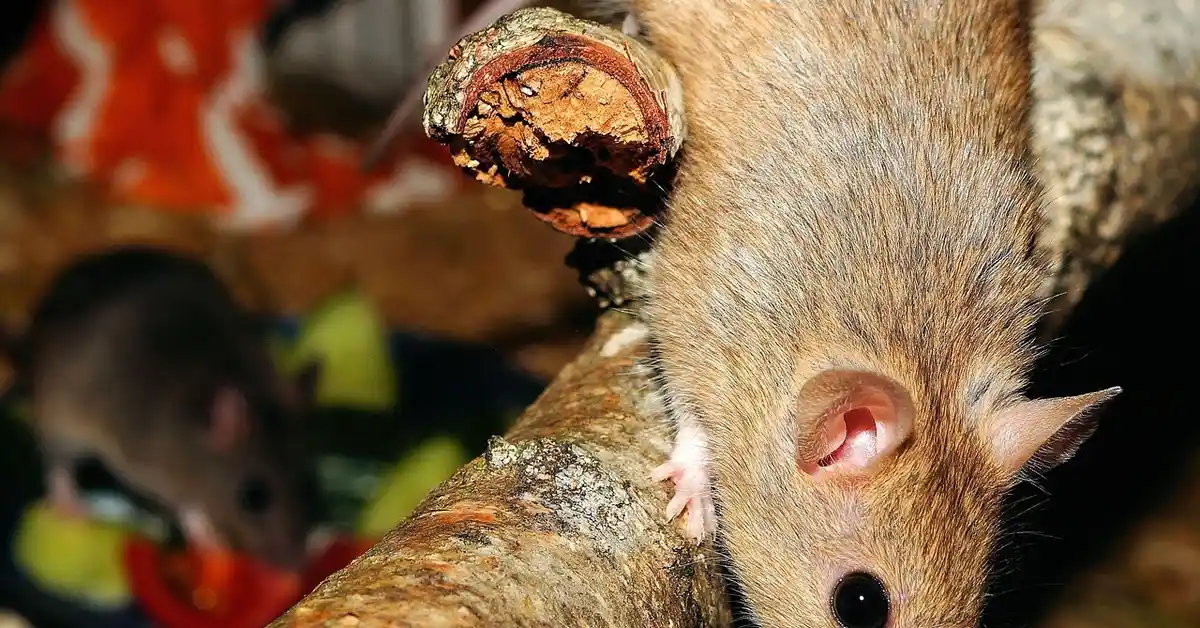
Around day 14, you will witness a magical transformation as your mouse pups’ eyes begin to open, revealing tiny, dark orbs that start to take in their world. This period marks a dramatic shift from complete dependence to budding awareness, with ears also unsealing to let in new sounds. Their bodies become more robust, with fur thickening into a soft, plush coat that provides better insulation.
- Eyes fully open, typically between days 12-14, allowing pups to perceive light and movement.
- Ear canals open, enabling them to hear nest-mates and environmental noises.
- Fur grows denser and more uniform, often showing the adult color pattern.
- Teeth begin to emerge, preparing them for future nibbling.
- Body weight increases noticeably, doubling or more from birth weight.
Early Movement and Coordination
As their senses awaken, pups start to experiment with movement beyond the nest. You will see them taking their first wobbly steps, which quickly evolve into playful tumbles and short climbs on cage accessories. Their coordination is still developing, so expect lots of stumbling and comical missteps as they learn to navigate their surroundings.
I have watched my own mouse, Kenny, during this stage—his bold nature meant he was often the first to attempt scaling a small hideout, even if he tumbled right back down. Providing low, safe obstacles like wooden blocks or shallow ramps encourages muscle development without risk of injury. Small variations in height and texture let them practice climbing, jumping and exploring in a controlled way. Watching Kenny scramble and leap made it clear how quickly their athleticism develops; their movements become less jerky and more purposeful by day 21, setting the stage for active exploration.
The Socialization Stage: Days 21-28 (Active Exploration)
Social and Play Behavior Development
This week is all about interaction and learning social cues. Pups engage in gentle play-fighting, chasing, and wrestling, which teaches them boundaries and strengthens bonds with siblings. You might notice one pup, like my curious Kenny, taking the lead in games, while others, such as Jeffery, prefer to observe before joining in.
- Play-fighting helps establish hierarchy and communication skills.
- Vocalizations become more varied, from soft squeaks to excited chirps during play.
- They start grooming each other, reinforcing social ties and cleanliness habits.
- Nest-sharing continues, but pups may begin sleeping in small, separate groups.
Introduction to Solid Foods
Now is the ideal time to introduce soft, easy-to-eat solid foods alongside their mother’s milk. Offer small portions of moistened lab blocks, cooked oatmeal, or mashed vegetables to spark their interest in solids. Place food in shallow dishes to prevent tipping and make it accessible for tiny mouths.
- Start with one or two food types to avoid overwhelming their digestive systems.
- Moisten pellets or grains with water to create a mushy consistency they can lap up.
- Include protein sources like small bits of scrambled egg or mealworms for variety.
- Remove uneaten fresh food after a few hours to keep the cage clean and prevent spoilage.
I recall Jeffrey, with his cheerful yet anxious personality, was initially hesitant but soon learned to nibble crumbs from his siblings. Patience is key, as some pups take longer to adapt to new textures and tastes.
The Weaning Stage: Days 28-35 (Independence)
Weaning Timeline and Schedule
Weaning is a gradual process that typically spans from day 28 to day 35, allowing pups to slowly reduce reliance on their mother’s milk. By the end of this period, most pups are fully eating solid foods and drinking water independently. Start by separating the mother for short intervals, increasing the time apart each day. To wean pups from their mother, offer softened kibble or a puppy gruel during these separations so they learn to eat without her. Monitor their weight and behavior to ensure they are adjusting well.
- Days 28-30: Mother spends 2-4 hours away from the nest daily.
- Days 31-33: Increase separation to 6-8 hours, ensuring pups have access to food and water.
- Days 34-35: Mother is only with pups for brief periods, primarily for comfort.
- Monitor pups for weight loss or distress, and adjust the schedule if needed.
Nutrition During Weaning
During weaning, focus on providing a balanced diet that supports rapid growth and energy needs. A mix of high-quality lab blocks, fresh vegetables, and occasional protein treats ensures they get all necessary nutrients. Always have a water bottle with a shallow sipper tube available, as pups are learning to drink on their own.
Gregory, my older, calm mouse, thrived on a weaning diet rich in variety, which helped him maintain his steady demeanor. Offer foods like broccoli florets, apple slices without seeds, and small amounts of plain yogurt for calcium and probiotics. Avoid sugary or fatty snacks, which can lead to health issues later on. A balanced diet supports long-term health by helping prevent obesity, dental disease, and digestive problems. Small, consistent choices now can improve his lifespan and overall quality of life.
| Food Type | Examples | Benefits |
|---|---|---|
| Staples | Lab blocks, oats | Provides essential vitamins and minerals |
| Vegetables | Carrots, peas | Adds fiber and hydration |
| Proteins | Cooked chicken, mealworms | Supports muscle development |
Complete Week-by-Week Development Chart
Watching mouse pups grow is one of the most rewarding experiences for any owner. Each week brings dramatic changes, transforming a helpless pinkie into a bustling miniature mouse. This chart outlines the key milestones you can expect.
| Week | Physical Changes | Behavioral Milestones |
|---|---|---|
| 1 | Born hairless, pink, and blind. Ears are sealed. Weighs 1-2 grams. | Movement is limited to a slow, writhing crawl. Entirely dependent on the mother for warmth and food. |
| 2 | First layer of fuzz appears. Skin darkens. Ear canals begin to open around day 10. | Pups become more mobile, wiggling actively. They start to produce faint squeaks. |
| 3 | Full coat of fur is present. Eyes open around day 14. Incisor teeth emerge. | Curiosity explodes! Pups begin exploring outside the nest and nibbling on solid food. |
| 4 | Looks like a miniature adult. Fully coordinated and agile. | Weaning is complete. Pups are eating solid food exclusively and are highly social and playful. |
Caring for Orphaned or Hand-Raised Pups
Finding yourself responsible for orphaned pups can feel daunting, but with careful attention, you can give them a fighting chance. Your consistent, gentle care becomes their entire world, and success hinges on replicating the mother’s role as closely as possible. When those pups are mice, the basics—warmth, regular feeding with an appropriate formula, and gentle stimulation—become especially important.
Choosing and Using Milk Replacers
A pup’s digestive system is incredibly delicate. You cannot use cow’s milk or most human infant formulas. The safest option is a puppy milk replacer, like Esbilac, mixed to a thin, watery consistency for their tiny stomachs. Kitten milk replacer can also work in a pinch. I always mix a fresh batch for each feeding to prevent bacterial growth.
- Puppy Milk Replacer (Esbilac): The gold standard for nutrient profile.
- Goat’s Milk: A more natural alternative, but must be fresh and often requires supplementation.
- What to Avoid: Cow’s milk, soy milk, and most human formulas; these cause severe digestive upset.
Hand-Feeding Techniques by Age
The tool and technique must evolve as the pup grows. Patience is your greatest asset here.
- Week 1-2: Use a fine-tipped paintbrush or a small syringe (without the needle). Dip the tip in the formula and let the pup lick it off. Their suckle reflex is weak, so never squirt liquid into their mouth.
- Week 2-3: You can transition to a very small oral syringe. Allow the pup to latch onto the tip and draw the formula out themselves at their own pace. Place a drop on their lips to encourage them.
- Feeding Schedule: Feed every 2-3 hours, including through the night, for the first two weeks. After their eyes open, you can stretch this to every 4 hours.
Maintaining Warmth and Hygiene
A cold pup is a dying pup, as they cannot regulate their own body temperature. Creating a stable, warm environment is non-negotiable for their survival.
- Warmth: Use a heating pad set on low placed under only half of the enclosure. This creates a thermal gradient so pups can move away if too warm. The ideal temperature is around 95°F (35°C) for newborns.
- Bedding: Use soft, unscented paper bedding or fleece strips. Avoid loose fibrous bedding that can entangle tiny limbs.
- Stimulation: Orphaned pups cannot urinate or defecate on their own. Before and after each feeding, gently stroke their genital area with a warm, damp cotton ball or your finger to mimic the mother’s cleaning.
Recognizing Healthy vs Concerning Development
Knowing what to look for helps you catch small issues before they become emergencies. Trust your instincts-you know your mice better than anyone, and subtle changes in behavior or appearance are often the first clue something is amiss.
Normal Development Indicators
A healthy pup is an active, growing pup. Look for these positive signs at each stage.
- A Healthy Appetite: A full, round, milky-white belly after feeding is a perfect sign.
- Consistent Growth: Pups should gain weight daily. They will visibly plump up and double their birth weight within the first week.
- Active Movement: Even newborns will wiggle toward warmth. By week three, you should see clumsy but enthusiastic exploration.
- Cleanliness: The mother keeps the nest immaculate. In her absence, the pups themselves should be free of caked-on formula or bedding.
Warning Signs at Each Stage
Act quickly if you notice any of these red flags. Early intervention is critical.
- Week 1-2: A sunken or discolored (blue or red) belly, lack of movement, or feeling cold to the touch. Failure to gain weight is a major concern.
- Week 2-3: Eyes fail to open by day 16. Crusty eyes or nose. Loud, persistent crying indicating hunger or pain. Diarrhea or a soiled, messy bottom.
- Week 3-4: Reluctance to try solid food. Lethargy or isolation from siblings. Hunched posture or ruffled fur, which signals illness or pain.
My little Jeffrey was the runt of his litter and was much slower to start nibbling solids than his brothers. I offered him soaked lab blocks mashed into a paste, which gave him the confidence to transition, a trick that has worked for me many times since.
Frequently Asked Questions
What are the mouse pup development stages in the womb?
Mouse gestation lasts about 19 to 21 days, with key development occurring in stages. In the first week, embryos implant and begin forming major organs, while the second week sees the growth of distinct features like limbs and a tail. By the final days, pups undergo rapid growth, gaining size and preparing for birth, though they remain fully dependent on the mother post-delivery. Below is a week-by-week guide to mouse pregnancy that outlines what to expect during each stage and how to monitor maternal and fetal wellbeing. This stepwise breakdown makes it easier to track development and plan appropriate care.
This in-womb phase is not covered in the main article but is essential for understanding a pup’s fragile start. Ensuring the mother receives proper nutrition and a stress-free environment during pregnancy supports healthy fetal development and a smooth transition to the neonatal stage. Proper nutrition for pregnant mice is crucial during this time.
How does mouse pup development progress by month?
In the first month, pups advance from birth to weaning, as detailed in the article’s weekly stages. By the end of month one, they are fully weaned, independent, and socially active juveniles. This period covers the most rapid changes, from hairless pinkies to agile mini-adults.
Beyond the first month, development slows, with pups reaching sexual maturity around 6-8 weeks (about 1.5-2 months). At this point, they are considered adults, capable of reproduction, and require monitoring to prevent unintended breeding if housed in mixed-sex groups.
Is there a day-by-day chart for mouse pup development?
While the article provides a week-by-week chart and daily details for the first two weeks, a comprehensive day-by-day guide for the entire weaning period is not included to avoid redundancy. For instance, days 0-14 are covered in the neonatal stage with specific daily milestones like fur growth and eye opening.
Owners can refer to the existing weekly chart and stage descriptions to track progress, as individual variation makes strict daily timelines less practical after the initial weeks. Focusing on key weekly milestones ensures better support without overwhelming detail.
Your Path Forward
Raising mouse pups from their delicate pinkie days through weaning is a rewarding adventure that deepens your connection to these intelligent animals. Celebrating each milestone, like their first nibbles of solid food or playful explorations, reinforces the joy of responsible pet ownership and attentive nurturing. Your consistent, gentle care lays the foundation for their health and sociability as they mature.
Embrace this phase with confidence, knowing your efforts create a safe, stimulating environment for their growth. Observing their unique personalities emerge will fill your days with laughter and warmth, making every moment of care truly worthwhile. You’re not just raising mice—you’re fostering lifelong companions. You may find they soon respond to your voice and scent; many mice learn to recognize and seek out their owners. Consistent, gentle handling and daily routines deepen these bonds.
Further Reading & Sources
- Mouse Pup Appearance by Age | Laboratory Animal Resource Center (LARC)
- JAX® Mice Pup Appearance by Age
- JAX® Mice Pups Appearance by Age Poster
Isabella is a passionate small pet enthusiast with over 8 years of experience in caring for mice. She loves sharing practical tips and heartfelt stories to help fellow mouse owners provide the best care for their tiny companions.
Mouse Biology & Anatomy