
Glass Tanks for Mice: Ensuring Proper Ventilation for a Healthy Habitat
Have you ever peeked into your mouse’s glass tank and wondered if the air inside is as fresh as it should be? I’ve faced that same concern with my own mice, like impulsive Kenny and calm Gregory, and this guide will give you clear, actionable steps to transform any glass enclosure into a well-ventilated sanctuary.
You’ll learn how to select the right lid for maximum airflow, balance humidity levels, and spot early signs of poor ventilation to keep your mice active and thriving.
Why Ventilation in Glass Tanks Matters for Mouse Health
Glass tanks create a beautiful, draft-free view of your little friends, but that very stillness is the source of the problem. Without consistent air exchange, the environment inside a glass box can become toxic for a mouse’s delicate respiratory system. I learned this the hard way with my first mouse, who developed a sniffle that a simple tank upgrade could have prevented.
Think of a sealed glass tank like a tiny, stuffy room where everything accumulates. Their urine breaks down and releases ammonia gas, a powerful irritant. Their breath adds moisture and carbon dioxide. Proper ventilation actively clears out these harmful byproducts and replaces stale air with fresh, oxygen-rich air. This constant, gentle refresh is what keeps their lungs clear and healthy.
Mice have incredibly efficient metabolisms and sensitive airways, making them highly susceptible to respiratory infections. A well-ventilated habitat isn’t just about comfort; it’s a fundamental pillar of preventative healthcare for your pet. It’s the difference between breathing crisp, clean air and breathing in a chemical soup, all day, every day. For house mice (Mus musculus), proper ventilation helps keep nesting areas dry and prevents ammonia buildup, which supports healthy feeding and normal activity. Poor air quality can suppress appetite and alter grooming and social behaviors.
Signs Your Glass Tank Has Poor Ventilation
Often, the tank itself and your mouse’s behavior will tell you everything you need to know long before a serious illness sets in. Staying observant and recognizing these early warnings can help you correct course quickly.
Respiratory Health Warning Signs in Your Mice
Watch your mice closely during their active periods in the evening. These physical and behavioral changes are your first clues. Because mice are nocturnal, these evening behaviors reflect their sleep–wake cycle—when they wake, forage, and rest. Tracking the timing and duration of these activities helps you map their natural rhythms.
- Audible Breathing: Listen for any sounds that aren’t normal squeaks or bruxing (tooth grinding). Wheezing, clicking, or congested-sounding breaths are a major red flag.
- Sneezing Frequently: An occasional sneeze can be normal, but repetitive, frequent sneezing fits indicate an ongoing irritant in the air.
- Squinty or Crusty Eyes: Mice with respiratory distress often develop a red, porphyrin-based discharge around their eyes and nose, making them look “squinty.” This is often mistaken for blood but is a sign of stress and illness.
- Lethargy and Hunched Posture: A mouse that is struggling to breathe will have less energy. You might see them sitting hunched in a corner, looking puffed up, and being less interested in exploring or interacting with cage mates.
- Loss of Appetite: Feeling unwell often leads to a decreased interest in food, even their favorite treats.
Environmental Red Flags in the Tank Itself
Your nose and eyes are powerful tools for assessing the tank’s atmosphere. Perform these checks regularly.
- A Persistent Musty or Pungent Odor: When you lift the lid, you should not be hit with a strong smell. A healthy, clean tank has a mild, earthy scent. A sharp, ammonia-like smell means waste gases are not being cleared out.
- Constant Condensation on the Glass: If you frequently see fog or water droplets on the inside walls of the tank, the humidity is far too high. This moist air is a breeding ground for bacteria and mold spores.
- Damp or Moldy Bedding: Feel the bedding in the corners and under hides. If it feels consistently damp or you see any fuzzy, colored patches, the ventilation is wholly inadequate.
- Stagnant, Still Air: Simply hold your hand over the open top of the tank. You should feel a slight difference in air movement. If the air feels completely dead and heavy, there is no meaningful air exchange happening.
How Glass Tanks and Aquariums Handle Airflow Differently Than Wire Cages

Glass tanks and wire cages create entirely different environments for your mice because of how they manage air movement. Wire cages allow air to circulate freely through their open sides, much like a screen door lets a breeze into a room, while glass tanks act more like a sealed jar where stale air can linger. This difference means that in a wire cage, ammonia from urine and excess moisture dissipate quickly, but in a glass tank, these can build up and affect your mouse’s respiratory health. I have noticed that my curious mouse Kenny, who loves to explore, breathes more comfortably in setups with good airflow, which keeps his energy levels high and reduces the risk of sneezing or lethargy. Wire cages naturally support cross-ventilation, where fresh air enters from multiple directions, but glass tanks rely heavily on top openings for any air exchange. Without proper modifications, a glass aquarium can trap humidity and odors, creating a stuffy atmosphere that isn’t ideal for your pet’s delicate lungs. This is why understanding these airflow differences helps you make smarter choices for your mouse’s home, ensuring they stay active and healthy.
Effective Ventilation Solutions for Mouse Aquariums
Mesh Lids and Wire Tops for Passive Airflow
Using a mesh or wire lid is one of the simplest ways to improve ventilation in a glass tank. These lids sit on top of the aquarium and let fresh air flow in and out passively, without any need for electricity or moving parts. I prefer metal mesh over plastic because it’s more durable and less likely to warp over time, which is something I learned when my older mouse Gregory’s calm demeanor was disrupted by a flimsy cover that didn’t fit well. Here are the key benefits of mesh lids:
- They allow constant air exchange, reducing humidity and ammonia buildup.
- Easy to clean and customize for adding food or water dishes.
- Provide a secure barrier that prevents escapes while promoting airflow.
For the best results, choose a lid with small enough gaps to keep even the tiniest mice, like my jumpy friend Jeffery, safely inside while maximizing air circulation. This approach mimics the natural ventilation of wire cages but in a glass setup, giving your mice the fresh air they need without compromising safety. Check the Ultimate Guide to Mouse Cages for step-by-step advice on choosing lids, materials, and layouts for different temperaments. It also lists recommended dimensions and safety checks to keep explorers like Jeffery secure.
Adding Side Ventilation Panels to Glass Tanks
Side ventilation panels introduce cross-ventilation by creating openings on the tank’s walls, which helps air move horizontally rather than just vertically. Installing these panels can dramatically improve air quality by allowing breezes to sweep through the enclosure, much like opening windows in a stuffy room. I have added side vents to my tanks using safe materials, and it made a noticeable difference in how my mice behaved-Gregory seemed less grumpy, and Jeffery’s anxious squeaks decreased. Consider these options for side panels:
- Cutting small sections of the glass and covering them with mesh screens.
- Using pre-made acrylic panels with drilled holes for airflow.
- Positioning vents near the top and bottom to encourage natural convection currents.
Always ensure the edges are smooth and secure to prevent injuries, as mice love to climb and explore every corner of their home. This method boosts passive airflow and works well combined with a mesh lid for comprehensive ventilation.
Active Ventilation Using Small Fans
For tanks in areas with poor natural airflow, small fans can provide active ventilation by mechanically moving air in and out. Using a quiet, low-power fan near the tank’s opening helps circulate stale air and bring in fresh oxygen, which is especially useful in humid climates or densely furnished enclosures. I once set up a mini USB fan for Kenny’s tank during a hot summer, and it kept his environment cool and odor-free without stressing him out. Here is how to use fans effectively:
- Place the fan at a distance to avoid direct drafts on the mice, which can cause respiratory issues.
- Opt for battery-operated or USB fans for safety and easy placement.
- Run the fan intermittently, such as for a few hours daily, to maintain air quality without overwhelming your pets.
Active ventilation supplements passive methods and can be a game-changer for maintaining a healthy mouse habitat, but monitor your mice for signs of discomfort like excessive hiding or shivering. This approach adds an extra layer of protection against airborne irritants. Include ventilation strategies in any preventative mouse health guide. Pair them with regular cage cleaning and health checks to help prevent respiratory issues.
Step-by-Step Guide to Modifying a Glass Aquarium for Better Airflow
Choosing the Right Mesh Size and Material
Selecting the appropriate mesh is critical for balancing ventilation and safety in your mouse tank. The mesh should have openings small enough to prevent escapes-aim for gaps no larger than 1/4 inch to keep even energetic mice like Kenny contained. I have experimented with different materials and found that stainless steel mesh is ideal because it resists rust and chewing, unlike plastic options that can degrade over time. Consider these factors when choosing mesh:
- Metal meshes offer durability and better airflow, but ensure they are not sharp-edged.
- Plastic or nylon meshes are lighter and easier to cut, but may need frequent replacement if mice nibble on them.
- Mesh with a fine weave improves air filtration while still allowing ample circulation.
Testing the mesh with a gentle tug can help you gauge its strength, as you want something that withstands curious paws without bending or breaking. This choice lays the foundation for a well-ventilated and secure home for your mice.
Installation Tips for Secure Ventilation Panels
Installing ventilation panels properly ensures they stay in place and function safely over time. Start by measuring the area where you will add the panel, typically on the lid or sides, and use tools like a glass cutter or drill designed for aquarium modifications. I have followed these steps for my tanks, and it helped create a stable environment where Jeffrey’s cheerful nature could thrive without ventilation worries. Here is a step-by-step process:
- Clean the glass surface thoroughly to remove any dust or residues that could interfere with adhesion.
- Mark the cutout area with a non-toxic marker, ensuring it is away from corners to maintain structural integrity.
- Cut the glass or acrylic carefully using safety goggles and gloves, or seek professional help if unsure.
- Attach the mesh panel using aquarium-safe silicone or clips, pressing firmly to create a tight seal.
- Allow the adhesive to cure completely-usually 24 hours-before introducing your mice back into the tank.
Regularly check the panels for loose edges or signs of wear, as mice are natural chewers and might test the boundaries of their new vents. This method transforms a standard glass tank into a breathable space that supports your mouse’s well-being. While inspecting the vents, take a moment to check your mouse for signs of good health—bright eyes, smooth coat, normal breathing, and regular droppings. Regular home checks help you catch problems early and seek veterinary care if needed.
Managing Humidity and Ammonia Buildup in Glass Mouse Enclosures
That glassy, beautiful home for your mice can quickly become a stuffy box if you aren’t careful. Stagnant air traps moisture from your mice’s breath and waste, creating a perfect storm for respiratory distress and ammonia fumes that burn their delicate lungs. I learned this the hard way with my first mouse, Gregory, who developed a persistent sniffle until I overhauled my entire approach to air quality. To reduce mouse odor in your home, improving ventilation and cleaning routines is essential. Simple changes like more frequent bedding swaps and using odor-absorbing materials made a big difference for Gregory.
Bedding Management for Better Air Quality
Your choice of bedding is your first and most powerful line of defense against poor air. Think of it as the enclosure’s primary air filter. Choosing breathable, low‑VOC, hypoallergenic materials and properly washable covers reduces dust mites, mold, and chemical off‑gassing that can trigger asthma or other respiratory problems. Regularly cleaning and selecting moisture‑resistant fillings keeps bedroom air healthier and easier to breathe.
- Choose High-Absorbency, Low-Dust Options: Paper-based bedding is my top choice; it soaks up urine effectively and contains odors without releasing irritating dust particles into the air they breathe.
- Layer for Maximum Effect: A deep layer of bedding, at least 2-3 inches, allows for proper absorption and gives your mice the joy of tunneling, which also helps to aerate the substrate.
- Spot-Clean Religiously: Every single day, I remove visibly soiled bedding and wet patches. This daily habit is non-negotiable for preventing ammonia from ever having a chance to build up.
- Perform a Full Change Weekly: A complete bedding replacement every week resets the environment. When you do this, wipe the glass walls with a vinegar-water solution to eliminate any lingering ammonia crystals.
- Avoid Cedar and Pine Shavings: The phenols in these woods are toxic to mice and can severely compromise their respiratory systems, making any ventilation struggles much worse.
Monitoring and Preventing Condensation
When you see water droplets forming on the inside of the glass, it’s a clear warning sign that humidity is too high. Condensation is more than just moisture; it’s a breeding ground for mold and bacteria that will circulate in the air your mice inhale.
- Conduct the “Touch Test”: Run your hand along the cool glass walls each morning. If they feel damp, your ventilation is insufficient for the current humidity level.
- Ensure True Cross-Ventilation: One mesh panel on top is often not enough. If possible, add a second mesh section on one of the tank’s sides to create an air current that pulls stale, moist air out.
- Relocate Water Sources: Place water bottles on the warmest side of the tank, ideally near or under a mesh lid, so that evaporation is whisked away instead of adding to the general humidity.
- Use a Small Room Dehumidifier: If you live in a naturally humid climate, running a dehumidifier in the room where the tank is located can make a dramatic difference for everyone’s comfort.
- Check Your Room’s Ambient Humidity: Keep the room itself between 30% and 50% relative humidity. A simple, inexpensive hygrometer placed near the enclosure will give you the data you need.
Calculating Ventilation Needs Based on Tank Size and Mouse Count
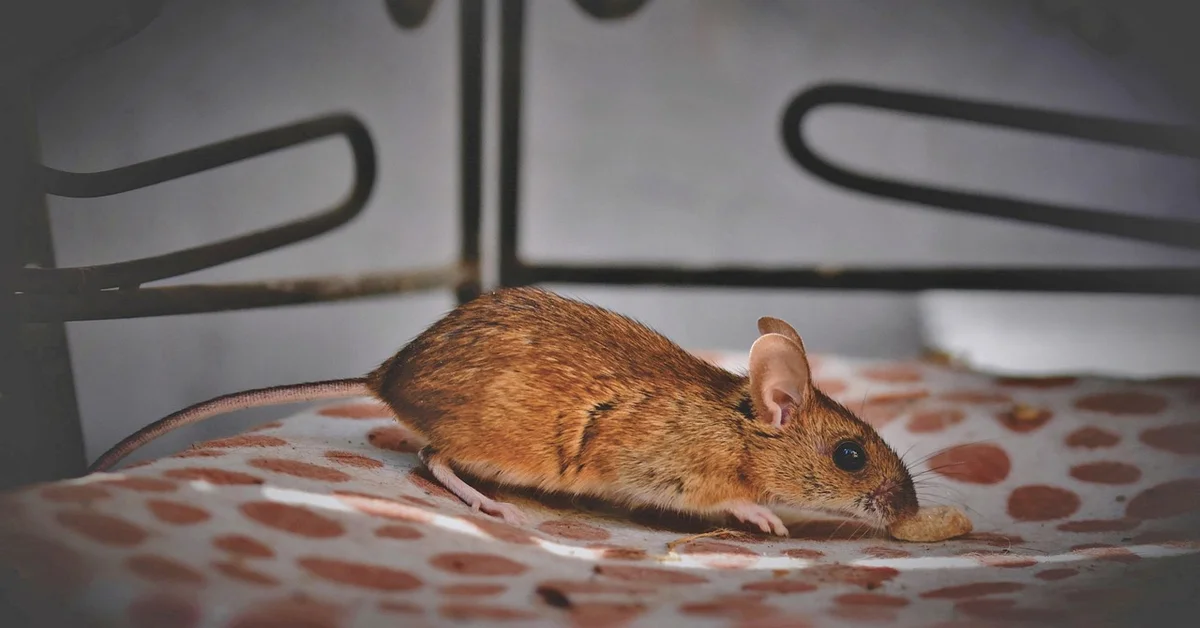
Ventilation isn’t a one-size-fits-all solution. The perfect airflow for your setup is a direct calculation of how much space you have and how many little lungs are using it. More mice or a smaller tank means the air turns over much faster, demanding more robust ventilation.
Use this simple guide to assess your current setup:
| Tank Size (Gallons) | Ideal Mouse Count | Minimum Mesh Coverage | Extra Tips |
|---|---|---|---|
| 10 Gallons | 1-2 Mice | Full Mesh Lid | Essential for such a small air volume. Monitor closely. |
| 20 Gallons | 2-3 Mice | Full Mesh Lid | A good standard setup. A side mesh panel is a great upgrade. |
| 30+ Gallons | 3-4 Mice | Full Mesh Lid + Partial Side Mesh | The height can trap stale air low; cross-ventilation is key here. |
Beyond the basic numbers, you must become an observer of your mice’s behavior. If you notice your mice spending excessive time with their noses pressed against the mesh lid, they are actively seeking fresher air. My bold little Kenny used to do this, and it was my signal that his 20-gallon home needed more airflow for his energetic antics. Adding a second, smaller mesh panel on the back wall solved the issue completely. Listen to what your pets are telling you—they are the best indicators of their own comfort. Those same observational skills help you spot early signs of mice around your car, RV, or boat—look for droppings, nesting materials, or chew marks—and act quickly to seal entry points and keep them out.
Temperature Regulation and Airflow Balance
Glass tanks create a unique climate for your mice, one that needs your careful attention. Unlike wire cages, glass traps heat and humidity, turning a cozy home into a stuffy, uncomfortable environment surprisingly fast. Proper ventilation is not just about fresh air; it’s your primary tool for managing the tank’s internal weather. I’ve found that even a well-ventilated tank can feel noticeably warmer than the room it’s in, a detail you can easily miss without a dedicated thermometer.
Striking the right balance is key. You want enough air moving through to prevent condensation and heat buildup, but not so much that it creates a constant, chilling draft. A gentle cross-breeze that you can barely feel on your own hand is the ideal goal for your mice’s habitat. My mouse, Kenny, is particularly sensitive to stagnant air and will immediately seek the highest point in the tank, directly under the mesh, when he needs a fresher breath. Low-dust bedding helps keep that airflow healthy and reduces respiratory risks. Paper-based or kiln-dried aspen are among the best dust-free choices for mice.
Strategies for a Stable Environment
- Use a Digital Thermometer and Hygrometer: Place these small devices inside the tank to get accurate, real-time readings of temperature and humidity levels.
- Position the Tank Thoughtfully: Keep the enclosure away from direct sunlight, radiators, and air conditioning vents to prevent extreme temperature swings.
- Create a Thermal Gradient: Arrange bedding, hides, and platforms so one side of the tank is slightly warmer (with more nesting material) and the other is cooler. This lets your mice choose their comfort zone.
- Monitor After Deep Cleaning: A freshly cleaned tank with damp bedding will have higher humidity; extra ventilation is helpful for the first few hours until it normalizes.
Common Ventilation Mistakes and How to Fix Them
Many well-intentioned owners accidentally create problems with their tank setup. I’ve made a few of these errors myself over the years and learned how to spot and correct them quickly. The most frequent mistake is treating a glass tank like a sealed display case instead of a dynamic, living ecosystem. Recognizing these common pitfalls is the first step toward creating a healthier home for your pets.
Mistake 1: The Solid Lid
Using a solid piece of glass or plastic as a lid is a recipe for disaster. It completely blocks the escape of ammonia from urine and traps all humidity from breathing and water bottles. Ammonia buildup is invisible to you but is a serious respiratory irritant for your mice. My cautious mouse, Gregory, would always develop a slight sniffle when I experimented with a lid that had insufficient ventilation.
- The Fix: Replace any solid lid with a tightly-fitting, sturdy metal mesh lid. This allows for maximum air exchange while keeping your curious mice securely inside.
Mistake 2: Over-reliance on Small Side Vents
Some aquariums marketed for small pets come with a few small, pre-drilled holes on the sides. While better than nothing, these are almost never enough on their own. Heat and stale air rise, so ventilation is most effective when it’s located at the top of the enclosure. Relying solely on side vents is like trying to air out a stuffy room by only opening a window an inch.
- The Fix: Combine a full mesh top with those side vents. This creates a “chimney effect,” where fresh, cooler air is drawn in from the sides and warm, stale air escapes from the top.
Mistake 3: Blocking the Mesh with Décor
It’s natural to want to fill the vertical space with hammocks, ropes, and shelves. However, piling these directly against the mesh lid can significantly obstruct airflow. Even a partially blocked mesh lid can reduce ventilation efficiency by more than half. I once had a setup where Jeffery’s favorite hammock was pressed against the mesh, and I noticed condensation forming in that corner.
- The Fix: Ensure there is a clear gap of at least a few inches between the highest point of any toy or platform and the mesh lid. This maintains an open airway for proper circulation.
Mistake 4: Ignoring Seasonal Changes
Your home’s air changes with the seasons—dry and hot in summer, potentially damp and cold in winter. A ventilation setup that works perfectly in July might not be sufficient in December. Your mice’s ventilation needs are not static; they require seasonal adjustments from you. That means inspecting and sealing common entry points—storage units, boats, and appliance vents like air conditioners and dryer vents—as the seasons change. Proper screens and seasonal checks help keep mice out.
- The Fix: In humid summers, you might need to run a dehumidifier in the room or ensure a fan is circulating air nearby (not pointed directly at the tank). In dry winters, monitor humidity levels to ensure the air doesn’t become too arid for their delicate respiratory systems.
Frequently Asked Questions
What is the ideal tank size for a group of mice?
A good rule of thumb is a minimum of a 10-gallon tank for 1-2 mice, with an additional 5 gallons per extra mouse. However, a 20-gallon long tank or larger is highly recommended for a small group, as it provides more floor space for exercise and helps prevent a quick buildup of waste gases. Always prioritize a larger footprint over height, as mice are terrestrial and ample floor area allows for better air circulation throughout the entire habitat.
How can I mouse-proof my home’s furnace vents?
To keep mice from entering furnace vents, ensure all vent covers are securely attached with no gaps. You can place fine metal mesh (hardware cloth) behind the vent cover, as mice cannot chew through it. Most importantly, the best prevention is to make their primary enclosure-the glass tank-so comfortable and well-ventilated that they have no desire to seek escape routes to other parts of your home.
What are the key elements of a well-ventilated mouse tank setup?
Beyond just a mesh lid, a well-ventilated setup includes using highly absorbent, low-dust bedding to control ammonia and moisture at the source. The arrangement of toys and platforms is also crucial; ensure they do not block airflow from the mesh top. Placing the tank in a room with stable temperature and good general air circulation, but away from direct drafts, completes an effective and healthy environment for your mice.
Your Next Steps
Ensuring your glass tank is a healthy home boils down to one simple principle: excellent cross-ventilation is non-negotiable. A secure mesh lid and thoughtful placement away from drafts and direct sunlight create the stable, fresh-air environment your mice need to thrive.
When you get the airflow right, you’re rewarded with the delightful sight of active, curious mice exploring their world. I love watching my own mouse, Kenny, confidently clamber across his ropes, a clear sign he’s breathing easy in a space that’s both secure and wonderfully airy.
Further Reading & Sources
- (PDF) Impact of Room Ventilation Rates on Mouse Cage Ventilation and Microenvironment
- Comparison of environment and mice in static and mechanically ventilated isolator cages with different air velocities and ventilation designs – PubMed
- Mouse Housing System Using Pressurized Cages Intraventilated by Direct-Current Microfans – PMC
Isabella is a passionate small pet enthusiast with over 8 years of experience in caring for mice. She loves sharing practical tips and heartfelt stories to help fellow mouse owners provide the best care for their tiny companions.
Cage Types