
Attract Owls to Your Yard: A Natural Pest Control Guide
Tired of battling garden pests and rodents with methods that feel endless or harsh? What if your yard could manage its own ecosystem with a little wild help? This guide provides a clear path to welcoming nature’s most effective hunters, turning your outdoor space into a balanced sanctuary.
You will learn how to create a safe and inviting environment for these magnificent birds. We’ll cover everything from providing the right shelter and nesting sites to ensuring a consistent water source and understanding their daily rhythms. Creating a predator-friendly space is simpler than you might imagine.
Why Mouse Pet Owners Should Care About Natural Predators
As someone who shares my home with curious little souls like Kenny and Gregory, I know the instinct is to protect them from every conceivable threat. Welcoming natural predators into your wider environment is not about inviting danger to your pets, but about managing the wild rodent populations that can pose a genuine risk to them. Wild mice can carry diseases and parasites that you do not want tracking into your pet’s habitat, and they can cause stress and territorial disputes even through the bars of a cage.
The Balance Between Wildlife Management and Pet Protection
This practice is a beautiful exercise in balance. Your primary responsibility is to the animals in your direct care, which means their indoor enclosures must be absolutely secure, predator-proof fortresses. My own mice’s cage has sturdy locks and bars spaced too narrowly for even the most determined paw. Once you have that foundation of safety, you can look outward. Simple yard and garden maintenance—sealing compost bins, removing brush, and storing pet food indoors—removes the food and shelter that attract rodents. These steps complement a healthy owl population, which helps control the wild mice that might be drawn to your garden shed or compost bin. This reduces the chance of wild mice attempting to nest near your home or, worse, trying to interact with your pets’ living space. You are creating a safer, more stable environment for your indoor companions by supporting a natural check on the outdoor population.
Installing Owl Boxes and Nesting Structures
Providing a proper home is the most effective way to encourage owls to take up residence and become your silent, feathery gardening partners. An owl box is more than just a birdhouse; it’s a carefully engineered shelter that meets the specific needs of a nocturnal raptor. By installing one, you offer a safe alternative to drafty attics or unstable tree hollows, giving a breeding pair a dedicated space to raise their young away from your own dwelling.
Choosing the Right Owl Box for Your Local Species
Not all owls are the same, and neither are their housing preferences. The first step is identifying which owls are common in your region, as this will dictate the size, shape, and entrance hole of the box you need. For most suburban areas, you’ll likely be catering to smaller species like the Eastern Screech-Owl or the Western Screech-Owl.
- Screech-Owl Boxes: These are smaller, with an entrance hole of about 3 inches in diameter. They often have an elongated design.
- Barn Owl Boxes: Larger and more rectangular, these boxes need a 6-inch entrance and significantly more internal space.
- Material Matters: Look for boxes made from durable, untreated wood like cedar, which provides good insulation. Avoid boxes with a perch below the entrance hole, as this can help predators access the nest.
- Essential Features: Ensure the box has drainage holes in the bottom, ventilation near the top, and a side or top panel that opens for easy, necessary annual cleaning.
Where and How to Mount Nesting Boxes
Placement is everything. A perfectly built box in the wrong location will remain empty. Mount your owl box on a sturdy tree or a tall, dedicated pole, ensuring it’s between 10 and 20 feet high to keep the occupants safe from ground-based predators. I’ve found that facing the entrance hole away from the prevailing wind and rain, often towards the southeast, provides the best protection from the elements.
- Select a quiet location away from frequent human activity and well away from roads to prevent collisions.
- Ensure the box has a clear flight path to the entrance, free of dense branches or wires.
- Secure the box firmly so it does not sway excessively in the wind, which can disturb the owls and their eggs.
- Consider adding a layer of wood chips or pine straw to the bottom of the box to provide a soft, natural base for the owls.
Patience is key, as it can take a full season or more for a curious owl to investigate and accept its new real estate.
Creating Natural Habitat Features Owls Need
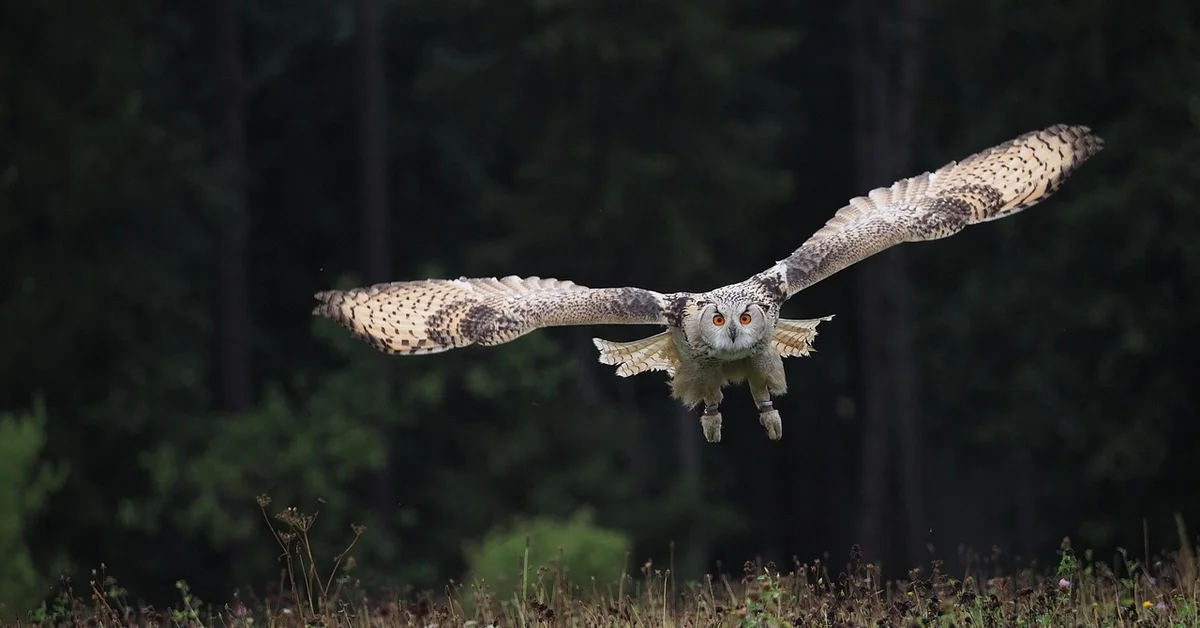
Perching Sites and Hunting Platforms
Owls are patient hunters who rely on elevated vantage points to spot their next meal. Providing natural perches mimics their wild hunting strategy and gives them a comfortable base to operate from. I’ve noticed a distinct increase in owl visits since leaving a few tall, dead trees standing at the edge of my property.
Consider these options for creating effective perching and hunting platforms:
- Leave dead trees (snags) standing if they are not a safety hazard, as their bare branches offer ideal, unobstructed views.
- Install tall, sturdy wooden posts, at least 10-15 feet high, in open areas like the perimeter of a lawn or meadow.
- Use existing structures like the top of a fence post or a high, flat section of a barn or shed roof.
- Space perches at varying distances to create a network of hunting stations throughout your land.
Preserving Wild Areas and Habitat Corridors
Owls need to feel secure, and a perfectly manicured lawn appears as a barren, dangerous desert to them. A slightly untamed yard provides the cover and prey abundance that makes an area worth an owl’s time. My own yard has a “wild corner” where I let native grasses and shrubs grow freely, and it’s a hub of rodent activity. House mice can easily survive outdoors, using dense vegetation for nesting and protection. They make use of seeds, insects and human-associated food sources, so such corners help them persist year-round.
To make your space a functional habitat, focus on these elements:
- Allow a section of your yard to grow naturally with tall grasses, native shrubs, and brush piles.
- Plant native trees and shrubs that produce berries or support insects, which in turn support the small mammal population.
- Work with neighbors to create habitat corridors-connected patches of wild space that allow owls and other wildlife to move safely between properties.
- Minimize soil disturbance in these areas to protect the burrows and nests of the owls’ prey.
Managing Light and Chemical Use for Nocturnal Hunters
Why Dark Skies Matter for Owl Activity
Owls are masters of the night, and their exceptional vision is calibrated for darkness. Artificial light disrupts their natural hunting cycles and can make them hesitant to enter a brightly lit area, no matter how many mice are present. I made the switch to motion-sensor lights and the difference in nighttime wildlife activity was immediate and noticeable. A nocturnal nature guide explained that mice adjust their sleep–wake cycles in response to light, becoming less active in lit areas and shifting where owls hunt. Reducing unnecessary lighting helps preserve those natural mouse activity patterns and supports a healthier nighttime ecosystem.
You can support their nocturnal lifestyle with a few simple adjustments:
- Switch exterior lights to downward-facing, shielded fixtures that focus light only where you need it.
- Use motion-activated lights instead of lights that stay on all night.
- Choose warm-colored LED bulbs (under 3000 Kelvin), as they are less disruptive to wildlife than cool, bright blue-white light.
- Close curtains at night to prevent indoor light from spilling into the yard.
Avoiding Pesticides That Harm the Food Chain
The connection between a sprayed lawn and a hungry owl is direct and devastating. Rodents that ingest pesticides become slow, sick, and toxic, passing the poison up the food chain to the predators that eat them. Mice are not only key prey for owls and other predators but also act as seed dispersers that help regenerate plant communities, so their decline ripples through the whole ecosystem. Protecting them safeguards both food chains and the plants that depend on their movements. Seeing my curious mouse, Kenny, safe in his habitat reinforces my commitment to keeping the outdoor ecosystem just as safe for his wild cousins and their predators.
Embrace a natural approach to yard care to protect the entire food web:
- Eliminate rodenticides entirely, as they are a primary cause of secondary poisoning in owls.
- Avoid broad-spectrum insecticides that kill the beetles, moths, and other insects that are a food source for young rodents.
- Manage weeds through manual removal or natural mulch instead of chemical herbicides.
- Encourage natural pest control by building a healthy habitat for insect-eating birds and bats.
Providing Water Features and Food Sources
Attracting owls begins with creating a habitat that feels like a reliable restaurant and spa. Offering a consistent, clean water source is one of the most effective ways to make your yard a predator destination. A simple, ground-level birdbath or a shallow dish of water provides a vital drinking and bathing spot, especially during dry spells. Scientific studies of foraging behavior show that predictable, low-risk resources encourage wildlife to adopt natural foraging patterns, making them more likely to return. By supporting these natural behaviors, you increase the chances owls will visit and hunt in your yard.
While you don’t need to provide food directly for owls, you can cultivate a healthy population of their natural prey.
- Allow a small section of your lawn to grow slightly longer to encourage vole and insect activity.
- Install a brush pile or a log stack in a quiet corner to offer shelter for small mammals.
- Avoid using pesticides and rodenticides, which can poison the owl’s food chain and the owls themselves.
Welcoming owls into your outdoor space requires a thoughtful approach when you share your home with pet mice. If you keep mice alongside other pets—like cats, dogs, or indoor birds—take extra precautions to prevent accidental encounters and added stress. The key is creating a firm, undeniable boundary between the wild outdoors and the safe indoors. This allows you to support local wildlife without putting your small companions at risk.
Frequently Asked Questions
Can you attract owls to your yard?
Yes, it is possible to attract owls to most yards with thoughtful adjustments. By providing essential elements like safe nesting sites, reliable water sources, and abundant prey habitats, you can make your space appealing. For mouse pet owners, this natural approach helps manage wild rodent populations that might otherwise pose risks to indoor pets, without directly endangering your cared-for companions.
How do I attract an owl to my yard?
Start by installing an owl box suited to local species in a quiet, elevated location away from heavy human activity. Complement this with natural perches and untamed areas to support prey like insects and small mammals. Avoid pesticides and minimize night-time lighting to create a hunter-friendly environment, which can reduce the presence of wild rodents near your home.
How to attract owls to your backyard?
Focus on creating a balanced ecosystem by adding a ground-level water feature and allowing sections of your backyard to grow wild with native plants. This encourages a healthy prey base and offers shelter. For those with pet mice, these steps help sustain owls as natural pest controllers, while ensuring your pets’ safety through secure indoor habitats.
Your Path Forward
Welcoming owls into your outdoor space is a powerful, natural strategy that benefits both the local ecosystem and your peace of mind regarding wild rodent populations. By providing safe nesting spots, a clean water source, and minimizing disturbances, you create a sanctuary that encourages these magnificent hunters to take up residence.
This journey transforms your yard into a more balanced, living landscape where nature’s own checks and balances can thrive right outside your window. Hearing the first twilight hoots will be a rewarding sign that you are successfully fostering a harmonious environment for all its inhabitants.
Further Reading & Sources
- How to Attract Owls to Reduce Rodent Populations
- Owls Contribute to an Integrated Pest Management Program | UC Agriculture and Natural Resources
- Owls & Natural Scaring Devices – Made in USA Protective Owls for Birds – Dalen Products
Isabella is a passionate small pet enthusiast with over 8 years of experience in caring for mice. She loves sharing practical tips and heartfelt stories to help fellow mouse owners provide the best care for their tiny companions.
Humane Removal & Trapping