
Salmonellosis Prevention: Simple Hygiene Steps for Your Safety
Have you ever felt a sudden worry after handling raw chicken or wondered if your kitchen habits are truly safe from foodborne illness? This guide provides clear, actionable steps to shield yourself from salmonellosis through straightforward hygiene practices.
We will explore how salmonella bacteria spread, identify common sources of contamination, and detail effective cleaning routines for your home and hands.
Understanding Salmonellosis and Your Pet Mice
Can Mice Transmit Salmonella to Humans?
Yes, pet mice can carry and shed Salmonella bacteria even when they appear perfectly healthy. Rodents are natural reservoirs for this bacterium, which lives in their gastrointestinal tract and is passed through their droppings. When you clean their habitat, handle them, or even touch surfaces they’ve explored, you risk coming into contact with these invisible germs. I make it a rule to treat every interaction with my mice, Kenny, Gregory, and Jeffery, as a potential exposure point, because their cuteness doesn’t negate the biology at play.
Recognizing Salmonellosis Symptoms in Humans
If Salmonella bacteria enter your system, the resulting illness, salmonellosis, typically announces itself with unmistakable and unpleasant signs. Be on high alert for a combination of abdominal cramps, diarrhea, fever, and nausea that usually appears 6 hours to 6 days after exposure. The symptoms can range from mildly inconvenient to severely dehydrating. For most healthy adults, the body fights it off within a week, but the experience is thoroughly draining and best avoided altogether through diligent hygiene.
Daily Hygiene Practices for Mouse Owners
Handwashing After Every Mouse Interaction
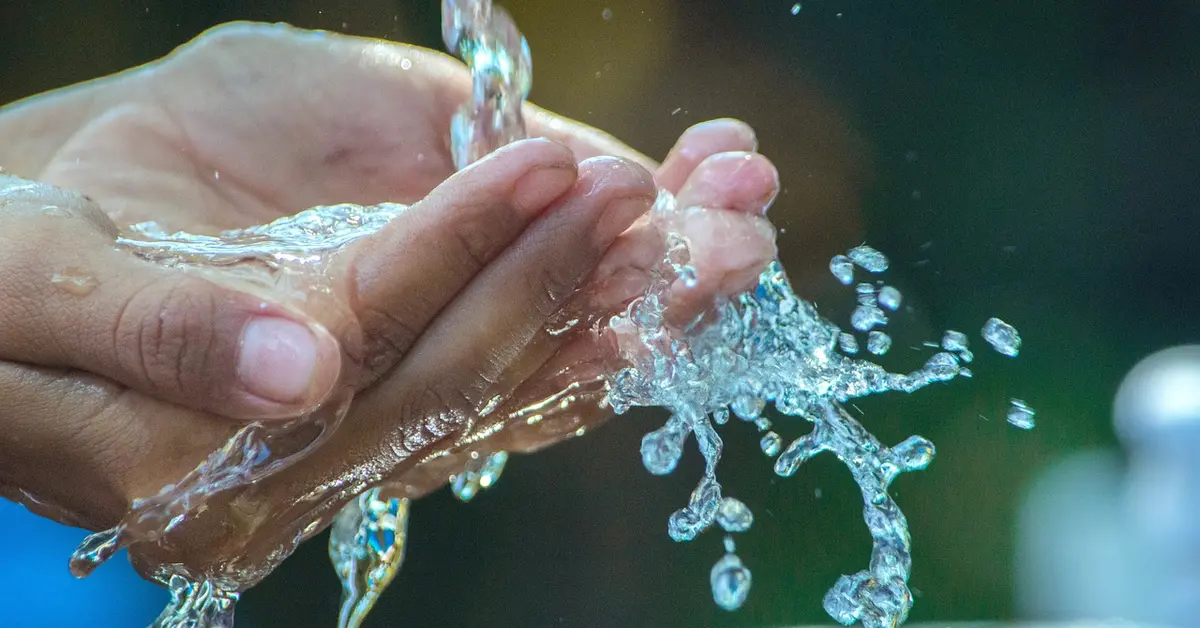
This is the single most effective habit you can build. I wash my hands not just after a cuddle session, but even after a brief pat or topping up their food. Proper handwashing requires warm, running water, plenty of soap, and a full 20 seconds of scrubbing every surface of your hands. I time this by humming the “Happy Birthday” song twice through, ensuring I don’t cut this crucial step short. Rinse thoroughly and dry with a clean towel or air dryer.
Safe Handling During Playtime and Feeding
Your goal is to enjoy your pets while creating a barrier between you and any potential contaminants. I follow a simple set of rules that have kept my family healthy for years.
- Designate a specific, easy-to-clean play area, like an empty plastic tub or a smooth blanket used only for the mice.
- Avoid handling your mice or their supplies near where you prepare or eat food.
- Never kiss your pet mice or hold them close to your face, no matter how endearing their antics are.
- Consider wearing a dedicated, washable robe or smock over your clothes during extended handling or cage cleaning sessions.
Regularly cleaning and disinfecting the cage reduces the risk of common ailments such as respiratory infections and skin irritation. A clean, well-ventilated habitat protects both your mice and your family.
By creating these simple boundaries, you dramatically reduce the chance of transferring bacteria to your mouth or your kitchen.
Does Hand Sanitizer Kill Salmonella?
While a good alcohol-based hand sanitizer (with at least 60% alcohol) can reduce the number of germs in a pinch, it is not a reliable substitute for soap and water. Hand sanitizers are less effective when hands are visibly dirty or greasy, and they may not eliminate all types of germs, including the tough Crypto parasite sometimes found with Salmonella. I keep a small bottle in my pocket for moments when I’m away from a sink, but I view it as a temporary fix until I can perform a proper, thorough hand wash.
Cleaning and Disinfecting Your Mouse Cage
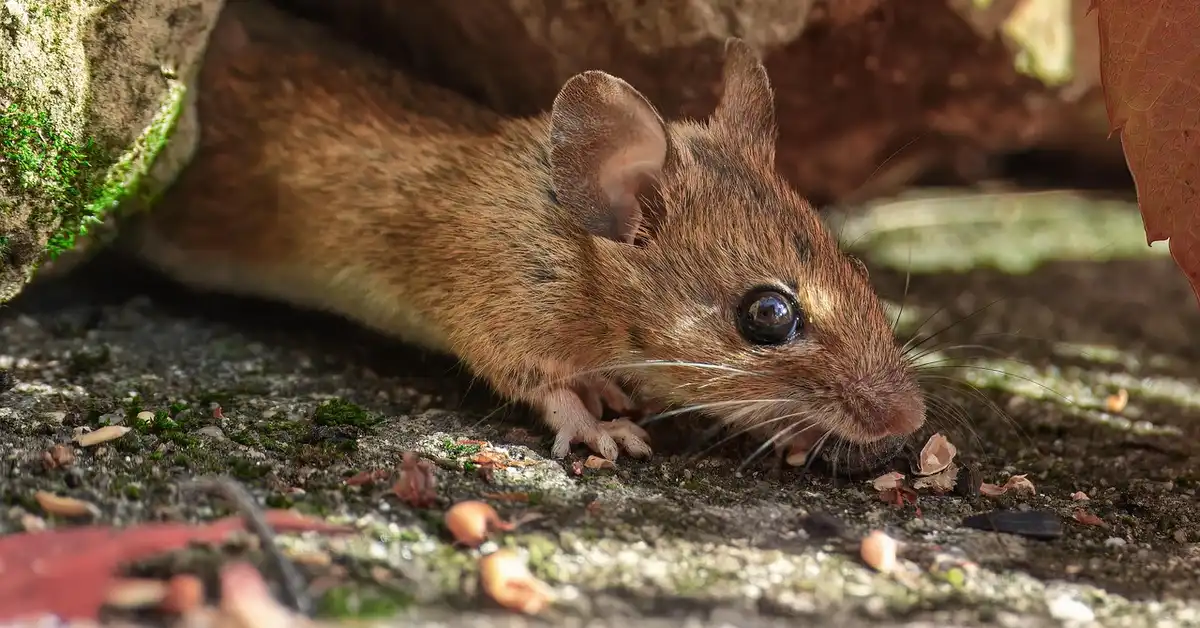
Weekly Cage Cleaning Protocol
Establishing a regular cleaning schedule is your first line of defense against Salmonella. A thorough weekly clean removes waste and food debris where bacteria love to hide. I follow this routine with my own mice, Kenny, Gregory, and Jeffery, to ensure their home stays fresh and safe for everyone.
- Move your mice to a secure, temporary carrier with some familiar bedding.
- Remove and dispose of all old bedding, toys, and accessories.
- Wash the empty cage with hot, soapy water, scrubbing all corners and bars.
- Apply a pet-safe disinfectant, following the product’s instructions for contact time.
- Rinse the cage thoroughly with clean water to remove any chemical residue.
- Dry the cage completely with a clean cloth or let it air dry before adding new bedding and items.
How to Disinfect Salmonella from Surfaces
Disinfecting goes beyond simple cleaning to actually kill harmful germs. Using a diluted bleach solution is one of the most effective ways to eliminate Salmonella from hard surfaces. Mix one part household bleach with nine parts water, apply it to the cleaned surface, and let it sit for at least 10 minutes before rinsing. Always wear gloves and ensure good ventilation. Commercial disinfectants labeled as effective against Salmonella are also excellent choices.
Food Bowl and Water Bottle Sanitation
Your mouse’s dining area requires daily attention to prevent bacterial buildup. Wash food bowls and water bottles with hot, soapy water every single day to disrupt any potential Salmonella growth. For a deeper clean, I run Jeffery’s ceramic dishes through the dishwasher on a hot cycle weekly. Scrub the sipper tube of water bottles with a small brush to clear any slime or blockages, as these can harbor bacteria.
How Long Does Salmonella Live on Surfaces?
Salmonella is a resilient bacterium that can survive for surprising lengths of time outside a host. On dry, hard surfaces like plastic or metal, Salmonella can remain infectious for several weeks if the area is not properly cleaned. This survival time is shorter on porous materials or in direct sunlight, but it underscores why consistent disinfection is non-negotiable in mouse care. Moist environments, like a damp cage corner, can extend its lifespan significantly.
Managing Your Mouse Care Environment
Designating Mouse Care Zones
Creating specific areas for mouse-related activities helps contain potential contaminants. I keep all cage cleaning, food preparation, and handling confined to one easy-to-clean surface, like a dedicated table covered with a washable mat. This practice prevents cross-contamination to kitchen counters or living spaces. After any interaction with the mice or their supplies, I make it a habit to immediately clean that zone with a disinfectant wipe. I use low-odor, pet-safe cleaners or wipes labeled safe for small animals. I avoid strong fumes like bleach or ammonia and make sure surfaces are rinsed and fully dry before returning cages or food.
Laundry and Fabric Safety
Fabric items like hammocks or playpen liners need careful handling. Wash any fabric that touches your mice in the washing machine using the hottest water setting safe for the material and a good detergent. Dry them on a high heat cycle, as the heat helps kill lingering bacteria. I keep a separate laundry basket just for mouse items to avoid mixing them with family laundry, especially since Gregory loves to nap in his fleece hut. Choosing dust-free bedding and liners reduces airborne particles and helps keep fabric items cleaner for longer. Popular dust-free options include fleece liners and compressed paper beddings.
Can You Wash Salmonella Off Produce and Surfaces?
Washing is a good first step, but it doesn’t guarantee elimination. Rinsing fresh fruits and vegetables under running water can reduce surface bacteria, but it may not remove all Salmonella cells. For hard surfaces, washing with soap and water physically removes many germs, but you must follow up with a disinfectant to kill any remaining pathogens. Think of washing as lifting the dirt away and disinfecting as the final knockout punch.
Protecting Vulnerable Household Members
Children and Mouse Hygiene
Children are naturally curious and may not understand hygiene risks, so supervision is key. Always supervise young children during mouse handling and insist they wash their hands with soap and water immediately afterward. Teach them that mice are for gentle looking or petting, not for kissing or putting near their faces. I’ve found that making handwashing a fun, routine part of pet interaction helps kids remember. It’s especially important when handling mice for kids.
Immunocompromised Owners and Caregivers
If you or someone in your home has a weakened immune system, extra precautions are vital. Consider having a healthy family member take over primary cage cleaning duties to minimize exposure risk. Wearing disposable gloves during any contact with the cage or mice adds a protective barrier. For my friend who is immunocompromised, I recommended setting up the mouse habitat in a low-traffic area to further reduce the chance of accidental contamination. It’s equally important to clean the mouse cage properly to prevent any disease transmission.
When to Seek Medical Attention
Warning Signs That Require a Doctor
Salmonella infection can escalate from unpleasant to dangerous with surprising speed. You should contact a healthcare provider immediately if you experience a fever over 102°F (39°C), signs of severe dehydration like dizziness or very little urination, or bloody diarrhea. These are not symptoms to tough out at home.
Pay close attention to how your body feels over time. If your symptoms persist for more than a few days without improvement, or if you have intense abdominal cramping that doesn’t subside, it’s time to seek professional medical evaluation. Your body is telling you it needs more help than rest and fluids can provide.
For those in higher-risk groups, the threshold for seeking help is even lower. Infants, elderly individuals, pregnant people, and anyone with a compromised immune system should see a doctor at the first sign of a potential Salmonella infection. What might be a manageable illness for others can become severe for these groups.
What Does the Health Department Do About Salmonella?
When a laboratory confirms a Salmonella case, they report it to the local public health department. The health department’s primary role is to act as a detective, working to identify the source of the outbreak to prevent others from getting sick. They aren’t there to get you or your pet in trouble.
A public health professional will likely contact you for a detailed interview. They will ask about the foods you ate, the places you visited, your water sources, and, crucially, any contact with animals, including your pet mice. Being honest and detailed helps them connect the dots and protect your community.
Their work is vital for public safety. By tracing the path of the bacteria, health officials can issue public warnings, initiate product recalls, and provide guidance to prevent further spread. Your cooperation is a key part of a larger system that keeps everyone healthier.
Maintaining Your Mice’s Health
Veterinary Care and Health Monitoring
A healthy mouse is far less likely to shed Salmonella bacteria. Establishing a relationship with an exotics-savvy veterinarian is one of the most important investments you can make in your pet’s wellbeing and your family’s health. I have a vet who understands rodents, and the peace of mind is invaluable.
You are your mouse’s first line of defense. Make a habit of doing a quick daily visual check on your mice, looking for bright eyes, clean fur, normal breathing, and consistent energy levels. My mouse Jeffrey, for instance, is naturally a bit twitchy, so I know his baseline for “normal” behavior. Watch for common stress signs—hunched posture, ruffed fur, reduced grooming, or increased hiding. Use a visual behavioral guide to learn these cues so you can spot changes from each mouse’s normal.
Be vigilant for subtle changes that could indicate illness.
- Lethargy or a sudden lack of interest in exploration (a big red flag for my adventurous Kenny).
- Hunched posture or ruffled, puffed-up fur.
- Weight loss, which you can monitor with a small kitchen scale.
- Changes in droppings or signs of diarrhea around the cage.
Safe Food Handling for Mouse Nutrition
The way you manage your mice’s diet directly impacts Salmonella risk. Always purchase commercial mouse food from reputable brands and check packaging for any signs of damage or pests before purchase. This ensures the food was produced and stored under safe conditions.
Fresh foods are a wonderful enrichment but require extra care. Thoroughly wash all fruits and vegetables, even organic ones, under running water before offering a tiny, mouse-sized portion. I often give my older mouse Gregory a small piece of washed apple or carrot.
Proper food storage is non-negotiable.
- Store open bags of commercial food in a sealed, airtight container in a cool, dry place.
- Discard any uneaten fresh food within a few hours to prevent spoilage and bacterial growth.
- Never offer your mice raw meat, eggs, or unpasteurized dairy products.
- Clean food dishes with soap and hot water daily, not just during full cage cleanings.
Also, be aware that several common human foods are toxic to mice and toxic foods to avoid. See the following list of toxic foods to avoid.
Building Sustainable Hygiene Habits
Consistency is what turns good intentions into a safe environment. Designate a specific sink for cage cleaning and pet-related tasks, ideally one that is not used for food preparation. This simple spatial separation dramatically reduces cross-contamination risks.
Create a cleaning caddy stocked with your mouse-care essentials. Having a dedicated spray bottle of veterinary disinfectant, scrub brushes, paper towels, and disposable gloves ready to go makes the cleaning process faster and more thorough. When everything is in one place, you’re less likely to skip a step. Keep it stocked for daily spot-cleaning, weekly bedding changes, and monthly deep cleans so each routine is quick and consistent. Label compartments or add a simple checklist to know which supplies you need for each cleaning frequency.
Integrate hygiene into the natural rhythm of your interactions.
- Make handwashing the bookends of every handling session: once before you take them out, and once immediately after you put them back.
- Keep a bottle of hand sanitizer near the cage for quick clean-ups when soap and water aren’t immediately available.
- Wear a designated “mouse hoodie” or smock over your clothes during playtime to catch stray bedding and dander.
Finally, involve everyone in the household. Ensure every family member, especially children, understands and follows the same hygiene rules so that safety becomes a shared, normal part of living with your delightful little companions. This collective effort is what truly builds a resilient and healthy home for everyone, mice and humans alike.
Frequently Asked Questions
What is proper salmonella hand hygiene?
Proper hand hygiene is your primary defense. It involves washing your hands with soap and warm, running water for a full 20 seconds, scrubbing all surfaces including the backs of your hands, between your fingers, and under your nails. You should always do this immediately after handling your mice, their supplies, or cleaning their cage, and before eating or touching your face. This is especially important when cleaning up mouse droppings or nests. Thorough handwashing afterward reduces your risk of exposure.
How do you disinfect salmonella?
Disinfecting requires using an EPA-registered disinfectant proven to kill Salmonella or a diluted bleach solution. After cleaning a surface with soap and water to remove dirt, apply your chosen disinfectant and let it remain wet on the surface for the contact time specified on the product’s label, which is often up to 10 minutes, before rinsing thoroughly. This contact time is critical for the chemical to effectively destroy the bacteria.
Does hand sanitizer kill salmonella?
Alcohol-based hand sanitizers with at least 60% alcohol can reduce the number of Salmonella germs, but they are not a reliable substitute for handwashing. Sanitizers are less effective on visibly dirty or greasy hands and may not eliminate all pathogens present. They are best used as a temporary measure only until you can access soap and water for a proper wash.
Your Path Forward
Protecting yourself from salmonellosis truly boils down to a simple, consistent routine of handwashing and habitat maintenance. These small, mindful actions form a powerful shield, allowing you to enjoy all the wonderful moments with your pet mice without worry.
By integrating these hygiene habits into your daily care, you create a safe and healthy environment for both you and your tiny companions. This thoughtful approach ensures your focus remains on the joy and connection that makes sharing your home with mice so special. Mice are natural self-groomers, frequently cleaning their fur and paws to stay healthy. You can learn more about their self-grooming habits here. Keeping their bedding and cage clean supports this behavior and helps them stay comfortable.
Further Reading & Sources
- Preventing Salmonellosis – MN Dept. of Health
- Preventing Salmonella Infection | Salmonella Infection | CDC
- How to Prevent Salmonella Infection
Isabella is a passionate small pet enthusiast with over 8 years of experience in caring for mice. She loves sharing practical tips and heartfelt stories to help fellow mouse owners provide the best care for their tiny companions.
Common Diseases