
Mites, Lice, and Fleas in Pet Mice: Symptoms, Diagnosis, and Treatment
Have you noticed your mouse scratching persistently or acting restless, leaving you concerned about their comfort? Watching a beloved pet show signs of distress can feel unsettling, especially when you are unsure of the cause. As a dedicated mouse owner who has navigated similar worries with my own mice, like Kenny’s impulsive adventures leading to minor health scares, I understand how vital it is to address these issues calmly and knowledgeably.
This guide offers a clear, practical path to help you manage parasites effectively, drawing from years of hands-on experience. You will learn to recognize key symptoms, accurately diagnose whether mites, lice, or fleas are the culprit, and apply trusted treatment approaches to restore your mouse’s health and happiness.
What Mites, Lice, and Fleas Actually Look Like on Mice
Spotting these tiny trespassers can be tricky, but knowing what to look for is your first line of defense. I’ve found that a bright phone flashlight and a magnifying glass are your best tools for a quick, at-home inspection.
Common Mites That Affect Pet Mice
Mites are truly microscopic and often look like tiny, moving specks of dust. You’re more likely to see the damage they cause than the mites themselves.
- Fur Mites (Myobia musculi, Myocoptes musculinus): These are the most common culprits. They live on the skin’s surface and their eggs, which look like tiny white dots, may be seen attached to hair shafts near the skin.
- Mange Mites (Radfordia affinis): These burrow into the skin, making them even harder to see. Their presence is usually betrayed by intense itching and crusty skin.
- Overview: Under a microscope, mites have eight legs and rounded bodies. To the naked eye, a severe infestation might just look like the mouse’s fur is “dandruff” that won’t stop moving.
Lice Species in Mice
Lice are slightly easier to spot than mites, especially their eggs. They are species-specific, meaning the lice on your mouse won’t transfer to you or other pets.
- Appearance: Mouse lice (Polyplax serrata) are small, wingless, and flat insects. They are typically a pale yellow or tan color.
- Nits (Eggs): The most tell-tale sign is the presence of nits. These are tiny, oval-shaped, whitish or translucent eggs that are firmly cemented to the base of the mouse’s hair shafts.
- Location: You’ll most often find them around the ears, neck, and shoulders of your mouse.
Fleas on Pet Mice
Fleas are the least common of these three on indoor pet mice, but they can hitch a ride from other household pets. If you keep mice alongside other animals such as cats or dogs, those pets can introduce fleas into the mouse enclosure. Regularly check and treat your other pets and keep them away from the mice’s habitat to reduce the risk.
- Identification: Fleas are dark brown, visible to the eye, and laterally flattened (thin from side to side). Their most distinctive feature is their incredible jumping ability.
- Comparison: Unlike the slower-moving lice, fleas will quickly disappear into the fur if you try to part it for a look. You might also find “flea dirt,” which looks like black pepper specks (this is actually flea feces).
Signs Your Mouse Has an Ectoparasite Problem
Your mouse will tell you something is wrong long before you might see the parasites themselves. Learning to read these subtle signals is the key to providing fast relief for your tiny friend.
Skin and Fur Changes to Watch For
The physical evidence is often the most obvious. A healthy mouse has a smooth, sleek coat.
- Excessive Scratching and Grooming: This is the number one sign. It will seem frantic and relentless, far beyond normal grooming.
- Patchy Fur Loss or Thinning: Look for bald spots, especially over the shoulders, on the face, or along the back. The skin underneath may look red or inflamed.
- Scabs, Sores, or Redness: Constant scratching breaks the skin, leading to scabs. These are often found on the back, behind the ears, and around the neck.
- A Dull, Ungroomed Coat: A mouse feeling unwell or overwhelmed by itching may stop its fastidious self-care, leading to a rough or greasy-looking coat.
Behavioral Signs of Infestation
Discomfort will change how your mouse acts. My mouse, Kenny, became uncharacteristically irritable during a brief mite scare.
- Restlessness and Irritability: Your normally calm mouse may seem unable to settle down or may flinch or squeak when touched.
- Rubbing Against Cage Objects: They will try to scratch the itch by rubbing their bodies against hides, wheels, or cage bars.
- Changes in Appetite or Sleep: Severe discomfort can lead to a loss of interest in food or disrupted sleep patterns as the itching keeps them awake.
- Weight Loss: This is a secondary sign, resulting from the stress and energy expenditure of a constant infestation.
Serious Symptoms That Need Immediate Attention
While most ectoparasite cases are treatable, they can escalate. Any of these symptoms mean your mouse needs veterinary care without delay.
- Open Wounds or Widespread Sores: This indicates a severe infestation and a high risk of secondary bacterial infection.
- Lethargy or Weakness: If your mouse becomes listless, isn’t moving much, or feels cold to the touch, the situation has become systemic and dangerous.
- Visible Signs of Anemia: In extreme cases, blood loss from countless parasite bites can cause anemia. Look for pale ears, feet, and nose.
- Neurological Signs like Head Tilting: Although rare, some mites can migrate to the inner ear, causing a head tilt or loss of balance, which is a serious medical emergency.
How to Properly Diagnose Mites, Lice, or Fleas in Your Mouse
What You Can Check at Home
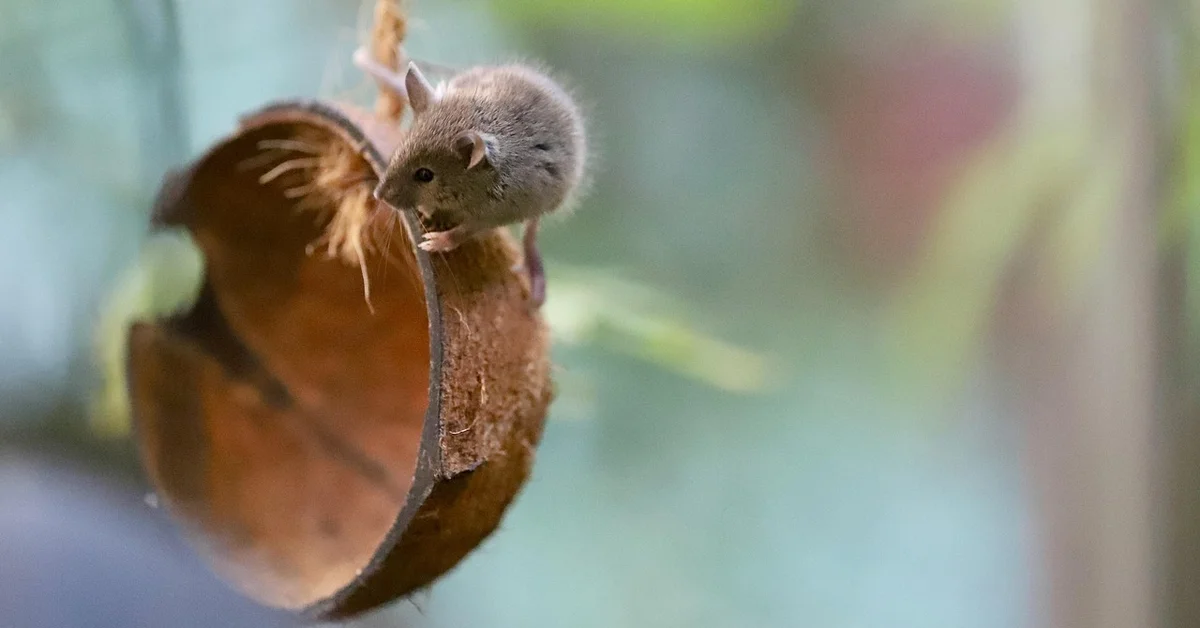
You can perform a simple visual check on your mouse to look for early warning signs of an infestation. Hold your mouse gently in a well-lit area and part the fur, paying close attention to the skin around the neck, shoulders, and rump where parasites often gather. Look for tiny moving specks or white flakes stuck to the hair shafts. Excessive scratching, small scabs, or patches of thinning fur are also major red flags that something is irritating your pet’s skin. My mouse Kenny once had a bout of incessant scratching that tipped me off long before I could see any visible mites.
- Observe for constant scratching or grooming beyond normal levels.
- Check for red, inflamed skin or small scabs, often called “mite dust.”
- Look closely for tiny insects moving through the fur or nits (eggs) attached to hairs.
- Note any restlessness, irritability, or changes in normal behavior.
Veterinary Diagnostic Methods
Your veterinarian will use specialized tools to get a definitive diagnosis, which is far more accurate than a home inspection. A vet will typically perform a skin scraping, collecting a small sample of skin and debris to examine under a microscope. This allows them to identify the specific type of mite, louse, or flea, which is absolutely vital for choosing the correct treatment. They can also use a fine-toothed comb to collect parasites from the fur for identification. This professional analysis ensures you aren’t just guessing at the problem.
Why Accurate Diagnosis Matters
Treating the wrong parasite can be ineffective and unnecessarily stress your mouse. Using a flea treatment on a mite infestation, for example, will do nothing to help your pet and wastes precious time while their discomfort continues. Some skin conditions, like fungal infections, can mimic parasite symptoms but require completely different medications. An accurate diagnosis from your vet ensures the treatment plan is targeted, effective, and safe for your tiny friend’s specific health issue.
Treating Ectoparasites: Medications and What Actually Works
Prescription Treatments Your Vet May Recommend
Your exotic pet veterinarian is your best resource for safe and effective prescription treatments. Medications like ivermectin or selamectin are commonly prescribed and are highly effective against a broad range of mites and lice. These are often administered in very precise, weight-based doses, either topically (on the skin) or orally. Your vet will provide a specific treatment schedule, which usually involves multiple doses spread over a few weeks to break the parasite’s life cycle. I’ve found this veterinary-guided approach to be the most reliable path to a full recovery.
Topical Insecticides and How to Use Them
If your vet prescribes a topical solution, correct application is key to its success and your mouse’s safety. Always follow the dosage instructions with extreme care, applying the medication to the back of the neck where your mouse cannot groom it off. You must use only the amount prescribed for your mouse’s exact weight, as these medications are potent. Handle your mouse gently but securely during application to minimize stress, and avoid getting the product on your own skin.
- Weigh your mouse accurately to determine the correct dose.
- Part the fur at the base of the skull to expose the skin.
- Apply the precise amount of liquid directly onto the skin, not the fur.
- Monitor your mouse for a short time to ensure they don’t immediately try to wipe it off on cage furnishings.
Over-the-Counter Options and Their Limitations
While pet stores may sell over-the-counter parasite sprays or powders, I strongly advise against using them on mice. Many OTC products are formulated for larger animals like cats or dogs and contain concentrations that are outright toxic to a mouse’s small body. Even products marketed for “small animals” or “rodents” can be risky without a specific diagnosis. Their ingredients are often less effective against the particular parasites that affect mice, leading to a false sense of security while the infestation continues. If you’re dealing with a pest-control problem involving wild mice, consult a pest-control professional for rodent-specific solutions rather than relying on OTC pet products. Professionals can recommend targeted treatments and prevention measures that protect people, pets, and the environment.
Treating All Cage Mates Even If They Look Fine
This is a non-negotiable step in successful parasite eradication. You must treat every single mouse that shares a living space, regardless of whether they are showing symptoms, because parasites spread quickly and invisibly. An asymptomatic mouse is likely a carrier, ready to reinfect the others as soon as treatment ends. Isolating one mouse for treatment while leaving the others is a recipe for a recurring problem. My trio-Kenny, Gregory, and Jeffery-always go through treatment together to ensure the problem is completely resolved for everyone.
Cleaning Your Mouse’s Environment During Treatment

Deep Cleaning the Cage and Accessories
A thorough environmental clean is just as important as treating the mice themselves. On the same day you begin treatment, you need to perform a complete cage breakdown, washing all surfaces, hides, and toys with hot, soapy water. Parasites and their eggs can live in the environment for a period of time, so a simple spot-clean is not enough. Scrub plastic items thoroughly and discard any wood or porous items that cannot be cleaned effectively, as they can harbor eggs.
Bedding Changes and Substrate Selection
Remove all old bedding and substrate immediately and replace it with fresh, new material. During treatment, some owners find it helpful to use a simpler, dust-free paper-based bedding that can be changed out frequently and easily monitored. Some of the best dust-free beddings for mice are unscented paper-based substrates, hemp, or kiln-dried aspen — they stay low-dust and are easy to spot-clean. These options help reduce respiratory irritation and make it easier to check your mice’s skin and fur while you monitor for problems. Avoid very deep bedding for a little while so you can keep a better eye on your mice’s skin and spot any issues quickly. After the infestation is clear, you can return to your preferred substrate.
Preventing Reinfestation Through Quarantine
If you are introducing a new mouse to your existing group, a strict quarantine period is your best defense. Always house a new mouse in a completely separate room, with separate supplies, for at least three to four weeks before any introductions. This gives you time to observe the new arrival for any hidden health issues, including parasites. Be diligent about washing your hands thoroughly after handling the quarantined mouse before you tend to your established mice to prevent any cross-contamination. Follow a clear, step-by-step quarantine protocol to guide your daily checks, cleaning, and handling procedures. The protocol below outlines each step to safely quarantine and eventually introduce a new mouse to your colony.
Supporting Your Mouse Through Recovery
Managing Skin Damage and Secondary Infections
After the parasites are gone, your mouse’s skin needs time to heal from the relentless scratching and biting. I often apply a tiny amount of pure, food-grade coconut oil to any dry, flaky patches, which soothes irritation and creates a protective barrier. For more significant scrapes or raw areas, your veterinarian might prescribe a topical antibiotic ointment to prevent a secondary bacterial infection from taking hold.
Watch for any redness, swelling, or pus, as these are clear signs the skin is infected and needs professional attention. Keeping their environment impeccably clean is non-negotiable during this phase to give healing skin the best possible chance. I temporarily swap out any rough bedding for super-soft, unscented paper strips to prevent further abrasion on their delicate skin.
Nutrition Support During Treatment
Fighting off an infestation is physically draining for a little mouse. Boosting their diet with high-protein and high-fat foods provides the extra energy they need to recover fully. Think of it as fortifying their internal resources to win the battle.
- Protein Power: Offer small bits of scrambled egg, mealworms, or a little extra lab block.
- Healthy Fats: A sliver of avocado or a few sunflower seeds can work wonders for skin and coat health.
- Hydration is Key: Ensure fresh water is always available; you can even offer watery veggies like cucumber for an extra moisture boost.
I’ve noticed that my mouse, Jeffery, who tends to be anxious, perks up significantly with these dietary additions, his energy returning much faster. A well-nourished mouse is a resilient mouse.
Monitoring for Treatment Success
How can you be sure the treatment is working? The most obvious sign of success is a dramatic reduction in scratching-your mouse will simply seem more comfortable and at ease. Their posture changes from a tense, itchy ball to a relaxed, stretched-out explorer.
Follow this simple checklist over the weeks following treatment:
- Watch for new scabs or sores forming; healing should be continuous.
- Check for live parasites by gently parting the fur, especially around the neck and rump.
- Observe the return of normal behavior-playing, grooming normally (not obsessively), and interacting with cage mates.
- Look for new fur growth, which will appear as a soft, short fuzz over previously bald spots.
Complete resolution can take a few weeks as the skin heals and the fur regrows, so patience and consistent observation are your best tools.
Preventing Future Ectoparasite Problems
Quarantine Protocols for New Mice
This is the single most effective step you can take to protect your existing mischief. Every new mouse should be housed in a completely separate room, with its own dedicated supplies, for a minimum of three to four weeks. I keep a simple, easy-to-clean quarantine tank for this exact purpose. In the first 24 hours, keep handling to a minimum, provide a cozy hide, fresh food and water, and watch closely for any signs of illness. This stabilizing first day helps the mouse acclimate safely before the rest of the quarantine and introduction plans. For more detailed guidance, refer to the first 24 hours.
- Perform a thorough visual health check on the new mouse during the first few days.
- Watch for any signs of scratching, lethargy, or poor coat condition.
- Handle the quarantine mouse after you’ve finished caring for your main group to prevent cross-contamination.
This quiet period allows any hidden health issues, including a slow-burning parasite problem, to reveal itself before the new friend joins the others.
Regular Health Checks and Early Detection
Make a weekly “wellness weigh-in” part of your routine. Gently running your fingers through your mouse’s fur during a handling session helps you become familiar with what their healthy skin and coat should feel like. You’ll be the first to notice any tiny scabs, bald spots, or unusual dryness. Pair this with a brief weekly home health check—quickly weigh your mouse and scan its eyes, ears, teeth, breathing, droppings, and mobility. Recording those findings makes it easier to spot small changes and share useful details with your vet.
I do this every Sunday-it’s a calm, bonding moment. Early detection means you can address a tiny issue long before it becomes a full-blown, stressful infestation for you and your pets. Catching a single mite is far easier than eradicating an established colony.
Cage Hygiene and Maintenance Schedule
Parasites thrive in messy environments. A consistent and thorough cleaning schedule disrupts their life cycle and removes the unhatched eggs they leave behind. A clean cage is a healthy cage. Establish a simple daily, weekly, and monthly cleaning routine for your mouse cages to prevent parasite buildup. Daily spot-cleaning, weekly bedding changes, and monthly deep cleans keep your pets healthy.
- Spot Cleaning: Remove soiled bedding and uneaten fresh food daily.
- Weekly Deep Clean: Empty the entire cage. Wash all surfaces, hides, and toys with a pet-safe disinfectant or a vinegar-and-water solution. Rinse everything thoroughly.
- Bedding Choice: Avoid very dusty beddings, as the irritation can mask early signs of parasites.
I find that a deep clean paired with a complete bedding change once a week keeps my trio’s home fresh and significantly reduces any risk of pests.
Reducing Exposure Risk
Think about where parasites could be hiding. Be very selective about the source of any new bedding, toys, or accessories you introduce to the cage. I prefer to freeze new bags of paper bedding for 48 hours before use, as this kills any potential stowaways.
Be cautious with second-hand items from unknown origins. If you cannot thoroughly disinfect and bake wooden items in a low oven, it’s safer to avoid them altogether. Even items from a pet store can carry risks, so a quick freeze or hot wash can give you peace of mind.
Ultimately, a proactive and mindful approach to everything that enters your mouse’s environment is your strongest defense against repeat invasions.
Frequently Asked Questions
Can the parasites on my mouse infect humans or other household pets?
Generally, the lice and mites that affect pet mice are species-specific, meaning they do not transfer to humans or other animals like cats or dogs. For instance, mouse lice (Polyplax serrata) are adapted only to mice and pose no risk to you. Fleas, however, can occasionally hitch a ride from other pets but are less common in indoor mice and may bite humans temporarily without establishing an infestation.
It’s still wise to practice good hygiene, such as washing hands after handling your mouse or its habitat, to minimize any remote risk. If you notice bites or itching in other pets or family members, consult a veterinarian or doctor to rule out other causes, as cross-species transmission is rare with mouse-specific parasites. Still, some rodent-borne infections can affect humans, so be alert for symptoms like fever, rash, or persistent gastrointestinal or respiratory issues. See the pet mouse zoonotic diseases guide for common signs, prevention tips, and when to seek medical care.
What can I do to relieve my mouse’s itching while waiting for treatment to take effect?
To provide immediate comfort, you can offer a cool, damp cloth for your mouse to rest on or gently dab irritated areas with a vet-approved saline solution to soothe the skin. Avoid using any products not recommended by your veterinarian, as mice have sensitive skin, and improper treatments could worsen the condition or interfere with prescribed medications.
Focus on reducing stress by keeping the environment quiet and ensuring easy access to food and water. If your vet approves, temporary use of a mild, unscented paper bedding can minimize further irritation. Always monitor for signs of increased discomfort and follow up with your vet if symptoms persist or escalate.
Are there any safe home remedies or natural treatments for ectoparasites in mice?
It is not recommended to use home remedies or natural treatments, as they can be ineffective or harmful to mice. Many essential oils, herbal sprays, or DIY solutions contain compounds that are toxic to small animals and may cause respiratory issues, skin burns, or allergic reactions without addressing the underlying parasite problem.
Stick to veterinarian-prescribed treatments, which are specifically formulated for mice and backed by evidence. If you’re concerned about chemicals, discuss safer options with your vet, such as weight-based topical applications, rather than risking your mouse’s health with unproven methods that could delay proper care. If your mouse needs professional attention, prepare a secure, ventilated carrier with soft bedding to keep them warm and quiet during transport. Call the clinic ahead so staff can be ready and advise on any special handling.
Your Path to a Healthy, Happy Mouse
Dealing with mites, lice, or fleas can feel overwhelming, but remember that these tiny invaders are a common and treatable part of mouse ownership. The most powerful tool you have is your own observation-catching the early signs of scratching and skin irritation makes all the difference. With the right veterinary guidance and a thorough habitat cleaning, your mouse can be comfortable and pest-free again very quickly.
Don’t let a temporary setback dim the joy of caring for your small friend. Your attentive care and swift action are what truly define a safe and loving home for your pet. You are fully equipped to handle this challenge and get back to enjoying all the wonderful, curious moments that make mouse companionship so special.
Further Reading & Sources
- Diseases and Disorders of Mice – All Other Pets – Merck Veterinary Manual
- Infectious Disease Survey of Mus musculus from Pet Stores in New York City – PMC
- Mice and rats: parasitic diseases – Bishops Stortford Vets
Isabella is a passionate small pet enthusiast with over 8 years of experience in caring for mice. She loves sharing practical tips and heartfelt stories to help fellow mouse owners provide the best care for their tiny companions.
Signs of Infestation