
Mouse Surgery Guide: Anesthesia, Procedures, and Recovery Care
Is your pet mouse facing surgery, and you’re feeling anxious about the risks and recovery process? This guide draws from my years of hands-on experience to provide you with a clear, compassionate roadmap for navigating mouse surgery with confidence.
We’ll cover safe anesthesia options tailored for small pets, detailed insights into common surgical procedures, and essential post-operative care strategies to promote healing and comfort.
When Does a Pet Mouse Need Surgery?
Seeing your tiny friend unwell is heart-wrenching. Surgery becomes a necessary path when a health issue can’t be managed with medication alone and is causing significant pain or risking your mouse’s life. It’s a big decision for such a small creature, but modern veterinary medicine makes many procedures remarkably safe and effective.
Common Reasons for Surgical Intervention
- Tumor Removal: Mice, especially females, are prone to mammary tumors. If a lump grows rapidly, ulcerates, or hinders movement, surgical excision is often the best option for comfort and longevity.
- Abscess Drainage and Debridement: A wound that seals over can trap infection inside, forming a painful abscess. A vet must open, clean, and flush the pocket to allow proper healing.
- Severe Injury Repair: This includes setting a broken limb or repairing deep, complicated bite wounds from cage mates that won’t heal on their own.
- Removal of a Blockage: While less common, surgery might be needed if a mouse ingests a foreign object that causes an intestinal blockage.
Finding the Right Veterinarian for Mouse Surgery
Not every vet is equipped to operate on a 30-gram patient. The single most important factor for a successful outcome is finding a veterinarian with proven experience in rodent surgery. A general practitioner may be wonderful with cats and dogs, but the anesthesia dosing, surgical instruments, and monitoring required for a mouse are a specialized skill set. That specialized expertise and equipment often increase the cost of treatment, so mouse owners should expect higher fees than for routine cat or dog care. Ask your veterinarian for an estimate and whether they have rodent experience before scheduling procedures.
I found my current vet after my mouse, Kenny, needed a small lump removed. I called several clinics and asked very direct questions.
Key Questions to Ask a Potential Vet
- How many mouse surgeries do you perform in a typical month?
- What type of anesthesia and monitoring equipment do you use for rodents?
- Can you walk me through your typical post-operative pain management plan?
- What are your protocols for keeping a mouse warm during and after the procedure?
Look for a vet who answers confidently and welcomes your questions. When searching for an exotics vet for your mouse, confirm they have experience with small rodents and mouse-specific care. Ask about their rodent caseload or read reviews from other mouse owners. A good exotic vet will treat you as a partner in your mouse’s care and provide clear, detailed instructions. They should explain the risks and benefits without sugarcoating the reality of such a delicate procedure.
Understanding Anesthesia Options for Mice
Anesthesia is the part that worries most owners, and rightly so. For a creature so small, the margin for error is tiny. The goal of anesthesia is to render the mouse completely unconscious and free of pain while maintaining stable vital functions. Vets primarily use two methods, with one being the clear favorite for safety.
Comparing Anesthesia Types
- Gas Anesthesia (Isoflurane or Sevoflurane): This is the gold standard for mouse surgery. The mouse breathes the anesthetic gas through a tiny mask. The major advantage is control; the vet can adjust the depth of anesthesia instantly and it clears from the mouse’s system very quickly after the procedure.
- Injectable Anesthesia: This involves an injection, usually a combination of drugs. It’s less commonly used for planned surgeries because it’s harder to control. Once injected, you can’t “turn it off,” and recovery can be longer.
From my experience, every one of my mice who has undergone surgery has been on gas anesthesia. Seeing them wake up relatively quickly and clearly was always a massive relief.
How Vets Monitor Your Mouse During Anesthesia
You can rest a little easier knowing your mouse is not alone on the operating table. Your veterinary team will be using specialized equipment to act as your mouse’s eyes and ears, tracking every heartbeat and breath. This constant vigilance is what makes modern small animal surgery so successful. At home you can mirror that care by checking your mouse’s breathing, warmth, activity and appetite, and noting any changes. Contact your veterinary team promptly if anything seems off so issues can be addressed early.
Essential Monitoring Equipment
- Heart Rate Monitor: A tiny sensor, often attached to a paw or the tail, provides a continuous electrocardiogram (ECG) to track the heart’s rhythm and rate.
- Respiratory Monitor: This measures the rate and pattern of breathing. The most common method is a sensor pad that detects the tiny chest movements.
- Body Temperature Regulation: Mice lose body heat incredibly fast under anesthesia. Your vet will use a heated surgery table or a circulating warm water blanket to maintain a safe core temperature.
- Pedal Reflex Check: The surgeon will periodically pinch a back foot gently. The absence of a reflex withdrawal confirms the mouse is at a safe surgical plane of anesthesia.
This multi-layered monitoring system allows the vet to make micro-adjustments to the anesthesia, ensuring your mouse stays deeply asleep but not in danger. It’s a delicate balance, but one that trained professionals manage with incredible skill.
Preparing Your Mouse for Surgery
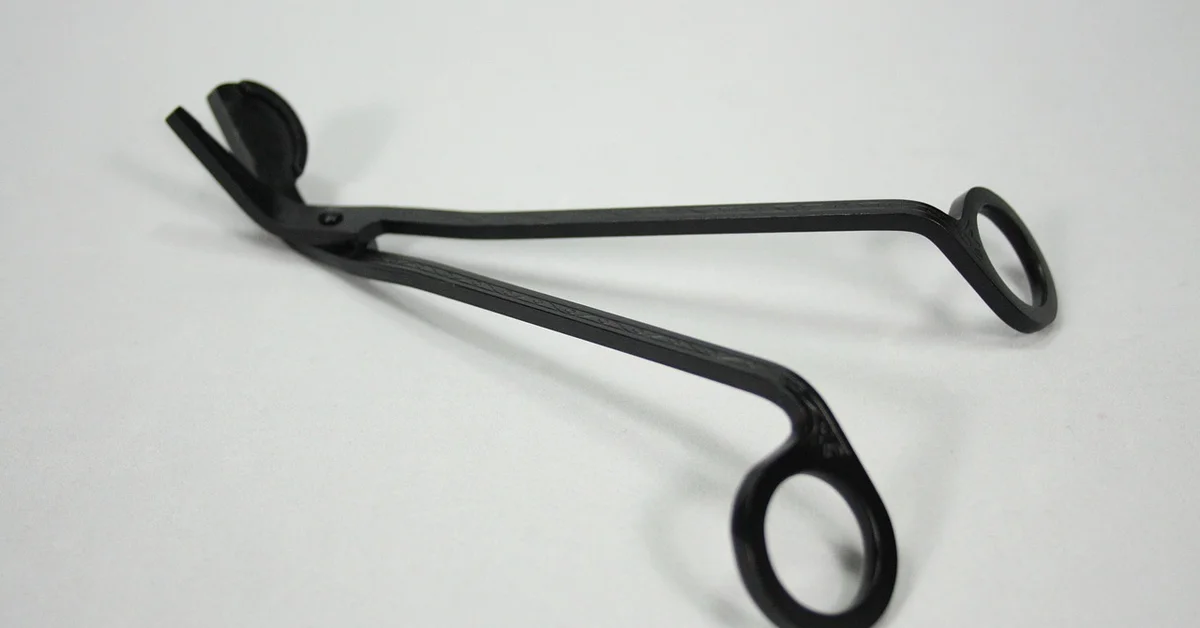
Getting your mouse ready for an operation starts long before you arrive at the veterinary clinic. A calm and well-prepared home environment is your first and most powerful tool for a successful outcome. I always begin by observing my mice closely in the days leading up to the appointment, noting any subtle changes in their eating habits or energy levels to report to the vet. Knowing what to expect at your mouse’s first vet visit can reduce stress for both of you. The vet will likely ask about those observations and perform a gentle physical exam to assess overall health.
The Night Before and Morning Of
Your veterinarian will give you specific instructions, but preparation typically involves a short fasting period. This is a critical safety step to prevent complications while your mouse is under anesthesia. You will be asked to remove food for a few hours, but water is almost always left available until you leave for the clinic. I remember feeling so anxious the first time I had to do this with Kenny, but trusting your vet’s guidance is key.
Creating a Post-Op Sanctuary
Before you even leave the house, you should have a recovery cage completely set up. This isn’t their usual fancy habitat. You need to create a minimalist, safe space that prioritizes healing over enrichment. I use a simple, clean tank or a single-level plastic bin for this purpose. Here is what you must include:
- Paper-based bedding: Avoid dusty wood shavings or fluffy bedding that can stick to incisions.
- Low-placed water bottle and food dish: Everything must be easily accessible without climbing.
- A single, low-entry hide: A small cardboard box with a wide opening provides security without the risk of getting stuck.
- No wheels, ropes, or multi-level platforms: Rest is the only activity for the first several days.
What Happens During Common Mouse Surgical Procedures
It can feel scary to hand your tiny friend over for surgery, but knowing what to expect provides immense comfort. Modern veterinary medicine for small animals is a precise and carefully monitored process. The entire procedure is a team effort focused entirely on your mouse’s well-being.
The Step-by-Step Surgical Process
- Anesthesia Induction: Your mouse is gently placed in a small chamber filled with anesthetic gas, allowing them to fall asleep smoothly without stress or restraint.
- Patient Monitoring: Once asleep, a trained technician will constantly monitor vital signs like heart rate, respiration, and body temperature throughout the entire operation.
- Surgical Site Preparation: The area for incision is carefully shaved and cleaned with a surgical scrub to prevent infection.
- The Procedure Itself: The veterinarian performs the surgery using specialized, miniaturized instruments. Common operations include tumor removals and wound repairs.
- Recovery and Warming: After surgery, your mouse is moved to a warm, quiet area to wake up gradually, often with supplemental heat to maintain body temperature.
Understanding Common Surgeries
The most frequent surgery I’ve encountered with my own mice is the removal of mammary tumors. These growths are common in mice and can be successfully removed if caught early. Another procedure is dental work for malocclusion, where a mouse’s teeth become overgrown. The vet will carefully trim the teeth back to a normal length while the mouse is safely anesthetized.
Pain Management: Before, During, and After Surgery
Effective pain control is not an afterthought; it is a fundamental part of the surgical journey. Managing pain well speeds up recovery, encourages eating, and helps your mouse return to their normal self much faster. A mouse in pain will hide it instinctively, so we must be their advocates.
A Multi-Stage Approach to Comfort
- Pre-emptive Pain Relief: Your vet may administer a mild analgesic before surgery even begins. This helps prevent pain signals from flooding the nervous system.
- Intra-operative Management: The anesthesia plan itself includes components that provide profound pain control during the procedure.
- Post-operative Medication: This is the most critical phase for you as an owner. You will be sent home with pain medication, often a liquid, to administer for several days.
Administering Medication at Home
Giving oral medication to a mouse requires a gentle and confident technique. Your vet will provide a tiny syringe, and you will gently place the tip just inside the cheek pouch to dispense the liquid. I’ve found that wrapping Jeffrey in a small, soft cloth creates a “mouse burrito” that keeps him secure and makes the process less stressful for both of us. Always follow the dosage and schedule exactly as prescribed. For more detailed guidance on oral medication to mice, check out this article.
Watch for subtle signs that your mouse is comfortable. A mouse that is grooming lightly, showing interest in favorite soft foods, and resting peacefully is likely experiencing good pain control. To tell if your mouse is in pain, watch for changes from these normal behaviors — a sudden decrease in grooming, appetite, or activity often indicates discomfort. Contrast this with a hunched posture, squinty eyes, or a lack of movement—these are clear indicators you should contact your veterinarian immediately. For more information, check out the signs of mouse pain.
Post-Operative Care: The First 24 Hours
Creating a Comfortable Recovery Space
Your mouse’s primary need upon returning home is a warm, quiet, and secure environment. I always set up a temporary hospital tank to eliminate any stress from cage mates and to make monitoring effortless. This space should be simple, with low platforms and no toys that require climbing. For a sick mouse, make the hospital cage especially accessible — use soft, absorbent bedding, a shallow water dish or syringe for fluids, and a small hide for comfort. Keep the tank in a warm, draft-free spot where you can easily monitor recovery and give any needed medications.
- Temperature is Paramount: Anesthesia disrupts a mouse’s ability to regulate its own body heat. Place a heating pad under *only one half* of the tank, set to low, or use a microwavable heat disc wrapped in a towel. This creates a temperature gradient so your mouse can move to a cooler spot if it gets too warm.
- Opt for Simple Bedding: Use a soft, paper-based bedding. Avoid dusty wood shavings or fluffy bedding that can stick to the incision site. I find that torn, unscented paper towels work perfectly for the first day.
- Minimize Stimulation: Keep the tank in a dimly lit, quiet room away from household traffic and noise. Cover one side of the tank with a light cloth to provide a dark hiding spot, reducing their anxiety.
Watch for your mouse to become more alert and start moving around slowly. The goal for the first 24 hours is simply to keep them warm, hydrated, and undisturbed as the anesthesia fully wears off. This is the main focus of a first 24 hours guide to acclimating a new mouse. Limit handling and loud noises so they can recover comfortably. Offer a shallow dish of water and some of their favorite wet food, but do not be alarmed if they show little interest initially.
Ongoing Post-Operative Care and Monitoring
Medication Administration After Surgery
Your veterinarian will likely prescribe pain medication and possibly antibiotics. Administering liquid medication to a tiny mouse requires patience and a gentle touch. I’ve found the least stressful method is to gently scoop the mouse up, supporting its entire body, and hold it in a “cupped” hand. Use this same gentle, supported hold whenever you pick up or handle your pet — move slowly, support the hindquarters, and keep your hands low over a soft surface to prevent falls.
- Draw the precise dose into the provided oral syringe.
- Approach from the side of the mouth, sliding the syringe tip just behind the front incisors.
- Dispense the medication one tiny drop at a time, allowing the mouse to swallow.
If your mouse is particularly wiggly or resistant, try mixing the medication with a tiny amount of a high-value food like baby food, mashed banana, or a drop of Ensure. Consistency with the medication schedule is non-negotiable for a smooth recovery and to prevent infection. My mouse Jeffery, who is usually quite anxious, responds much better when his medicine is hidden in a bit of strawberry baby food. If you like, you can prepare a simple, safe healthy mouse treat mix—small amounts of mashed banana or plain, unsweetened porridge work well to hold medicine. Avoid toxic or unsuitable foods like chocolate, xylitol, or large amounts of dairy.
Beyond medication, your watchful eye is the best tool for recovery. Check the surgical site at least twice daily for any signs of redness, swelling, discharge, or if your mouse is bothering the stitches. A small amount of clear or pale pink fluid is normal initially, but pus or a foul odor is not. Monitor their eating, drinking, and activity levels, expecting a gradual return to normal over several days.
Recognizing Post-Surgical Complications
Watching your mouse after an operation requires a calm but vigilant eye. Your daily, gentle observation is the single most powerful tool for catching problems before they escalate. I’ve spent many quiet evenings just watching my boys, learning their normal rhythms so any deviation stands out immediately.
Immediate Red Flags (First 24-48 Hours)
These signs demand an immediate call to your veterinarian.
- Persistent Bleeding: A tiny spot of blood at the incision is normal; active dripping or a growing stain is not.
- Labored Breathing: Listen for wheezing, clicking, or seeing their sides heave dramatically.
- Prolonged Lethargy: It’s normal to be sleepy, but your mouse should rouse occasionally. If you cannot wake them, it’s urgent.
- No Interest in Water: Dehydration sets in frighteningly fast for such a small creature.
Signs of Infection
Infection can appear a few days after surgery. Check the incision site once or twice daily.
- Unusual Discharge: Look for pus (yellow or green) oozing from the wound.
- Significant Redness and Swelling: Some inflammation is expected, but a hot, angry-looking wound is a problem.
- A Foul Odor: A healthy healing incision has little to no smell.
Changes in Behavior and Appetite
Subtle shifts can signal pain or internal issues.
- Hunching and Piloerection: A mouse that sits hunched in a corner with a puffed-up coat is likely in significant distress.
- Ignoring Favorite Foods: A recovering mouse might eat less, but refusing high-value treats like a sunflower seed (Kenny’s favorite) is a concern.
- Self-Mutilation: Excessive chewing or scratching at the incision site means something is wrong, often pain or suture irritation.
Supporting Your Mouse Through Recovery
A successful recovery hinges on the comfort and safety you provide at home. Creating a serene, controlled environment is your primary job as a pet owner during this vulnerable time. I always prepare the recovery space before I even leave for the vet.
The Recovery Cage Setup
Simplify their habitat to minimize stress and physical strain.
- Single-Level Enclosure: Remove all climbing toys, wheels, and multi-level platforms. A low, long tank or bin cage is ideal.
- Soft, Simple Bedding: Use paper-based bedding or shredded, unscented toilet paper. Avoid dusty woods.
- Easy Access to Everything: Place food, water, and a hide directly next to their main resting spot.
- Mild Warmth: A heating pad under *half* of the cage (on a low setting) allows them to choose their comfort level.
Nutrition and Hydration
Getting calories and fluids into them is a top priority.
- Offer Water in Multiple Forms: Keep their water bottle, but also offer a shallow dish of water and water-rich foods like cucumber or watermelon.
- High-Energy, Soft Foods: Soak their regular lab blocks in water or unflavored Pedialyte to make a mush. Baby food (pure meat or vegetable varieties) is also excellent.
- Hand-Feeding if Necessary: Don’t be afraid to offer soft food on a spoon or your fingertip. This gentle interaction can be very reassuring.
Administering Medication and Providing Comfort
Your calm presence is a form of medicine itself.
- Be Confident with Meds: Your vet will likely provide liquid medication. Gently scruff your mouse, insert the syringe into the side of the mouth, and dispense slowly. Reward them immediately after.
- Minimal Handling: Limit handling to essential medical care only for the first few days. Let them rest.
- Talk to Them: Use a soft, steady voice when you are near the cage. They recognize and are soothed by your familiar sound.
Frequently Asked Questions
What are the general guidelines for mouse surgery in pet care?
General guidelines for mouse surgery emphasize using aseptic techniques, such as sterilizing all instruments and maintaining a clean surgical environment, to prevent infections. It’s also essential to follow standardized protocols for anesthesia monitoring and pain management, as recommended by veterinary associations, to ensure the mouse’s safety and comfort throughout the procedure.
Is a PDF version of this mouse surgery guide available for download?
Yes, a PDF version of this guide may be accessible through niche pet care websites or veterinary resource portals, allowing you to save and reference it offline. Check the author’s or publisher’s site for any downloadable formats or updates to ensure you have the most current information for your mouse’s care.
Does this guide include an answer key for self-assessment quizzes?
This guide does not come with a formal answer key, as it is designed for educational purposes rather than testing. However, you can verify your understanding by discussing key points with a veterinarian or using external resources like online flashcards or study groups to reinforce the material.
Your Path Forward
Arming yourself with knowledge about anesthesia, procedures, and recovery care transforms a frightening experience into a manageable, compassionate process for your tiny companion. You are no longer a passive observer but an active, informed partner in your mouse’s health journey.
Remember that your calm presence and meticulous post-operative care are powerful medicines that work in perfect harmony with the veterinarian’s skilled hands. Trust your preparation, follow the guidance, and provide that quiet, comfortable space for healing to unfold.
Further Reading & Sources
- Surgery – Rodent (Mouse & Rat) Survival Surgery (Guideline) | Vertebrate Animal Research – Office of the Vice President for Research | The University of Iowa
- Guidelines on Anesthesia and Analgesia in Mice – Animal Care & Use Program
- IACUC GUIDELINE MOUSE ANESTHESIA AND ANALGESIA RECOMMENDATIONS APPROVED
Isabella is a passionate small pet enthusiast with over 8 years of experience in caring for mice. She loves sharing practical tips and heartfelt stories to help fellow mouse owners provide the best care for their tiny companions.
Vet Visits