
How to Choose a Healthy Pet Mouse
Have you ever stood in front of a cage of seemingly identical mice, wondering how you could possibly pick the one that will thrive in your care? That moment of uncertainty is something every prospective mouse owner faces, and it’s completely normal to feel a little overwhelmed.
This guide will walk you through the entire selection process, turning that uncertainty into confidence. You will learn exactly what to look for in a mouse’s appearance, behavior, and environment to ensure you bring home a vibrant and active companion. We’ll cover everything from assessing bright, clear eyes and clean fur to identifying signs of curious, energetic behavior, helping you make an informed and heart-led choice for your new tiny friend.
What Makes a Mouse Healthy and Active
Physical Signs of a Healthy Mouse
When you first meet a potential pet mouse, your eyes can tell you a lot about their well-being. Look for bright, clear eyes that are free from any crust or discharge, as this often signals good health and alertness. Their fur should feel soft and lie smoothly against their body without any bald patches or signs of mites, which can appear as tiny moving specks. A healthy mouse keeps itself clean, so check that their rear end is free from staining, which could indicate digestive issues.
- Bright, open eyes with no swelling or redness
- A glossy, full coat without mats or excessive scratching
- Clean ears and nose, with no audible wheezing or sneezing
- Well-formed body shape, not too thin or overly round
- Strong, even teeth that aren’t overgrown or misaligned
I always give a gentle glance over their paws and tail for any sores or injuries. Healthy mice move with a natural grace, and their limbs should support them without any limping or hesitation. From my time with Gregory, his steady, deliberate movements always reflected his robust health, even as he aged.
Behavioral Signs of an Active Mouse
Activity in mice isn’t just about running on a wheel-it’s about engagement with their world. An active mouse displays curiosity, often sniffing and investigating new objects or sounds in their environment. They should show interest in interacting, whether it’s with you, their cage mates, or toys. Watch for regular grooming sessions, as this self-care is a positive sign of contentment and vitality.
- Frequent exploration of their habitat, including climbing and digging
- Playful behaviors like chasing, hopping, or manipulating toys
- Responsive to your presence, such as approaching the cage front
- Consistent eating and drinking habits throughout the day
- Balanced rest periods, not sleeping excessively or hiding constantly
My mouse Kenny embodies this with his bold, impulsive dashes around the cage. You want to see a mix of energetic bursts and calm moments, showing they’re neither stressed nor lethargic. A happy mouse will often engage in social activities if housed with others, like gentle nudging or shared nesting.
Age Considerations When Selecting Your Mouse
Age plays a big role in what you can expect from your new companion. Younger mice, typically under six months, tend to be more energetic and adaptable to handling and training. They’re full of playful antics but may require more patience as they learn boundaries. Older mice, like my Gregory, often have a settled demeanor and can be wonderful for someone seeking a calmer pet.
- Young mice (2-6 months): High energy, quick to bond, longer lifespan ahead
- Adult mice (6-12 months): Established personalities, moderate activity levels
- Senior mice (1+ years): Often calmer, may have specific care needs
Consider how much time you have for interaction and what fits your lifestyle. Mice generally live 1-2 years, so choosing based on age helps match their energy to your home rhythm. Jeffery, though small and young, shows how even timid mice can bloom with consistent, gentle care. Understanding the average lifespan of pet mice can help you plan and provide the best care.
Where to Find Your Pet Mouse
Adopting From Mouse Rescues and Shelters
Rescues and shelters are fantastic places to find mice in need of a loving home. Adopted mice often come with known histories and have been health-checked by caring staff. You might meet older mice or those with unique backgrounds, like Gregory who came to me with a gentle, mentor-like nature already formed. Visit local shelters and ask about their mouse intake-many have small animals waiting for adoption.
- Benefits: Support animal welfare, often lower costs, pre-screened health
- What to ask: Inquire about their temperament, any medical issues, and social preferences
- Process: Fill out an application, meet the mice, and ensure your setup is ready
Spend time observing how the mice interact in their temporary home. Shelter staff can provide insights into each mouse’s personality, helping you find one that suits your family. I’ve found that rescued mice bond deeply when given a second chance.
Selecting a Mouse at Pet Stores
Pet stores offer convenience, but it’s wise to be observant when choosing your mouse. Look for stores that house their mice in clean, spacious enclosures with access to fresh food and water. Check that the mice are active and social—avoid any that seem listless or isolated in a corner. Ask staff about their source and how long they’ve been in the store to gauge their background. It’s especially important to be aware of any red flags when buying a mouse from a pet store to ensure you’re getting a healthy and well-cared-for pet.
- Signs of a good store: Clean cages, knowledgeable staff, healthy-looking animals
- Red flags: Overcrowding, dirty conditions, mice with visible health issues
- Selection tips: Observe during active hours, note how they react to handling
I always watch for mice that show curiosity, like Kenny did when I first saw him. Choose a mouse that appears engaged with its surroundings, as this often indicates good mental and physical health. Be prepared to quarantine new mice at home to prevent any potential illness spread.
Working With Mouse Breeders
Breeders can be a source for specific mouse varieties or well-socialized pets. Reputable breeders focus on healthy genetics and proper socialization from a young age. When contacting a breeder, ask about their breeding practices, health guarantees, and how they handle the mice daily. Visit their facility if possible to see the living conditions firsthand.
- Questions to ask: What is their experience? Can they provide health records?
- Look for: Clean, enriched environments, and breeder knowledge about lineage
- Expect: Higher costs, but often better insight into temperament and health
A good breeder will match you with a mouse based on your lifestyle. They should be transparent about any known health issues and willing to offer ongoing support. From my experience, breeders who prioritize well-being produce mice that integrate smoothly into home life.
Critical Health Checks Before Bringing Your Mouse Home

Head-to-Tail Physical Examination
Before you commit, a gentle visual and hands-off inspection is your first line of defense. Start at the front, checking for bright, clear eyes free of any crust or discharge, which can signal respiratory distress. The nose should be dry and clean, not stained or wet from constant wiping. Move your gaze along the body; the fur should be smooth, full, and lie flat against the skin without any bald patches or signs of flakiness. Gently observe the mouse’s underside-it should be clean and dry, with no swelling or redness around the genital area.
Pay close attention to their rear end. A clean, dry tail and anal area is non-negotiable, as a dirty bottom often points directly toward digestive troubles or illness. Finally, watch them move. All four feet should be used comfortably, with no limping or favoring of a limb. Their tiny paws should be intact, with no sores or missing nails.
Observing Mouse Behavior and Temperament
Health isn’t just physical; a mouse’s spirit tells you just as much. Look for a natural curiosity about their surroundings-a healthy mouse is an investigative mouse, often pausing to sniff the air or stand on its hind legs to survey its domain. You want to see a good balance of activity and rest; they should be moving around their enclosure, grooming themselves, and interacting with cage mates in a peaceful manner.
Notice how they react to your presence. A little initial skittishness is normal, but a mouse that completely panics or, conversely, seems utterly listless and unresponsive, is cause for concern. My mouse Jeffery, for instance, was initially very jumpy, but he’d always cautiously creep forward after a moment, showing a baseline of brave curiosity I knew would blossom.
Warning Signs and Red Flags to Avoid
Some signs are immediate deal-breakers. Steer clear if you observe any of the following:
- Audible breathing, wheezing, or clicking sounds from the chest or nose.
- Lethargy or a hunched posture, as if the mouse is trying to make itself smaller.
- Visible lumps, bumps, or open wounds on the body.
- Excessive scratching, which can indicate mites or other parasites.
- A dirty, wet, or stained underside, often called “sticky bottom.”
- Aggressive behavior towards cage mates, like relentless chasing or biting.
Trust your gut-if a mouse just doesn’t look “right” to you, it is always better to wait for another.
Questions to Ask Before Selecting Your Mouse
Health History and Veterinary Care Questions
Don’t be shy about asking pointed questions; a reputable source will have the answers. You have a right to know if the mouse has seen a vet, received any treatments, or has a known history of health issues like chronic respiratory infections. Ask about the age of the mouse and its cage mates. Inquire if there has been any recent illness in the colony, as many mouse ailments are highly contagious. Knowing this background can help you anticipate potential future vet visits and costs. Bring this information to your mouse’s first vet visit; the veterinarian will review it during a basic health exam and may recommend tests or treatments. Expect the visit to include a physical check and a discussion of preventive care and likely costs.
Diet and Nutrition Information to Request
A proper diet is the foundation of a long, healthy life. Find out exactly what the mouse has been eating, including the brand of lab block or primary food, and what fresh treats they are accustomed to. A sudden, drastic change in diet can upset their sensitive digestive systems. Ask if they are used to items like fresh vegetables, cooked pasta, or the occasional mealworm. This information allows you to seamlessly continue their established routine, preventing stress-related digestive issues when you bring them home. Diet plays a crucial role in their overall health and well-being.
Socialization and Handling Background
Understanding a mouse’s past experiences with people will set you both up for success. Ask the breeder or staff how often the mouse has been handled and if they have any specific techniques for picking them up that the mouse prefers. Learn if the mouse was raised from birth with human interaction or if they are more hands-off. My bold mouse Kenny, for example, was clearly used to being scooped up, which made our bonding process incredibly fast. This knowledge helps you tailor your approach, building trust from day one instead of guessing.
Male or Female: Choosing the Right Gender for You
This is one of the most significant decisions you’ll make, as the genders have distinct social dynamics. Male mice, often called bucks, can live harmoniously in pairs or trios if they are littermates or introduced at a very young age, but they do produce a stronger, muskier scent. They can sometimes be more laid-back and cuddly once bonded. My older male Gregory is a perfect example of this calm, steady presence. (Read more about keeping male mice together.)
Female mice, or does, are notoriously active and social, thriving in larger groups, but they are also less odorous than males. They tend to be perpetual explorers and can be more consistently energetic. Your choice hinges on whether you prefer a potentially calmer, smaller group (males) or a bustling, energetic mischief (females). Consider your capacity for cleaning, as males may require more frequent cage maintenance due to their scent marking. When choosing between male and female mice, think about whether you want a quieter companion or a lively, social group. Base your decision on how much interaction, cleaning, and activity you’re prepared to provide.
Preparing Your Home Before Selection Day
Essential Cage Setup and Enclosure Size Requirements
Your mouse’s home is its entire world, so getting the enclosure right from day one sets the stage for a happy, healthy life. A spacious cage is non-negotiable for their physical and mental well-being. I always recommend a minimum of 10 gallons per mouse, but honestly, more is always better. My trio, Kenny, Gregory, and Jeffery, thrive in a 20-gallon long tank with a secure mesh lid, which provides ample floor space for their antics.
- Bar Spacing: Must be 1/4 inch or less to prevent escapes.
- Solid Flooring: Wire floors can cause serious foot injuries.
- Ventilation: Good airflow is critical to prevent respiratory issues.
- Location: Place the cage in a quiet area away from direct sunlight and drafts.
Enrichment and Exercise Essentials
Mice are incredibly intelligent and active creatures who need more than just an empty box to live in. A barren cage leads to a bored mouse, and a bored mouse can develop destructive habits or become lethargic. Over time, a lack of stimulation can even produce learned-helplessness–like behavior, where mice stop trying to explore or escape because they no longer expect change. Think of their home as a dynamic playground that you can constantly rearrange to spark their curiosity.
I’ve found that a multi-level setup with plenty of climbing opportunities keeps my boys engaged for hours. Here are the items I consider absolute necessities:
- A solid-surface exercise wheel (8+ inches diameter) to prevent back injuries.
- Multiple hiding places like small cardboard boxes, coconut huts, or PVC pipes.
- Climbing structures made from bird ropes, ladders, and branches.
- Digging boxes filled with coconut fiber or crinkled paper bedding.
- Chew toys made of untreated wood to maintain dental health.
Nutrition Basics and First Foods
Providing the right diet is one of the most powerful ways to support your mouse’s long-term health. A high-quality lab block should form the foundation of their diet, providing balanced nutrition that seed mixes alone cannot offer. I use these as the main staple for my mice, then supplement with other treats for variety. In a deep dive on seed mixes vs lab blocks, we’ll compare their nutritional profiles, pros and cons, and how to incorporate seeds safely as occasional treats. That comparison will help you choose the best feeding strategy for your mice’s long-term wellbeing.
For the first few days, stick to a simple menu to avoid upsetting their sensitive digestive systems. Offer the same lab block they were eating at the store or breeder to ease the transition. You can slowly introduce small amounts of fresh foods after the first week.
- Staple Diet: Lab blocks available 24/7.
- Initial Treats: A few plain oats or a piece of whole wheat pasta.
- Fresh Water: Provide via a glass bottle with a metal spout, changed daily.
- Foods to Avoid Initially: Citrus fruits, sugary treats, or anything new and rich.
The First Week: Monitoring Your New Mouse
Adjustment Period Expectations
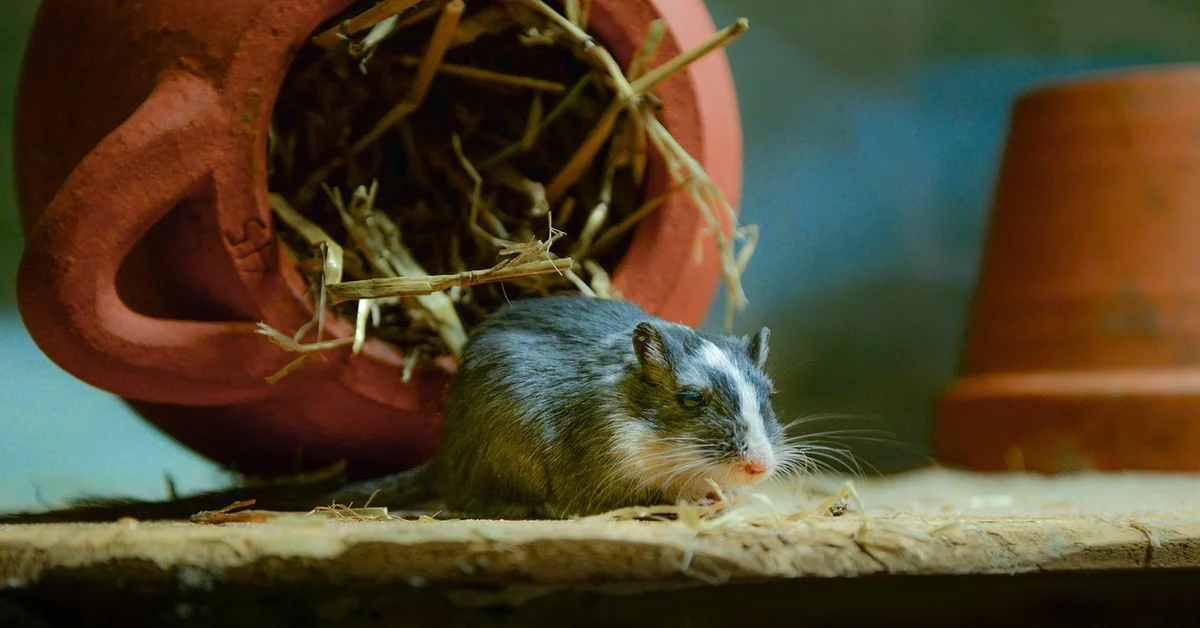
The first few days in a new environment are profoundly stressful for a tiny mouse. It is completely normal for your new companion to hide constantly, eat very little, and seem generally terrified of you. My Jeffery spent his first three days tucked deep inside a tissue box, only emerging when he thought no one was looking.
Resist the urge to handle them during this initial 48-hour period. Speak to them in a soft, calm voice when you’re near the cage and move slowly. You might notice behaviors like excessive grooming or jumping at small sounds-this is their way of coping with the big change.
When to Seek Veterinary Care
While some stress is expected, you need to be able to recognize the signs that something is genuinely wrong. A healthy mouse should be alert, have bright eyes, clean fur, and show interest in its surroundings, even if it’s from a distance. A simple mouse happy behavior checklist—tracking grooming, activity levels, eating, and relaxed posture—can make these signs easier to monitor. Use it regularly to spot changes early. Trust your instincts; you will quickly learn what is normal for your particular mouse.
Contact an exotic veterinarian immediately if you observe any of the following red flags:
- Lethargy that persists for more than a day.
- Audible wheezing, clicking, or sneezing.
- Discharge from the eyes or nose.
- Loss of appetite or not drinking water.
- Hunched posture or ruffled, puffed-up fur.
Building Trust and Early Socialization
Patience is your greatest tool when forming a bond with your new mouse. The trust-building process is not a race; let the mouse set the pace for all interactions. I start by simply sitting near the cage with a book, allowing them to grow accustomed to my presence and scent without any pressure.
After the initial adjustment period, you can begin with small, non-threatening gestures. Offer a high-value treat, like a tiny piece of unsweetened cereal, from your open palm inside the cage. Don’t try to grab them. Let them come to you. Gregory, my most cautious mouse, took nearly two weeks to willingly take food from my hand, and that was perfectly okay.
- Place a used, unscented tissue in your sleeve for an hour, then put it in their cage to familiarize them with your smell.
- Use a small cup or tube to transport them instead of chasing them with your hands.
- Keep initial handling sessions very short-just a minute or two at most.
- Always approach from the side and avoid looming over them, which can be perceived as a threat.
Common Health Issues in Pet Mice
Even with the best care, our tiny companions can face health challenges. Being able to spot the early signs of illness is one of the most important skills you can develop. A mouse’s small size means health can decline rapidly, so your daily observation is their first line of defense. Here are the conditions I’ve encountered most often.
Respiratory Infections
You might notice your mouse making a clicking or chuffing sound, or see reddish-brown discharge around their eyes and nose. This is often a sign of a respiratory infection, commonly linked to a bacterium called Mycoplasma. Respiratory issues are often triggered by environmental factors like dusty bedding or ammonia buildup from a dirty cage. I’ve found that keeping the habitat clean and well-ventilated, but draft-free, makes a world of difference.
Tumors and Lumps
Finding a lump on your mouse can be frightening. Many mice, especially females, are prone to developing tumors. Not every lump is a cancerous tumor; some are benign cysts or abscesses that a veterinarian can treat. Regularly handling your mouse for gentle health checks lets you find any new bumps early, when treatment options are most viable.
Digestive Upset and Diarrhea
Wetness around the tail or a soiled, messy rear end can signal digestive trouble, often called “wet tail.” A sudden change in diet is a frequent culprit for an upset stomach in these small creatures. I always transition to new foods gradually over a week, mixing a little more of the new food in with the old each day.
Parasites
If your mouse is scratching incessantly or you see tiny moving dots in their fur, they may have mites or lice. Parasites cause intense discomfort and can lead to skin infections from all the scratching. Treatment is straightforward with veterinarian-prescribed medication, but you must thoroughly clean the entire habitat to prevent reinfestation.
Long-Term Care Planning for a Healthy Mouse
Caring for a mouse is a commitment to their entire, albeit short, life. Thinking ahead ensures their golden months are as comfortable and enriching as their youth. Proactive, long-term planning transforms your role from a simple caregiver into a dedicated life-long companion.
Creating a Senior-Friendly Habitat
As mice like my Gregory age, their mobility and needs change. Simple adjustments to their home can make a huge impact on their quality of life.
- Lower the heights: Replace tall climbing structures with ramps, hammocks, and low platforms to prevent falls.
- Softer bedding: Use extra-soft, dust-free paper bedding to cushion aging joints.
- Easy-access food and water: Place food bowls and water bottles on the main cage level, avoiding areas that require a climb.
Adapting Nutrition for an Aging Mouse
An older mouse’s metabolism slows down, and they may have dental issues. Soaking their regular lab blocks in a little water to create a soft mash can be a game-changer for a mouse with worn teeth. You might also notice they prefer smaller, softer treats over hard seeds. I often offer Gregory a bit of cooked, plain oatmeal or scrambled egg for an easy-to-eat protein boost.
The Importance of a Health Journal
I keep a simple notebook for my mice, and it has been invaluable. Tracking small details like weekly weight, food intake, and activity levels helps you spot a gradual decline that might otherwise go unnoticed. When you do need to see a vet, this journal provides them with a clear history, making diagnosis much easier.
Planning for Veterinary Care
Before you even need one, locate an exotic veterinarian in your area who treats mice. Establishing a relationship with a vet beforehand removes immense stress during an emergency. It’s also wise to consider setting aside a small fund for potential vet visits, as specialized care can be an unexpected expense.
Maintaining Mental Stimulation
Mental health is just as vital as physical health. An older mouse may not zip through a tube like my Kenny, but they still need engagement. Introducing new, gentle smells like fresh herbs or a piece of new (mouse-safe) wood can provide sensory enrichment without physical strain. Even rearranging their cage furniture slightly provides a novel environment for them to explore from the comfort of their favorite sleeping spot.
Frequently Asked Questions
What is a healthy diet for a pet mouse?
A healthy diet for a pet mouse should be built on a foundation of high-quality lab blocks, which provide complete and balanced nutrition that seed mixes alone cannot offer. This staple food should be available at all times. You can supplement this with small, occasional treats like a piece of plain cooked pasta, a bit of fresh vegetable (e.g., broccoli, carrot), or a mealworm for variety and enrichment, ensuring these extras do not make up more than 10% of their total diet.
How can I rescue a healthy pet mouse?
Rescuing a healthy mouse involves contacting local animal shelters or specific small animal rescues to inquire about mice available for adoption. When you visit, ask the staff about the mouse’s known history, temperament, and any health checks it has received. Spend time observing the mice to identify one that is active, curious, and has bright eyes and clean fur, ensuring you are providing a loving home to an animal in need.
What does daily maintenance for a healthy pet mouse involve?
Daily maintenance for a healthy pet mouse includes providing fresh food and water, spot-cleaning soiled bedding, and observing your mouse for any changes in behavior or appearance. This quick daily check helps you monitor their health and well-being. Weekly, you should perform a more thorough cleaning of the entire habitat, replace bedding, and wash food dishes and toys to maintain a hygienic and stimulating environment.
Your Path Forward
Choosing a healthy, active mouse ultimately comes down to patient observation and trusting your instincts. Look for that bright-eyed curiosity and confident posture, the clear signs of a mouse ready for a wonderful life with you.
The right mouse will capture your heart not just with its energy, but with its unique personality shining through. Your careful selection is the first step in a rewarding journey, leading to years of companionship with your new tiny friend.
Further Reading & Sources
- Pet Mouse Care Sheet: Habitat, Diet, and Behavior | PetMD
- Fancy Mouse Care Sheet & Supplies | PetSmart
- How to Care for a Pet Mouse
Isabella is a passionate small pet enthusiast with over 8 years of experience in caring for mice. She loves sharing practical tips and heartfelt stories to help fellow mouse owners provide the best care for their tiny companions.
Signs of Illness