
Common Skin Problems in Mice: Itching, Scabs, and Hair Loss
Has your mouse been scratching persistently or showing patches of bare skin that worry you? Seeing your pet uncomfortable can be distressing, and I’ve felt that concern myself with mice like Kenny, who once had a stubborn itch. Spotting these signs early allows you to take action before minor issues become serious.
This guide will help you pinpoint the reasons behind itching, scabs, and hair loss, offering straightforward solutions to soothe your mouse. We’ll explore common causes such as mites, fungal infections, and environmental factors, plus how to treat and prevent them effectively.
How to Recognize Skin Problems in Your Mouse
Physical Signs on Your Mouse’s Skin and Coat
Your mouse’s skin and fur are the most immediate indicators of their health. A healthy coat is smooth and lies flat, while problem skin often tells a different story. Look for patches where the fur looks thin, uneven, or is completely missing, especially around the face, neck, and along the back. These bald spots can appear quickly and are a major red flag.
Scabs are another common physical sign you can’t ignore. They often look like small, rough, dark crusts on the skin’s surface. You might notice these scabs concentrated behind the ears, on the neck, or over the shoulders, areas that are easier for a mouse to scratch repeatedly. The skin underneath may look red, inflamed, or even have small cuts from relentless itching.
Don’t just look at the skin itself; examine what’s on it. An excess of flaky white material that looks like severe dandruff can point directly to certain parasites. You might also see tiny moving specks if you part the fur and look closely, particularly around the base of the hair follicles. Any open sores, redness, or swelling means the situation has progressed and needs immediate attention.
Behavioral Changes That Signal Skin Issues
Mice are fastidious groomers, but there’s a clear line between normal cleaning and distress grooming. If you see your mouse scratching itself frantically and frequently with its back feet, almost to the point of losing balance, it’s a primary sign of severe discomfort. This isn’t a casual itch; it’s a desperate attempt to find relief. When concerned, mice often over-groom or repetitively scratch, leading to bald patches or matted fur. These changes can signal parasites, skin irritation, stress, or other underlying health problems and warrant veterinary attention.
You might also notice them rubbing their face and body vigorously against the sides of the cage or against toys. This repetitive rubbing is an attempt to reach itchy spots that their paws can’t easily access. My mouse Kenny, who is usually bold and curious, once became so preoccupied with scratching that he stopped exploring his usual tunnels, which was a huge change in his personality.
Other behavioral shifts include increased agitation or restlessness. A mouse in discomfort may seem jumpier, be less interested in interacting with you or its cage mates, and may even vocalize with small, pained squeaks during intense scratching bouts. A sudden lack of interest in favorite treats or playtime is a strong indicator that something is wrong.
Parasitic Infestations: Mites, Fleas, and Lice
Identifying and Treating Mite Infestations
Mites are one of the most frequent culprits behind mouse skin problems. These microscopic parasites burrow into the skin, causing intense itching. The classic sign of a mite infestation is profuse flaking that resembles walking dandruff, as the flakes are actually the mites and their eggs moving through the coat. You’ll also see significant hair loss and a rash of small scabs from the relentless scratching.
Treating mites is absolutely a job for a veterinarian. Your vet will likely prescribe a parasiticide, often a liquid that you dab onto the back of the neck where your mouse can’t groom it off. Never use over-the-counter dog or cat flea products, as they can be fatal to a small mouse. If you need to bring your mouse in, call ahead and transport it in a secure, well-ventilated carrier lined with a soft towel to keep it warm and calm. Minimize handling and sudden movements during the trip.
Concurrent with medical treatment, a complete habitat overhaul is non-negotiable.
- Remove and discard all old bedding.
- Thoroughly wash the cage, hideouts, and toys with a pet-safe disinfectant or a mild soap and hot water solution.
- Replace everything with fresh, clean bedding and items.
This environmental decontamination is critical to prevent re-infestation once the treatment begins.
Dealing With Fleas and Lice on Mice
While less common than mites, fleas and lice can still find their way onto your pet mouse. Fleas are typically dark brown and fast-moving, and you might spot them jumping. Lice and their eggs (nits) appear as small, stationary white or yellowish specks glued firmly to the base of the hair shafts. Both cause intense itching and can lead to hair loss and scabbing. Watch for intense scratching, hair loss, or visible insects as key symptoms. A vet can diagnose whether mites, lice, or fleas are present and recommend appropriate treatment and environmental cleaning.
The treatment protocol is similar to that for mites. Your veterinarian is your best resource for a safe and effective treatment plan tailored for a mouse’s small size. They will provide a species-appropriate medication to eliminate the parasites without harming your pet.
Just like with mites, treating the mouse alone is not enough. You must break the life cycle in the environment.
- Isolate the affected mouse in a temporary, clean carrier.
- Empty the main cage completely and clean every surface, nook, and cranny.
- Wash any fabric items in hot water.
- Freeze wooden toys or items that can’t be washed for at least 48 hours to kill any lingering eggs.
Cleaning the cage properly also helps prevent disease transmission to other animals and people. Wear gloves, use a pet-safe disinfectant, and avoid cross-contamination when handling soiled bedding or waste.
A thorough, multi-step cleaning process is your best defense against a recurring parasite problem.
Fungal and Bacterial Skin Infections
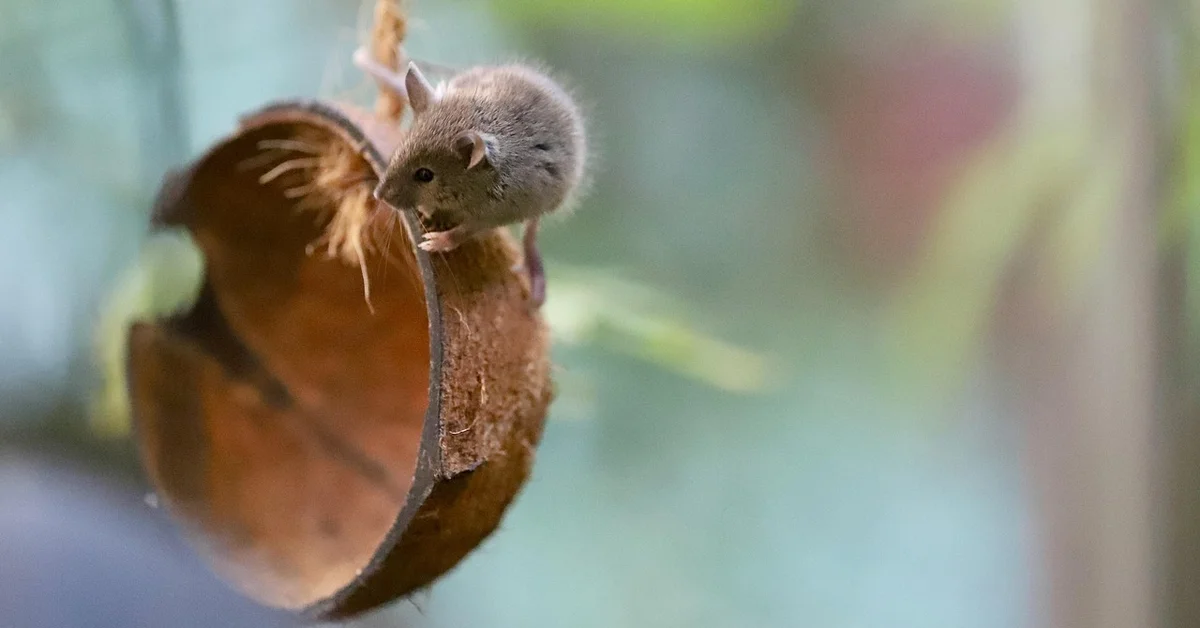
Seeing your mouse constantly scratch at irritated skin is heartbreaking. Fungal and bacterial invaders are a frequent source of misery for our tiny companions, often taking hold when their immune systems are stressed. A clean habitat and a healthy diet are your first line of defense (read more about keeping the bedding clean), but sometimes these microscopic troublemakers get through anyway.
Ringworm in Pet Mice
Despite its name, ringworm isn’t a worm at all but a highly contagious fungal infection. You’ll typically notice circular patches of hair loss, often with a crusty, flaky edge that looks like ash, and the exposed skin can appear red and inflamed. The areas are intensely itchy, and you might see your mouse scratching relentlessly. I’ve dealt with this; it requires immediate action. Quarantine the affected mouse, wash your hands thoroughly after handling, and consult a vet for an antifungal treatment. Deep cleaning the entire enclosure is non-negotiable to prevent it from spreading to other mice.
Bacterial Skin Infections and Dermatitis
Bacteria love to exploit tiny scratches or areas of moist, damaged skin. Bacterial dermatitis often presents as widespread scabbing, pustules (small pus-filled bumps), or areas of skin that look persistently wet and inflamed. A common culprit is Staphylococcus bacteria, which is often present on the skin but causes problems when it gets into a wound. You might notice a foul odor coming from the sores. Treatment usually involves a course of antibiotics prescribed by a veterinarian. Keeping the bedding extra clean and dry is crucial for healing, as a damp environment will only make the infection worse.
Barbering: When Mice Pull Out Their Own Fur
Finding patches of missing fur without any visible inflammation can be puzzling. Barbering is a compulsive behavior where a mouse chews or plucks its own fur or the fur of its cage mates, leading to unnaturally even, short hair or bald spots. Recognizing whether fur loss is behavioral or medical is essential, because barbering typically creates clean, even patches without skin inflammation, while medical causes often show broken hairs, scabs, redness, or itching. It’s a complex issue with two primary causes:
- Social Barbering: This is often a dominance behavior. A more dominant mouse might over-groom a submissive one, typically focusing on the face, head, and shoulders. In my group, Gregory will sometimes give Jeffery a rather forceful grooming session, leaving his head looking a bit sparse.
- Self-Barbering: When a mouse chews its own fur, it’s usually a sign of stress or boredom. The belly and front legs are common targets. Addressing self-barbering means becoming a detective for environmental stressors-is the cage too small, too noisy, or lacking in enrichment? Providing more hiding spots, tunnels, and chew toys can often curb this anxious habit.
Nutritional Deficiencies and Allergies
What your mouse eats is directly reflected in the health of its skin and the gloss of its coat. A poor diet can manifest as a dull, thin coat, flaky skin, slow healing, and a general increase in susceptibility to other skin problems. Think of nutrition as the foundation upon which everything else is built. It affects not only the skin but also your mouse’s long-term health.
Diet-Related Skin and Coat Problems
A seed-only diet is a fast track to nutritional disaster. Skin and fur health rely heavily on specific proteins, fatty acids, and vitamins that are often missing from imbalanced diets. A lack of essential nutrients can cause:
- A dull, rough, or thinning coat.
- Excessive flaking (dandruff).
- Poor wound healing and easy bruising.
I always ensure my mice’s primary food is a high-quality lab block or pelleted diet, which is scientifically formulated to be complete. This stable base is then supplemented with small, healthy treats like a bit of scrambled egg for protein or a flake of oats for B vitamins.
Environmental Allergies in Mice
Just like people, mice can be allergic to things in their immediate surroundings. If you’ve ruled out infections and parasites, an allergic reaction to their bedding or nesting material is a strong possibility. The symptoms are often generalized itching and redness over much of the body.
Common triggers include:
- Dusty paper or wood shaving beddings.
- Strongly scented detergents used to clean their fabric hides.
- Air fresheners or sprays used near their cage.
The best way to test for a bedding allergy is to perform a trial switch to a low-dust, hypoallergenic option like aspen shavings or a paper-based bedding you haven’t used before. I made this switch years ago and noticed a dramatic reduction in overall scratching among all my mice. Always avoid cedar and pine, as the natural phenols in those woods are irritating to their respiratory systems and skin.
When to Seek Veterinary Care
While some minor skin flare-ups can resolve with home care, certain signs are a clear signal to pick up the phone and call your veterinarian. Persistent scratching that lasts more than a day, visible wounds that are deep or bleeding, or any sign of lethargy paired with skin issues warrants immediate professional attention. I learned this the hard way when my mouse Kenny developed a small patch of hair loss I initially dismissed; it quickly escalated into a larger problem that needed prescription treatment.
Diagnostic Methods Your Vet May Use
Your veterinarian has several gentle, effective tools to figure out what’s bothering your tiny friend. Don’t worry, these procedures are typically quick and cause minimal stress.
- Skin Scraping: The vet will gently scrape the surface of the skin with a blunt blade to collect cells and debris. This sample is examined under a microscope to look for tiny mites or fungal spores that are invisible to the naked eye.
- Fungal Culture: If a fungus like ringworm is suspected, a few hairs might be plucked and placed in a special medium to see if any fungi grow over several days. This provides a definitive answer.
- Tape Test: A clear piece of tape is pressed against the mouse’s skin and then stuck to a microscope slide. This is a simple, non-invasive way to catch parasites or their eggs.
- Diet and Environment Review: A good vet will ask you detailed questions about your mouse’s food, bedding, and cage setup. Your observations are a crucial piece of the diagnostic puzzle.
Preventing Skin Problems Through Proper Care

An ounce of prevention is truly worth a pound of cure when it comes to keeping your mouse’s skin healthy and comfortable. A proactive approach to their daily life builds a strong foundation for their well-being.
Cage Hygiene and Bedding Choices
A clean living space is your first and most powerful defense against skin irritants and parasites. I perform a full cage clean once a week for my trio, but I spot-clean soiled areas every single day.
- Choose Low-Dust Bedding: Paper-based or aspen wood beddings are excellent choices because they are highly absorbent and produce very little dust that can dry out or irritate sensitive skin and airways.
- Avoid Aromatic Woods: Steer clear of cedar and pine shavings. The aromatic oils in these woods are potent irritants and can cause significant skin and respiratory distress over time.
- Establish a Cleaning Routine: A consistent schedule prevents the buildup of ammonia from urine and bacteria from droppings, both of which can cause contact dermatitis.
Maintaining Optimal Environmental Conditions
Mice are small creatures that are very sensitive to their surroundings. Getting the environment right helps their skin function as a healthy barrier.
- Monitor Humidity Levels: Air that is too dry can lead to flaky, itchy skin. If your home is arid, placing a small humidifier in the room (not directly next to the cage) can make a world of difference.
- Prevent Overheating: Keep the cage away from direct sunlight, radiators, and drafts. A stable, comfortable room temperature reduces stress, which is a known trigger for skin problems.
- Provide a Dust Bath: While not as essential as for chinchillas, offering a small, shallow dish of chinchilla sand once a week can help my mice like Jeffery absorb excess oils and keep their fur clean and fluffy.
Supporting Skin Health Through Diet and Enrichment
What your mouse eats directly impacts the health and resilience of their skin and coat. A balanced diet rich in specific nutrients is key. In house mice (Mus musculus), habitat influences the foods they find and shapes their foraging and grooming behavior. Understanding their typical diet and behavior helps you provide the nutrients that support healthy skin and fur.
- Prioritize Protein: A high-quality lab block should be the staple of their diet, providing the essential protein and fatty acids needed for skin cell regeneration and a glossy coat.
- Offer Healthy Fats: Occasional treats like a tiny piece of hard-boiled egg, a flax seed, or a sliver of avocado provide omega fatty acids that act as internal moisturizers for the skin.
- Provide Chew Toys: Items like untreated wooden blocks, loofah slices, and seagrass toys are vital. Regular chewing not only files down ever-growing teeth but also reduces stress-a common hidden cause of over-grooming and hair loss.
- Ensure Variety: Supplement their main diet with small amounts of fresh, mouse-safe vegetables like broccoli and cucumber for added vitamins and hydration.
Frequently Asked Questions
Can mice cause skin problems in humans?
Yes, mice can cause skin problems in humans through direct or indirect contact. Handling pet mice or exposure to their dander, urine, or saliva may trigger allergic reactions, leading to itching, redness, or hives in sensitive individuals. Additionally, parasites like mites from infested mice can bite humans, resulting in rodent mite dermatitis, which appears as itchy, red bumps. Practicing good hygiene, such as washing hands after contact, and maintaining a clean environment can help minimize these risks.
Can mice give you a rash?
Yes, mice can cause rashes in humans, primarily due to allergic reactions or parasite transfers. Allergens from mouse dander or urine may lead to contact dermatitis, characterized by red, inflamed, and itchy skin. In cases where mice carry external parasites like fleas or mites, bites can produce a rash-like reaction with small, irritated bumps. If a rash develops after exposure, consult a healthcare professional for diagnosis and treatment to address the underlying cause.
What are common mice health problems?
Beyond skin issues, mice often face respiratory infections, which can cause symptoms like sneezing, labored breathing, and nasal discharge due to pathogens such as Mycoplasma. Tumors, including mammary or pituitary growths, are also prevalent in older mice and may require veterinary intervention. Digestive problems, such as diarrhea from dietary issues or infections, can arise and need prompt care to prevent dehydration. Regular vet check-ups and a balanced diet support overall wellness and early detection of these conditions.
Your Path Forward
Seeing your tiny friend itch or lose fur can feel deeply unsettling, but you are now equipped with the knowledge to help them. Remember that consistent observation is your most powerful tool for catching problems early and guiding your vet toward a swift diagnosis.
Trust your instincts as a pet owner-you know your mouse’s normal behavior best. With a calm approach and professional support, most skin conditions can be successfully managed, allowing your companion to return to a happy, comfortable life.
Further Reading & Sources
- Skin and Joints – Infectious Diseases of Mice and Rats – NCBI Bookshelf
- Diseases and Disorders of Mice – All Other Pets – Merck Veterinary Manual
- Skin Diseases in Laboratory Mice: Approaches to Drug Target Identification and Efficacy Screening – PubMed
Isabella is a passionate small pet enthusiast with over 8 years of experience in caring for mice. She loves sharing practical tips and heartfelt stories to help fellow mouse owners provide the best care for their tiny companions.
Common Diseases