
African Pygmy Mouse Complete Care Guide
Are you feeling a bit daunted by the delicate needs of your tiny African Pygmy Mouse? This guide delivers a clear, compassionate roadmap to help you nurture your pet with confidence and ease.
We will walk through creating a cozy habitat, selecting the right foods, monitoring health, and fostering a trusting bond with your mouse.
What Makes African Pygmy Mice Different From Other Pet Mice?
Physical Characteristics and Size
You will be immediately struck by their miniature stature; African Pygmy Mice are among the smallest rodents kept as pets, typically weighing a mere 3 to 12 grams when fully grown. Their bodies are incredibly petite, often not much larger than the tip of your thumb, which demands a special kind of careful handling. Their fur is usually a soft, agouti brown or gray, giving them a natural, wild-mouse appearance that I find utterly charming.
Unlike the more common fancy mouse, their snouts are slightly blunter and their eyes appear proportionally larger, lending them an endearing, wide-eyed look. This tiny size is the single most defining feature that separates them from their larger cousins and dictates nearly every aspect of their specialized care. You cannot use standard-sized mouse equipment, as water bottle spouts may be too large for them to drink from and wheel rungs could trap their delicate feet.
Natural Behavior and Temperament
These mice are not typically the cuddly, lap-sitting pets some people might hope for. African Pygmy Mice are naturally skittish, incredibly fast, and masters of the quick escape, making them more of a “watch and admire” pet. Their first instinct is almost always to flee and hide, a behavior I’ve learned to respect by moving slowly and predictably around their enclosure.
Their social structure is also distinct. While they thrive in small, peaceful groups, their interactions are often more nuanced and less overtly playful than a group of young fancy mice. You’ll observe a complex, quiet social order where they sleep piled together for warmth and communicate with soft, high-pitched chirps that are easy to miss. I’ve noticed my own mice, like the cautious Gregory, seem to appreciate having calm, predictable companions rather than boisterous ones. A mouse social behavior guide on solitary vs. social tendencies can help you read these cues. It also explains when a mouse prefers solitude and how to introduce companions safely.
- Extremely swift and agile; they can jump and climb with surprising ability.
- Primarily crepuscular, meaning they are most active during dawn and dusk.
- Less inclined to be hand-tamed, but can learn to recognize you as a non-threat.
- They exhibit fascinating nesting behaviors, often creating elaborate, multi-chambered nests from bedding material.
Setting Up Your African Pygmy Mouse Enclosure
Choosing the Right Substrate and Bedding
The foundation of a good habitat starts from the ground up. Because of their tiny lungs, you must avoid dusty substrates like pine or cedar shavings, which can cause serious respiratory issues. I have always had great success with aspen wood shavings or high-quality paper-based bedding, which are both absorbent and low-dust.
Provide a deep layer, at least two inches, to satisfy their innate burrowing instinct. Watching them tunnel and create hidden pathways is one of the great joys of keeping these little creatures. I often add a layer of soft, shredded paper or hay on top to give them extra nesting material, which they eagerly gather and arrange.
Essential Cage Items and Enrichment
Think of their home not just as a cage, but as a miniature landscape to explore. Every single item in their enclosure must be scaled down to prevent injury and ensure they can use it comfortably. A solid-surface exercise wheel is non-negotiable for their physical health, but it must be small enough that their backs don’t arch painfully-around 4 to 5 inches in diameter is perfect.
- Multiple Hiding Spots: Provide several small hides, such as tiny clay pots, cork bark rounds, or wooden houses. They need to feel secure.
- Climbing Structures: Thin branches from safe trees (like applewood), rope bridges, and ladders encourage natural behaviors.
- Food and Water: Use a very shallow ceramic dish for food. For water, a small, glass water bottle with a metal spout is best, but test the ball bearing to ensure it’s not too stiff for a tiny tongue.
- Foraging Opportunities: Scatter their food instead of using a bowl, or hide it in cardboard tubes and paper bags to keep their minds active.
Temperature and Lighting Requirements
This is perhaps the most critical and often overlooked aspect of their care. African Pygmy Mice are very sensitive to cold and can quickly become ill if their environment is too cool. They originate from warmer climates and lack the fat reserves of larger mice.
You must maintain a consistent ambient temperature between 75°F and 80°F (24°C to 27°C). I achieve this by using a small, thermostatically controlled heating pad placed on one side of the enclosure, which creates a vital temperature gradient. This allows them to move to a warmer or cooler area as needed, just like my mouse Jeffery often does when he feels a chill.
Avoid placing the tank in direct sunlight, near drafts, or in rooms that get cold at night. Providing a stable, warm environment is your best defense against stress-related illness in these delicate animals. A consistent light cycle of 12 hours of light and 12 hours of darkness helps regulate their natural rhythms without the need for special UV lighting.
Feeding Your African Pygmy Mouse the Right Diet
Daily Feeding Schedule and Portions
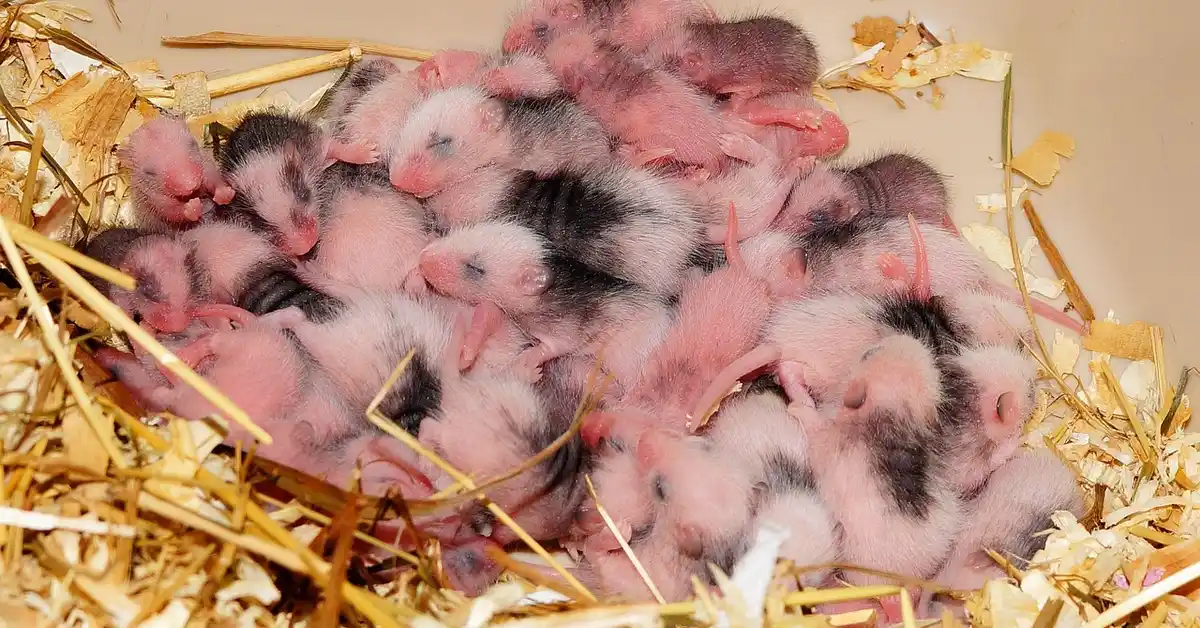
African Pygmy Mice have lightning-fast metabolisms, so I feed mine tiny meals twice daily to mimic their natural foraging habits. Offer a teaspoon of high-quality seed mix in the morning and another in the evening to keep energy levels steady without overfeeding. Their stomachs are no bigger than a pea, so portions must be minuscule to prevent obesity and food waste. Use a mouse food pyramid as a guide—seeds and grains form the base, with protein and fresh vegetables in the middle and fruits or treats sparingly at the top. This layered approach helps ensure balanced nutrition for their rapid metabolism.
Watch for empty food dishes between feedings, as active mice like my Kenny burn calories quickly. Remove uneaten fresh items within a few hours to stop mold and keep their home clean. Adjust amounts based on activity; a lazy day might mean slightly less food.
Safe Foods and Treats
Variety is key for a balanced diet, but always introduce new foods slowly to avoid upsetting their delicate systems. I rotate through these safe options to keep meals interesting and nutritious for my group.
- Commercial mouse pellets or seed mixes designed for small rodents
- Small insects like mealworms or crickets for protein
- Fresh veggies: shredded carrot, cucumber, or broccoli florets
- Fruits: apple slices, banana bits, or mashed berries as occasional treats
Jeffery adores berry crumbs, but I limit sugary fruits to once or twice a week. Insects are a hit for extra protein, especially during growth spurts or for active mice.
Foods to Avoid
Some human foods are toxic or hard to digest, so steer clear of these to protect your mouse’s health. Never offer chocolate, onions, or raw beans, as they can cause serious illness or poisoning.
- High-fat or salty snacks like chips or nuts
- Dairy products, which can lead to digestive issues
- Citrus fruits, as the acidity may irritate their stomach
- Processed sugars or candy, which contribute to weight gain
Gregory once snagged a bit of aged cheese, but I learned it’s best avoided. Stick to species-appropriate foods to avoid unnecessary vet visits and keep your mouse thriving.
Understanding Pygmy Mouse Social Needs
Housing Males vs Females
African Pygmy Mice are highly social and often do better in pairs or small groups, but gender dynamics play a big role in harmony. Females generally coexist peacefully in small colonies, grooming and sleeping together for comfort. I’ve found that groups of two to three females reduce stress and encourage natural behaviors. If you’re planning an all-female doe mouse colony, a few simple management steps can help maintain harmony and health. The brief guide below outlines housing, introductions, and monitoring tips for stable female groups.
Males can be trickier; without careful introduction, they may fight over territory. House males separately unless they are littermates raised together from a young age. If you mix sexes accidentally, be prepared for rapid breeding, which requires separate planning.
Observe interactions closely for signs of bullying, like chasing or biting. Learn to spot unhealthy mouse relationships to better understand when intervention is needed. Provide multiple hideouts and resources to minimize conflicts and give each mouse a safe space.
Handling and Taming Your African Pygmy Mouse
Safe Handling Techniques
These tiny creatures are fragile, so always use gentle, cupped hands to lift them without squeezing. Support their entire body to prevent jumps or falls that could cause injury. Handle them close to a soft surface, like over a bed or couch, in case they slip away.
Start with short sessions of just a minute or two to avoid overwhelming them. Move slowly and predictably; sudden motions can trigger their flight response. I practice this with my mice, and even bold Kenny stays calmer when I’m steady.
Building Trust With Timid Pygmy Mice
Patience is everything with shy individuals like Jeffery, who startle easily. Spend time daily sitting near their enclosure, talking softly so they grow accustomed to your presence and voice. Offer treats from your open palm to create positive associations.
Progress to placing your hand inside the cage without touching them, letting them explore at their own pace. Consistency builds confidence; repeat these steps until they voluntarily climb onto your hand. Celebrate small victories, like a curious sniff, as signs of growing trust.
Avoid forcing interaction if they hide or flee. Respect their boundaries, and over weeks, even the most anxious mouse will likely become more approachable. This is part of a complete guide to taming a scared, skittish mouse. Read on for step-by-step techniques, timelines, and safe handling tips to build trust.
Common Health Issues in African Pygmy Mice
Recognizing When Your Pygmy Mouse is Sick
These tiny creatures are masters at hiding illness, a natural instinct to avoid appearing vulnerable. You must become a dedicated observer of their normal, everyday habits to spot the subtle shifts that signal trouble. A healthy pygmy mouse is a creature of constant, twitchy motion, so any prolonged stillness is your first and most important clue.
- Changes in breathing, such as audible clicks, wheezing, or visibly labored breaths.
- Lethargy and a lack of interest in exploring, climbing, or interacting with cage mates.
- Hunched posture with a puffed-up coat, which is very different from a normal, relaxed fluff during sleep.
- Discharge from the eyes or nose, often making the fur around these areas look crusty or wet.
- Sudden, significant weight loss, making the spine feel prominent and the body feel bony.
- Changes in droppings, like diarrhea or a complete absence of waste in the enclosure.
- Overgrown teeth, which can prevent them from eating and may cause drooling.
Finding Veterinary Care for Exotic Mice
Locating a vet who is experienced with pocket pets is one of the most critical steps in responsible pygmy mouse ownership. Many general-practice veterinarians simply do not have the training or equipment to properly diagnose and treat such small animals. I always recommend securing a vet before you even bring your mice home, turning a potential crisis into a manageable situation. When searching, look for an “exotics” or “pocket pet” veterinarian who specifically lists mice or rodents among their specialties. Online directories, local rescue groups, and recommendations from other small-pet owners can help you quickly find an exotics vet for your mouse.
- Start your search online using terms like “exotic veterinarian” or “small mammal specialist” along with your city name.
- Call potential clinics and ask pointed questions: “Do you routinely see African pygmy mice? What common procedures do you perform on them?”
- Prepare for your first visit by bringing clear photos of your setup, a list of their diet, and notes on any behavioral changes.
- Discuss financial options upfront; exotic care can be costly, so ask about payment plans or pet insurance that covers rodents.
Preventive Health Care
The best medicine for these delicate animals is always a proactive approach that creates an environment where illness is less likely to take hold. Their small size means health can decline with frightening speed, so prevention truly is your most powerful tool. A pristine habitat with excellent ventilation is the single greatest factor in preventing respiratory infections, the most common ailment in captive mice. This preventative mouse health guide outlines practical steps—housing, diet, hygiene, and regular checks—to help you maintain that protective environment. Use it to build simple routines that reduce risk and help you spot problems early.
- Maintain a consistent, deep-cleaning schedule for the entire enclosure to control ammonia and bacteria.
- Provide a balanced, varied diet rich in seeds, insects, and fresh greens to support a robust immune system.
- Ensure a constant supply of chew toys like apple wood sticks to keep their ever-growing teeth naturally worn down.
- Quarantine any new mouse for at least two weeks in a separate room before introductions to prevent disease spread.
- Handle your mice gently and minimally when they are new, reducing stress that can compromise their health.
African Pygmy Mouse Lifespan and Aging Care
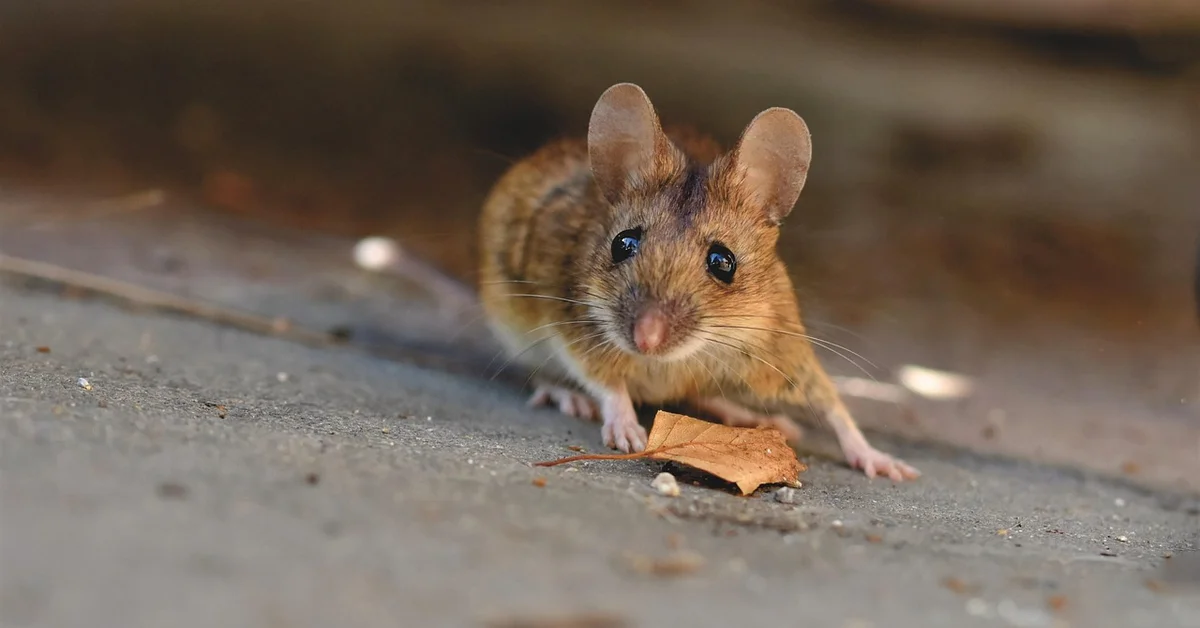
With an average lifespan of only two years, every moment with a pygmy mouse is precious. Their entire lives are a beautiful, fleeting blur of activity, and understanding their aging process helps you provide compassionate care through every stage. Watching my own mice, like the once-impulsive Kenny, gradually slow down has taught me to appreciate the quiet moments just as much as the energetic ones—it’s all part of the quality of life journey for pygmy mice.
- Youth (0-6 months): A period of explosive growth, boundless energy, and establishing social hierarchies.
- Adulthood (6-18 months): Your mouse is at its physical peak, displaying confident behaviors and a stable routine.
- Senior (18+ months): You may notice a slower gait, more time spent sleeping, and a thinner coat.
Caring for an older pygmy mouse involves thoughtful adjustments to keep them comfortable. Softer food options like moistened lab blocks or baby food can help if their teeth become sensitive. Lowering water bottles and food dishes, and adding more low-platform hides, makes navigation easier for arthritic seniors. Monitor their weight weekly, as weight loss is a primary indicator of age-related decline, and ensure they remain integrated with the group for social warmth.
Are African Pygmy Mice Right for You?
These miniature marvels are not the ideal pet for everyone, and making an honest assessment of your lifestyle and expectations is vital for their well-being and your satisfaction. They offer a unique kind of pet ownership centered on observation rather than cuddling. If you are looking for a pet to hold and handle frequently, a larger, more robust species like a fancy mouse or rat would be a much better fit for your needs.
Ask yourself these questions before deciding:
- Do you have the patience to enjoy watching intricate behaviors from a distance?
- Can you provide a safe, escape-proof, and meticulously maintained habitat?
- Are you prepared for a pet with a naturally short lifespan?
- Is there an exotic veterinarian within a reasonable distance from your home?
- Do you have a quiet household, as they are easily stressed by loud noises and sudden movements?
A pygmy mouse is a perfect pet for someone who finds joy in creating a miniature world and witnessing the secret lives of its tiny inhabitants. Their care is a lesson in attention to detail, a rewarding hobby for those who appreciate the delicate and the discreet. They’re a great example to include in any guide to exotic pet mouse species, showcasing what makes less-common mice special. Learning their needs gives useful insight into caring for other exotic mouse varieties.
Frequently Asked Questions
What is a pygmy mouse?
A pygmy mouse is a type of small rodent, often referring to species like the African pygmy mouse, known for its miniature size and delicate nature. These mice are popular in niche pet care due to their unique behaviors and specific habitat needs, requiring attentive owners to thrive in captivity.
How big does a pygmy mouse get?
African pygmy mice are among the tiniest pet rodents, typically reaching a weight of 3 to 12 grams as adults. Their body length is usually no larger than a human thumb, making them exceptionally small and necessitating specially scaled equipment to prevent injuries.
Are pygmy mice suitable as pets?
Pygmy mice can be suitable for patient owners who appreciate observing rather than handling pets, as they are often skittish and not ideal for frequent interaction. They require a secure, warm enclosure and consistent care, making them best for those willing to invest time in creating a safe, enriching environment without expecting cuddly companionship.
Your Journey Together
Providing a proper home, a balanced diet, and gentle interaction forms the foundation of a wonderful life for your African Pygmy Mouse. These tiny creatures offer a unique window into a world of miniature activity and subtle communication.
The effort you put into understanding their specific needs will be repaid a thousandfold in quiet observation and the simple joy of caring for another life. You are fully equipped with the knowledge to create a thriving environment for your new small friend.
Further Reading & Sources
- African pygmy mouse – Wikipedia
- African Pygmy Mice – Crittery
- African Pygmy Mice – Bacchus Residents
Isabella is a passionate small pet enthusiast with over 8 years of experience in caring for mice. She loves sharing practical tips and heartfelt stories to help fellow mouse owners provide the best care for their tiny companions.
Mice Breeds & Varieties