
Calming Your Fearful Pet Mouse: A Guide to Easing Anxiety
Does your mouse startle at shadows or retreat into hiding at the slightest noise? Watching a pet live in constant distress can feel overwhelming, but you’re not alone in wanting to provide comfort.
Drawing from my years of caring for mice like my own cautious Gregory, this guide offers clear, step-by-step solutions to help your mouse feel secure. We’ll explore identifying stress triggers, creating a safe habitat, and using gentle handling techniques to build lasting trust.
What Does Fear and Anxiety Look Like in Pet Mice?
Body Language That Signals Rodent Anxiety
A mouse’s body is a direct window into its emotional state, constantly communicating comfort or distress through subtle shifts. Learning this silent language is your first step toward helping a chronically scared pet. Anxious mice often freeze in place, becoming a tiny, motionless statue, which is a primary fear response to perceived threats. You might notice their whiskers pulled back tightly against their face, a sign of high alertness, rather than the relaxed, sweeping motion of a content mouse. Their ears may also flatten, and their body will appear tense and low to the ground. My mouse Jeffery, for instance, often flattens himself so completely he seems to vanish into the bedding. Other common postures include a hunched back and rapid, shallow breathing that makes their whole body quiver.
- Freezing in place for extended periods.
- Whiskers pinned back against the face.
- A flattened, tense body posture close to the ground.
- Rapid, visible breathing or whole-body trembling.
- Wide, bulging eyes that seem to stare without blinking.
Behavioral Signs Your Mouse Is Chronically Stressed
When fear becomes a constant companion, it changes how a mouse interacts with its entire world. Chronic stress manifests in behaviors that disrupt their normal routines and zest for life. A mouse that once enjoyed exploring might now spend most of its time hidden in a single, secluded nest. You could see a dramatic decrease in activities like running on the wheel, climbing, or foraging for food. In some cases, this constant anxiety leads to over-grooming, where they create bald patches on their own skin, or barbering, where they nibble the fur off their cagemates. Changes in eating and drinking habits are major red flags; a scared mouse might only venture out for food when it believes you are asleep or not present. The following visual behavioral guide highlights these common signs of stress so you can recognize them at a glance. Use the images and brief descriptions to distinguish normal behavior from worrying changes and decide when to take action.
- Excessive hiding and avoidance of open spaces.
- A noticeable drop in activity and exploration.
- Over-grooming, leading to fur loss or skin irritation.
- Significant changes in appetite or drinking patterns.
- Increased startling or jumping at minor sounds and movements.
What Causes Chronic Fear in Pet Mice?
Environmental Stressors That Trigger Mouse Anxiety
Your mouse’s home should be a sanctuary, but common household elements can inadvertently turn it into a source of terror. The environment you create is the single most influential factor in your mouse’s long-term sense of security. Loud or unpredictable noises are a primary culprit; vacuums, blaring televisions, and slamming doors can keep a mouse in a perpetual state of alarm. Improper cage placement, such as in a high-traffic hallway or a room with frequent temperature fluctuations, prevents them from ever truly relaxing. Even a lack of sufficient hiding places and deep bedding can leave a mouse feeling exposed and vulnerable. I once had to completely rearrange a cage setup after realizing a ceiling light was casting moving shadows that terrified its occupant all evening.
- Loud, sudden, or high-frequency noises from household appliances.
- A cage location in a busy, chaotic part of your home.
- Insufficient hides and clutter, forcing them into the open.
- The presence of other pets, like cats or dogs, near their cage.
- Bright, direct lighting without periods of softer, dim light.
How Poor Handling Early in Life Creates Fearful Mice
The first few weeks of a mouse’s life with you lay the entire foundation for your future relationship. Rushed or improper handling during this critical period can instill a deep-seated fear of human hands that is incredibly difficult to unlearn. If a mouse is grabbed from above, a motion that mimics a predator attack, it can trigger a primal panic response. Being handled before it has had time to acclimate to its new home and your scent creates a negative first impression. A lack of positive reinforcement, like offering a high-value treat during interactions, means the mouse has no reason to associate you with good things. I’ve worked with mice from uncertain backgrounds, and the ones who flinch at a hand’s shadow always tell a story of a difficult start. Handling them poorly from the beginning can affect even their ability to recognize and trust their owners.
- Being grabbed or picked up abruptly instead of coaxed.
- Lack of a proper, quiet acclimation period in a new home.
- Hands associated with negative events like cage cleaning without positive counter-balancing.
- Forced interactions that ignore the mouse’s clear signals of fear and desire to retreat.
- Inconsistent handling, sometimes gentle and other times rough, creating confusion and mistrust.
Creating a Safe Cage Setup for Anxious Mice

Essential Hiding Spaces and Enrichment for Stress Reduction
Your mouse’s cage is their fortress, and for a fearful pet, every inch needs to feel like a secure retreat. I always ensure my cage has multiple enclosed hides-think small wooden houses, coconut shells, or even opaque plastic containers with safe entry holes. Scatter these hiding spots throughout the cage, especially near food and water stations, to give your mouse constant access to safety. This setup prevents them from feeling exposed during essential activities. These principles are exactly what I cover in the ultimate guide to mouse cages. It walks you through choosing the right cage, materials, sizing, and layout tips to build a calm, secure home for even the most anxious mice.
Beyond just hiding, enrichment is a powerful tool for calming a busy, anxious mind. I fill the cage with things to manipulate and explore. Here are my go-to items:
- Toilet paper and paper towel tubes for shredding and hiding inside.
- A deep layer of paper-based or aspen bedding for frantic burrowing.
- Seagrass mats and tunnels that provide cover while moving around.
- Bird toys with safe bells or wooden blocks for gentle, distracting noise.
This clutter might look messy to us, but for a scared mouse, it’s a complex landscape that provides mental stimulation and security. A busy mouse is a less fearful mouse, as enrichment gives their nervous energy a positive outlet.
Lighting and Noise Management for Fearful Mice
Mice perceive the world very differently from us, and common household occurrences can be major sources of stress. I’ve found that managing their sensory environment is one of the most effective ways to reduce chronic anxiety. Place the cage in a calm area away from televisions, loud speakers, and high-traffic doorways. Sudden, sharp noises can trigger a fear response, so a quiet corner is non-negotiable for a nervous pet.
Lighting is equally critical. Avoid direct, bright overhead lights and never place the cage in direct sunlight, which can cause overheating and stress. I use a simple plug-in timer for the room light to maintain a consistent day/night cycle, which provides a predictable and reassuring routine. Consistent, gentle ambient light is far less intimidating than flickering or harsh lighting. For my mouse Jeffery, who startles easily, I even draped a light cloth over one part of his cage to create a perpetually dim area, which he now uses as his main relaxation spot.
Gentle Handling Techniques for Scared Mice
Building Trust Through Scent Familiarization
Before you even think about touching a frightened mouse, you need to become a familiar, non-threatening scent. I start by placing a used, unscented paper napkin from my hand into their cage for a day or two. Your scent needs to become a normal, boring part of their environment before it can become a comforting one. This simple step lays the groundwork for all future interactions. Once they accept your scent, you can begin short, calm handling and light grooming sessions. Those predictable, gentle steps are exactly what’s needed to prepare a mouse for taming and show work.
The next phase is the “hand-as-furniture” approach. Rest your open hand, palm up, calmly in the cage for five to ten minutes at a time. Don’t move it. Don’t try to pet them. Let them investigate this strange new object on their own terms. Your patience in being present but passive teaches the mouse that your hand is not a predator. They may sniff, walk over, or even ignore it-all progress. Repeat this daily until they show casual curiosity instead of alarm.
The Right Way to Pick Up an Anxious Mouse
Lifting a scared mouse incorrectly can destroy weeks of built-up trust. The goal is to make them feel supported and secure, not trapped. Never grab from above, as this mimics a predator. My preferred method is the scoop technique. This technique lets you safely pick up, hold, and handle your pet mouse with minimal stress. Here is how to do it safely:
- Let the mouse walk onto your open palm voluntarily, perhaps lured by a tiny treat.
- Slowly and gently close your other hand around them, forming a loose, dark “cave” with your fingers.
- Lift them while keeping them fully enclosed in your hands, close to your body.
This cupping method makes the mouse feel hidden and safe, rather than exposed in the open air. Always handle them close to a soft surface, like a bed or a sofa, so if they do wriggle free, they have a short, safe fall. Keep initial handling sessions very short-just a minute or two-and always end on a positive note with a favorite snack.
Habituation and Desensitization for Chronically Fearful Mice
Creating a Desensitization Schedule That Works
For a mouse with deep-seated fear, you need a structured plan. Desensitization is the process of slowly and systematically introducing a fear trigger at such a low intensity that it doesn’t provoke a full-blown panic. Consistency is far more valuable than speed; a slow, predictable routine is the bedrock of building confidence.
I create a simple schedule, dedicating two short sessions per day, every day. For example, if the mouse is scared of hands, the first week might involve nothing more than my hand resting motionless outside the cage bars. The next week, I move my hand to the open cage door. The following week, my hand rests inside the cage. You only move to the next step when the mouse shows no signs of stress at the current level. Signs of stress include freezing, frantic running, or puffing up their fur. If you see these, you’ve moved too fast-take a step back.
Using Positive Reinforcement to Reduce Fear Responses
Desensitization is powerless without its partner: positive reinforcement. This means pairing the scary thing with a wonderful thing. For my mice, the wonderful thing is always food. The instant your mouse shows calm behavior near a fear trigger, even for a second, you must immediately reward them. This rewires their brain to associate the trigger with a positive outcome.
Use extra-special, high-value treats that they only get during these training sessions. For my Jeffery, that’s a tiny crumb of a peanut butter puff. The sequence is vital:
The Role of Companionship in Mouse Anxiety
Watching a lone mouse navigate their world is like watching a tiny ship on a vast, empty ocean. Companionship is the single most powerful tool you have to calm a chronically fearful mouse. Mice are colony animals, hardwired to feel safe within a group. A solitary life goes against their very nature, creating a baseline of stress that amplifies every little sound and shadow.
I’ve seen this firsthand with my own mice. My cheerful but anxious Jeffery was a completely different rodent before he was introduced to the calm Gregory and bold Kenny. His twitchy, hesitant movements softened as he learned to follow their confident leads. A calm, established companion mouse provides a live-in security blanket, demonstrating through their own behavior that the world is not so scary.
How a Friend Makes a Difference
- Social Grooming: The gentle act of being groomed by a cagemate releases endorphins, acting as a natural tranquilizer and strengthening social bonds.
- Warmth and Huddling: Sleeping piled together is not just for warmth; it’s a profound source of comfort and a direct signal that “all is well.”
- Behavioral Modeling: A scared mouse will watch its braver companions. If Kenny fearlessly explores a new cardboard tunnel, Jeffery learns it must be safe.
- Shared Vigilance: In a group, the job of watching for danger is shared. Your anxious pet no longer has to bear the exhausting burden of constant watchfulness alone.
Introducing a New Companion
Bringing a new mouse home requires a careful, patient introduction process to ensure it reduces anxiety instead of creating more. The first 24 hours are crucial — a calm, quiet environment and minimal handling help the mouse acclimate. This guide outlines simple steps to follow during that initial day to help your new pet settle in.
- Start on Neutral Ground: Use a clean, neutral space like a bathtub with a towel. Neither mouse should feel their territory is being invaded.
- Supervise Closely: Watch for over-the-top bullying or serious fights. Normal squabbling and posturing are expected as they establish a hierarchy.
- Use the Split-Cage Method: A CritterTrail connector or a tank divider allows the mice to see and smell each other safely for several days before full contact.
- Scatter Food Widely: Placing treats all over the introduction area prevents resource guarding and encourages positive association.
The goal is a slow, scent-focused introduction that builds familiarity long before they share a living space. Rushing this process is one of the biggest mistakes you can make. The reward of seeing your once-terrified mouse cuddled up with a friend is worth every bit of patience.
Diet, Routine, and Physical Health Factors
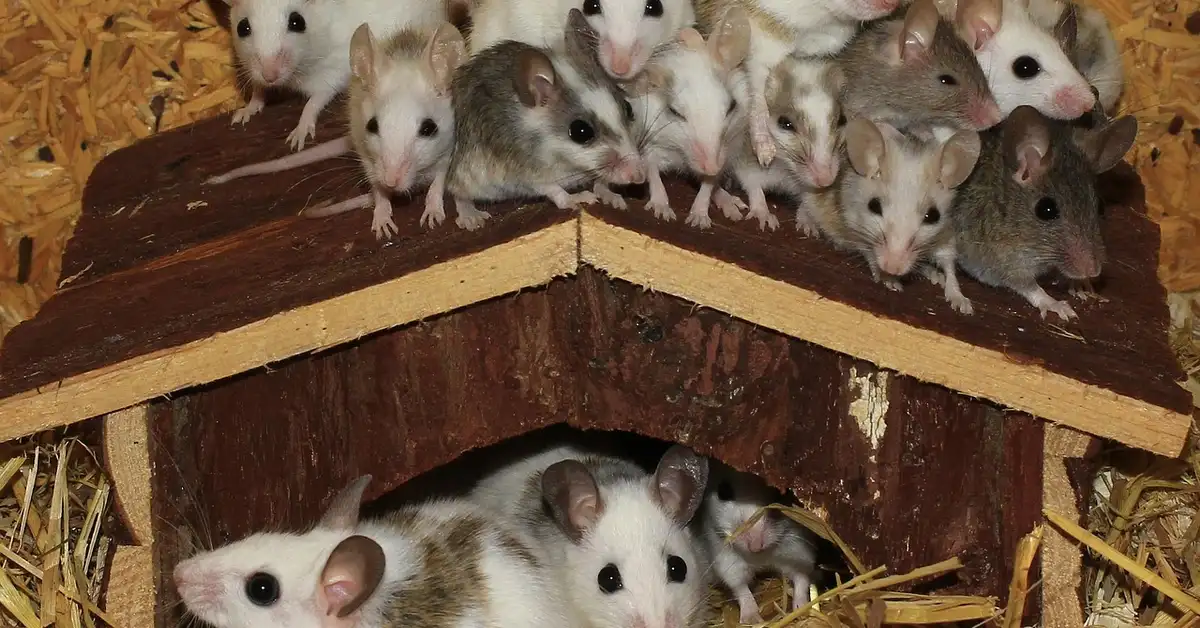
Fear doesn’t only live in the mind; it is deeply connected to the body. A mouse’s physical well-being is the foundation upon which their emotional resilience is built. An inadequate diet or an unpredictable environment can keep a mouse’s nervous system in a constant state of high alert, making it impossible for them to feel truly secure.
Nutritional Support for a Calmer Mouse
What your mouse eats directly impacts their brain chemistry and stress levels. A poor diet can make them jittery and more prone to fear-based reactions.
- High-Quality Lab Block: This should be the staple of their diet, providing all the essential vitamins and minerals for a healthy nervous system.
- Blood Sugar Stability: Avoid sugary treats and seed mixes as a primary food. The energy spikes and crashes can mimic and worsen anxiety symptoms. I use sunflower seeds only as a rare, high-value training reward for Kenny.
- Calming Foods: Small amounts of certain fresh foods can be soothing. A tiny piece of banana (high in magnesium) or a bit of cooked oatmeal can have a mild calming effect. My older mouse, Gregory, seems particularly soothed by his small, occasional bit of aged cheese.
- Constant Access to Food: Mice have fast metabolisms. Ensuring they never feel hungry is a simple but profound way to reduce background stress.
The Power of Predictability
For a prey animal, the unknown is terrifying. Your job is to make their world wonderfully predictable.
- Consistent Feeding Times: Feed them at roughly the same times each day. The anticipation and reliable delivery of food is deeply comforting.
- Scheduled Interaction: Try to handle and play with them during the same general periods. They will learn to expect and even look forward to your visits.
- Spot-Clean on a Schedule: While a full clean is necessary, avoid completely stripping and rearranging their cage too often. A familiar, scent-marked environment is a safe environment. I do a deep clean every two weeks but leave a handful of old, unsolied bedding to maintain their scent.
Addressing Underlying Health Issues
A sudden increase in fearful behavior can be your first clue that something is physically wrong.
- Pain: A mouse in pain will hide more and may flinch or squeak when touched. Check for any signs of injury, lumps, or difficulty moving.
- Parasites: Mites or lice cause intense itching, leading to restlessness, over-grooming, and general irritability.
- Respiratory Infection: Labored breathing is stressful and can make a mouse too weak to engage with its environment, which can look like fear.
- Vision or Hearing Loss: An older mouse like Gregory might startle more easily if their senses are declining, making the world a more confusing and frightening place.
Any significant or sudden change in your mouse’s anxiety levels warrants a close look at their physical condition. Sometimes, the kindest thing you can do for their fear is to schedule a check-up with a veterinarian experienced with small animals.
When Your Scared Mouse Needs Veterinary Care
Watching a pet mouse live in a constant state of fear is heartbreaking. You’ve tried everything at home, but sometimes professional support is the kindest path forward. A veterinarian experienced with small animals can offer solutions you simply cannot provide on your own. They assess whether the anxiety stems from an underlying medical issue, which is more common than many owners realize.
What a Vet or Behaviorist Can Do for Rodent Anxiety
These specialists look at your mouse’s entire well-being. They go beyond the surface behaviors to find the root of the problem.
- Perform a Comprehensive Health Check: A vet will check for pain, poor eyesight, dental issues, or infections that can cause a mouse to feel vulnerable and fearful. My mouse Jeffrey’s jumpiness decreased significantly once a minor respiratory infection was treated.
- Prescribe Safe Anti-Anxiety Medication: For chronic, debilitating fear, medication can be a game-changer. It’s not about sedation; it’s about lowering their anxiety enough to allow positive experiences to happen.
- Offer Tailored Environmental Modifications: A professional can give you a specific plan for your cage setup, noise levels, and handling techniques based on your mouse’s unique personality and triggers.
- Rule Out Neurological Conditions: In rare cases, extreme startle responses can have a neurological component. A vet can help identify or rule this out.
Preventing Fear in Newly Adopted Mice
The first days and weeks in your home set the stage for your mouse’s entire life with you. A thoughtful, patient introduction to their new world builds a foundation of trust that can prevent chronic fear from ever taking hold.
Your primary goal is to make their new enclosure feel like a secure fortress before anything else. Fill it with hiding spots so they always have a safe retreat within sight, no matter where they are in the cage.
- The Quiet Period: For the first 2-3 days, resist the urge to interact. Place food, water, and treats in the cage with minimal disturbance. Speak softly near the cage so they get used to your voice.
- The Scent Introduction: After the quiet period, place a used, unscented tissue or a small fabric scrap from your clothing into the cage. This lets them investigate your smell on their own terms, without the pressure of your presence.
- Treat-Based Trust Building: Sit by the open cage door and offer a high-value treat, like a small piece of a broken-up sunflower seed, on your open palm. Stay perfectly still. Let them decide to approach. This step with my bold mouse, Kenny, took minutes; with Jeffrey, it took over a week. Patience is everything.
- Respect Their “No”: If they retreat, stop for the day. Forcing interaction teaches them that your hand is something to fear, not trust. Consistency and positive associations are what build confidence.
I’ve found that mice like my older fellow, Gregory, who had a calm start, remain more resilient to household noises and changes later in life. Investing immense patience at the beginning pays a lifetime of dividends in a calm, curious companion.
Frequently Asked Questions
anxious pet mice for sale?
It’s uncommon to find breeders specifically selling “anxious” pet mice, as reputable sources focus on well-socialized, healthy animals. Instead, consider adopting from small animal rescues or ethical breeders who prioritize gentle handling from a young age, which helps prevent chronic fear. If you do acquire a mouse that shows signs of anxiety, use the guidance in this article to create a supportive environment and build trust through patience and positive reinforcement.
anxious pet mice texas?
Anxiety in pet mice isn’t unique to Texas, but local factors like high temperatures or humidity may require adjustments to their habitat, such as ensuring proper ventilation and avoiding direct sunlight to reduce stress. Reach out to Texas-based small animal veterinarians or rodent rescue groups for tailored advice and support, as they can offer region-specific resources to help you manage your mouse’s anxiety effectively.
anxious pet mice and rats?
While both mice and rats can experience anxiety, rats often display it differently due to their generally bolder and more social nature; mice may be more prone to freezing or hiding, whereas rats might show avoidance or aggression. The calming techniques for mice, like secure hides and gentle handling, can also benefit rats, but always refer to species-specific care guides to address their unique needs and behaviors.
Your Journey Together
Helping a chronically scared mouse is a marathon of patience, not a sprint, and every tiny step of progress is a monumental victory. The most powerful tools you have are your quiet presence and your consistent routine, which build a foundation of security for your small friend over time. A mouse social behavior guide can help you determine whether your mouse is naturally solitary or benefits from companionship. That knowledge lets you tailor your handling and enrichment to match its comfort level.
Your dedication to understanding their unique personality and needs is what will ultimately transform your relationship from one of fear into one of mutual trust. This journey may have its challenges, but the moment your mouse chooses to approach you is a reward that makes every effort worthwhile.
Further Reading & Sources
- Reducing Mouse Anxiety during Handling: Effect of Experience with Handling Tunnels | PLOS One
- Anxious mice seek out anorexia-like behaviors to relieve stress | Journal Club | PNAS
- Anxiety-Related Behaviors in Mice – Methods of Behavior Analysis in Neuroscience – NCBI Bookshelf
Isabella is a passionate small pet enthusiast with over 8 years of experience in caring for mice. She loves sharing practical tips and heartfelt stories to help fellow mouse owners provide the best care for their tiny companions.
Common Behavioral Issues