
Foraging for Fun: 10 DIY Puzzles to Make Your Mouse Think
Have you ever watched your mouse circle their cage with a look of pure boredom? Many owners feel that pang when their pet seems understimulated and restless. Enriching your mouse’s environment with DIY puzzles can turn their daily routine into an exciting adventure that mimics their wild instincts.
This article provides ten creative and budget-friendly puzzle ideas you can assemble from common household items. You will find detailed guides for constructing everything from simple paper roll challenges to intricate obstacle courses that promote problem-solving and physical activity.
Why Foraging Enrichment Matters for Your Pet Mouse
In the wild, a mouse doesn’t just find a full bowl of food waiting for them. Their entire day is built around the crucial, life-sustaining work of searching for their next meal. By providing foraging puzzles, you honor that deep-rooted instinct and transform a simple feeding into a rewarding, engaging activity. This isn’t just about preventing boredom; it’s about fulfilling a core part of their natural behavior.
How Problem-Solving Activities Keep Your Mouse Sharp
Think of your mouse’s brain like a muscle-it needs regular exercise to stay strong and healthy. A life without challenges can lead to a lethargic, disinterested pet. Engaging their mind has profound benefits.
- Boosts Cognitive Function: Navigating a puzzle requires memory, decision-making, and learning, which helps keep their mind agile as they age.
- Reduces Repetitive Behaviors: Mice without enough to do might start pacing or over-grooming. A thinking mouse is a busy, content mouse.
- Builds Confidence: There’s a visible spark of pride in a mouse who finally figures out how to retrieve a hidden treat. That success builds their overall confidence.
- Provides Essential Exercise: Many puzzles involve physical manipulation, turning a mental workout into a physical one that maintains a healthy weight.
I’ve watched my own mouse, Jeffery, go from a timid observer to a determined little problem-solver, his cheerful squeaks becoming more confident with each puzzle he masters.
Signs Your Mouse Needs More Mental Stimulation
Your mouse will tell you when they’re under-stimulated, you just need to know how to listen. Look for these subtle hints that it’s time for a new puzzle.
- Excessive sleeping during their normal active hours (dusk and dawn).
- Over-grooming themselves or their cagemates to the point of creating bald spots.
- Listlessly wandering the cage without any clear purpose or destination.
- Showing little to no interest in new objects or changes in their environment.
- Becoming a bit too fixated on the cage bars, waiting for something to happen.
Recognizing these signs early allows you to intervene with a fun new challenge that can completely revitalize their daily routine. My older mouse, Gregory, will start rearranging his bedding with a distinct, grumpy vigor when he’s ready for a new mental task.
Materials and Safety Guidelines for DIY Mouse Puzzles
The best part about creating puzzles for your mice is that you likely have everything you need already in your home. The key is choosing materials that are safe for curious little chewers. Always prioritize non-toxic, easily chewable items that won’t splinter or have sharp edges, especially since mice love to chew through materials.
- Cardboard: Toilet paper tubes, egg cartons, and small boxes are perfect, disposable puzzle bases.
- Untreated Wood: Craft sticks and small, plain wood blocks are great for constructing more durable structures.
- Paper: Plain paper bags, muffin liners, and shredded office paper make excellent hiding spots and nesting material.
- Food-Based Items: Empty, clean walnut shells or hollowed-out grape stems can be part of the puzzle itself.
Avoid anything with glue, tape, plastic coatings, or dyes. If you wouldn’t feel safe eating it yourself, don’t give it to your mouse. This is especially important when using homemade treats, so make sure to follow safe recipes for their diet.
Best Treats and Foods for Puzzle Rewards
The reward is what makes the puzzle worth solving! You want to use something special that motivates them without upsetting their delicate digestive systems. High-value treats should be tiny, healthy, and reserved specifically for these enriching activities.
- Seed Stars: A single sunflower seed or a piece of millet spray is an irresistible prize for most mice.
- Protein Picks: A small bit of plain, cooked egg or a mealworm (dried or live) offers a fantastic protein boost.
- Whole Grains: A piece of uncooked oat, a single piece of whole-wheat pasta, or a brown rice grain works perfectly.
- Occasional Delights: A tiny crumb of dog kibble, a miniature piece of unsalted nut, or a dried berry fragment.
I always test new treats in a tiny quantity first to see how my mice react. Kenny, my adventurous one, will try anything once, but I keep his favorite sunflower seeds on hand for the most difficult puzzles to keep him motivated.
10 Step-by-Step DIY Foraging Puzzles for Mice
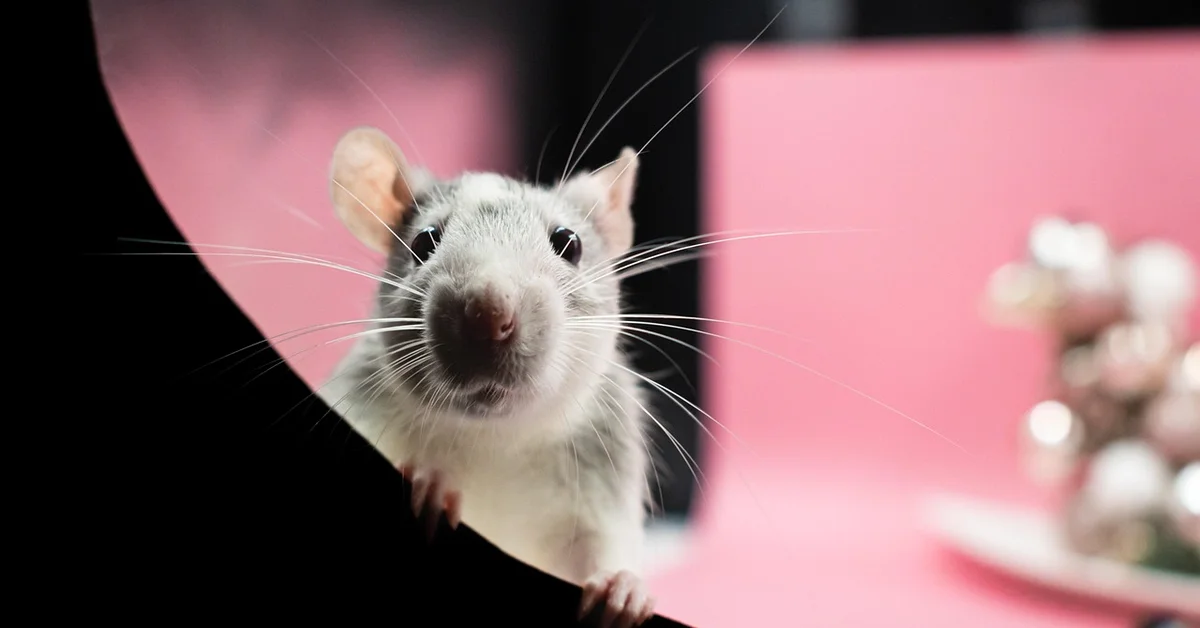
Puzzle 1: Toilet Paper Roll Treat Tube
Grab an empty toilet paper roll and stuff it loosely with crinkled paper or hay, then drop in tiny treats like sunflower seeds or crumbs. Your mouse will adore the crinkly sound and the challenge of pulling goodies out through the ends or chewing through the cardboard. I’ve watched Kenny, my light-gray explorer, spend hours batting these rolls around to get every last morsel.
- Take a clean, dry toilet paper tube.
- Add a layer of soft paper or Timothy hay inside.
- Sprinkle 2-3 favorite treats into the center.
- Fold or pinch the ends slightly to keep treats from falling out too easily.
- Place it in your mouse’s play area and watch them investigate.
Puzzle 2: Egg Carton Foraging Station
Use a cardboard egg carton-not foam or plastic-and fill each cup with a mix of bedding and hidden snacks. This setup encourages natural digging and sniffing behaviors, turning mealtime into a sensory adventure. For shy mice like Jeffery, I leave the lid off at first so they can see the rewards without feeling overwhelmed.
- Cut a cardboard egg carton into smaller sections if desired.
- Place a pinch of aspen or paper bedding in each cup.
- Hide small treats like berry pieces or crushed pellets in some cups.
- Close the lid partially or fully to vary difficulty.
- Set it in the cage and let your mouse explore each compartment.
Puzzle 3: Tissue Box Dig Box
An empty tissue box becomes a cozy burrow when filled with safe bedding and scattered treats. Mice love the enclosed space, which mimics wild nesting spots and boosts their confidence during foraging. My older mouse, Gregory, often retreats here for quiet munching sessions away from the youngsters.
- Remove any plastic from a used tissue box.
- Fill it two-thirds full with paper-based bedding.
- Bury a few high-value treats, like aged cheese bits, deep inside.
- Place the box on its side so your mouse can enter easily.
- Observe as they dig and shuffle to uncover surprises.
Puzzle 4: Muffin Tin Treasure Hunt
A standard muffin tin works perfectly for this puzzle-just drop treats into a few cups and cover them with lightweight balls or cardboard circles. Your mouse must lift or nudge covers to find food, honing their problem-solving skills with each attempt. Start with larger covers for beginners and switch to smaller ones for experts.
- Select a clean muffin tin with 6 or 12 cups.
- Place a treat in 3-4 random cups.
- Cover all cups with ping-pong balls or cut cardboard squares.
- Secure covers loosely so they’re easy to dislodge.
- Introduce it during playtime and cheer on your mouse’s discoveries.
Puzzle 5: Hanging Treat Piñata
Create a simple piñata by filling a small paper bag or cardboard container with treats and hanging it from the cage roof with untreated string. This puzzle promotes climbing and balancing, giving active mice a fun workout while they nibble. Kenny’s impulsive nature makes this one of his favorites—he’ll leap and swing until it breaks open. As a hands-on puzzle, the piñata ranks among the best enrichment toys for stimulating a mouse’s mind by combining physical challenge with problem-solving. Rotating similar interactive toys keeps mice curious and mentally engaged.
- Punch two holes in a small paper bag or hollow cardboard shape.
- Add a handful of light, crunchy treats inside.
- Thread natural jute or cotton string through the holes.
- Tie it securely to the top bars of the cage.
- Adjust height based on your mouse’s agility-lower for starters.
Puzzle 6: Cardboard Tube Maze Tower
Stack and tape toilet paper or paper towel tubes into a vertical maze, with treats tucked into bends and junctions. This design challenges spatial awareness and persistence, as mice navigate twists and turns to reach rewards. I often build these with multiple exits to reduce frustration for cautious mice like Jeffery.
- Collect 4-6 cardboard tubes of varying lengths.
- Cut some tubes at angles to create connections.
- Use pet-safe glue or tape to assemble them into a stable tower.
- Hide treats in select tubes before sealing the structure.
- Lean it against a cage wall and let your mouse climb and explore.
Puzzle 7: Bottle Cap Flip Challenge
Gather clean plastic bottle caps and place them upside down over treats on a flat surface. Your mouse will learn to flip the caps with their nose or paws, a fine-motor task that builds dexterity and patience. Gregory, with his steady demeanor, excels at this-he methodically checks each cap without rushing.
- Wash and dry several plastic bottle caps.
- Scatter a few treats on a tray or solid floor area.
- Cover each treat with an upside-down cap.
- Space caps apart to prevent crowding.
- Encourage your mouse to investigate and flip caps for goodies.
Puzzle 8: Popsicle Stick Ladder Box
Build a small box from untreated popsicle sticks, leaving gaps or a removable lid, and hide treats inside. Mice must chew or lift parts to access food, satisfying their gnawing instincts and keeping teeth healthy. Untreated popsicle sticks are a safe option because mice naturally chew soft woods, cardboard, and paper. Avoid painted, treated, or plastic materials and toxic glues. For beginners, I make the lid loose; for pros, I secure it with a lightweight clip.
- Arrange popsicle sticks into a square or rectangle shape.
- Use non-toxic glue to bond sticks at the corners.
- Leave one side open or create a lid from extra sticks.
- Place a couple of treats inside before closing.
- Set it in the cage and watch your mouse work to open it.
Puzzle 9: Paper Bag Burrow Buffet
Crumple a brown paper bag loosely and tuck treats into the folds, then place it in your mouse’s habitat. This simple puzzle taps into natural burrowing urges, providing comfort and excitement as they shred and search. Jeffery’s cheerful squeaks always get louder when he finds a berry hidden in the crinkles.
- Take a small, unprinted paper bag.
- Lightly crumple it to create nooks and crannies.
- Slide treats like seed mixes into the folds.
- Leave the bag partially open for easy entry.
- Offer it during free-roam time for a mess-free foraging session.
Puzzle 10: Cardboard Castle Foraging Maze
Construct a multi-room castle from cardboard boxes and tubes, with treats hidden in various chambers. This elaborate puzzle stimulates curiosity and memory, as mice recall where they found rewards in past explorations. I customize mine with ramps and hideouts to suit each mouse’s personality—Kenny dashes through, while Gregory inspects every corner. This DIY castle hits the same marks as the best enrichment puzzle toys for mice—multi-room complexity, hidden rewards, and adjustable challenges. Whether homemade or store-bought, choose designs that are chew-safe and easy to clean.
- Cut small doors and windows into cardboard boxes.
- Connect boxes with cardboard tubes or bridges.
- Hide treats in different rooms and levels.
- Secure the structure with tape so it doesn’t collapse.
- Rotate treat locations to keep the challenge fresh.
How to Adjust Puzzle Difficulty as Your Mouse Gets Smarter
Starting Easy for Puzzle-Shy Mice
If your mouse seems hesitant, begin with puzzles that have obvious rewards and minimal barriers. Place treats in open containers or partially hidden spots to build confidence without frustration. I’ve noticed Jeffery responds well to puzzles where he can see or smell the food first-it helps his anxious nature ease into the game. These gentle steps are exactly the kind of early exercises I describe in the complete guide to taming a scared, skittish mouse. The guide walks you through gradual techniques to reduce fear and build trust.
- Use puzzles with large openings or no covers initially.
- Choose highly aromatic treats to attract attention.
- Keep sessions short and positive, removing puzzles if stress signs appear.
- Model the behavior by gently showing how to access treats.
- Gradually introduce one new puzzle type per week.
Ramping Up Challenges for Expert Foragers
Once your mouse masters basic puzzles, increase complexity by adding layers, smaller openings, or moving parts. Advanced foragers thrive on novelty, so rotate puzzles frequently and combine elements for unique experiences. With Kenny, I’ll hide treats deeper or require him to solve multiple steps—like unlocking a lid before digging—to keep his bold mind engaged. For even more enrichment ideas, check out our guide to keeping your mouse entertained beyond the wheel.
- Incorporate puzzles that require climbing, lifting, or chewing.
- Hide treats in less accessible areas, like under lightweight objects.
- Use puzzles with interchangeable parts to change layouts easily.
- Time how long it takes to solve and slowly reduce treat visibility.
- Pair foraging with other enrichment, like adding scents or textures.
Rotating and Maintaining Your DIY Puzzle Collection
Cleaning Reusable Puzzle Components
Keeping puzzle pieces clean prevents mold and bacteria that could harm your mouse’s health. I always wipe down plastic or wood parts with a vinegar-water solution after each use to ensure safety and freshness. If you use commercial cleaners, choose mild, unscented products labeled non-toxic for small animals and avoid bleach, ammonia, or strong fragrances. Always rinse and let pieces air-dry completely before returning them to your mouse. For puzzles with food residue, a quick scrub with a pet-safe brush removes sticky bits without harsh chemicals.
- Disassemble puzzles weekly to clean hard-to-reach crevices where grime builds up.
- Air-dry components completely before reassembly to avoid dampness that attracts pests.
- Rotate cleaning schedules based on use-high-activity puzzles like Kenny’s favorite seed mazes need more frequent attention.
Mice have sensitive noses, so avoid scented cleaners that might deter them from engaging. A clean puzzle not only protects your pet but also keeps the challenge appealing and odor-free. Mice use scent marking as olfactory signals to communicate territory and identity, so strong cleaners can mask or disrupt those cues. Letting a bit of their natural scent remain helps preserve those signals while still keeping the puzzle hygienic. In my experience, Gregory’s calm demeanor means he notices even slight smells, so I stick to unscented methods.
When to Introduce New Puzzles vs. Rotate Existing Ones
Observing your mouse’s behavior tells you when to switch things up. Rotate puzzles every few days to reignite interest without overwhelming your pet with constant change. If your mouse solves a puzzle quickly or ignores it, that’s a cue to swap it out for a different one.
- Introduce new puzzles when you see signs of boredom, like repetitive circling or lack of engagement.
- Keep a “favorites” rotation for puzzles that consistently spark joy, like Jeffery’s berry-hunt game.
- Balance novelty with familiarity-mice feel secure with known challenges but thrive on occasional surprises.
New puzzles should match your mouse’s skill level to avoid frustration. I’ve found that introducing one fresh puzzle weekly keeps my trio curious without stressing Jeffery, who gets anxious with too much change. Watch for happy chirps or eager exploration as signs you’ve hit the right rhythm.
Creating Activity Stations Throughout Your Mouse Habitat
Designing multiple stations turns your mouse’s home into a dynamic playground that caters to natural behaviors. Spread puzzles and enrichment items across different zones to encourage movement and mental stimulation throughout the day. Place foraging stations in corners, climbing challenges near vertical structures, and cozy rest areas away from high-traffic spots.
- Set up a digging station with shredded paper and hidden treats for burrowing instincts.
- Create a climbing zone with safe ledges and ropes leading to puzzle rewards.
- Add a quiet nook with simple puzzles for times when your mouse needs a calm break.
Vary textures and heights to engage senses-smooth ramps, rough bark, and soft bedding make exploration rewarding. In my habitat, Kenny’s bold nature means he claims the high perches, while Gregory mentors from a grounded station with aged cheese puzzles. Regularly shift station layouts to mimic a changing environment, keeping those tiny paws busy and brains sharp.
Frequently Asked Questions
How can I make DIY mouse puzzles for adults?
For adult mice who are skilled foragers, focus on advanced puzzles that require multiple steps or finer motor skills. Construct challenges like a multi-level cardboard tower with hidden treat compartments or a puzzle box with sliding lids made from untreated wood, ensuring materials are safe for chewing. Incorporate high-value rewards, such as mealworms or nut pieces, to motivate persistent problem-solving and keep their minds sharp.
Where can I find DIY mouse puzzles printable?
Printable templates for mouse puzzles are available on pet care websites, rodent enthusiast forums, and platforms like Pinterest, where users share free, customizable designs for mazes or treat-dispensing toys. Always use non-toxic paper and avoid inks or dyes; supervise your mouse to prevent excessive chewing on printed materials, and combine these with household items like cardboard for a safe, engaging experience.
How can I make DIY mouse puzzles for toddlers?
For young or beginner mice, create simple puzzles that minimize frustration and build confidence. Use open containers like small cardboard trays with treats placed visibly on top, or loosely crumpled paper bags that are easy to shred and explore. Pair these with highly aromatic, tiny rewards like crushed oats to attract interest and encourage natural foraging behaviors in a stress-free way.
Wrapping Up
Creating DIY foraging puzzles turns everyday care into a source of joy and mental exercise for your curious companion. Engaging your mouse’s natural instincts through these activities nurtures their problem-solving skills and reduces boredom in a deeply rewarding way. Try a 10-puzzle DIY foraging challenge to keep things fresh. These simple, stepwise toys are easy to make and increase in difficulty to continually engage your mouse.
Start with one simple puzzle and watch how your mouse’s unique personality shines-each tiny triumph strengthens your bond and brings a new layer of fun to your routine. Your efforts to provide thoughtful enrichment make a lasting difference in your pet’s daily happiness and well-being.
Further Reading & Sources
- The No Bowl feeding system – Food Puzzles for Cats
- Mouse Puzzle Cup Toy, Foraging Toy for Mice – Etsy
- Make Your Pet Rat’s Life More Interesting With Food Puzzles – Vetstreet | Vetstreet
Isabella is a passionate small pet enthusiast with over 8 years of experience in caring for mice. She loves sharing practical tips and heartfelt stories to help fellow mouse owners provide the best care for their tiny companions.
Enrichment Ideas