
Allogrooming in Pet Mice: The Secret to Their Social Bonds
Have you ever noticed your mice gently nibbling each other’s fur and felt a mix of curiosity and warmth? As a mouse owner who’s watched my own companions, like Kenny and Gregory, engage in this ritual, I understand that gentle tug to learn more about their quiet conversations.
This guide will walk you through the heart of allogrooming, from its role in trust-building to its subtle meanings. We’ll uncover why mice groom one another and how it strengthens their group harmony, learn to spot the differences between affectionate grooming and potential stress cues, and discover simple ways to support these bonding moments in your own mouse family.
What Is Allogrooming in Pet Mice?
Allogrooming is the beautiful, intricate act of one mouse gently grooming another. This mutual cleaning is far more than simple hygiene; it’s a primary language of affection and trust within a mouse colony. You’ll see them use their tiny teeth to meticulously nibble along a cagemate’s fur, often focusing on the head, neck, and back-areas that are difficult for a mouse to clean on its own.
This behavior stands in direct contrast to self-grooming, where a mouse cleans its own coat. While self-grooming is about personal care, allogrooming is a shared social ritual that solidifies relationships. Self-cleaning behaviors — like licking the paws and rubbing them over the face and body — focus on hygiene and fur maintenance. Together with allogrooming, these routines help mice stay healthy and reinforce social bonds. In my own mischief, I often see Gregory, my older, patient mouse, carefully grooming a wiggly Kenny, who settles down just long enough to receive the attention before darting off on another adventure.
How Allogrooming Strengthens Social Bonds Between Mice
Think of allogrooming as the mouse equivalent of a warm hug or a reassuring pat on the back. This reciprocal care builds a powerful foundation of mutual reliance and security among cage mates. The gentle nibbling and licking release endorphins, creating positive, calming sensations for both the groomer and the recipient. It’s their way of saying, “You are part of my family, and I will look after you.”
The Role of Grooming in Pair Bonding and Group Dynamics
Allogrooming is absolutely vital for establishing and maintaining the social structure of your mouse group.
- It reinforces hierarchy in a peaceful way. Often, a more dominant or confident mouse will initiate grooming on a more submissive one, which is typically accepted without fuss. This is a non-aggressive way to affirm social standing.
- It deepens pair bonds between specific mice. You might notice two mice that are particularly close, spending large amounts of time grooming each other in a quiet corner of the habitat. This is a sign of a very strong friendship.
- It integrates new members. When a new mouse is carefully introduced, the first allogrooming sessions are a massive milestone, signaling acceptance into the group.
How Grooming Helps Resolve Conflict and Maintain Harmony
Mouse squabbles are normal, but allogrooming is one of their most effective tools for making up. Following a minor tiff over food or space, you will frequently see one mouse approach the other and begin to groom them. This act serves as a clear peace offering, effectively de-escalating tension and restoring calm to the enclosure.
It also functions as a constant maintenance tool for group harmony. By regularly engaging in this behavior, mice continuously reaffirm their social contracts and prevent minor irritations from boiling over into serious fights. My mouse Jeffery, who can be a bit anxious, will often seek out Gregory for a quick grooming session after a sudden scare, using the interaction to soothe his nerves and feel safe again.
What Does Allogrooming Look Like in Your Mice?
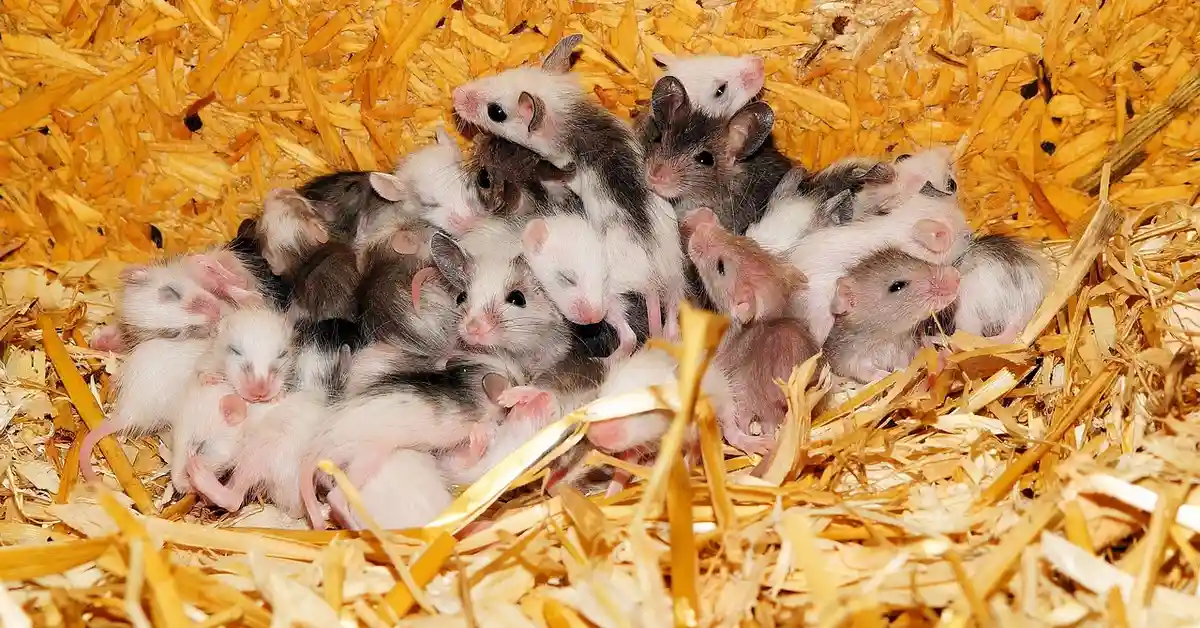
Who Grooms Whom: Understanding Grooming Patterns
You will often see one mouse gently nibbling or licking another, focusing intently on the head, neck, and back. This gentle nibbling is a mouse’s way of showing affection and reinforcing their social hierarchy. The mouse being groomed will typically sit still, often with eyes partially closed, looking completely relaxed and content. They also spend a lot of time self-grooming, licking their fur and using their paws to stay clean and remove parasites. Self-grooming complements social grooming by keeping each mouse hygienic and reinforcing scent cues within the group.
In my own mischief, I notice clear patterns. Gregory, my older, calmer mouse, often initiates grooming sessions with the younger, more impulsive Kenny. It is his way of settling Kenny down and reinforcing his patient, mentoring role. Older or more dominant mice frequently groom younger ones to establish social order and provide comfort.
- The Initiator: Often an older, confident, or dominant mouse in the group.
- The Recipient: Usually a younger, submissive, or anxious mouse seeking reassurance.
- Common Spots: Focus is on hard-to-reach areas like the head, behind the ears, and along the spine.
- Body Language: The groomer is focused and meticulous; the recipient is relaxed and passive.
Reading Your Mice’s Grooming Behavior: What’s Normal and What’s Not
Signs of Healthy Social Grooming
Healthy allogrooming is a quiet, mutual activity that strengthens the group’s bond. You will know it’s a positive interaction when both mice appear calm and there is no attempt to escape. The session might end with the mice curling up together to sleep, a sure sign of a successful social exchange.
- Gentle, deliberate nibbling without causing the other mouse to flinch.
- Frequent role reversal, where the mouse being groomed later becomes the groomer.
- Relaxed postures, with no tense bodies or pinned-back ears.
- Soft, happy squeaks from the mouse receiving the attention.
My mouse Jeffery, who is naturally a bit anxious, will often seek out Gregory for a quick groom after a scary noise. This request for grooming is a clear coping mechanism and a sign of deep trust between cage mates. Social grooming is a natural way mice soothe fear and anxiety. Having a calm companion like Gregory can really help a scared pet feel safer.
Warning Signs: When Grooming Becomes a Problem
It is vital to distinguish affectionate grooming from barbering or outright aggression. Barbering is a compulsive behavior where one mouse excessively chews the fur off another, often leaving bald patches. This is not a bonding activity but a sign of stress or dominance issues that needs your attention. We’ll explain common reasons mice barber—such as dominance, stress, boredom, or underlying medical problems—and how to tell them apart. Understanding these causes makes it easier to treat and prevent barbering.
- Barbering: Look for uneven fur loss, particularly on the face, head, or back.
- Aggressive Grooming: The recipient mouse tries to escape, squeaks loudly in protest, or retaliates.
- One-Sided Grooming: One mouse is always the groomer and never the recipient, indicating a potential bullying dynamic.
- Over-Grooming a Single Mouse: If one mouse is constantly targeted, it may be the lowest in the social order and need a respite.
If you notice any of these red flags, it is time to reassess your mice’s living situation and enrichment. A sudden change in grooming habits can also signal illness, as healthy mice are less likely to tolerate being groomed. Watch for matted fur, bald patches, or excessive grooming, which often indicate stress, pain, or skin problems. If you’re concerned, observe them closely and consult a veterinarian or improve their housing and enrichment.
How to Encourage Healthy Allogrooming in Your Mice
Creating an Environment That Supports Social Bonding
The foundation of healthy social behavior is a habitat that makes your mice feel safe and entertained. A stressed mouse is far less likely to engage in the relaxed, trusting behavior that allogrooming requires. Your goal is to build a mouse paradise that minimizes conflict and maximizes comfort. This guide explains how to recognize solitary tendencies and when to encourage safe social housing. It will help you decide whether a mouse should be housed alone or paired with compatible companions.
- Provide multiple food and water stations to prevent resource guarding.
- Ensure there are plenty of hides and sleeping areas so every mouse has its own space.
- Use a deep layer of paper-based bedding for burrowing, a natural and calming activity.
- Introduce boredom breakers like cardboard tubes, peat moss to dig in, and foraging toys.
I have found that a consistent, calm routine with my mice—feeding and interacting at the same times each day—helps maintain a peaceful atmosphere. Predictability in their environment directly translates to stronger, more stable social bonds within the group. This predictability also helps mice learn to recognize and trust their human caregivers. Regular, gentle handling and feeding at consistent times makes it easier for them to identify and bond with their owners.
What to Do If Your Mice Aren’t Grooming Each Other
Do not panic if you do not witness allogrooming immediately. Some mice are simply less demonstrative. The absence of visible grooming does not automatically mean your mice dislike each other; look for other positive signs like sleeping in a pile or sharing food. Instead, watch for subtle mouse grooming signs such as licking, gentle nibbling, or fur smoothing, which indicate social bonding. Frequent mutual grooming around the head and neck is a particularly strong sign of a healthy relationship.
If you are concerned, focus on activities that build trust.
- Shared Treats: Offer a single, large treat like a spray of millet that they must eat together peacefully.
- Communal Dust Baths: A small dish of chinchilla sand can encourage mutual grooming as they clean themselves and each other.
- Neutral Territory Playtime: Let them explore a new, neutral space outside the cage together, which can strengthen their team dynamic.
Patience is your greatest tool when fostering relationships between your mice. Forcing interactions will only increase stress. Instead, create the right conditions and let their natural social instincts take over, as mice are social animals.
Frequently Asked Questions
What is the allogrooming social bonding theory?
The allogrooming social bonding theory suggests that this behavior evolved as a way for social animals, like mice, to build and maintain group cohesion through mutual care. It posits that the act of grooming another individual releases endorphins, creating positive feelings that reinforce trust and reduce stress, thereby strengthening social ties and promoting long-term group stability.
What are examples of allogrooming that promote social bonding?
Examples include a dominant mouse grooming a subordinate one to affirm social roles peacefully, or two closely bonded mice engaging in reciprocal grooming during quiet rest periods. Another instance is when mice groom each other after shared activities, like exploring a new toy, which helps solidify their partnership through cooperative behavior.
What activities constitute allogrooming social bonding?
Allogrooming for social bonding involves specific actions like gentle nibbling or licking focused on hard-to-reach areas such as the head and neck, often accompanied by relaxed body postures and soft squeaks. These activities are characterized by mutual participation, where mice may take turns grooming each other, demonstrating reciprocity and shared comfort that deepens their connection.
Your Path Forward
Watching your mice groom each other is a beautiful window into their social world, a clear sign of a happy, bonded group. This gentle behavior is one of the most heartwarming confirmations that your pets feel safe and content with each other. It also plays a role in courtship and mating, helping strengthen pair bonds and coordinate reproductive behavior. Noting who grooms whom can reveal social hierarchies and potential mates within the group. If you want alternatives: “groom each other” or “strengthen pair bonds.”
Continue to provide a peaceful habitat and observe these interactions with a smile. When you see them caring for one another, you know you’ve successfully nurtured a true mouse family.
Further Reading & Sources
- Mouse Ethogram: Allogrooming Behavior – Maze Engineers
- Indispensable role of the oxytocin receptor for allogrooming toward socially distressed cage mates in female mice – PMC
- Conditional allogrooming in the herb-field mouse | Behavioral Ecology …
Isabella is a passionate small pet enthusiast with over 8 years of experience in caring for mice. She loves sharing practical tips and heartfelt stories to help fellow mouse owners provide the best care for their tiny companions.
Mice Grooming