
Hantavirus and Pet Mice: Debunking the Myths
Have you ever felt a moment of worry while cuddling your pet mouse, wondering if stories about Hantavirus could affect your bond? This guide will ease your mind by offering clear, science-backed answers that replace fear with facts.
You will learn the truth about transmission risks from pet mice, effective ways to maintain a clean and safe habitat, and how to recognize and prevent potential health concerns so you can enjoy your pets with confidence.
What Hantavirus Actually Is (And Why Pet Owners Worry)
Hantavirus is a family of viruses primarily spread to people from specific types of wild rodents. It’s crucial to know that human infection typically occurs when you inhale dust contaminated with the urine, droppings, or saliva of an infected wild rodent. This is very different from how you might catch a common cold from another person.
Many new mouse owners hear the term and immediately picture their own beloved pets, which is a completely natural and understandable fear. You’re bringing a small animal into your home, and you want to protect your family. The anxiety often stems from a lack of clear information, lumping all rodents into one scary category. I’ve seen this worry firsthand when talking to fellow enthusiasts-their love for their mice is immediately shadowed by a “what if” that can steal the joy from pet ownership. Dealing with fear and anxiety in pet mice requires patience and care, but it is very manageable.
The Critical Difference Between Wild Rodents and Pet Mice
The distinction between a wild rodent and a captive-bred pet mouse is not just about temperament; it’s about their entire life history and environment. Think of it as the difference between a wolf and a golden retriever; they share ancestry, but their lives and risks are worlds apart. Your pet mouse has been bred for generations in controlled, clean environments, completely isolated from the ecosystems where diseases like hantavirus circulate. That selective breeding has produced the many “fancy” mouse breeds people keep as pets. Understanding those breeds explains differences in appearance, behavior, and care needs.
My own mice, like the ever-inquisitive Kenny, have never set a paw outside my clean, climate-controlled home. Their world consists of bedding I provide, food from sealed bags, and filtered water. This controlled existence is the primary shield that separates them from their wild cousins and the pathogens those cousins may carry. If forced outside, house mice must quickly find sheltered nooks, steady food, and avoid predators—challenges they are poorly adapted for. Understanding how house mice survive outside helps explain why keeping them indoors matters for their health and for preventing disease spread.
Which Rodent Species Actually Carry Hantavirus
Hantavirus is not carried by all rodents. The primary carriers are specific species of wild mice and rats. Focusing on North America, the main culprits are:
- Deer mice
- White-footed mice
- Cotton rats
- Rice rats
Notice that fancy mice, the common pet store variety, are not on this list. These carrier species have specific habitats—often rural areas, woodpiles, sheds, and fields—where the virus is maintained in their populations. They are wild animals living in a complex, outdoor environment teeming with other potential pathogens, a reality far removed from your mouse’s cozy tank. For this guide to exotic pet mouse species, we’ll focus on animals bred or known to thrive in captivity rather than wild carrier species. We’ll cover their husbandry, habitat needs, and health considerations relevant to keeping them as pets.
Why Captive-Bred Pet Mice Have Different Risk Profiles
The life of a captive-bred pet mouse creates a near-zero risk profile for several key reasons. Their entire existence is managed, which eliminates the primary routes of exposure. Ethical breeders maintain strict health screening and husbandry practices, further reducing disease risk and ensuring good welfare.
- Controlled Lineage: Reputable breeders and suppliers maintain closed colonies. My mice, Gregory, Jeffery, and Kenny, can trace their lineage back through many generations of mice who have never encountered a wild rodent.
- Sterilized Environment: Their food is commercially processed and packaged. Their bedding is typically baked or otherwise treated to eliminate pathogens. Their toys and hides are cleaned regularly. There is no contact with contaminated soil or dust.
- Absence of Vectors: Wild rodents contract and spread the virus amongst themselves. Your pet mouse has no contact with this wild population, breaking the chain of transmission completely.
Simply put, a pet mouse catching hantavirus would be like a person who has never left their hometown catching a disease that only exists in a remote, isolated jungle on another continent. The pathway for infection does not exist in the clean, predictable world you create for your tiny companion.
How Hantavirus Transmission Actually Happens
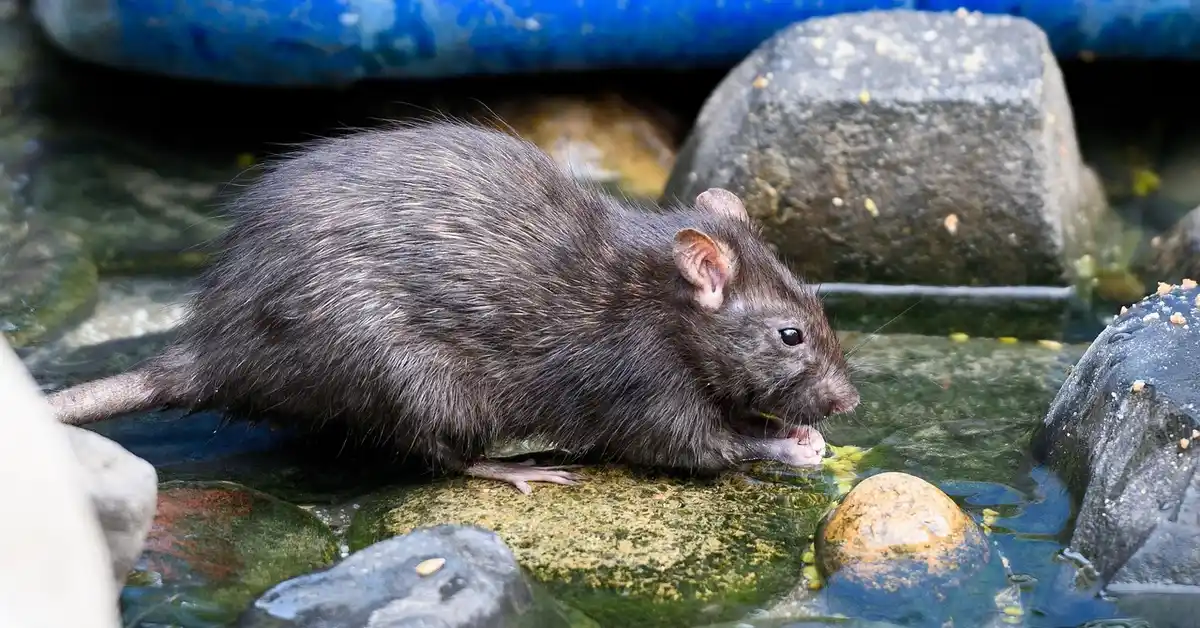
The Role of Droppings, Urine, and Aerosolized Particles
Many people imagine hantavirus as a simple surface-to-hand germ, but the reality is far more specific. The primary danger arises when dried droppings, urine, or nesting materials from an infected wild rodent are disturbed, sending tiny contaminated particles into the air you breathe. This process, called aerosolization, is the main route of transmission.
Direct contact, like a scratch or bite, is an exceptionally rare way to contract this virus. The risk is not from touching a fresh dropping, but from inhaling the invisible dust cloud created by sweeping or vacuuming a long-neglected, contaminated area. Think of it like a very fine, dangerous pollen that only becomes airborne under specific, forceful conditions.
- Inhalation of aerosolized virus from disturbed, dried waste.
- Rarely, touching your eyes, nose, or mouth with contaminated hands.
- Extremely rarely, from the bite of an infected rodent.
Do Pet Mice Actually Carry Hantavirus? What Science Says
This is the core question that causes so much unnecessary fear. Extensive scientific and veterinary consensus shows that pet mice, the kind bred for companionship over countless generations, are not considered a source of hantavirus. The virus circulates almost exclusively in specific populations of wild rodents, like the deer mouse, white-footed mouse, and cotton rat.
Your beloved pet mouse comes from a long, closed lineage completely separate from these wild carriers. They live in a controlled, clean environment and have no exposure to the wild rodents that harbor the virus. I have handled my mice—Kenny, Gregory, and Jeffery—for years with this knowledge, feeling completely secure in their company. Still, even healthy pet mice can sometimes carry bacteria or parasites that can make people ill. This guide will explain how zoonotic infections can occur and simple steps to reduce your risk.
What About Pet Rats and Other Pet Rodents
The same logic applies across the board for domesticated pet rodents. Fancy rats, gerbils, and hamsters from reputable breeders or pet stores share the same safe, domesticated background as pet mice. They are not part of the wild ecosystem where hantavirus persists.
The key distinction is always the origin of the animal. A wild-caught rodent presents a potential risk; a purpose-bred pet rodent does not. This separation is fundamental to understanding the true scope of the disease.
Smart Hygiene Practices That Protect You and Your Mice
While the hantavirus risk from your pets is virtually nonexistent, maintaining excellent hygiene is a cornerstone of responsible pet ownership. Good habits protect you from common bacteria like Salmonella and, most importantly, create a healthier world for your tiny friends. It’s a simple win-win for everyone in the family.
Safe Handling and Daily Care Routines
In my daily routine, I follow a few straightforward rules that have kept both my mice and me happy and healthy. Always wash your hands thoroughly with soap and water both before and after you handle your mice or interact with their habitat. This prevents you from passing anything to them and protects you from any common germs they might carry. These simple hygiene habits are key points in a preventative mouse health guide. That guide also covers diet, habitat cleanliness, and regular veterinary check-ups to help prevent illness.
- Wash hands before and after all interactions.
- Avoid touching your face while handling your mice or cleaning their cage.
- Never eat, drink, or smoke in your mouse’s immediate living area.
- Supervise interactions with young children to ensure they follow these rules.
Deep Cleaning Your Mouse Habitat Without Risk
The goal of cleaning is to eliminate waste without creating dust or aerosols. I’ve found that the safest method is to lightly mist surfaces with a pet-safe disinfectant or a vinegar-water solution before wiping, which keeps any dust from becoming airborne. Never dry-sweep or use a standard vacuum cleaner inside the cage, as these actions are precisely what create risky aerosols in wild scenarios. These steps reduce the chance of airborne pathogens and help prevent disease transmission between mice and people. Wear disposable gloves and wash your hands thoroughly after cleaning to further lower risk.
Move your mice to a secure, temporary playpen or carrier before you begin. This keeps them safe from cleaning products and stress. While they’re settled, set up a secure, stimulating playpen with familiar bedding, hiding spots, and safe chew toys. Check that it’s escape-proof and free of hazards before letting them explore.
- Relocate your mice to a safe, separate holding area.
- Remove all toys, hides, and dishes.
- Lightly mist the empty cage and accessories with your cleaning solution.
- Wipe everything down with paper towels or dedicated cloths.
- Rinse thoroughly if required by your disinfectant and allow to air dry completely.
- Add fresh bedding and return the clean accessories and your happy mice.
When to Actually Worry: Real Risk Scenarios for Mouse Owners
The fear surrounding hantavirus can feel overwhelming, but the actual risk to a responsible pet mouse owner is incredibly small. Focusing on specific, real-world situations helps you channel that concern into productive action rather than vague anxiety. Your pet mice, like my curious Kenny or calm Gregory, are not the villains in this story.
Choosing Healthy Mice from Trusted Sources
Your first and most powerful defense against any illness is where you get your mice. A reputable source is your best guarantee of a healthy start. Wild-caught mice can carry dangerous zoonotic diseases, so avoid acquiring animals from the wild whenever possible. Refer to the wild mice dangerous zoonotic diseases guide for how to recognize and reduce these risks.
- Look for Ethical Breeders or Responsible Pet Stores: A good breeder will be transparent about their practices, keep their animals in clean, spacious enclosures, and be happy to answer all your questions. The mice should be active, with bright eyes and clean, smooth fur.
- Observe the Environment: If you visit the location, notice the overall cleanliness. Are the cages overcrowded? Is there a strong smell of ammonia? A clean environment is a sign of healthy animals.
- Ask About Their Health: Don’t be shy. Inquire if there have been any recent illnesses in the colony. A trustworthy source will tell you the truth.
- Quarantine New Mice: I always keep new arrivals like little Jeffery was in a separate room for two to three weeks. This gives you time to watch for any signs of sneezing, lethargy, or other issues before introducing them to your existing mice.
If You Have Both Pet Mice and a Wild Mouse Problem
This is the one scenario where your vigilance needs to be highest. The danger isn’t your pets-it’s the wild rodents that might try to invade their space.
- Secure Your Pet’s Habitat: Ensure your mouse cage has a secure, well-fitting lid that wild mice cannot pry open. A determined wild mouse can squeeze through a shockingly small gap.
- Store Food Securely: Keep all bulk mouse food, seed mixes, and treats in sealed, chew-proof containers. An open bag is an invitation.
- Maintain a Clean Perimeter: Regularly vacuum and clean the area around your mouse cage, wiping up any spilled food or bedding immediately. This removes the scent trails that attract wild mice.
- Address the Infestation Separately: If you see signs of wild mice (droppings, chewed items), deal with the infestation using humane traps and by sealing home entry points. Never use poison, as it can be accidentally ingested by your pets or other animals.
Common Hantavirus Myths Pet Mouse Owners Believe
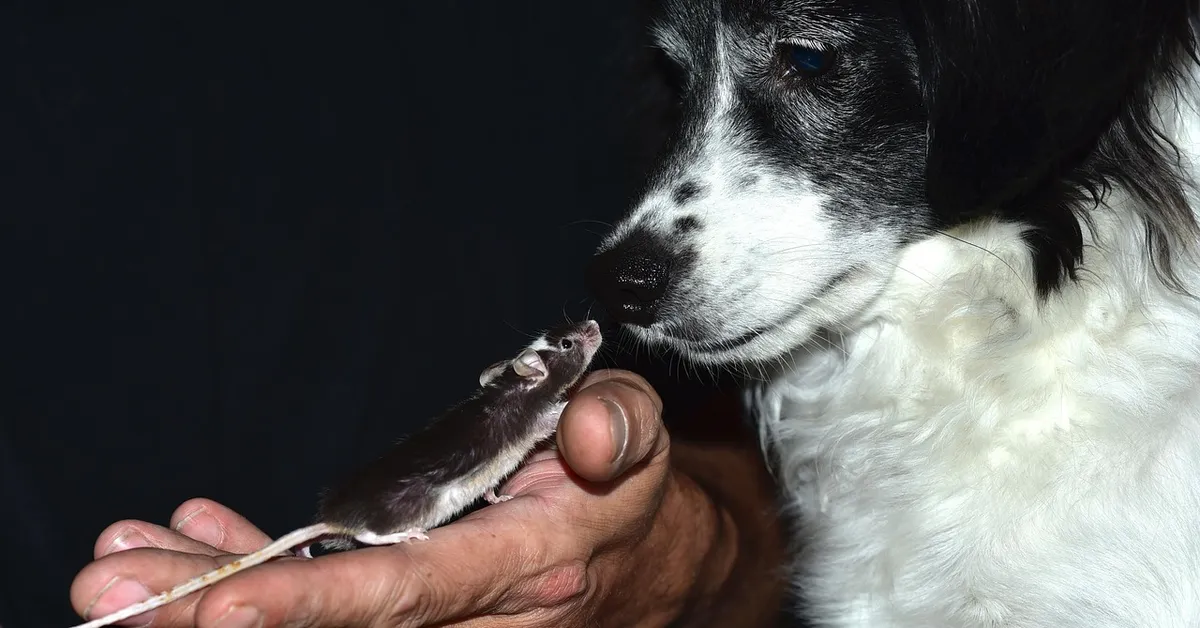
Misinformation spreads faster than any virus. Let’s clear the air on the most persistent myths that cause unnecessary stress for loving mouse owners.
- Myth: Pet store mice can give you hantavirus.
The truth is, commercially bred pet mice are not natural carriers of the virus strains that cause human illness. The risk from these animals is virtually nonexistent. - Myth: Cleaning my mouse’s cage is a high-risk activity.
While you should always practice good hygiene, the primary risk from cage cleaning comes from disturbing dried droppings and urine from *wild*, infected rodents in poorly ventilated spaces like sheds. Cleaning your pet’s cage in a well-ventilated room and wearing gloves is a simple, effective precaution. - Myth: If my pet mouse gets sick, it must be hantavirus.
Mice are susceptible to many common respiratory infections, often signaled by sneezing or porphyrin staining (red discharge around the eyes and nose). These are almost always simple bacterial infections treatable by a vet, not hantavirus. - Myth: All mouse droppings are dangerous.
Fresh droppings from your healthy pet mouse pose no hantavirus threat. The concern with wild rodents is when their dried, virus-laden waste is stirred into the air as dust. The droppings from my mice, Kenny, Gregory, and Jeffery, are just a normal part of pet ownership.
Frequently Asked Questions
Can you get hantavirus from pet mice?
No, you cannot get hantavirus from properly cared-for pet mice. These animals are bred in controlled environments and have no contact with wild rodents that carry the virus, making the risk of transmission virtually nonexistent. Simply practicing good hygiene, like washing hands after handling, is sufficient for general health and safety.
Do all mice and rats carry hantavirus?
No, not all mice and rats carry hantavirus. The virus is primarily found in specific wild species, such as deer mice and cotton rats, and is not present in domesticated pet rodents like fancy mice or rats from reputable sources. This distinction is key, as pet rodents are bred in isolation from wild populations and do not harbor the virus.
Can dogs get hantavirus from mice?
Dogs are not known to contract or spread hantavirus, even if exposed to infected wild rodents. The virus is highly species-specific to humans from certain wild mice, and there is no evidence that pets like dogs can become infected or pose a transmission risk. Always focus on preventing contact between your pets and wild rodents for overall safety.
Your Path Forward with Confidence
The simple truth is that the risk of hantavirus from pet mice bred and raised in captivity is extraordinarily low. By sourcing your companions from reputable breeders and maintaining a clean habitat, you are taking the most effective steps to ensure a safe environment for both you and your pets.
Let this knowledge replace worry with the simple joy of caring for your small friends. Focus on the gentle rustling in their bedding and their curious whiskers, not on unfounded fears, as you build a wonderful life together.
Further Reading & Sources
Isabella is a passionate small pet enthusiast with over 8 years of experience in caring for mice. She loves sharing practical tips and heartfelt stories to help fellow mouse owners provide the best care for their tiny companions.
Common Diseases