
Hides and Tunnels: Creating a Safe and Stimulating Mouse Habitat
Have you ever noticed your mouse scurrying to a corner or chewing incessantly on cage bars, seemingly stressed or bored? Watching my own mice, like the bold Kenny who constantly seeks adventure, has taught me that a well-equipped cage is key to their happiness. This guide will walk you through transforming your mouse’s living space into a secure retreat that minimizes anxiety and maximizes natural behaviors.
You’ll learn about selecting the ideal hide materials for comfort and durability and designing tunnel layouts that encourage exploration and play, all based on proven methods I’ve used to keep my mice content and engaged.
How Hides and Tunnels Support Your Mouse’s Natural Behavior
In the wild, mice are not animals of wide, open spaces; they are creatures of cover and complexity. Providing hides and tunnels directly satisfies their deep-seated instinct to avoid exposure and feel secure in their environment. Without these structures, a mouse can feel perpetually vulnerable, which leads to chronic stress.
Think of your mouse’s cage not as a simple box, but as a miniature landscape they can truly inhabit. A well-connected network of hides and tunnels gives your mouse the freedom to move about their territory without ever feeling exposed to imaginary predators. In barren environments, lack of complexity and choice can lead to learned helplessness, making mice passive and stressed. This is crucial for their mental well-being and encourages natural, confident exploration.
You’ll notice your mice using these spaces for specific, instinctual activities. They will stash food in dark corners, sleep soundly in enclosed pods, and use tunnels as safe highways. Watching my mouse Kenny confidently zip from his coconut hide to a tunnel leading to the food dish is a perfect example of this natural, secure travel behavior in action.
- Foraging and Food Hoarding: Mice are natural foragers and will collect food to store in private, secure locations. A multi-chamber hide becomes the perfect pantry.
- Sleeping and Resting: A fully enclosed, dark hide provides the deep sleep sanctuary they need to feel truly safe and recover.
- Observation and Security: Many hides have small entrance holes, allowing a mouse like my cautious Gregory to survey the room from a position of safety.
- Territory and Exploration: Tunnels connect different “zones” of the cage, allowing your mice to patrol and claim their territory without stress.
Different Types of Hides for Mouse Cages
The variety of hides available is wonderful, and I love mixing and matching them to create a stimulating environment. Each type of hide offers a different sensory experience and serves a slightly different purpose for your curious companions. I aim for a mix of textures, opacity, and complexity in my own cage setups.
Commercial Hides
These are the ready-made options you find at pet stores, and they are a fantastic starting point. Plastic multi-chamber hides are incredibly popular because they mimic the complex burrow systems mice would create in the wild. My trio spends hours moving bedding in and out of theirs, which is why it’s important to choose dust-free bedding for their comfort.
- Plastic Multi-Chamber Hides: Durable, easy to clean, and offer multiple rooms and exits. Excellent for nesting and food hoarding.
- Ceramic Hides: My top choice for staying cool. They are heavy, chew-proof, and provide a stable, temperature-regulated retreat on warm days.
- Wooden Hides & Houses: These offer a natural, chewable material that helps maintain dental health. Be aware they absorb urine and will need to be replaced over time.
- Coconut Hides: A natural and aesthetically pleasing option. They provide a dark, cozy interior that my mouse Jeffery, in particular, seems to find very comforting.
DIY and Natural Hides
You don’t need to spend a lot of money to provide excellent hiding spots. Some of the most cherished hides in my cage are simple, cost-effective items I’ve repurposed or foraged safely. These options often feel more natural and less sterile to the mice.
- Cardboard Boxes & Tubes: Toilet paper and paper towel rolls are classic, beloved tunnels. Small cardboard boxes with entry holes cut into them make fantastic, disposable hides you can replace frequently.
- Terracotta Flower Pots: Ensure the drainage hole is large enough for easy access and that the pot is placed securely so it can’t tip over. They provide a cool, dark sanctuary.
- Cork Bark Rounds & Flats: A superb natural option. Cork is lightweight, safe to chew, and has a wonderfully rough texture for climbing. It creates very natural-looking tunnels and caves.
- Safe, Clean Twigs and Branches: When arranged properly, these can form a natural canopy and hiding network. Always source from unpolluted areas and bake them to sterilize.
Soft and Fabric Hides
These add a layer of softness and can be particularly inviting. Fleece hammocks and hanging cubes offer elevated hiding spots, which many mice enjoy as a change from the cage floor. They satisfy the instinct to climb and nest in high places.
- Fleece Hammocks & Tunnels: Soft, cozy, and machine washable. They provide comfort and a sense of security, though they require regular cleaning.
- Timothy Hay Hides & Balls: These serve a dual purpose: they are an edible hide and a chew toy all in one. They encourage natural foraging and gnawing behaviors.
Tunnel Options That Mice Actually Use
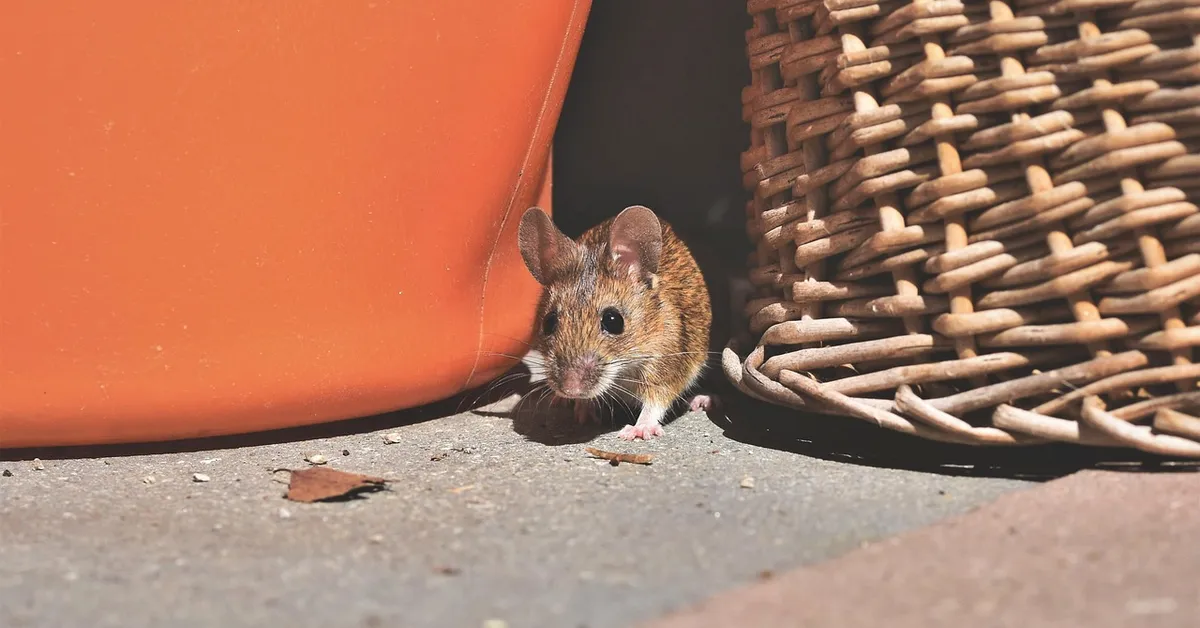
Finding tunnels your mice will consistently enjoy involves more than just picking the cutest option from the pet store. Mice are drawn to tunnels that feel secure, offer a good texture for gnawing, and have a diameter that makes them feel snug but not trapped. It’s part of their natural instinct to dig and explore. My light gray mouse, Kenny, will investigate anything new, but he only repeatedly uses tunnels that meet his specific criteria for adventure and safety.
Here are the types of tunnels that have proven successful in my own mischief:
- Cork Bark Tunnels: These are a favorite because they are completely natural, highly durable, and provide a wonderful rough texture for wearing down constantly growing teeth. They also don’t absorb odors like some materials.
- Willow Tunnels and Balls: Another excellent natural choice, willow is safe to chew and weaves into fun shapes. My older mouse, Gregory, prefers the sturdiness of willow over flimsier options.
- Paper Tube Tunnels: Never underestimate the humble cardboard tube from toilet paper or paper towels. This is the most cost-effective and endlessly replaceable tunnel you can provide. My mice love to shred them, sleep in them, and redecorate their cage with the pieces.
- Seagrass Tunnels: Woven seagrass offers a different chew texture and is fully digestible if ingested in small amounts, making it a very safe choice for enthusiastic gnawers.
Where to Place Hides and Tunnels in the Cage
Strategic placement transforms a collection of items into a cohesive and comforting habitat. Think of your cage layout as designing a tiny, mouse-friendly neighborhood where every resident feels they have a safe route home. Scattering hides randomly can create stress points, while a thoughtful plan promotes harmony.
Creating Safe Pathways Between Hiding Spots
Mice are prey animals and feel most confident when they can travel without feeling exposed. The goal is to create a network where a mouse can move from one end of the cage to the other while having quick access to cover at all times. I achieve this by connecting key areas with tunnels or by placing hides close enough that a mouse can dash between them. In this ultimate guide to mouse cages, I’ll show you how to plan layouts, choose materials, and select accessories to build enclosures that support these behaviors. Follow these tips to create safe, comfortable habitats where mice can move confidently while staying protected.
- Position a tunnel to connect the main sleeping area to the food dish or water bottle.
- Place a small hide or covered platform near the wheel, giving them a bolthole if they feel startled during exercise.
- Use longer tunnels or a series of connected hides along the busiest “highways” of the cage.
How Many Hides Does Each Mouse Need
Providing ample hiding spaces is non-negotiable for a peaceful group dynamic. A good rule of thumb is to offer at least one more hide than you have mice. In a trio, you should aim for a minimum of four separate hiding spots. This prevents resource guarding and gives lower-ranking mice, like my sometimes-anxious Jeffery, places to retreat without conflict.
Variety in hide types is just as important as quantity. Include a mix of enclosed hides with a single entrance, multi-chamber hides for group nesting, and more open platforms for casual lounging. This variety allows each mouse to choose a spot that matches their mood, whether they seek deep security or just a bit of shade.
Making Your Own DIY Hides and Tunnels
Crafting your own mouse furniture is a rewarding way to enrich their environment on a budget. DIY projects allow you to create custom pieces that perfectly fit your cage’s nooks and crannies. I find my mice are often most curious about the new items I make for them by hand.
Start with simple, safe materials you likely already have at home.
- Cardboard Box Forts: Small tissue boxes, tea boxes, or any clean cardboard container can become an instant hide. Just cut an entrance hole or two and watch it become a new favorite spot.
- Paper Cup Caves: A simple paper cup turned on its side makes a perfect, temporary cave. These are great for rotating in as cheap, disposable enrichment.
- Fleece Hammocks and Tunnels: A square of fleece fabric with holes punched in the corners can be hung from the cage top to create a cozy, suspended hide. You can also sew or knot fleece into simple tunnel shapes.
Always supervise new DIY items initially to ensure your mice are chewing them safely and not ingesting large pieces. Mice naturally chew to wear down their continuously growing teeth, so they will readily gnaw through household materials. Providing safe chewables reduces the chance they’ll target unsafe materials. Avoid any materials with glues, tapes, or toxic inks. Stick to plain cardboard, untreated wood, and mouse-safe fabrics like fleece.
Choosing Safe Materials for Mouse Shelters
Selecting the right materials for your mice’s homes is one of the most impactful decisions you’ll make for their wellbeing. The perfect hide feels secure, satisfies their chewing instincts safely, and doesn’t introduce harmful substances into their environment. I’ve learned through trial and error which materials hold up best and keep my curious trio-Kenny, Gregory, and Jeffery-happiest and healthiest. You can read more about what materials mice can safely chew to make an informed choice.
Excellent and Safe Choices
- Untreated Hardwood: Aspen and kiln-dried pine are my top picks. They’re sturdy, safe for chewing, and help keep their constantly growing teeth in check. I avoid softwoods like cedar, as the aromatic oils can be an irritant to their delicate respiratory systems.
- Cardboard: A fantastic, cost-effective option! Toilet paper tubes, small boxes, and egg cartons provide endless entertainment. My mice love the satisfying crunch of cardboard, and I love that it’s completely biodegradable and easy to replace.
- Ceramic: Ideal for creating a cool, dark retreat, especially on warmer days. Ceramic hides are heavy, chew-proof, and easy to clean. Just be sure the entrance hole is large enough and there are no rough edges inside.
- Food-Srade Safe Plastics: While not for chewing, certain hard plastics like those in hamster wheels or some tunnel systems can be used if they are solid, seamless, and well-ventilated. Monitor closely for any gnawing and replace immediately if you see teeth marks.
Materials to Steer Clear Of
- Softwoods with Strong Scents: Cedar and some pines release phenols that can cause liver damage and respiratory issues over time. It’s a risk I never take.
- Treated or Painted Wood: Varnishes, stains, and paints can be toxic if ingested. I only use wood in its natural, unfinished state.
- Flimsy or Sharp Plastics: Thin plastic can shatter into dangerous shards. Any hide with sharp edges, even a tiny one, can cause a nasty cut.
- Fabrics with Loose Threads: While a felt hut might seem cozy, loose threads can easily wrap around a tiny limb, cutting off circulation. I stick with solid, chewable materials.
Signs Your Mice Are Using Their Hides Properly
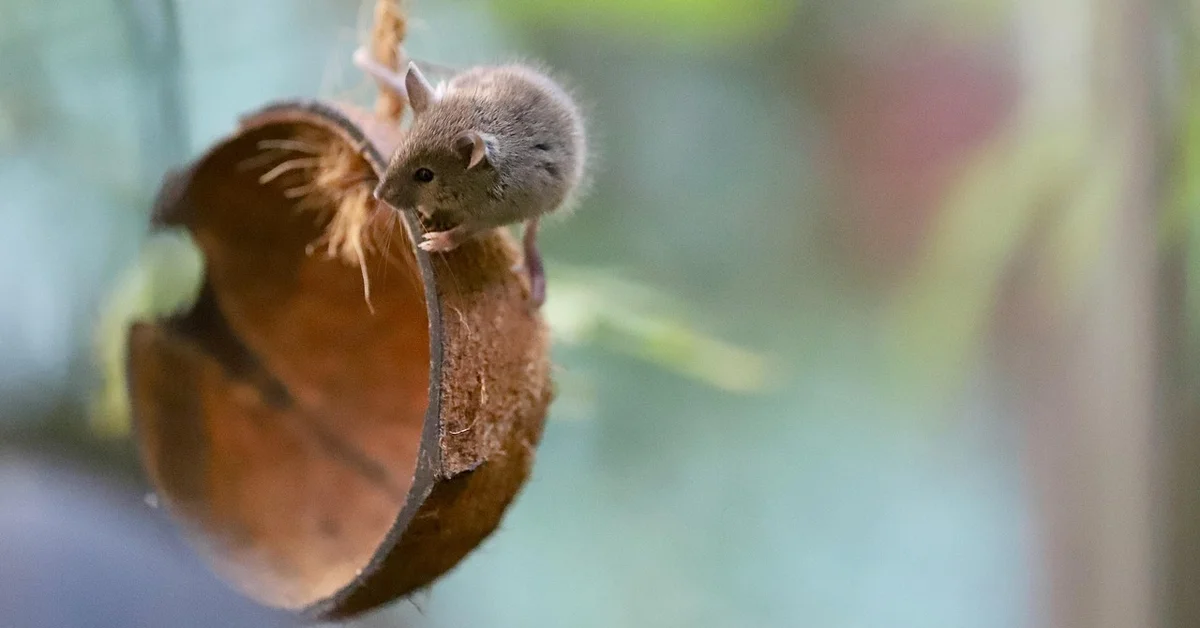
Providing the hide is only half the battle; observing how your mice interact with them tells you everything. Proper use goes beyond just sitting inside-it’s about witnessing genuine comfort and natural behaviors. When your mice feel truly secure in their shelters, they will show you in the most delightful ways.
Positive Behaviors to Look For
- Relaxed Grooming: When you spot a mouse leisurely washing its face or smoothing its fur while inside a hide, that’s a golden sign. It means they feel safe enough to let their guard down and perform vulnerable self-care rituals.
- Nesting and Rearranging: A hide filled with shredded paper, tissue, or bedding material is a hide that’s being claimed as home. My mouse Jeffery is a master nest-builder, and seeing his careful work tells me he’s content and settling in.
- Sleeping Soundly: Mice are most vulnerable when they sleep. If you find them dozing deeply inside a tunnel or hut, especially during the day, you’ve successfully provided a sanctuary they trust completely.
- Playful Entrances and Exits: A confident mouse will pop in and out of hides as part of their exploration. Kenny, my boldest, uses his tunnel as a launchpad for his next adventure, scurrying through with purpose.
Signs of Discomfort or Disuse
- Persistent Avoidance: If a hide remains untouched for days while others are popular, its location, size, or material might be unappealing. Try moving it to a quieter corner.
- Nervous Startling: If a mouse consistently flinches or flees the hide when you approach the cage, it may not offer the visual屏障 they crave. A hide with only one entrance can sometimes feel like a trap.
- Chewing the Entrance Aggressively: A little nibbling is normal, but frantic chewing to widen an opening suggests the entrance is too small, causing them stress.
Cleaning and Maintaining Hides and Tunnels
A clean habitat is a healthy habitat, and that includes the cozy nooks your mice adore. Establishing a consistent cleaning schedule prevents the buildup of ammonia and bacteria, which can lead to respiratory infections in your sensitive pets. I’ve found that my mice, especially the older and more scent-oriented Gregory, are much calmer and more settled when their familiar smells aren’t completely stripped away every single time. Just be sure to use cleaning products safe around mice to avoid any harmful residues.
Creating a Cleaning Schedule That Works
You don’t need to deep-clean everything all at once. A staggered approach is less stressful for everyone involved.
- Spot-Clean Daily: Every morning during feeding, I quickly remove any visibly soiled bedding from inside hides and wipe down tunnel entrances with a damp cloth.
- Partial Clean Weekly: Once a week, I rotate out about one-third of the hides and tunnels for a proper wash. This leaves plenty of familiar, scent-marked items in the cage to provide comfort and security.
- Full Deep Clean Monthly: Once a month, every hide, tunnel, and toy gets a thorough cleaning. This is when I scrub everything down to ensure a completely fresh start for the enclosure.
Safe Cleaning Methods for Different Materials
Not all materials are created equal, and using the wrong cleaner can be harmful. I always avoid harsh chemicals, aerosols, and standard household cleaners, as their residues can be toxic to small animals.
- Plastic, Ceramic, and Glass: A simple solution of 1-part white vinegar to 1-part water is my go-to. I scrub with a dedicated brush, rinse thoroughly with hot water, and let it air dry completely.
- Wooden Hides: Wood is porous and can retain moisture and odor. For a deep clean, I lightly sand the soiled surface and then bake the item in an oven at 200°F (93°C) for about 30 minutes to kill any bacteria. Always monitor it closely to prevent fire.
- Cardboard and Paper: These are typically not cleanable. I see them as disposable items and simply replace them once they become damp, soiled, or overly chewed. My young mouse, Jeffery, goes through paper towel tubes at an impressive rate!
Enrichment Programs and Resources for Mouse Owners
Providing hides and tunnels is just the beginning of crafting a stimulating world for your mice. True enrichment is about creating a dynamic environment that encourages natural behaviors like foraging, exploring, and problem-solving. Watching my trio interact with their setup is a daily joy; Kenny’s boldness leads him to new challenges, while Jeffrey cautiously observes before joining in.
Building a Rotating “Playground”
Mice are intelligent and curious, and a static cage can become boring. I keep things fresh with a simple rotation system. They’re clever enough to learn to avoid traps, so keeping their environment varied helps keep them engaged and responsive.
- The Toy Library: I maintain a bin of extra hides, tunnels, and chews that aren’t currently in the cage. Every partial clean, I swap a few items from the cage with items from the bin.
- Rearrange the Layout: Even just moving the multi-chamber hide to a different corner or creating a new tunnel pathway can completely change your mice’s perspective and spark new investigation.
- Theme Weeks: For fun, I sometimes create themes. One week might be a “digging week” with extra peat moss in a box, and the next could be a “climbing week” with more ropes and ledges.
DIY Enrichment Ideas
You don’t need a big budget to provide excellent enrichment. Some of the best resources are free or recycled.
- Cardboard Castle: Save your toilet paper tubes, small boxes, and egg cartons. You can tape them together to create multi-level forts and mazes. Just remember to remove any plastic, staples, or adhesive labels.
- Foraging Fun: Instead of putting all their food in a bowl, sprinkle it throughout the bedding and hide small bits inside paper bags or within their tunnel systems. This makes mealtime last longer and engages their brains.
- Texture Exploration: Provide a shallow dish with different safe substrates like coconut fiber, shredded paper, or aspen shavings. Mice love to dig and burrow into new textures, and it’s fascinating to watch their preferences emerge.
Finding Community and Inspiration
You are not alone on this mouse-care journey! Connecting with other owners can provide a wealth of creative ideas and support.
- Online Forums and Groups: Seek out dedicated mouse care communities on various social media platforms. The photo and video sharing is invaluable for visualizing new cage setups.
- Rodent-Focused Websites: Several websites are run by experienced owners and breeders who share detailed care guides, product reviews, and behavior explanations.
- Observe Your Own Mice: The very best resource is your own pets. Pay attention to what they enjoy most. Does one mouse prefer high-up hammocks while another always sleeps in the ground-level ceramic hut? Tailoring your enrichment to your specific mice’s observed personalities is the ultimate key to their happiness.
Frequently Asked Questions
What is a hides and tunnels enrichment center?
A hides and tunnels enrichment center refers to a dedicated resource, such as a specialized pet store, online shop, or community hub, that focuses on providing a wide variety of hides, tunnels, and enrichment items specifically designed for mice. These centers often offer curated selections of safe, stimulating products, along with expert advice on how to use them to create a secure and engaging habitat that supports natural behaviors like burrowing and exploring.
By accessing such a center, mouse owners can find everything from commercial multi-chamber hides to natural DIY materials, helping to build a dynamic environment that reduces stress and encourages activity. Many centers also provide educational materials or workshops to guide owners in selecting the best options for their pets’ needs.
How can I implement a hides and tunnels enrichment program?
A hides and tunnels enrichment program involves a structured approach to regularly updating and varying your mouse’s habitat to keep it stimulating and engaging. Start by creating a rotation schedule where you swap out different hides and tunnels weekly or bi-weekly, introducing new textures, shapes, and layouts to encourage exploration and prevent habituation. This can include alternating between commercial items, DIY creations, and natural elements to maintain novelty.
Incorporate activities like hiding treats in tunnels or rearranging hide placements to mimic foraging and territorial behaviors. By observing your mice’s interactions, you can tailor the program to their preferences, ensuring it promotes mental and physical well-being while strengthening their natural instincts.
Where can I find hides and tunnels enrichment resources in Medford, Oregon?
In Medford, Oregon, you can locate hides and tunnels enrichment resources by checking local pet stores that specialize in small animal care, as they often carry a range of mouse-safe products like ceramic hides, cork tunnels, and DIY materials. Additionally, explore online forums or social media groups focused on rodent enthusiasts in the Rogue Valley area, where members may share recommendations for local suppliers or community events.
For a wider selection, consider visiting regional pet expos or connecting with nearby animal rescue organizations, which might offer enrichment workshops or product guides. Always verify that any materials meet safety standards to ensure your mice’s health and happiness.
Your Mice’s Happy Place
Providing a variety of hides and tunnels transforms your cage from a simple enclosure into a dynamic, secure habitat where your mice can truly thrive. These structures are not just decorations; they fulfill a deep-rooted need for safety and mental stimulation, directly impacting their daily well-being and confidence. When adding wooden hides or branches, choose untreated, mouse-safe woods and properly clean and cure them. This guide covers which woods and branches are safe for mouse cages and how to prepare them.
Watch how your mice interact with their new landscape—their favorite routes and chosen nap spots will tell you everything you need to know about their unique personalities. Over time you’ll notice consistent differences—some mice are bold explorers while others prefer quiet nooks. A well-furnished cage, rich with places to explore and retreat, is the foundation for a happy, active, and content little companion.
Further Reading & Sources
- Mouse Tunnels Uncovered: Detection and Prevention Strategies
- What a Mouse Hole Looks Like | Insight Pest Management
- Do Mice Burrow in the Ground? Exploring Habits of Mice
Isabella is a passionate small pet enthusiast with over 8 years of experience in caring for mice. She loves sharing practical tips and heartfelt stories to help fellow mouse owners provide the best care for their tiny companions.
Enrichment Ideas