
How Mice Interact with Humans: Do They Recognize Their Owners?
Have you ever caught your pet mouse pausing to watch you enter the room and felt a spark of curiosity about what they’re really thinking?
Based on my years of caring for mice with distinct personalities like Kenny and Gregory, I’ll help you interpret those subtle interactions and confirm if your mouse knows you. This guide covers the signs of recognition, how mice use scent and sound to identify you, and actionable steps to build a trusting bond with your small companion.
How Pet Mice Recognize Humans
Scent as the Primary Recognition Tool
Your personal scent is the absolute cornerstone of how your mouse knows you. Mice navigate their world predominantly through their noses, possessing an olfactory system far more sophisticated than our own. You leave a unique scent signature on everything you touch, and your mouse commits this smell to memory as a signal of safety and familiarity. I make a point to wash my hands with the same unscented soap before handling my mice; this consistent smell helps them feel secure and understand it’s me, not a stranger.
- They possess a special organ in the roof of their mouth called the vomeronasal organ, which detects pheromones and complex chemical signals.
- When your mouse gently nibbles or licks your hand, it’s often gathering more scent information, not trying to eat you.
- Introducing a new strong perfume or hand lotion can temporarily confuse them, making you smell like a different person.
Voice and Sound Recognition in Mice
While their world is scent-first, mice are not deaf to the sounds we make. They can learn to associate your specific voice with positive outcomes, like treats or playtime. A calm, soothing tone becomes an auditory cue for safety, while a sudden, loud noise will always trigger their instinct to flee. My mouse Jeffery, for instance, often perks up and looks toward me when I use a particular high-pitched, gentle voice I reserve just for them. It’s important to avoid sounds that can stress or scare mice.
- They may respond to the unique pitch and rhythm of your voice rather than understanding specific words.
- Consistently talking to them during feeding or handling strengthens the positive association.
- Some mice may even learn to recognize the specific sound of a treat bag or their food container being opened.
Visual Cues and Movement Patterns
A mouse’s eyesight is their weakest sense; they are very nearsighted and see the world in blurry, muted colors. They compensate for this by being exceptionally attuned to movement and large shapes. Your mouse likely recognizes you more by your silhouette and the distinctive way you move than by the details of your face. Slow, predictable movements are perceived as non-threatening, while quick, jerky motions are interpreted as potential danger from a predator. Because of this, changes in movement and posture—like freezing, rapid darting, flattened stance, or avoidance—are key visual signs of stress to watch for. A visual behavioral guide can help you recognize these cues and adjust handling to reduce your mouse’s anxiety.
- They are better at detecting motion in their peripheral vision than seeing details straight on.
- Wearing the same color robe or shirt during interactions can provide a consistent visual landmark for them.
- Approaching their enclosure from the same side and at a similar, calm pace helps build visual predictability.
Signs Your Mouse Recognizes You
You don’t need a scientific study to know your mouse knows you; their behavior will tell you everything. Watching for these subtle cues is one of the most rewarding parts of mouse guardianship. The transition from seeing you as a large, scary creature to viewing you as a source of comfort is a profound milestone in your relationship. Use this quick tell if your mouse is happy behavior checklist to help you spot those cues. It lists simple, easy-to-read signs that your mouse feels safe, content, and bonded with you.
- Approaching the Cage Front: Instead of hiding, they come to the front of the enclosure when you appear, often standing on their hind legs to get a better whiff of you.
- Voluntary Climbing: They willingly and calmly climb onto your hand without needing to be lured by a treat, showing a deep level of trust.
- Distinct Vocalizations: You may hear soft, happy-sounding chirps or bruxing (tooth chattering) when you interact with them, which is a sign of contentment.
- Relaxed Body Language: Their body is loose, they might groom themselves while on your hand, or slowly blink their eyes-a sure sign they feel safe and unthreatened.
- Taking Treats Gently: They carefully take a favored treat from your fingers without snatching or fear, a clear sign they associate your hands with good things.
The Science Behind Mouse Memory and Bonding
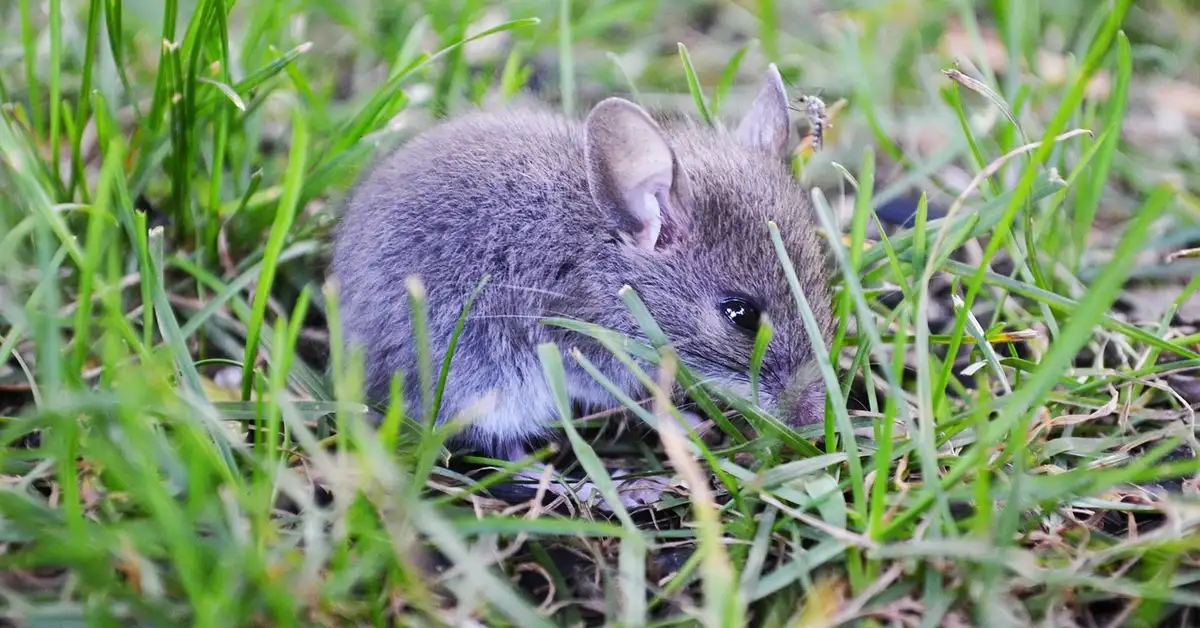
Your mouse’s brain is a powerhouse of association, constantly mapping its environment through scent, sound, and experience. They possess remarkable spatial memory, allowing them to navigate complex cage layouts and remember the location of food stashes with impressive accuracy. This same cognitive ability extends to the creatures they share their world with-including you.
Research into rodent cognition shows that mice can distinguish between different humans, primarily through olfactory cues. You have a unique scent signature, and your mouse’s brain creates a specific profile for it. Every interaction reinforces this scent-based identity, building a mental file that says “safe,” “friendly,” or “bringer of snacks.” Those personal scent profiles are reinforced by scent marking — urine and glandular secretions — which leave olfactory signals in the environment. These chemical cues help mice recognize individuals and communicate information about identity and status. They aren’t just reacting to a generic human shape; they are recognizing you as a distinct individual in their social landscape.
Beyond scent, mice are highly attuned to auditory patterns. The specific cadence of your voice, the way you hum while cleaning their cage, or the gentle clicking sound you make to call them—these become auditory landmarks. My mouse Jeffery, for instance, will immediately perk up and start sniffing the air when he hears my particular “good morning” whistle. This isn’t a simple reflex; it’s a learned response tied to a positive expectation, a clear sign of recognition. Combined with their keen sense of smell and the sensitive touch of their whiskers, these sounds help mice build a rich, multisensory map of their world. Smell, sound, and touch therefore work together to guide their behavior and recognition.
Building Recognition and Trust with Your Mice
Trust with a mouse is not given freely; it is earned patiently, one gentle interaction at a time. Think of yourself not as a giant looming over them, but as a consistent, predictable part of their safe world. The goal is to move from being a neutral object in their environment to a positive and engaging presence they actively seek out. This gradual, reward-based behavioral approach is exactly how you tame even the most skittish or “untamable” mice. With consistent patience, those cautious animals can learn to trust and approach you willingly.
Handling Techniques That Build Familiarity
How you physically interact with your mouse forms the bedrock of your relationship. Rushing this process can shatter trust, while patience builds a lasting bond.
- Start with an Open Hand: Never grab from above. A swooping hand mimics a predator. Instead, place your open, flat palm inside the cage and let them approach you. Curiosity will eventually win over caution.
- The Cupped Method: Once they are comfortable stepping onto your hand, gently scoop them up with both hands, forming a secure cup. This makes them feel supported and hidden, not trapped.
- Lift to a Secure Play Area: Always handle them low over a soft surface, like a bed or a playpen. My bold mouse Kenny learned to associate being picked up with immediate adventure and exploration time, which he loves.
- Respect Their Mood: Just like us, mice have off days. If your mouse retreats or seems skittish, try again later. Forcing interaction teaches them that your presence is stressful.
Creating Positive Associations Through Routine
Consistency is the language of safety for a small prey animal. A predictable routine tells your mouse’s brain what to expect, reducing anxiety and building positive connections with your presence.
- Voice Before Sight: Always talk to them softly before you open the cage lid. This announces your arrival and prevents startling them. My older mouse Gregory responds to a low, steady greeting with a calm, investigative approach.
- Treat Rituals: Pair your presence with high-value treats. Offer a small piece of a sunflower seed or a bit of plain cooked pasta from your hand during your interactions. This directly links you in their mind with delicious rewards and good feelings.
- Scheduled Social Time: Aim for handling or play sessions around the same times each day, ideally during their more active evening hours. They will begin to anticipate and look forward to this engagement.
- Scent Swapping: Place a small, clean cloth or paper napkin in your sleeve for an hour, then add it to their nesting area. This safely mingles your scent with their safest space, strengthening your familiar presence even when you’re not there.
Training as a Recognition Tool
Training sessions are one of the most revealing windows into the bond you share with your mouse. When a mouse consistently responds to you and not to others, you are witnessing a clear form of recognition. I started with simple name recognition training, calling their names before offering a treat. My mouse Kenny, the bold explorer, caught on almost immediately, his little head popping up from a tissue box the moment he heard his name.
This process builds a powerful associative memory. Your voice, your scent, and the positive outcome of a tasty reward become linked in their mind.
Simple Training Steps to Build Recognition
- Choose a quiet time when your mouse is alert but calm.
- Use a specific, high-value treat for each mouse. Kenny loves sunflower seeds, while Jeffery prefers a tiny bit of fruit.
- Say your mouse’s name clearly in a gentle, consistent tone just before you offer the treat.
- Repeat this process in short, five-minute sessions. Patience is everything here.
- Watch for subtle signs of success: a head turn, perked ears, or moving toward the sound of your voice.
Gregory, my older, more cautious mouse, took much longer to engage. His recognition was quieter—a slow, deliberate walk towards my hand instead of a quick dart. Every mouse learns at their own pace, and their unique response is a testament to their individual personality recognizing yours. This isn’t about performing circus tricks; it’s about building a shared language of trust. This complete guide to taming a scared, skittish mouse shares gentle, step-by-step methods—the same ones that helped Gregory learn to trust. Use them at your mouse’s pace to build that shared language of trust together.
What Recognition Means for Mouse Welfare
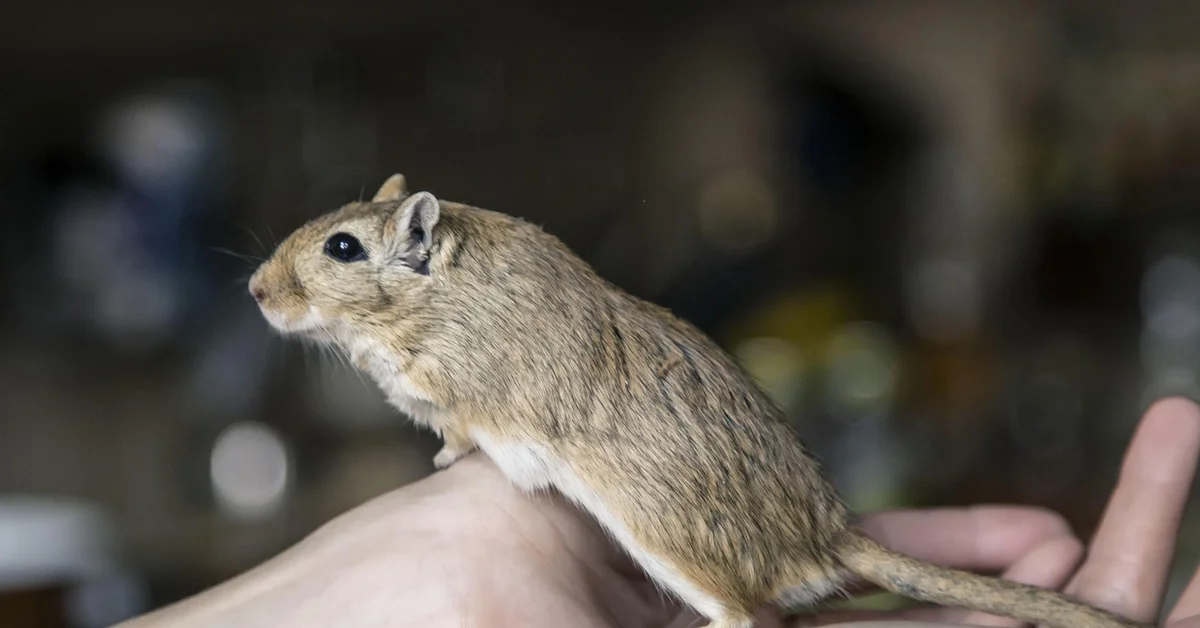
Understanding that your mouse can recognize you fundamentally changes how you approach their care. It moves the relationship from simple ownership to a genuine companionship. A mouse that knows you is a less stressed mouse. Because mice are social animals, whether they thrive alone or with cage-mates depends on species, sex, and individual temperament. This guide will help you weigh solitary vs. social housing and use your bond to support their wellbeing.
- Reduced Stress: A familiar presence is comforting. My anxious mouse, Jeffery, used to startle at every sound. Now, when he hears my voice during cage cleaning, he stays out in the open, curiously watching instead of hiding.
- Easier Health Checks: A mouse that trusts you is far easier to handle for quick physical inspections. This allows you to spot potential health issues like lumps or injuries much earlier.
- Enriched Daily Life: Your interactions become a source of mental stimulation. For a creature as intelligent as a mouse, this recognition-based engagement is a vital part of their environmental enrichment.
- Confident Handling: The bond of recognition makes free-roaming playtime safer and more enjoyable for both of you. They are more likely to climb onto your hand willingly and explore without panic.
A recognized mouse feels secure, and a secure mouse exhibits more of its natural, curious behaviors. I see this with Kenny, who now “shows” me new additions to his cage with clear excitement. This deepens the rewarding cycle of care, making you more attuned to their needs and subtle moods. Your role evolves into that of a trusted guardian in their world.
Frequently Asked Questions
Do pet mice recognize their owners?
Yes, pet mice can recognize their owners through consistent positive interactions. They primarily use scent and sound to distinguish familiar humans from strangers, forming associations that help them feel safe and secure around you. Additionally, understanding how mice communicate can enhance your interaction with them.
Over time, this recognition builds trust, leading to behaviors like voluntary climbing onto your hand or responding to your voice, which indicate a bond based on familiarity rather than instinct alone.
Can mice recognize humans?
Mice are capable of recognizing humans, especially those they encounter regularly. Their strong sense of smell and ability to detect auditory patterns allow them to identify individual people, associating them with positive experiences like feeding or gentle handling. This ability ties closely to individual personality traits found in mice, which influence how they respond to different people.
While they may not recognize humans in the same way as more social pets, their cognitive skills enable them to differentiate between familiar and unfamiliar individuals, contributing to reduced stress and better welfare in a home environment.
What does responsible mouse ownership entail?
Responsible mouse ownership involves providing a safe, enriched habitat with proper nutrition, clean living conditions, and opportunities for mental stimulation. It also includes regular health checks and social interaction to build trust and ensure their well-being.
As an owner, you are accountable for understanding their behavior, preventing stressors, and committing to their care throughout their lifespan, which fosters a healthy and rewarding relationship for both you and your mouse.
Your Journey Together
Your mouse absolutely notices you, learning your voice, your scent, and the safety you represent. The bond you build is built on a foundation of gentle, consistent care and quiet observation.
Cherish the small moments-the soft nose nuzzle, a gentle nibble, or simply a mouse who relaxes in your presence. This quiet trust is the ultimate reward, a special connection that grows richer with every peaceful interaction you share.
Further Reading & Sources
- Smell You Later: Scientists Reveal How Mice Recognize Each Other | ScienceDaily
- r/PetMice on Reddit: Can mice actually love us, their owners?
- How Mice Recognize Relatives They’ve Never Met
Isabella is a passionate small pet enthusiast with over 8 years of experience in caring for mice. She loves sharing practical tips and heartfelt stories to help fellow mouse owners provide the best care for their tiny companions.
Understanding Mice Behavior