
How to Deep Clean Your Mouse Cage: A Step-by-Step Guide
Does your mouse’s home sometimes feel a bit grimy or carry an unwelcome odor, leaving you concerned for their comfort and health? Having cared for my own mice, like the adventurous Kenny and wise Gregory, I understand that a clean cage is vital for their well-being. A proper deep clean not only banishes smells but also creates a safe, stimulating space where your mice can thrive.
This guide provides a clear, easy-to-follow method that I’ve refined over many years of mouse ownership. You will discover how to prepare your mice and supplies, execute a thorough scrub-down, and reassemble the habitat for a fresh, cozy environment.
Why Deep Cleaning Your Mouse Cage Matters
Regular spot cleaning keeps surface mess at bay, but deep cleaning tackles hidden grime that builds up over time. Ammonia from urine can accumulate in bedding and corners, irritating your mice’s sensitive respiratory systems and leading to health issues. I’ve noticed my own mice, like Kenny, become more active and curious in a freshly sanitized home, which tells me they feel safer and more comfortable.
A thorough clean also helps control odors that might bother you or your pets. Mice rely on scent for communication, but excessive waste smells can stress them out and disrupt their natural behaviors. Keeping their environment pristine supports their well-being and lets you enjoy their playful antics without worry.
How Often Should You Deep Clean a Mouse Cage?
For most setups, aim for a full deep clean every one to two weeks. This frequency balances hygiene with stability, as mice can get stressed by too much change in their territory. Factors like cage size, number of mice, and bedding type influence this—larger groups or smaller enclosures may need more attention. Regular cleaning reduces ammonia and bacterial buildup and helps prevent common ailments. Prompt removal of soiled bedding also lowers the risk of disease spreading among cage-mates.
- Small cages (under 10 gallons) or groups of 3+ mice: Clean weekly
- Larger habitats or solo mice: Extend to every 10-14 days
- High-humidity environments: Increase frequency to prevent mold
Observe your mice’s habits; if they’re soiled bedding quickly or seem restless, adjust your schedule. With my trio-Kenny, Gregory, and Jeffery-I stick to weekly cleans since their energetic play leads to faster mess buildup.
Signs Your Cage Needs Deep Cleaning Now
Don’t wait for the calendar if you spot these red flags. A strong, pungent odor is the most obvious clue that ammonia levels are rising and need immediate action. Mice are typically neat, so any decline in their grooming or cage upkeep signals trouble.
- Visible wet spots or clumped bedding that doesn’t dry out
- Your mice sneezing frequently or rubbing their noses
- Food hoards starting to mold or smell off
- Mice avoiding certain areas or showing signs of irritation
Act quickly if you see these-delaying could compromise their health. Jeffery, for instance, gets anxious when his space feels unclean, so I’ve learned to heed his subtle cues early.
What You Need Before You Start Deep Cleaning
Gathering supplies ahead of time makes the process smooth and stress-free for both you and your mice. Having everything on hand prevents mid-clean scrambles that could leave your pets in limbo. A well-prepared approach ensures you can focus on thoroughness without rushing.
- Cleaning gloves to protect your hands
- Scrub brushes or sponges reserved for pet use only
- Safe disinfectants (discussed next)
- Fresh bedding and nesting material
- A temporary housing setup
- Trash bags for soiled items
- Old towels for drying surfaces
Safe Cleaning Solutions for Mouse Habitats
Harsh chemicals can harm your mice, so opt for gentle yet effective options. A simple vinegar and water mix (1 part vinegar to 1 part water) works wonders for cutting through grime and neutralizing odors without toxins. I use this for routine cleans and find it reliable for maintaining a healthy cage environment. Stick to cleaners labeled non-toxic or pet-safe and avoid products with strong fumes or essential oils that can irritate small rodents. Always rinse surfaces well and let them dry before returning your mice.
- White vinegar solution: Affordable and pet-safe after rinsing
- Commercial pet cage cleaners: Choose ones labeled for small animals
- Steam cleaning: Effective for sanitizing without chemicals, but ensure surfaces are completely dry before reintroducing mice
Avoid bleach or ammonia-based products unless absolutely necessary, and always rinse thoroughly. Gregory’s calm demeanor tells me he appreciates the mild scents left behind by natural cleaners.
Setting Up Temporary Housing for Your Mice
Move your mice to a secure, comfortable space while you clean their main cage. Temporary housing reduces stress and keeps your mice safe during the process. Use a carrier, spare tank, or even a large plastic bin with ventilation holes.
- Line the temporary enclosure with a bit of old bedding from their cage to retain familiar scents
- Provide a hideout, like a small cardboard box, for security
- Include a water source (e.g., a shallow dish or hanging bottle) and a small amount of their usual food
- Place the housing in a quiet, warm area away from drafts or loud noises
Keep the transition brief-ideally under an hour-to minimize disruption. I’ve found that Jeffery settles better when he has a cozy spot to retreat to, mirroring his main cage setup.
Step 1: Remove Your Mice and Disassemble the Cage
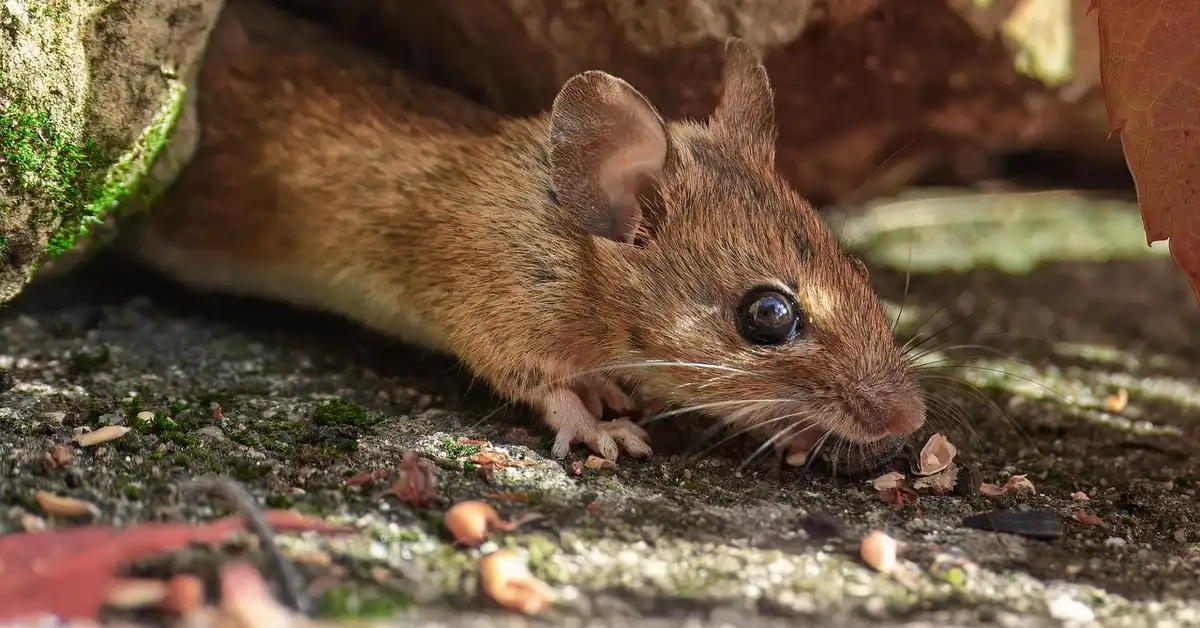
Before you start cleaning, gently move your mice to a safe, temporary space like a small carrier or a secure playpen. I always use a familiar transport box with some of their favorite bedding to keep my boys calm—Kenny’s boldness means he might try to explore, so a cozy setup prevents stress. If you spot droppings or old nest material, remove them carefully while wearing gloves and a mask, bagging waste to avoid stirring up dust. Disinfect surfaces and let them dry before replacing bedding. Next, take apart the cage by removing all accessories such as wheels, hideouts, and water bottles. Place these items aside for cleaning later, ensuring nothing is left inside that could trap moisture or debris.
Step 2: Dispose of Old Bedding and Debris
Carefully scoop out all the used bedding and any leftover food or droppings into a trash bag. Seal the bag tightly to contain odors and prevent any loose particles from spreading around your home. For a thorough job, I like to shake out larger items like wooden toys over the trash to remove clinging bits. This step sets the stage for a fresh, hygienic environment your mice will appreciate.
Step 3: Wash the Cage Base Thoroughly
Use warm water and a mild, unscented soap to scrub the cage base inside and out. A soft-bristled brush works wonders for reaching into corners and along edges where grime tends to build up. Rinse everything thoroughly with clean water to eliminate any soap residue, as leftover chemicals can irritate your mice’s sensitive respiratory systems. Let the base air-dry completely before reassembling—damp surfaces can lead to mold, which is risky for your pets. Once dry, apply a pet-safe disinfectant made for small-animal cages to kill lingering microbes. Avoid cleaners with strong fragrances, phenols, or essential oils and always follow label directions and rinse well.
Removing Stubborn Stains and Odors
For persistent marks or smells, create a paste from baking soda and water and gently scrub the affected areas. This natural method lifts stains without harsh chemicals, and I’ve found it especially effective on plastic surfaces where urine can leave discoloration. If odors linger, a quick wipe with diluted white vinegar can neutralize them; just be sure to rinse well afterward so the scent doesn’t bother your mice.
- Apply baking soda paste to stained spots and let it sit for 5-10 minutes before scrubbing.
- Use a cloth dampened with vinegar solution for odor control, focusing on high-traffic zones.
- Avoid abrasive tools that could scratch the cage, as rough surfaces harbor bacteria.
Disinfecting After Mouse Illness
If one of your mice has been sick, disinfection is key to preventing the spread of germs. Choose a pet-safe disinfectant, like a diluted bleach solution (1 part bleach to 10 parts water), and apply it to all surfaces, letting it sit for at least 10 minutes before rinsing. In my experience, after Jeffrey had a minor respiratory issue, I made sure to disinfect his cage weekly until he recovered fully. Always wear gloves and work in a well-ventilated area to protect yourself and your pets.
- Prepare the disinfectant according to product instructions, ensuring it’s non-toxic for small animals.
- Scrub the entire cage base and accessories, paying extra attention to areas your mice frequent.
- Rinse multiple times with water and allow everything to dry completely before reintroducing your mice.
Step 4: Clean All Cage Accessories and Toys
Your mice’s belongings hold onto more than just memories; they trap odors, bacteria, and moisture. A thorough accessory cleaning is non-negotiable for a truly hygienic habitat. I use a dedicated plastic bin filled with a warm water and vinegar solution for this messy but satisfying task. I fold this into a simple schedule—daily spot checks, weekly washing of toys and dishes, and a monthly deep clean of the whole cage—to keep buildup and odors under control.
What to Do with Wooden and Fabric Items
Wood and fabric require a gentle touch to preserve their structure and safety. Never submerge wooden items in water, as they will absorb moisture and can develop dangerous mold. I use a slightly damp cloth with the vinegar solution to wipe down my mice’s wooden huts and chews, scrubbing off any debris before letting them air dry completely in a sunny spot.
For fabric hammocks and tunnels, check if they are machine washable. I always wash fabric items on a gentle cycle with unscented, hypoallergenic detergent and an extra rinse cycle to remove all soap residues. If hand-washing is necessary, use the same vinegar solution, agitate thoroughly, and rinse until the water runs perfectly clear.
Step 5: Rinse Everything Completely
This step is the unsung hero of the deep clean. Soap and cleaning solution residues can irritate your mice’s sensitive respiratory systems and skin. I perform a “squeak test” on all plastic and ceramic items—if my fingers glide without any slippery residue, I know it’s truly clean. Because mice are fastidious self-groomers, any residue left behind will be licked into their fur and ingested. Ensuring surfaces are residue-free protects them when they clean themselves.
- Rinse the empty cage base and lid with a showerhead or hose on a gentle setting, tilting the cage to ensure all suds flow out.
- Place all plastic, ceramic, and glass accessories in a colander and give them a thorough, multi-directional rinse.
- Pay special attention to corners, screw threads, and any textured surfaces where cleaner can hide.
Step 6: Dry the Cage and All Components
Patience during the drying phase prevents a host of problems. A damp cage encourages mildew and can make bedding stick unpleasantly. Airflow is your best friend here; I use a combination of air drying and clean towels to speed up the process safely. I never use a hair dryer, as the concentrated heat can warp plastic.
- Wipe down the main cage tub and solid platforms with an absorbent, lint-free towel.
- Arrange all items in a well-ventilated area, ensuring they are not stacked or touching, so air can circulate freely around every piece.
- Allow wooden items and thick fabric hammocks the most time to dry, often a full 24 hours, to be certain no moisture remains deep inside.
While everything dries, my mice, like my curious Kenny, enjoy their supervised playtime in a secure playpen. A completely dry environment is the final, critical step before your pets can return to their fresh, safe home.
Step 7: Reassemble with Fresh Bedding and Accessories
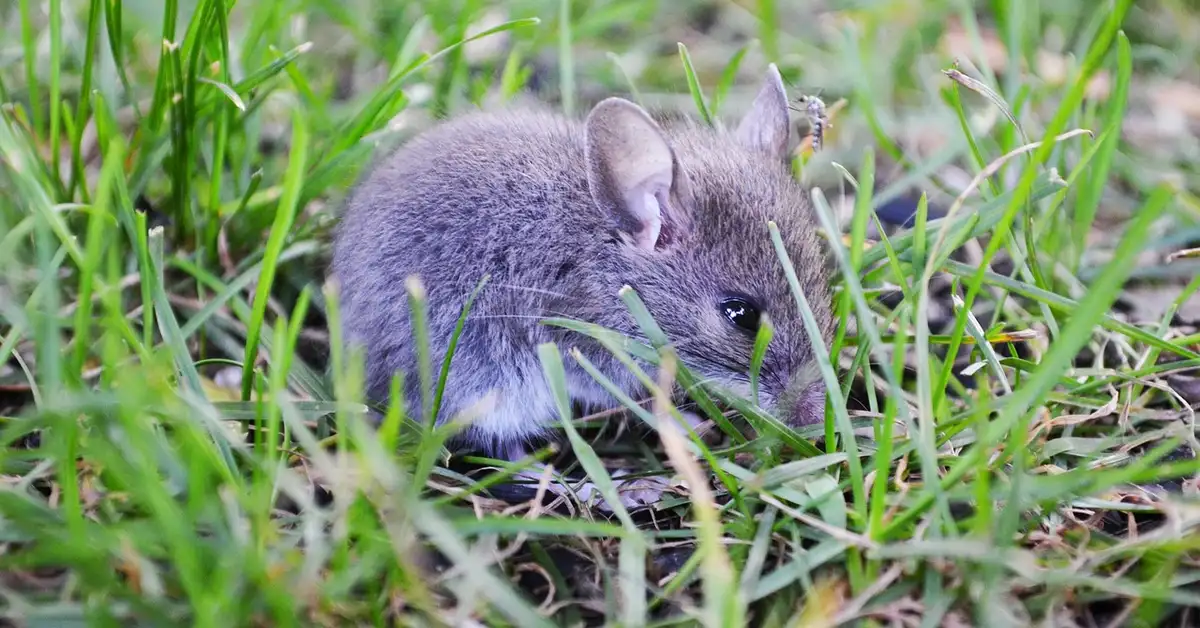
This is the part where you get to be an interior designer for your tiny friends. Layering the bedding properly is the single most important factor for your mice’s comfort and enrichment. I aim for a depth of at least two to three inches, which allows them to dig, burrow, and create their own intricate tunnel systems just like they would in the wild. Deep bedding matters because burrowing is a natural behaviour that supports their physical and mental health, giving them places to hide, nest, and regulate temperature.
When arranging the cage, think about creating different zones. You want to mimic a natural environment that offers choices.
- A Deep Digging Zone: Pile the bedding extra high in one corner. My mouse Kenny adores launching himself into these deep piles.
- A Sparse Feeding Zone: Keep the area around the food dish relatively clear to prevent food from being lost and spoiling.
- A Cozy Sleeping Zone: Place their main hideouts in a quieter spot, perhaps partially buried in the bedding for added security.
Now for the fun part-accessorizing! A clean cage is a blank canvas for new adventures.
- Anchor the heavy items first, like ceramic hides and the solid-surface wheel.
- Drape paper-based nesting material like tissues or crinkled paper strips from platforms; your mice will eagerly gather it.
- Scatter a variety of chews throughout the cage-willow balls, loofah slices, and apple wood sticks encourage natural gnawing behavior.
- Create climbing opportunities with securely fastened ropes, branches, or ladders.
Step 8: Reintroduce Your Mice to Their Clean Habitat
The moment of truth has arrived! A freshly cleaned cage can be startling for mice because their familiar scent markers are gone. A slow, gentle reintroduction prevents stress and helps them feel secure again. I always transfer my mice using a small transport tube or a familiar hide they were just sleeping in, never by chasing them with my hands.
Place them gently into their new environment and simply observe. You will likely see one of three common reactions.
- The Explorer: Like my Kenny, they will immediately begin sprinting around to inspect every change.
- The Strategist: Like Gregory, they might pause, take a few cautious sniffs, and then methodically begin remapping the territory.
- The Nervous Nester: Like Jeffery, they might scurry directly into a hide to feel safe before slowly venturing out.
Resist the urge to interact for a little while. Give them at least thirty minutes to an hour to settle. To help the cage feel like home again, I always mix a small handful of their old, clean bedding from the temporary container into the new substrate. This carries their scent back into the space and provides immense comfort. Watch for happy behaviors like popcorning (little joyful jumps), grooming, or starting to build a new nest-these are all signs your deep clean was a complete success.
Daily and Weekly Maintenance Between Deep Cleans
Quick Spot-Cleaning Your Mouse Cage
A consistent daily routine is your best defense against a major mess. Spending just five minutes each day on spot-cleaning can dramatically extend the time between your big deep-cleaning sessions. This simple habit keeps the environment fresh for your mice and makes your life much easier.
Your daily checklist should be swift and targeted.
- Remove any visible soiled bedding, especially in corners where mice tend to use the bathroom.
- Check the water bottle for leaks or blockages and wipe the nozzle clean.
- Pick up any uneaten fresh food, like vegetables or fruit, to prevent mold.
- Give food bowls a quick wipe to remove any food dust or debris.
Weekly tasks go a bit further to maintain cage hygiene without a full reset.
- Wipe down all cage surfaces, ramps, and platforms with a damp cloth or a pet-safe disinfectant wipe.
- Inspect and clean wheels; a quick scrub with soapy water removes grime and keeps them spinning quietly.
- Rearrange or swap out a portion of the toys and hides to keep the environment stimulating without removing all familiar scents at once.
- Do a partial bedding change, replacing about one-third of the substrate in the dirtiest areas.
Troubleshooting Common Cage Cleaning Challenges
When Odors Won’t Go Away
A persistent smell often points to an issue that a surface clean can’t solve. If a funky odor lingers after a deep clean, the problem is usually hidden moisture or porous material that has absorbed urine. I’ve found that plastic bases, wooden toys, and even the silicone seal on water bottles can be the culprits.
Here is a systematic approach to banishing stubborn smells for good.
- Inspect every item you put back in the cage. Soak plastic hides and toys in a vinegar and water solution for at least 30 minutes before scrubbing and rinsing thoroughly.
- Check the cage’s ventilation. Poor airflow can trap odors; ensure the lid is not blocked and the room is well-ventilated.
- Increase the depth of your bedding. A deeper layer, around two to three inches, allows for better absorption and odor control.
- Consider the type of bedding you use. Paper-based beddings are highly absorbent, while aspen shavings have natural odor-neutralizing properties.
If Your Mice Seem Stressed After Cleaning
It’s completely normal for mice to act a little skittish or confused after their home is transformed. Their world is defined by scent, and a totally sterile cage can feel alien and frightening to them. My mouse Jeffery, for instance, always spends the first hour after a clean cautiously sniffing every inch of his territory.
You can ease this transition and help them feel secure again with a few thoughtful steps.
- Always save a handful of the old, cleanest bedding from the deep clean and sprinkle it back on top of the fresh substrate. This instantly reintroduces their familiar scent markers.
- Avoid washing all their toys and hides at the same time. Rotate cleaning them so some items always retain their scent.
- Place their favorite treats, like a sunflower seed for Kenny or a small piece of aged cheese for Gregory, in predictable spots to create positive associations.
- Resist the urge to handle them immediately. Give them a few hours of quiet to re-establish their territory and settle back in.
Frequently Asked Questions
What is an easy way to clean a mouse cage?
An easy method is to perform a partial clean. Instead of a full deep clean, you can focus on removing only the visibly soiled bedding and wiping down high-traffic surfaces with a damp cloth or a pet-safe wipe. This approach is less disruptive for your mice and can help maintain freshness between your scheduled deep cleans.
Is there a self-cleaning mouse cage?
No, there are no truly self-cleaning cages for mice. While some small animal habitats have features like removable trays for easier waste disposal, they all require regular manual cleaning by the owner. The best way to reduce your cleaning workload is to use highly absorbent bedding and establish a consistent spot-cleaning routine to manage waste daily. For more on choosing the right setup and maintenance schedule, see our ultimate guide to mouse cages. It covers cage types, features to look for, and step-by-step cleaning tips to keep your pets healthy and your workload manageable.
How do I spot-clean a mouse cage?
Spot-cleaning is a quick daily task. Simply remove any wet or soiled bedding, particularly from corners where mice often urinate, and pick out any uneaten fresh food to prevent mold. This daily check, which takes just a few minutes, helps control odors and keeps the environment healthy for your pets until the next deep clean.
Your Path to a Happier Mouse Habitat
Deep cleaning is more than a chore; it’s the foundation of your mice’s health and happiness. Establishing a consistent, thorough cleaning routine is the single most effective way to prevent illness and provide a fresh, enriching environment for your curious companions.
With each clean, you’re not just tidying a cage-you’re investing in their well-being and strengthening your bond. The quiet satisfaction of watching them explore their pristine home, sniffing every newly arranged toy, is a small reward that makes every bit of effort worthwhile.
Further Reading & Sources
- r/PetMice on Reddit: Mouse cage cleaning
- How to Clean a Mouse Cage: 12 Steps (with Pictures) – wikiHow Pet
- How to clean a mouse cage – Quora
Isabella is a passionate small pet enthusiast with over 8 years of experience in caring for mice. She loves sharing practical tips and heartfelt stories to help fellow mouse owners provide the best care for their tiny companions.
Preventive Care