
How to Keep Mice Out of Your Storage Unit, Boat, AC, and Dryer Vent
Have you ever opened a storage bin to find a nest of shredded paper, or heard the faint scratching of tiny feet inside your boat’s cabin? That sudden realization that mice have moved in is a uniquely frustrating feeling.
This guide provides clear, actionable strategies to reclaim your space. We will cover how to identify and seal the tiny entry points mice use, which natural repellents are genuinely effective versus common myths, and the simple maintenance routines that make your property far less inviting to rodents.
Why Wild Mice Target Storage Units, Boats, and Vents
What Makes These Spaces Attractive to Wild Mice
From my years of observing my own curious mice, I know they are driven by a powerful need for security and resources. Wild mice view your storage unit, boat, or vent as a perfect real estate opportunity, offering everything they need to survive and raise a family. These spaces are typically quiet, undisturbed, and provide excellent shelter from predators and harsh weather. The warmth generated by an air conditioner compressor or the insulated walls of a boat hull is incredibly inviting, especially during colder months. To a mouse, that faint hum is a welcoming beacon.
- Shelter and Safety: Enclosed, dark spaces mimic their natural burrowing instincts, making them feel protected.
- Nesting Materials: Cardboard boxes, old fabrics, insulation, and paper are prime construction materials for a cozy nest.
- Food Residues: Even the most sterile-looking unit can have invisible food traces on old furniture, in forgotten bags, or on gardening supplies.
- Warmth and Climate Control: Appliances and engine compartments generate heat, while storage units buffer against outdoor temperature swings.
Common Entry Points Mice Use
Mice are masters of infiltration, capable of squeezing through openings you would hardly notice. A mouse can compress its skull and ribs to fit through a hole the size of a dime, making virtually any small gap a potential front door. My mouse, Kenny, would find the tiniest gap in his playpen in seconds, a constant reminder of their determination. You must think like a tiny, persistent explorer to find these vulnerabilities.
- Utility Line Penetrations: Gaps where electrical wiring, plumbing, or gas lines enter the structure.
- Vents and Ductwork: Dryer vents and AC unit conduits are like highways directly into your space.
- Door Seals and Thresholds: Worn or warped weather stripping creates easy access at the base of doors.
- Corner Joints and Siding Gaps: Imperfect seams in construction, especially where walls meet or siding panels join.
- Vents and Drainage Holes: Unprotected vents on boats or small weep holes in foundations are perfect for entry.
Rodent Proofing Storage Units
Sealing Gaps and Entry Points in Storage Units
This is your first and most critical line of defense. Thoroughly sealing every potential entry point is a non-negotiable step in protecting your belongings from mice. I use a flashlight to inspect my unit carefully, looking for any sliver of outside light. For small holes and cracks, a high-quality silicone or acrylic latex caulk works perfectly. For larger gaps, especially around pipes or wires, you need a more robust solution.
- Steel Wool and Caulk: Stuff coarse steel wool into openings, then seal over it with caulk. Mice cannot chew through the metal fibers.
- Copper Mesh: Similar to steel wool but won’t rust, making it ideal for damp environments.
- Hardware Cloth or Sheet Metal: Use these to cover larger openings like vents, securing them tightly with screws.
- Door Sweeps: Install a sturdy door sweep on the bottom of the unit’s door to eliminate the common gap there.
Organizing and Storing Items to Deter Mice
How you store your items can either create a mouse paradise or a hostile environment. Elevating your belongings off the floor and using hard-sided, sealed containers removes the nesting opportunities and hiding spots that mice desperately seek. I learned this after finding a wild mouse nest in a box of old books; now, everything goes in plastic bins with secure lids. That includes food — pantry staples should be kept in airtight, hard-sided containers and stored off the floor. Keeping food sealed and elevated removes key attractants and helps prevent mice from settling in.
- Use clear, hard plastic totes with locking lids instead of cardboard boxes.
- Place pallets or metal shelving on the floor and store all items on these raised surfaces.
- Leave a clear aisle down the center of the unit for easy inspection and to remove runways along walls.
- Avoid storing fabrics, linens, or papers in open containers or bags.
Regular Inspection and Sanitation Practices
Proofing is not a one-time task; it requires consistent vigilance. Schedule a brief, monthly walk-through of your storage unit to look for signs of droppings, nesting materials, or new gnaw marks. This proactive habit allows you to catch a problem early, before it becomes a major infestation. I make it a routine, much like checking on my own mice each morning.
- Visually scan the perimeter walls and floor for new gaps or holes.
- Look for mouse droppings (small, dark, pellet-like) near corners and behind stored items.
- Check for a musty, ammonia-like smell, which can indicate an active nest.
- Inspect your stored items, particularly those in the back, for any signs of chewing.
- Keep the floor swept clean of dust, debris, and any organic material.
Natural Deterrents and Repellents for Storage Spaces
For those who prefer to avoid harsh chemicals, several natural options can help reinforce your defenses. While not foolproof on their own, natural repellents work best when combined with thorough sealing and good sanitation. I’ve found that strong, aromatic scents are the most effective, as a mouse’s sense of smell is its primary guide.
- Peppermint Oil: Soak cotton balls in 100% pure peppermint oil and place them in strategic locations around the unit. Refresh every few weeks.
- Bags of Cedar Chips: Place small sachets or loose chips in with stored items and on shelves. The scent is a natural repellent.
- Dryer Sheets: The strong fragrance of some dryer sheets can be off-putting to mice. Tuck them into boxes and drawers.
- Ultrasonic Repellents: These devices emit a high-frequency sound that is unpleasant to rodents but inaudible to humans. Their effectiveness can vary.
Mice Prevention for Boats During Storage

Sealing Hull Penetrations and Openings
Mice are incredible contortionists, capable of flattening their bodies to slip through the tiniest of gaps. Your first line of defense is a thorough inspection and meticulous sealing of every potential entry point on the hull. Pay close attention to areas where cables, hoses, or steering systems pass through the hull, as these are common weak spots.
- Use stainless steel wool to stuff into holes and gaps; mice cannot chew through the metal fibers.
- Seal around permanent penetrations with a high-quality marine-grade silicone sealant.
- Inspect and seal deck hatches, portlights, and any access panels for worn-out gaskets.
- Check the engine compartment for any openings around wiring looms or exhaust outlets.
Boat Bilge Maintenance and Sanitation
A clean, dry bilge is deeply unappealing to a mouse looking for a home. Eliminating all traces of food, moisture, and nesting materials from your bilge area is a non-negotiable step in rodent-proofing. I always give my boat a final deep clean before winter storage, and it has made all the difference.
- Thoroughly pump out and scrub the bilge to remove any oily residue or organic matter.
- Ensure the area is completely dry; consider using a wet/dry vacuum for the final drying.
- Remove all life jackets, rags, towels, and paper charts, as these make perfect nesting material.
- Never leave any pet food, human snacks, or bait fish onboard.
Covering and Protecting Your Boat
A simple tarp isn’t enough—it can create a sheltered, dark haven that actually attracts mice. Investing in a tight-fitting, breathable, and properly secured boat cover is your best bet for keeping the interior inaccessible. Look for covers made from woven polyethylene or canvas that resist chewing. These same principles apply to cars and RVs as well. Use fitted breathable covers and seal vents and gaps to deny mice entry.
- Ensure the cover is pulled taut with a support system to prevent sagging pockets where mice can gather.
- Seal the bottom edge of the cover to the trailer or ground as best you can to block access from below.
- Avoid covers with loose straps or ropes that hang down, as mice will use them like a ladder.
Off-Season Boat Storage Tips
Where and how you store your boat can be just as important as how you prepare it. Choosing an open, exposed storage location over a cozy, enclosed shed can dramatically reduce your mouse problems. Mice prefer to travel and nest where they feel hidden from predators.
- If storing outdoors, pick a spot away from tall grass, woodpiles, or brush.
- For indoor storage, ensure the building itself is sealed and free of rodents.
- Place mouse traps around the perimeter of the boat and on the trailer frame as an early warning system.
- Consider using natural deterrents like peppermint oil-soaked cotton balls in cabin areas, though their effectiveness varies and they need frequent reapplication.
Protecting Air Conditioners from Mice
AC Vent Screening and Sealing
The ductwork in your home is a superhighway for mice, offering warmth, darkness, and access to your entire living space. Properly screening your exterior vents is one of the most effective ways to stop mice from using your AC system as their personal subway. I learned this the hard way after finding a nest in a return vent!
- Purchase and install heavy-duty, corrosion-resistant steel mesh screens over all exterior vent openings.
- The mesh holes should be 1/4-inch or smaller to prevent even the tiniest mouse from squeezing through.
- Check the seals around the vent flanges on the outside of your house and caulk any gaps.
Outdoor AC Unit Protection
That large, sheltered condenser unit outside is a five-star rodent hotel, offering protection from the elements and easy access to electrical wiring for chewing. Keeping the area around your outdoor unit impeccably clean and clear removes the shelter and clutter that mice seek. A tidy perimeter is a powerful deterrent.
- Maintain a two-foot clear zone around the unit, free of leaves, mulch, and overgrown plants.
- Trim back any tree branches or shrubs that overhang or touch the unit.
- Inspect the base of the unit for gaps where the siding meets the concrete pad and seal them with caulk or spray foam.
- Never store firewood or construction materials near the AC condenser.
Seasonal AC Maintenance for Mice Prevention
Integrating a mouse check into your regular AC maintenance routine can save you from costly repairs and a nasty surprise when you turn on the heat or air. Before you start up your system for a new season, a quick internal inspection can reveal early signs of rodent activity. Look for droppings, shredded insulation, or chewed wires. Make sure to check that mice are actually gone before sealing any openings.
- When changing your air filter, shine a flashlight into the return duct to look for debris or nesting material.
- Listen for unusual scratching or scurrying sounds coming from the ducts or inside walls near the air handler.
- If you suspect an infestation, contact an HVAC professional before operating the system to avoid spreading contaminants.
Keeping Mice Out of Dryer Vents
Choosing and Installing a Dryer Vent Cover
The warm, moist air exiting your dryer vent is an irresistible beacon for a cold mouse. A high-quality, pest-proof dryer vent cover is a simple, inexpensive upgrade that provides a permanent physical barrier. Avoid the basic plastic louvers, as these are easily chewed or damaged.
- Select a cover made of durable, heavy-gauge steel or aluminum.
- Look for designs with a built-in, spring-loaded damper that closes tightly when the dryer is off.
- The best designs have a perforated screen with small holes to block entry while still allowing full airflow.
- Ensure the damper moves freely and isn’t blocked by lint, which can prevent it from sealing shut.
Regular Dryer Vent Cleaning and Inspection
A clogged vent doesn’t just pose a fire hazard; it also creates a cozy, lint-filled tunnel that is perfect for a mouse nest. Committing to an annual cleaning of your entire dryer vent system is critical for both safety and pest prevention. A clean vent is a smooth, uninviting tube that offers no nesting material.
- Disconnect the vent hose from the back of the dryer and vacuum out accumulated lint from both the hose and the machine’s outlet.
- Use a long, flexible dryer vent brush to clean the entire length of the ductwork from the inside of the house to the exterior cover.
- While cleaning, inspect the flexible hose for any chew marks or tears that would allow mouse entry directly into your laundry room.
Sealing Gaps Around Dryer Vent Installations
The hole in your wall where the vent pipe exits is often much larger than the pipe itself, leaving a significant gap for pests. Sealing the space between the dryer vent pipe and the wall with a durable, fire-resistant material completes your defensive perimeter. This small detail is often overlooked but is vitally important.
- From the outside, use high-temperature silicone caulk to seal the gap between the vent flange and the siding.
- From the inside (often in the basement or crawlspace), inspect where the rigid metal duct passes through the wall frame.
- Seal any gaps around the pipe with fire-block expanding foam or stuff the space with steel wool before applying foam for extra protection.
What to Do If You Already Have Mice
Confirming an Active Mouse Infestation
Before you start any removal plan, you need to be absolutely sure you have active, furry squatters. Mice are secretive, but they always leave calling cards. Look for small, dark droppings about the size of a grain of rice, especially in corners or along walls. These mouse droppings can pose health risks and require careful cleanup. You might also find shredded materials like cardboard, insulation, or fabric they’ve used for nesting. Greasy smear marks along baseboards, caused by their oily fur, are another common sign. At night, press your ear against the wall or door; you might hear the faint pitter-patter of tiny feet or light scratching sounds.
Choosing Between Snap Traps and Live Traps
This choice often comes down to your personal comfort level and the situation’s urgency. Having pet mice myself, I have a deep appreciation for these clever creatures, which influences my perspective. To help you decide, I’ll outline the main pros and cons of keeping mice as pets based on both research and personal experience. That should make it easier to weigh whether they’re a good fit for your lifestyle.
- Snap Traps: These are a classic for a reason-they are generally quick and effective. Use a very small amount of peanut butter as bait, smearing it so the mouse must work to get it, triggering the mechanism. The key is a swift, humane end.
- Live Traps: These cages capture the mouse without harm. This option requires you to then release the mouse far from your property (check local regulations first). Live traps demand immediate and frequent checking; a trapped mouse can die quickly from stress or exposure. From watching my own mice, Kenny, Gregory, and Jeffery, I know they are surprisingly fragile and stress easily.
I avoid glue traps entirely. They cause prolonged suffering and are an inhumane way for any animal to die.
Safe Trap Placement and Monitoring
Where and how you set traps is more important than the trap type itself. Mice prefer to travel along walls and edges, using them as a guide and for cover. Some mice learn to avoid obvious traps, so conceal bait and place traps directly along those travel routes. Using multiple, well‑baited traps in corners and along baseboards increases the chance of catching trap-shy individuals.
- Place traps perpendicular to walls, with the trigger end closest to the wall, forming a “T” shape.
- Focus on areas with the most signs of activity-near droppings, nesting material, or food sources.
- Set multiple traps a few feet apart. Catching one mouse usually means there are more.
- Check traps at least twice a day, morning and evening. This is non-negotiable for the animal’s welfare and to dispose of catches promptly.
- Wear disposable gloves when handling any trap, especially when disposing of a caught mouse, to prevent the spread of disease.
Post-Removal Sanitation and Sealing
Removing the mice is only half the battle. If you don’t clean and seal, new mice will simply move into the vacant, desirable real estate. Use cleaning products that remove droppings and scent trails without leaving residues that attract rodents. Opt for enzyme-based or low-toxicity disinfectants labeled safe for use around small animals.
- Ventilate the area well before you start cleaning.
- Spray any droppings, nests, or urine spots with a disinfectant or a bleach solution to dampen them first. This prevents you from kicking harmful dust into the air.
- Wear gloves and a mask while you thoroughly clean and remove all contaminated materials.
- This is the critical moment to find and seal every possible entry point you discovered during your inspection. Use steel wool packed into holes, followed by caulk or spray foam, or cover vents with fine, sturdy hardware cloth. A mouse can squeeze through a hole the size of a dime.
Long-Term Mice Prevention Strategies
Creating a Regular Inspection Schedule
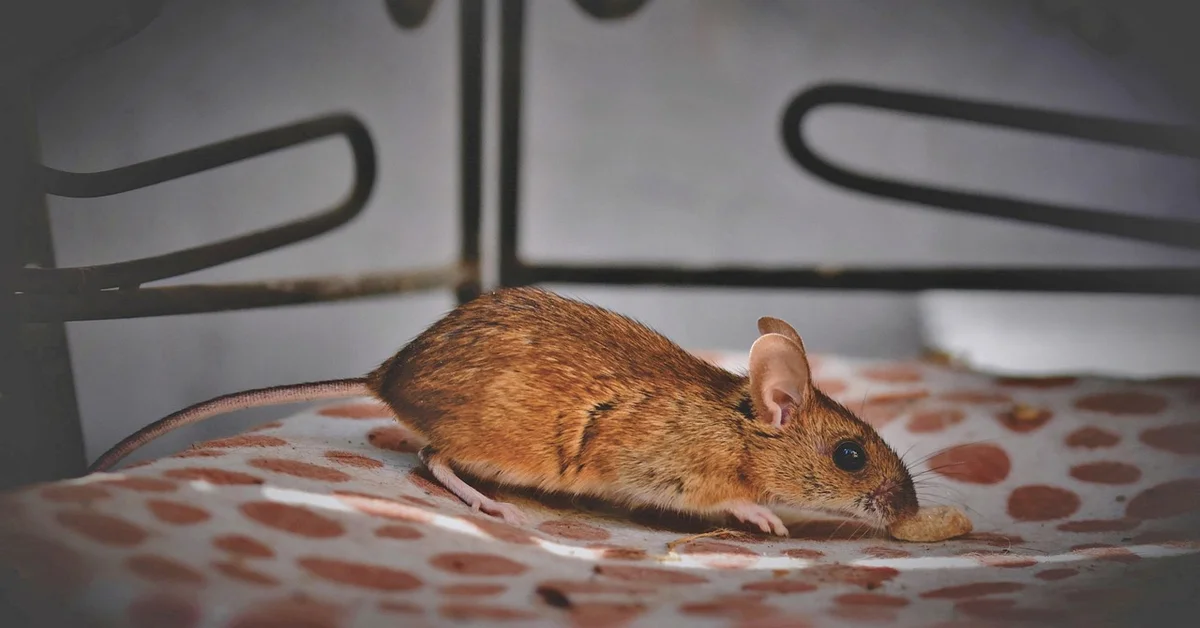
Prevention is not a one-time task; it’s an ongoing habit. Mice are persistent and will constantly test your defenses. I make it a routine to do a quick, five-minute inspection of my storage areas and home exterior once a month, and a more thorough check with the change of each season. I also check the yard and garden for things that attract rodents. Trimming overgrown plants, removing debris and fallen fruit, and keeping compost and firewood away from the foundation helps deter them. Look for new gaps where utilities enter the building, cracks in the foundation, or damaged vent covers. Catching a potential entry point early saves you from a full-blown infestation later.
Combining Physical Barriers with Deterrents
The most effective strategy uses multiple layers of defense. Physical barriers are your strongest line, while deterrents can help encourage mice to look elsewhere.
- Physical Barriers: Seal all holes and cracks with materials mice can’t chew through, like steel wool, hardware cloth (a stiff metal mesh), or metal flashing. Install tight-fitting door sweeps on exterior doors.
- Natural Deterrents: While not foolproof, certain smells can make an area less appealing. Peppermint oil on cotton balls or bags of fresh caboose litter can act as a mild repellent. Remember, deterrents are a supplement to, not a replacement for, solid physical barriers. A hungry or determined mouse will often ignore a bad smell.
Garage Storage Tips to Prevent Mice Migration
Garages are often the gateway for mice to enter your home or other stored items like boats. They offer shelter, clutter for hiding, and sometimes access to pet food or grass seed.
- Never store food items, including pet food and bird seed, in their original bags. Transfer everything into sturdy, airtight plastic or metal bins.
- Avoid using cardboard boxes for long-term storage. Mice shred cardboard for nests and can easily chew through it. Opt for plastic totes instead.
- Keep the space as tidy as possible. Clutter provides perfect hiding spots and nesting areas. Store items off the floor on metal shelving when you can.
- Pay special attention to your vehicle or boat if stored inside. Mice love to build nests in engine compartments and upholstery. Consider using a rodent repellent packet designed for vehicles during long periods of storage.
Frequently Asked Questions
How do wild mice behaviors differ from pet mice, and why is this important for prevention?
Wild mice are driven by survival instincts to seek shelter, food, and nesting materials in quiet, undisturbed areas like storage units or boats, often exhibiting more cautious and destructive behaviors. In contrast, pet mice are accustomed to human care and controlled environments, making them less likely to invade such spaces. Understanding these differences helps you focus prevention efforts on eliminating wild mice’s motivations, such as by sealing entry points and removing potential nesting sites, without assuming that pet mouse habits apply to wild populations.
Can natural repellents like peppermint oil harm my pet mice if used in the same household?
While natural repellents like peppermint oil are generally safe when used in well-ventilated areas away from pet mice, strong scents can cause stress or respiratory irritation if placed too close to their enclosures. It’s best to apply these deterrents in targeted locations like storage units or vents, while relying on physical barriers and regular sanitation as your primary defense to ensure your pet mice remain comfortable and healthy.
What should I do if I find wild mouse droppings in an area where my pet mice are kept?
If you discover wild mouse droppings near your pet mice, immediately move your pets to a secure, separate location to prevent stress or potential disease exposure. Then, thoroughly clean the area with a pet-safe disinfectant, wear gloves and a mask during cleanup, and inspect for and seal any entry points to stop further wild mouse access, ensuring your pet mice’s environment stays protected.
Your Path to Peaceful Coexistence
You now have a solid plan to protect your valuable spaces from unwanted rodent roommates. The foundation of success lies in a simple strategy: diligently block every potential entry point, use unappealing scents as a deterrent, and maintain a clean, uncluttered environment. This approach respects the instincts of wild mice while firmly guiding them away from your property. Focus especially on sealing gaps in walls, attics, and crawl spaces — mice can squeeze through very small openings. Regular inspections and prompt repairs in those areas will keep infestations from getting started.
Applying these methods consistently transforms your storage unit or boat from an inviting shelter into a place mice will simply pass by. Remember, the goal is not a battle, but creating boundaries that allow both your belongings and the local wildlife to thrive separately. In a storage unit, focus on sealing gaps and elevating boxes, and using mouse‑proof containers to reduce hiding spots. You have the knowledge to secure your space effectively and humanely.
Further Reading & Sources
- How to Get Mice out of Your Vents
- How to Spot and Stop Mice in Your Storage Spaces | EarthKind
- Mice Coming Through Vents: 7 Prevention Tips – Fast Air Repair
Isabella is a passionate small pet enthusiast with over 8 years of experience in caring for mice. She loves sharing practical tips and heartfelt stories to help fellow mouse owners provide the best care for their tiny companions.
Mouse-Proofing & Prevention