
Mouse Show Success: Your Guide to Grooming and Taming
Is your mouse’s coat looking less than show-stopping, or does it shy away from handling when you practice for the big day? You’re not alone in facing these pre-show jitters, and I’m here to help with a straightforward plan that builds on gentle, proven methods.
This article will walk you through the entire process, covering step-by-step grooming routines to achieve a glossy, healthy coat, trust-building exercises to calm and socialize your mouse, and daily habits that keep your pet happy and confident right up to show time.
What to Expect at a Mouse Show
Understanding Show Standards and Judging Criteria
Mouse shows evaluate your pet based on specific standards that focus on health, appearance, and behavior. Judges look for a glossy coat, bright eyes, and a well-proportioned body that matches the breed’s ideal characteristics. They assess everything from ear shape to tail length, so familiarizing yourself with these details helps you present your mouse in the best light.
Common judging criteria include coat condition, body structure, and temperament. A calm, curious mouse that allows handling without fuss often scores higher in behavior categories. For instance, my mouse Gregory, with his steady demeanor, tends to do well in shows because he remains composed under scrutiny.
- Coat quality: Smooth, clean, and free of mats or bald spots
- Body conformation: Symmetrical features and appropriate weight for age
- Temperament: Willingness to be handled and minimal signs of stress
- Overall health: Clear eyes, clean ears, and active movement
Show Rules and Exhibit Etiquette
Every mouse show has rules to ensure fairness and safety for all participants. You’ll need to bring your mouse in a clean, secure carrier and provide proof of health, such as a recent vet check. Arrive early to settle your mouse and avoid last-minute rushes that could cause stress or impact its health. Also, make sure to follow a preventive health routine for your mouse before the show.
Exhibit etiquette involves respecting other owners and their mice. Keep your voice low and movements gentle to prevent startling nearby animals, and always ask before touching someone else’s mouse. I’ve learned that a polite, quiet approach helps everyone, including jumpy mice like Jeffery, feel more at ease.
- Follow entry deadlines and registration requirements precisely
- Maintain cleanliness by sanitizing your hands before and after handling
- Stay with your exhibit unless instructed otherwise by show staff
- Avoid feeding treats during judging to prevent bias
Taming and Handling Your Mouse for Show Day
Starting Socialization Early
Begin socializing your mouse as soon as you bring them home to build trust and confidence. Daily, gentle handling for short periods helps your mouse associate your touch with safety and positive experiences. Start by letting them sniff your hand before lifting them, and use a soft voice to reassure them. For guidance on proper handling, learn how to safely pick up and hold your pet mouse.
Incorporate variety into socialization to prevent boredom. Introduce new textures, like a small towel or your sleeve, and different environments to mimic the show setting. With Kenny, I found that exposing him to novel objects early made him less impulsive in unfamiliar situations.
- Handle your mouse for 5-10 minutes daily, increasing duration gradually
- Use high-value rewards, like sunflower seeds, to reinforce calm behavior
- Invite quiet family members to interact to broaden social exposure
- Practice in a quiet room to minimize distractions initially
Training Your Mouse to Hold Still
Teaching your mouse to remain calm during inspection is key for show success. Use positive reinforcement by offering a tiny treat, like a crumb, whenever they stay still for a few seconds. Repeat this in short sessions to avoid overwhelming them, and always end on a positive note. During inspections, watch for signs of contentment—relaxed posture, steady breathing, and gentle whisker movement. Note these observations on your mouse happy behavior checklist to track progress.
Gradually increase the time they need to hold still before rewarding. I’ve had great results with Gregory by practicing on a flat surface, gently stroking his back to encourage relaxation. This method helps mice learn that stillness leads to rewards, reducing fidgeting over time.
- Start with brief holds of 2-3 seconds, then extend slowly
- Practice in different positions, such as on your palm or a show table
- Use a consistent cue, like a soft click or word, to signal “stay”
- If they move, reset without scolding and try again
Stress Reduction and Habituation Techniques
Reduce pre-show jitters by acclimating your mouse to common show elements ahead of time. Simulate the show environment at home by playing soft crowd noises or using a carrier as a “practice exhibit.” This habituation makes the actual event feel less startling, especially for anxious mice like Jeffery.
Incorporate calming routines into your daily care. Gentle massages or quiet time in a familiar hideout can lower stress levels and promote a sense of security. I always ensure my mice have a cozy spot to retreat to after training sessions, which helps them recover and stay optimistic.
- Expose your mouse to travel carriers weeks before the show
- Maintain a consistent feeding and handling schedule to build routine
- Use pheromone sprays or safe, natural calming aids if recommended by a vet
- Monitor for signs of stress, like excessive grooming or hiding, and adjust training accordingly
Grooming Your Mouse from Nose to Tail
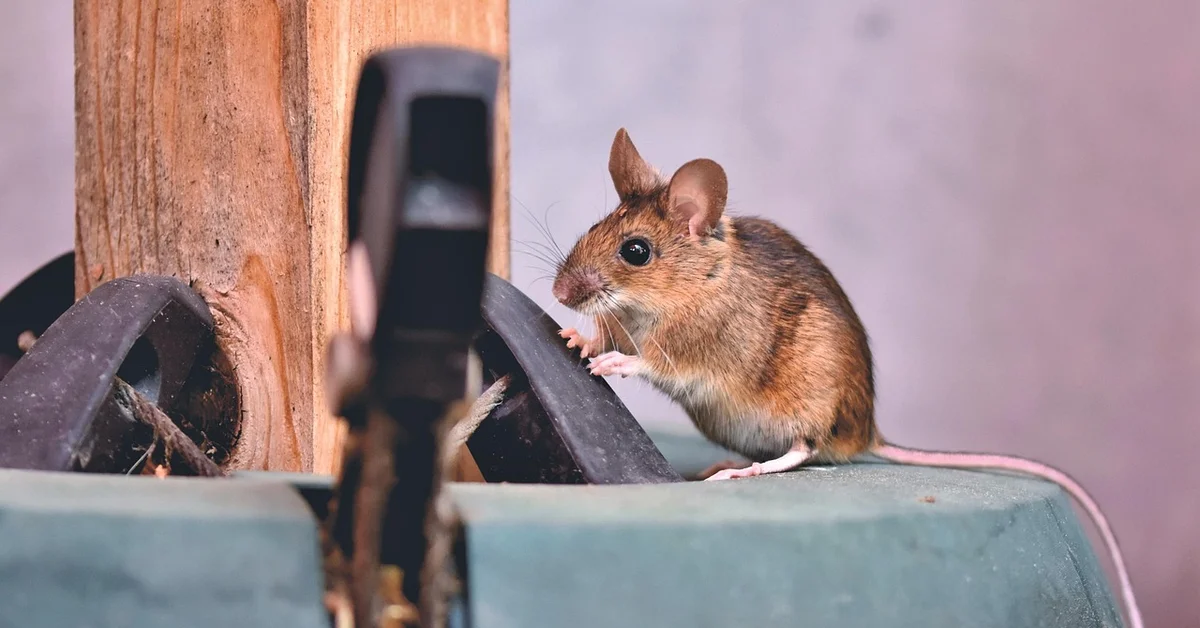
Grooming Tools and Supplies You’ll Need
You don’t need a fancy kit, just a few specific items to get your mouse looking its best. Gathering the right tools before you start makes the entire process smoother and less stressful for both of you.
- A brand new, soft-bristled toothbrush or a small, dedicated makeup brush for gentle fur brushing.
- Unscented, dye-free baby wipes or a soft cloth dampened with warm water for spot cleaning.
- Small, rounded-tip nail clippers designed for birds or very small animals.
- A tiny dish of olive oil or coconut oil for loosening any debris on the skin or tail.
- Styptic powder or cornstarch on hand in case you nick a nail quick.
- A pile of your mouse’s absolute favorite treats to reward calm behavior.
Coat Care and Brushing Techniques
A glossy, well-groomed coat is a sign of a healthy mouse and will certainly catch a judge’s eye. Regular, gentle brushing distributes natural oils and removes loose fur for a sleeker appearance. Always brush in the direction the fur naturally grows, using light, smooth strokes. For my curious Kenny, I find brushing him during a calm moment in the evening works best, when he’s more inclined to sit still for a tasty sunflower seed reward. If you encounter a small tangle, hold the fur at its base to avoid pulling the skin and gently work the brush through it. These grooming habits also help you recognize common mouse grooming signs: smooth, even fur and minimal shedding point to good condition. Bald patches, excessive dandruff, or frequent scratching are warning signs that warrant closer attention.
Show Day Logistics and Transport
Preparing the Show Cage and Carrier
Your mouse’s travel and display enclosure is its little home-away-from-home, and getting it right prevents a world of stress. I always use a simple, well-ventilated plastic carrier for the journey, lined with a thin layer of paper-based bedding to absorb any mess. For the actual show cage, check the specific requirements of the event, but it’s typically a clean, standard-sized tank or critter trail with fresh, neutral-colored aspen shavings. Avoid any colorful bedding or fluffy nesting material that could stain their fur right before judging. For more on choosing the right home or show enclosure, see the Ultimate Guide to Mouse Cages. It walks through enclosure types, sizes, ventilation, and bedding to help you make the best choice.
The goal is to create a calm, secure environment. Place a single, simple hideout in the carrier, like a small cardboard box, to give your mouse a place to retreat and feel safe during the chaotic journey. I’ve found that my more anxious mouse, Jeffery, travels much better when he has his familiar little cardboard hut to huddle in. For the water, use a gravity-fed water bottle designed for travel to prevent spills, and include a small handful of their regular food for the trip. I keep these essentials together in a dedicated mice travel pack so they’re ready for any outing. A small zippered pouch fits the hideout, bottle, and snacks neatly.
Show Day Checklist
Nothing frazzles your nerves on show day like forgetting something crucial. Running through a definitive checklist the night before is the single best way to ensure a smooth, successful day for both you and your mouse. Trust me, I learned this the hard way after a frantic search for a travel carrier with my first show mouse!
- Secure, pre-prepared travel carrier and show cage
- Entry confirmation and any required paperwork
- Small bag of your mouse’s regular food and treats
- Travel water bottle, pre-filled and tested for leaks
- Emergency kit: cotton swabs, styptic powder, soft cloth
- Your grooming kit: small soft-bristle brush, damp cloth
- A familiar-smelling item from their home cage
Final Grooming Touches and Presentation
Once you arrive, find a quiet corner to give your mouse those final, careful touches. This last grooming session is about presentation, not a full clean, so focus on making their coat look its absolute best under the judge’s discerning eye. Use a soft, dry makeup brush or a dedicated small animal brush to gently fluff their fur and remove any stray bits of bedding or dust. If you notice any small soiled patches, spot-clean them with a barely damp cotton swab or soft cloth. Dab gently rather than rubbing, and blot the area dry right away.
For light-colored mice like my Jeffery, I use a slightly damp cloth to gently wipe away any minor smudges on his paws or around his face. Handle your mouse with calm, confident movements to keep them settled; a flustered handler makes for a flustered mouse, and judges notice a confident presentation. When it’s time for judging, present your mouse in the show cage exactly as requested, then step back and let their natural beauty and your careful preparation shine.
Creating a Preparation Timeline
Four Weeks Before the Show
The foundation for a great show performance is laid a full month in advance. This is the perfect window to establish a consistent, positive handling routine that builds trust and gets your mouse comfortable with being examined. Start by gently running your hands over their back, sides, and belly, mimicking the judge’s inspection.
I begin introducing my mice to their travel carrier during playpen time, letting them explore it as a fun new space. This early acclimation prevents the carrier from being a scary, unknown object on show day, transforming it into a familiar and safe den. Also, take this time to do a full health check, keeping an eye out for any issues that need time to resolve, like minor skin irritations or overgrown nails.
One Week Before the Show
The final week is all about refinement and fine-tuning. This is when you shift your focus to coat conditioning, ensuring their fur is clean, full, and has a healthy, natural sheen. I provide a small, shallow dish of chinchilla bath sand for my mice to roll in, which helps absorb excess oils and leaves their coat looking pristine.
Double-check all your equipment and confirm your travel plans. Practice the entire routine, from placing them in the travel carrier to transferring them to the show cage, so the process feels like second nature to both of you. This is also the time to make any final decisions about which mice you are entering, based on their health and temperament.
The Night Before and Morning Of
The final 24 hours require a delicate balance of preparation and calm. Pack everything from your checklist the night before so your morning can be focused and peaceful, not rushed and chaotic. I set up the travel carrier with fresh bedding and a hideout, making sure the water bottle is working perfectly.
- Provide a light, familiar meal the night before.
- Do a quick visual health check before bed.
- On the morning of the show, keep the environment quiet.
- Offer a small, high-value treat for positive association.
- Perform your final, gentle grooming session.
- Place your calm, prepared mouse into the travel carrier.
Speak to your mouse in a soft, reassuring voice throughout the process; they are incredibly perceptive to your emotional state and will mirror your calm confidence. A smooth, predictable morning sets the perfect tone for a successful show day.
Frequently Asked Questions
Where can I find videos on grooming a mouse for a show?
You can discover helpful grooming videos by searching on platforms like YouTube using terms such as “mouse show grooming” or “rodent exhibition preparation.” These videos often demonstrate techniques like gentle brushing and nail trimming, providing visual guidance to supplement written advice. Look for content from reputable pet care channels or mouse enthusiast groups to ensure the methods align with safe, ethical practices for your pet.
Are there specific resources for show mouse grooming in Florida?
Yes, Florida has local mouse and small pet clubs, such as those affiliated with organizations like the American Fancy Rat and Mouse Association, which may host events or offer grooming workshops. Check online for Florida-based rodent shows or expos, where you can connect with experienced owners who share tips and may demonstrate grooming routines tailored to the region’s climate and show standards.
What are some secret tips for show mouse grooming?
One little-known secret is to use a soft, unused makeup brush for final coat fluffing, as it gently removes dust without stressing the mouse. Another is to schedule grooming sessions right after your mouse wakes up, when they tend to be calmer and more cooperative, making it easier to achieve a polished look without resistance.
Final Thoughts
Preparing your mouse for a show is about far more than just a gleaming coat and calm demeanor on the judging table. This process strengthens your bond and deepens your mutual trust, creating a more confident and sociable companion. The patience you invest in grooming and taming pays dividends in your everyday life together. These skills are the first steps into the mouse fancy world, where presentation and calm behavior are essential for exhibiting. With a well-socialized mouse and some basic show knowledge, entering exhibitions becomes far more enjoyable for both of you.
Remember to cherish the journey itself, celebrating the small victories along the way. Whether you bring home a ribbon or simply the pride of a job well done, the experience you share with your mouse is the true reward. Go out there, enjoy the day, and show off your wonderful companion.
Further Reading & Sources
- How to Train Your Mouse to Play with You
- Action detection using a neural network elucidates the genetics of mouse grooming behavior | eLife
- Grooming | Mouse Behavior Ethogram | Stanford Medicine
Isabella is a passionate small pet enthusiast with over 8 years of experience in caring for mice. She loves sharing practical tips and heartfelt stories to help fellow mouse owners provide the best care for their tiny companions.
Mice Grooming