
Keep Your Mice Healthy: A Safe Cage Cleaning Guide
Have you ever worried that a dirty cage could make your beloved pet mice sick? Maintaining a pristine habitat is one of the most direct ways to protect their fragile respiratory systems and overall well-being.
This guide provides a clear, step-by-step method for eliminating germs and creating a safe environment. We will cover the necessary supplies, a safe cleaning routine, and the best products to use and avoid for your mice’s health.
Understanding Disease Risks: Why Mouse Cage Hygiene Matters
A clean cage is the single most effective shield you can build for your mice against invisible threats. I treat cage cleaning not as a chore, but as a non-negotiable part of preventative healthcare for my boys. When waste accumulates, it doesn’t just smell; it creates a perfect environment for pathogens to multiply and become airborne, settling on your pets’ fur, their food, and the very air they breathe.
Common Health Threats in Dirty Mouse Cages
Several illnesses can take hold when a cage is not maintained properly. Being aware of them helps you understand what you are fighting against.
- Respiratory Infections (Mycoplasma): This is the most common ailment. Ammonia from urine buildup irritates and damages the delicate lining of their lungs, making them susceptible to chronic sniffles, sneezing, and labored breathing.
- Parasitic Infestations: Mites and lice thrive in dirty bedding. These tiny pests cause intense itching, hair loss, and scabs, leaving a mouse constantly uncomfortable and stressed.
- Bacterial Infections (Salmonella & E. coli): These harmful bacteria can grow in soiled bedding and on contaminated surfaces, potentially causing serious digestive upset and even posing a zoonotic risk to humans.
- Fungal Issues (Ringworm): A dirty, humid environment is a paradise for fungal spores, which can lead to skin lesions and require lengthy treatment.
When to Seek Veterinary Advice
Even with perfect cleaning, mice can still get sick. Knowing when a symptom is a red flag for a vet visit can make all the difference for their quality of life. You are their first line of defense.
- You notice any audible clicking or wheezing sounds when they breathe.
- There is persistent, frequent sneezing or discharge from the eyes or nose.
- Your mouse shows a sudden lack of energy or appetite, hiding more than usual.
- You see visible skin lesions, bald patches, or constant scratching.
- Their posture becomes hunched, or their fur looks puffed up and dull.
How Often Should You Clean Your Mouse Cage?
There is no universal schedule that fits every situation. The right cleaning frequency is a dance between the number of mice, the cage size, and the personalities living inside. My trio, for instance, creates mess at different rates; Kenny’s adventurous antics often mean more frequent spot-cleaning in his favorite corners.
A general rule is a full deep-clean every one to two weeks. A smaller cage or a larger group will need weekly cleanings, while a spacious habitat with just one or two neat mice might stretch to two weeks. Observing your own mice’s habits and the cage’s condition is far more reliable than any calendar. Do daily spot-checks for food, water and droppings, and do a weekly refresh of bedding and toys. Reserve deeper, hands‑on cleanings for the one‑to‑two‑week interval (or adjust as needed).
Spot-Cleaning Between Deep Cleans
This is your daily or every-other-day maintenance ritual that keeps the environment healthy.
- Remove soiled bedding and visible waste from corners with a small scoop.
- Wipe down any noticeably dirty surfaces or toys with a damp cloth or a pet-safe disinfectant wipe.
- Check the water bottle spout for blockages and give it a quick wipe.
- Remove any old, hidden food that could rot, especially from Jeffrey’s favorite stashing spots.
Signs Your Cage Needs Immediate Cleaning
Sometimes, the cage itself will tell you it can’t wait for the scheduled clean. Do not ignore these urgent cues from your pets’ home.
- A strong ammonia smell is detectable as soon as you enter the room.
- You see condensation building up on the glass or plastic walls of the enclosure.
- The bedding feels damp or clumpy to the touch in multiple areas.
- There is a sudden appearance of flies or other pests around the cage.
- Your mice are spending all their time on the highest platforms, avoiding the soiled floor.
Essential Safety Gear and Preparation
Setting Up Your Cleaning Space
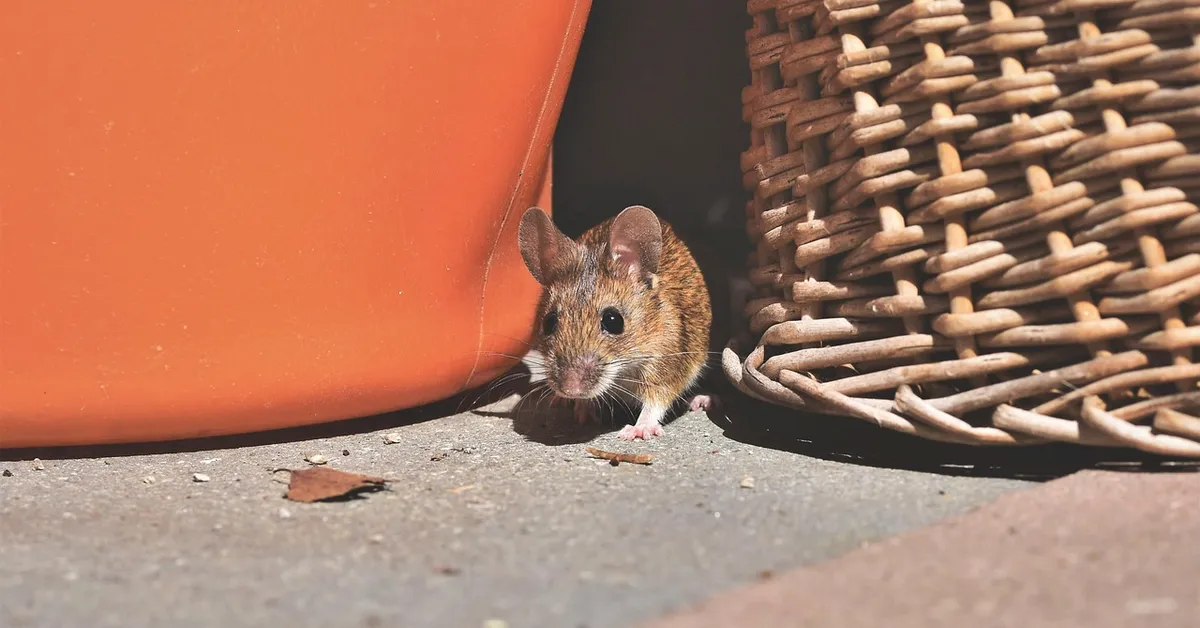
Before you even touch the cage, creating a safe and organized cleaning station is your first line of defense. I always perform this task in a well-ventilated room, ideally with an open window, to prevent inhaling any dust or aerosolized particles. Your setup area should be a surface that is easy to wipe down, like a kitchen counter protected with old towels or a dedicated utility table. This kind of setup is especially important when you need to clean up mouse droppings or nests, as it helps contain debris and minimizes dust spread. Also consider wearing disposable gloves and a mask while handling soiled bedding and droppings.
- Wear disposable gloves to protect your hands from bacteria and moisture.
- Use a simple face mask if you are sensitive to dust or cleaning solutions.
- Have a dedicated trash bag open and ready for soiled bedding.
- Keep a roll of paper towels and a spray bottle of your cleaning solution within easy reach.
- Prepare a temporary, secure holding bin for your mice, like a small carrier with familiar nesting material.
A chaotic space leads to rushed work and missed spots. Taking these few minutes to prepare properly makes the entire cleaning process smoother and far more effective for everyone’s health.
Safe Cleaning Products: What Works and What to Avoid
Choosing the right cleaning agent is critical, as a mouse’s respiratory system is incredibly delicate. Harsh chemicals can leave behind toxic residues that are far more dangerous than the germs you’re trying to eliminate. I steer completely clear of products with heavy fragrances, bleach, ammonia, or pine and cedar oils, as these can cause severe respiratory distress. Always opt for cleaning products that are safe around mice.
- Excellent Choices: Diluted white vinegar, pet-safe disinfectant sprays (like F10SC), and mild, fragrance-free dish soap.
- Strictly Avoid: Bleach (unless thoroughly rinsed, which is risky), ammonia-based cleaners, aerosol sprays, and any product labeled “antibacterial” with triclosan.
Vinegar is my go-to for weekly cleanings because it’s a natural deodorizer and effective against many common germs. For a deeper clean, a veterinary-grade disinfectant offers peace of mind without the peril.
Making Your Own Mouse-Safe Disinfectant Solution
Creating your own cleaning solution is simple, affordable, and gives you full control over what your pets are exposed to. My standard recipe is a 50/50 mix of white vinegar and water in a spray bottle, which tackles grime and odors wonderfully. For a more powerful clean, especially after an illness, a diluted chlorhexidine solution is a safe bet when used as directed.
- Fill a standard spray bottle halfway with white distilled vinegar.
- Top up the bottle with plain tap water.
- Shake gently to mix before each use.
This solution is perfect for wiping down cage bars, plastic bases, and sturdy toys. It’s a gentle yet effective way to maintain a hygienic habitat between more intensive monthly deep cleans.
Step-by-Step Deep Cleaning Process
A thorough deep clean is a ritual that protects your mice from invisible threats. Moving methodically through each step ensures no surface is overlooked and your pets can return to a truly fresh home. Mice are meticulous self-groomers and wash themselves frequently to stay clean. A tidy habitat supports that behavior and helps prevent skin and fur problems. I do this about once a month, or immediately if one of my boys, like the adventurous Kenny, seems under the weather.
Proper Bedding and Waste Disposal
Start by carefully transferring your mice to their temporary secure bin. Dispose of all old bedding and waste directly into a sealed trash bag to prevent any dust from escaping into your home. I take this bag outside to the main trash immediately after cleaning. When replacing the bedding, opt for a low-dust or dust-free product made specifically for small animals to help minimize respiratory irritation. Below are some of the best dust-free beddings for mice and tips for choosing the right one.
- Never shake soiled bedding out indoors.
- Seal the trash bag tightly before moving it.
- Consider composting paper-based bedding if your local system allows it.
This first step removes the bulk of the waste and potential pathogens. Handling waste with care is the foundation of preventing cross-contamination in your living space.
Disinfecting Cage Accessories and Toys
Every item from the cage needs individual attention. I use a small tub or the sink to scrub all hideouts, wheels, and toys with hot, soapy water, using a dedicated brush that never touches anything else. For porous items like wooden chews, a quick bake in the oven at 200°F (93°C) for 20-30 minutes is more effective and safer than soaking.
- Plastic and ceramic items can be soaked in your vinegar solution.
- Rinse every item with clean water until all soap or vinegar smell is gone.
- Wooden items should be baked or replaced if they become soiled.
A clean wheel is not just about appearance; it prevents the buildup of bacteria that can lead to painful bumblefoot. Meticulous cleaning of accessories directly impacts your mouse’s physical comfort and long-term health.
Ensuring Complete Cage Drying
This is the step where patience is truly a virtue. Returning your mice to a damp cage can encourage mold growth and put them at risk for respiratory infections and chilling. I use clean, absorbent towels to wipe the entire cage dry, and then I let it air dry for an additional 15-20 minutes.
- Wipe down the entire cage base and bars with a dry towel.
- Allow the cage to sit in a warm, dry area to evaporate any remaining moisture.
- Check for damp corners or hidden spots before adding new bedding.
A completely dry environment is non-negotiable for their well-being. This final, simple act of drying ensures their fresh start is also a safe and healthy one.
Minimizing Stress and Cross-Contamination During Cleaning
Cleaning your mouse’s home doesn’t have to be a stressful event for either of you. By establishing a calm routine, you can significantly reduce anxiety and prevent the spread of germs between cages or environments. I always prepare a small, secure temporary bin with familiar bedding and a hideout for my mice to wait in, which keeps them safe and occupied while I work—especially when caring for a sick mouse in a separate cage.
Using dedicated cleaning tools for each cage is a non-negotiable practice in my home. Assigning specific sponges, brushes, and cloths to individual habitats stops pathogens from hopping from one mouse to another. I even use different colored tools for Kenny, Gregory, and Jeffery’s cages to make it foolproof. These exact habits are covered in the Ultimate Guide to Mouse Cages, which explains cleaning schedules, tool choices, and other strategies to keep enclosures healthy. Check the guide for step-by-step recommendations and handy checklists to implement this system easily.
Always wash your hands thoroughly before and after handling each mouse or their supplies. This simple habit is your first line of defense against cross-contamination and keeps your pets healthier. I keep a bottle of pet-safe hand sanitizer right by the cleaning station for quick access.
Quarantine Protocols for New or Sick Mice
Introducing a new mouse or caring for a sick one requires a separate, isolated space. A proper quarantine period helps you monitor health without risking your existing mouse family. I set up a simple quarantine cage in a different room, equipped with its own food, water, and enrichment. Below is a clear step-by-step quarantine protocol you can follow to set up, monitor, and end isolation safely. It outlines the recommended duration, daily health checks, and basic sanitation practices.
Follow these steps to implement an effective quarantine:
- Place the new or ill mouse in a completely separate cage with no shared airspace with other mice.
- Use entirely different cleaning tools, dishes, and bedding for the quarantine setup.
- Attend to the quarantined mouse after caring for your healthy mice to avoid carrying germs back.
- Observe closely for any signs of illness, such as lethargy or breathing issues, for at least two to three weeks.
Handling a quarantined mouse demands extra care with hygiene. I always change my clothes after interacting with a sick mouse to prevent any accidental contamination. This protocol gave me peace of mind when Jeffrey needed isolation, and he recovered without affecting the others.
Maintaining a Clean Environment Between Deep Cleans

Keeping a mouse cage fresh doesn’t mean a full scrub-down every day. Regular spot cleaning preserves a healthy habitat and makes deep cleans less overwhelming for you and your mice. I check my mice’s living areas daily, focusing on high-traffic zones where waste accumulates. Every 1–2 weeks I perform a deep clean: I temporarily move the mice, remove all bedding and toys, then thoroughly wash and disinfect the enclosure before returning them with fresh substrate.
Incorporate these simple tasks into your daily routine to maintain cleanliness:
- Remove visibly soiled bedding and droppings with a small scoop or spoon.
- Wipe down food dishes and water bottles with a damp cloth to prevent bacterial growth.
- Discard any uneaten fresh food to avoid mold and odors.
- Fluff and turn over clean bedding to distribute it evenly and absorb moisture.
Weekly upkeep bridges the gap between major cleanings. Replacing about one-third of the bedding weekly helps control ammonia levels and keeps the air quality high. I find that my mice, especially the adventurous Kenny, appreciate the minor changes that don’t disrupt their scent markings.
Rotate and clean toys and accessories to prevent grime buildup. A quick rinse with warm water and a mild, pet-safe vinegar solution keeps play items fresh without harsh chemicals. This habit ensures that Gregory’s favorite chew toys remain safe and inviting for his gentle gnawing.
Frequently Asked Questions
How can I safely disinfect furniture that has been in contact with my pet mice?
If your mice have accessed furniture, start by wearing gloves and removing any visible debris or droppings with a damp cloth. Use a pet-safe disinfectant, such as a diluted white vinegar solution or a commercial product like F10SC, applied with a spray bottle and wiped down thoroughly. Avoid harsh chemicals like bleach or ammonia, as they can leave toxic residues and harm your mice’s respiratory system.
Ensure the furniture is completely dry before allowing your mice near it again, as moisture can promote mold growth. Always test the disinfectant on a small, hidden area first to check for any damage or discoloration. This approach helps prevent disease transmission without introducing new risks to your pets’ environment.
What are disposable mouse caging options, and are they recommended?
Disposable mouse caging includes temporary setups like single-use plastic bins or cardboard carriers, often used in laboratories or for short-term quarantine. For pet owners, disposable cage liners or pads can simplify cleanup by absorbing waste and being replaced frequently. However, these are not ideal for long-term housing due to poor ventilation and lack of durability.
While disposable options can reduce cross-contamination during illness or introductions, a well-ventilated, reusable cage is generally better for your mice’s health and enrichment. If used, ensure any disposable materials are non-toxic and changed regularly to maintain hygiene and comfort.
What types of mouse disinfectants are safe for regular use?
Safe disinfectants for routine mouse cage cleaning include diluted white vinegar and veterinary-grade products like F10SC, which are effective against germs without harsh fumes. These options minimize respiratory risks and are easy to rinse off, reducing residue that could irritate your mice. Always follow dilution instructions and avoid “antibacterial” cleaners with triclosan or strong fragrances.
For daily spot-cleaning, a mild, fragrance-free dish soap can suffice, but reserve stronger disinfectants for monthly deep cleans or after handling sick mice. Rotating between gentle options helps prevent pathogen buildup while keeping your pets’ environment safe and stress-free.
Your Path to a Healthier Habitat
By incorporating these cleaning habits, you transform a simple chore into a powerful shield against illness for your tiny companions. Regular cleaning reduces ammonia buildup and dampness that contribute to respiratory infections and skin problems. A clean cage is the single most effective step you can take to prevent disease and ensure your mice live long, vibrant lives full of exploration and play.
This routine not only protects their physical health but also strengthens the incredible bond you share with your curious pets. The peace of mind that comes from knowing you’re providing a safe, hygienic home makes every moment spent with your mice that much more joyful and rewarding.
Further Reading & Sources
- r/PetMice on Reddit: Mouse cage cleaning
- How to properly clean a mouse cage. | Rodents Amino Amino
- How to Clean a Mouse Cage: 12 Steps (with Pictures) – wikiHow Pet
Isabella is a passionate small pet enthusiast with over 8 years of experience in caring for mice. She loves sharing practical tips and heartfelt stories to help fellow mouse owners provide the best care for their tiny companions.
Preventive Care