
How to Tell if Your Mouse is in Pain
Have you noticed your mouse behaving differently and felt a knot of concern tighten in your stomach, unsure if it’s just a quirk or something more serious?
This guide will equip you with the knowledge to recognize pain in your mouse and provide a clear path forward. We will cover the subtle behavioral shifts, physical symptoms to watch for, and practical steps you can take to support your mouse’s well-being.
Physical Signs Your Mouse is Hurting
Understanding the Mouse Grimace Scale
Mice communicate pain through subtle facial shifts that you can learn to spot with practice. The Mouse Grimace Scale helps you decode these tiny expressions, turning vague worries into clear observations. Look for orbital tightening where the eyes appear more closed or squinted, a bulging or flattened nose bridge, and ears that pull back or rotate oddly. Whiskers might bunch together or droop instead of fanning out actively. I’ve found that checking these features daily-like noting when Kenny’s usually bright eyes seem narrowed-builds your skill in detecting discomfort early.
- Orbital tightening: Eyes look partially closed or squeezed.
- Nose bulge: The bridge appears swollen or less defined.
- Cheek flattening: The face loses its rounded fullness.
- Ear position: Ears tilt back or seem stiff.
- Whisker change: Whiskers clump or point downward.
Postural and Movement Changes to Watch For
A mouse in pain often holds its body differently, as if trying to shield sore spots. Hunched postures or a tucked abdomen can signal internal discomfort, much like how Gregory sometimes curls tightly when his joints ache. You might see slower, hesitant movements instead of quick scurries, or a reluctance to climb or explore. Watch for limping, dragging limbs, or excessive shaking-these are red flags that your mouse is trying to cope with physical stress.
- Hunching: The back arches upward, and the mouse stays low.
- Guarding: They protect a specific area by turning away or hiding it.
- Reduced activity: Less running, climbing, or playing than usual.
- Abnormal gait: Limping, wobbling, or uneven steps.
- Trembling or shaking: Visible shivers without cold temperatures.
Behavioral Changes That Signal Discomfort
Changes in Grooming Habits
Grooming is a window into your mouse’s well-being, and shifts here often hint at hidden pain. Over-grooming one spot can point to localized soreness, while a messy, unkempt coat might mean overall distress is sapping their energy. For instance, Jeffery’s typically neat fur turns scruffy when he feels off, reminding me that self-care drops when discomfort takes over. Pay attention to bald patches, redness, or if your mouse avoids grooming altogether-it’s their way of saying something hurts.
- Decreased grooming: Fur looks dirty, matted, or oily.
- Over-grooming: Focused licking or biting at one area.
- Skin issues: Redness, sores, or hair loss from repeated attention.
- Ignoring paws or face: Skipping usual cleaning routines.
Appetite and Weight Loss Indicators
When mice hurt, eating often becomes a low priority, leading to quiet but serious weight changes. A drop in food intake or disinterest in favorite treats-like Kenny ignoring sunflower seeds-can be an early whisper of pain you shouldn’t ignore. Monitor their water bottle levels and weigh them weekly with a small scale; even slight losses matter. If you see crumbs left uneaten or a thinning body shape, it’s time to dig deeper into what’s causing their discomfort.
- Track daily food consumption: Note how much they eat versus usual.
- Watch for treat refusal: If they skip high-value foods, pain may be the culprit.
- Check water intake: Dehydration can accompany reduced eating.
- Weigh regularly: Use a gram scale to catch gradual weight loss.
Vocalizations and Breathing Sounds in Painful Mice
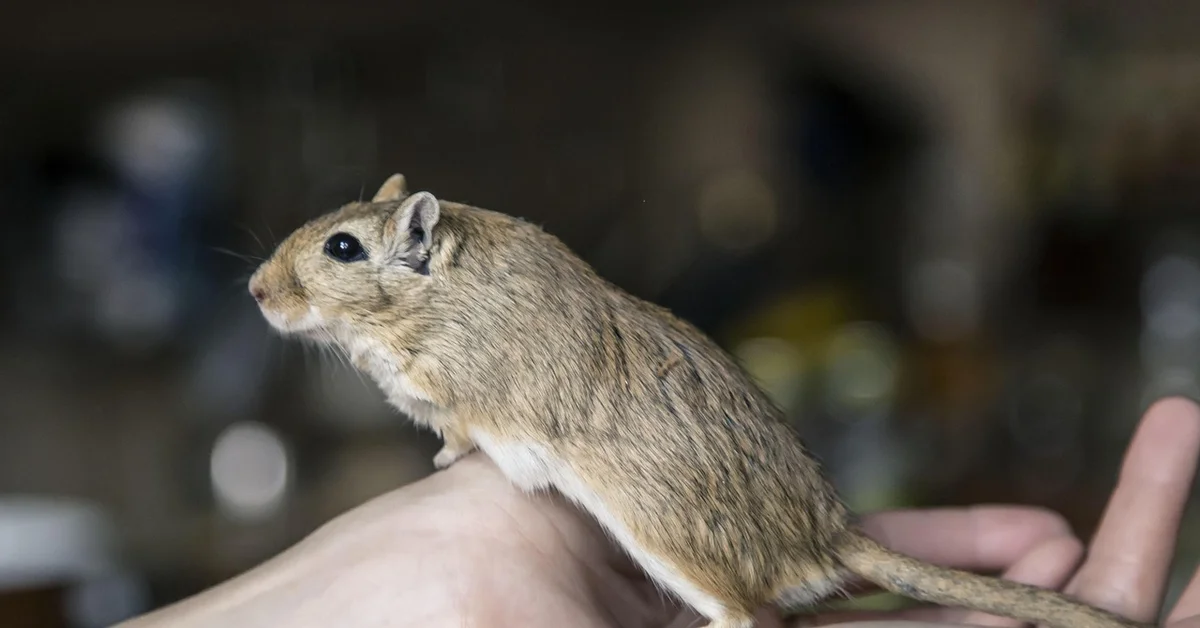
Mice often communicate discomfort through subtle sounds you might miss if you are not listening closely. Pay attention to any high-pitched squeaks or chirps that sound strained or repetitive, as these can signal distress rather than normal chatter. Different mouse squeaks mean different things, so it’s crucial to learn to distinguish between them. Breathing changes are equally telling-listen for wheezing, raspy inhales, or unusually fast panting, which might mean your mouse is struggling with pain or respiratory issues. In my experience with Kenny, his normally excitable squeaks turned sharp and frantic when he once had a minor injury, alerting me right away.
- Listen for squeaks that are higher or more urgent than usual
- Notice any labored breathing, like gasping or rattling sounds
- Watch for silence when your mouse would normally be vocal-this can indicate they are too pained to make noise
Subtle shifts in their usual noise patterns can be the first clue something is wrong. Regular, calm breathing should be quiet and steady, so any deviation warrants a closer look at their behavior and environment.
Changes in Waste and Elimination Patterns
Alterations in how your mouse urinates or defecates can clearly point to pain or illness. You might see fewer droppings in the cage, or notice that waste is much softer, harder, or a different color than normal. Pain can cause mice to hold back or have accidents, so keep an eye on where and how often they go. When Jeffery was feeling unwell, I observed his droppings became sparse and he avoided his usual spots, which helped me identify the issue early. A simple poop changes guide to mouse digestive health can help you interpret differences in color, consistency, and quantity and decide when to seek veterinary care. Tracking droppings over time makes it easier to spot problems early.
- Check for reduced frequency or amount of urine and feces
- Look for signs of straining or discomfort during elimination
- Note any unusual odors or textures in their waste
Consistent monitoring makes it easier to spot these changes before they escalate. Healthy mice have regular, predictable habits, so any disruption could mean they need your help. Sudden fighting often signals stressors like overcrowding, illness, or unfamiliar scents, and noticing these shifts early helps you determine the cause. Early detection lets you try solutions such as separating aggressors, improving enrichment, adjusting housing, or consulting a vet.
Common Causes Behind Mouse Pain
Understanding what might be hurting your mouse helps you respond effectively and compassionately. Injuries from falls or scuffles with cage mates are frequent sources of pain, especially for bold mice like Kenny who take risks. Dental problems, such as overgrown teeth, can cause constant discomfort, while gastrointestinal issues like bloating or blockages lead to obvious distress. Infections in the ears, skin, or respiratory system are also common culprits that need prompt care.
- Trauma from accidents or aggressive interactions
- Dental issues including malocclusion or tooth root problems
- Digestive troubles like constipation or infections
- Arthritis or joint pain, particularly in older mice like Gregory
Each cause has specific signs, so observing your mouse’s overall behavior is key. Quick identification of these issues can prevent more serious health problems and keep your pet comfortable. At home, do quick daily checks—note changes in eating, movement, breathing, fur and droppings. These simple checks make it easier to spot problems early and decide when to contact a vet.
Assessing Pain Severity: When to Act Immediately
Mice are masters at hiding discomfort, so spotting severe pain means watching for subtle but critical changes in their daily habits. You must act right away if your mouse stops eating or drinking entirely, as this can signal intense suffering that needs urgent care. Look for these red flags that demand immediate attention.
- Hunched posture with a puffed-up coat that lasts more than an hour
- Loud, persistent squeaking or grinding teeth when touched
- Rapid weight loss or sudden lethargy where they barely move
- Visible wounds, swelling, or bleeding that doesn’t stop
- Straining to breathe or making clicking sounds with each breath
Trust your instincts-if something feels off, it’s better to err on the side of caution and contact your vet.
What You Can Do at Home While Seeking Veterinary Care
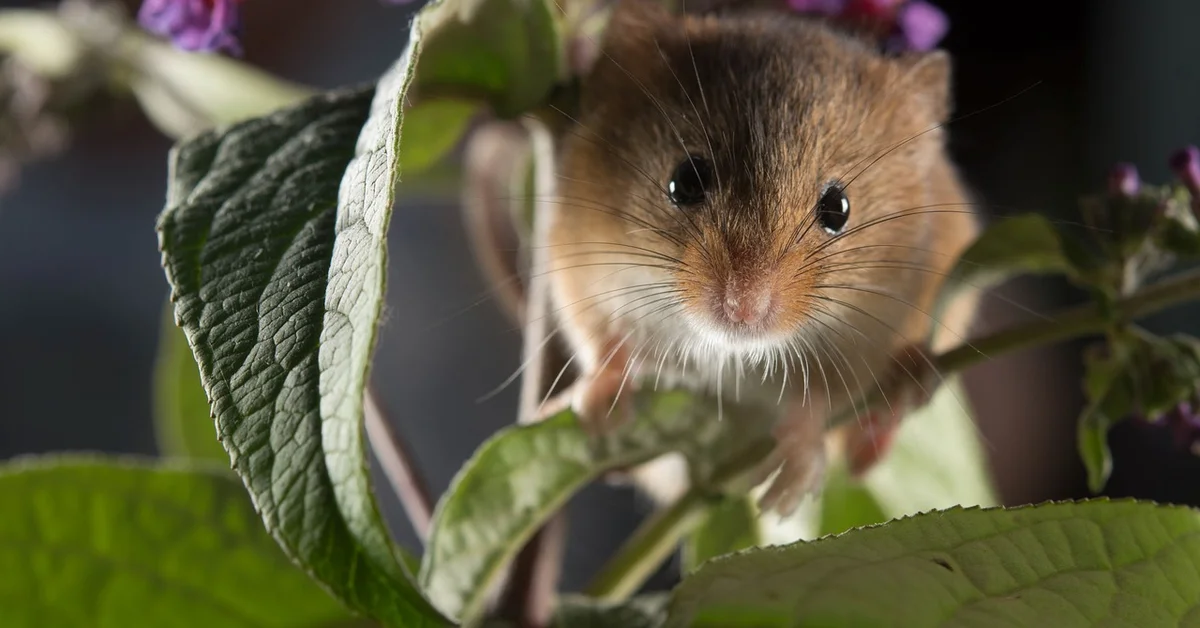
While you arrange a vet visit, your calm support can make a world of difference for your hurting mouse. Create a quiet, warm recovery space by placing a heating pad set on low under half of their enclosure, so they can choose the right temperature. This simple setup becomes a basic home-hospital cage where they can rest and recuperate. Include soft bedding, easy access to food and water, and keep the area quiet and low‑traffic. Follow these steps to keep them comfortable and stable.
- Move their cage to a dim, low-traffic area to reduce stress from noise and light
- Offer high-moisture foods like cucumber slices or baby food to prevent dehydration
- Provide soft bedding like shredded paper towels instead of rough materials
- Check on them gently every few hours without handling them unnecessarily
- Keep other pets away to avoid adding to their anxiety
Your presence alone can be soothing, so sit near their cage and speak in a soft, reassuring voice.
When Veterinary Assessment is Non-Negotiable
Some symptoms simply cannot wait for home remedies or improve without professional intervention. Any sign of labored breathing or a distended abdomen points to life-threatening issues that require a vet’s expertise immediately. Here are scenarios where delaying care is not an option.
- Inability to walk or dragging their back legs, which could indicate a spinal injury
- Seizures, tremors, or loss of consciousness even for a few seconds
- Blood in their urine or feces, suggesting internal problems
- Refusal to drink water for over 12 hours, risking severe dehydration
- Sudden aggression or excessive hiding when they’re normally social
Remember, mice deteriorate quickly, so prompt veterinary action can save their life.
How Mice Show Pain Differently Than Dogs or Cats
Mice express pain in ways that are easy to miss if you’re used to larger pets, since they rely on quiet, instinctive behaviors to avoid showing weakness. Unlike dogs that might whine or cats that hiss, a pained mouse often becomes overly still or obsessively grooms one spot until it’s raw. This table highlights key differences in pain expression across species.
| Behavior | Mice | Dogs | Cats |
|---|---|---|---|
| Vocalization | High-pitched, infrequent squeaks | Whining, barking, or growling | Hissing, yowling, or purring abnormally |
| Posture | Hunching tightly with eyes half-closed | Limping, arching back, or tucking tail | Crouching low, flattening ears, or twitching skin |
| Activity Level | Sudden lack of interest in exploring or playing | Restlessness or reluctance to move | Hiding in isolated spots for extended periods |
| Eating Habits | Picking at food or turning away from favorites | Leaving meals unfinished or begging less | Avoiding the food bowl or eating very slowly |
Observing these nuanced cues helps you respond with the right level of care for your small friend.
Frequently Asked Questions
Can mice feel pain?
Yes, mice are capable of feeling pain due to their complex nervous systems, which respond to harmful stimuli much like those of other mammals. Research, including studies on the Mouse Grimace Scale, confirms that they display measurable pain responses through facial expressions and behavioral changes, emphasizing the need for attentive care to alleviate their discomfort.
What are the signs that a mouse is dying?
Signs a mouse is dying often include extreme lethargy, where it remains motionless for long periods, and a complete refusal to eat or drink. You may also notice labored breathing, a significant drop in body temperature, and unresponsiveness to touch or sounds, indicating that urgent veterinary care or compassionate end-of-life support is needed. Refer to the universal signs sick mouse visual guide for clear photos and quick-reference cues to these symptoms. It can help you identify warning signs at a glance.
What are some mouse signs in the house that indicate pain?
In a home setting, mice in pain may avoid their usual nesting areas or fail to maintain their nests, leaving them messy or disrupted. They might also show reduced interaction with cage mates or toys, such as ignoring exercise wheels or hiding more than usual, which can signal underlying discomfort that isn’t immediately obvious through physical symptoms alone. Recognizing these subtle changes is key to spotting signs of stress; a visual behavioral guide for mice can help caretakers learn what to look for and when to intervene. Comparing photos or short videos of normal versus stressed behaviors makes it easier to track changes over time.
Your Path Forward
You now have the knowledge to spot the quiet, subtle ways your mouse might be telling you they hurt. Your greatest tool is simply knowing your mouse’s normal behavior, from their daily energy to their usual posture. Any shift from this baseline is your first and most important clue that something is wrong.
Trust what you see. Your attentive care makes all the difference for your small friend. If you suspect your mouse is in pain, do not hesitate to contact a veterinarian experienced with small animals. Your quick, compassionate action is their best chance for relief and a swift return to their happy, scampering self. When transporting them, use a small, secure, well-ventilated carrier lined with soft bedding and keep handling to a minimum to reduce stress. Drive carefully and bring notes or photos of symptoms so the veterinarian has a clear picture.
Further Reading & Sources
- Inflammation and nerve injury minimally affect mouse voluntary behaviors proposed as indicators of pain – ScienceDirect
- Coding of facial expressions of pain in the laboratory mouse | Nature Methods
- A new tool puts a number on mouse pain | Lab Animal
Isabella is a passionate small pet enthusiast with over 8 years of experience in caring for mice. She loves sharing practical tips and heartfelt stories to help fellow mouse owners provide the best care for their tiny companions.
Signs of Illness