
How to Transport Your New Mouse Home Safely and with Minimal Stress
Bringing a new mouse home is an exciting step, but are you worried about keeping your small companion calm and secure during the trip? I’ve faced that same concern many times, and this guide will give you a clear, easy-to-follow plan to make the journey as smooth as possible for both of you.
We’ll cover how to pick the right carrier, prepare for the ride, and handle your mouse with care, so you can focus on the joy of welcoming your new pet.
What Safe Mouse Transportation Really Means
Safe transport isn’t just about getting your mouse from point A to point B without physical harm. A truly safe journey minimizes their profound fear of sudden movement, unfamiliar sounds, and the terrifying sensation of being out in the open. For a creature that thrives on hiding and predictability, a car ride feels like a seismic event.
I think of my mouse Jeffery, who freezes at the slightest unexpected noise. His entire world is built on scent trails and known hideouts. Your primary goal is to create a mobile, familiar den that shields them from the overwhelming chaos of the outside world. This means controlling temperature, blocking harsh light, and muffling jarring sounds.
A successful trip leaves your mouse calm enough to groom or nibble a treat upon arrival, not huddled in a terrified ball. Preventing this psychological distress is just as critical as preventing a physical escape. It sets the tone for their entire adjustment to your home. If your mouse shows signs of fear or anxiety, gentle handling and a quiet, familiar space will help them feel secure. Helping a scared pet early prevents long-term stress and builds trust.
Choosing and Preparing the Right Small Animal Carrier
Not all small animal carriers are created equal for a creature as tiny and clever as a mouse. I’ve learned through trial and error what features truly matter for their comfort and security. That includes separating fact from fiction about the so-called minimum cage size for pet mice. Many myths underestimate how much space and enrichment these little animals need to thrive.
Key Carrier Features to Look For
- Solid, Opaque Walls: Clear plastic or wire mesh sides can be frightening, making mice feel exposed. A solid-colored plastic carrier feels much more like a safe burrow.
- Secure, Chew-Proof Latches: Mice are master escape artists. The closure must be absolutely foolproof and impossible for tiny teeth to pry open.
- Ample Ventilation: Look for fine metal grates or numerous small air holes high on the sides to ensure good airflow without creating drafts.
- Top and Front Opening: This gives you options for placing the carrier in the car and for gently removing a nervous mouse later.
I personally avoid hard-sided plastic cat carriers for short trips-they’re simply too vast and echoey for such a small animal. A small, dedicated rodent carrier or a well-secured, ventilated plastic bin with a locking lid often provides a much cozier, more secure feeling than standard carriers for small pets. For my trio, I use separate small containers for vet visits to prevent squabbles in a stressful situation.
Setting Up Soft Padding and Bedding
The floor of the carrier should never be hard, slick plastic. It’s unstable, cold, and offers no comfort.
- Start with a generous base of paper-based bedding, about an inch deep. This is absorbent, familiar, and safe if nibbled.
- Avoid fluffy, cotton-like bedding, as the loose fibers can wrap around tiny limbs and cause serious injury.
- On top of the bedding, add a handful of hay or shredded, unbleached paper strips. This gives them something to burrow into and hide under instantly.
- Tuck a single, small piece of fabric from their current cage-a fleece square or a paper napkin they’ve already slept in. The familiar scent of this item is a powerful anchor in a sea of new smells, providing immense psychological comfort.
Adding Food, Water, and Comfort Items
During a short car ride home, your mouse is unlikely to stop for a formal meal. The goal is to provide security and a small, familiar snack. Simple DIY mouse treats at home are perfect for this — small, healthy recipes that are easy to prepare and carry. A few wholesome, familiar snacks can help your pet feel calm and satisfied on the trip.
- Skip the Water Bottle: A hanging bottle will slosh and leak, soaking the bedding and chilling your mouse. Instead, offer moisture through their food.
- Provide Hydrating Foods: A small slice of cucumber, a piece of apple, or a single blueberry provides necessary moisture and is more appealing than a strange water source.
- Include High-Value Dry Food: Scatter a few pieces of their usual food or a special seed like a millet spray or a single sunflower seed. Finding a familiar treat can be a calming distraction.
- Choose One Small Hide: A tiny cardboard box, a toilet paper tube, or a commercial mouse hide gives them an immediate place to retreat. This single, simple object can reduce their stress more than anything else you add to the carrier. My mouse Gregory always immediately shuffles into whatever hide I provide and stays there, quietly, until we arrive.
Proper Handling and Gentle Transfer Into the Carrier
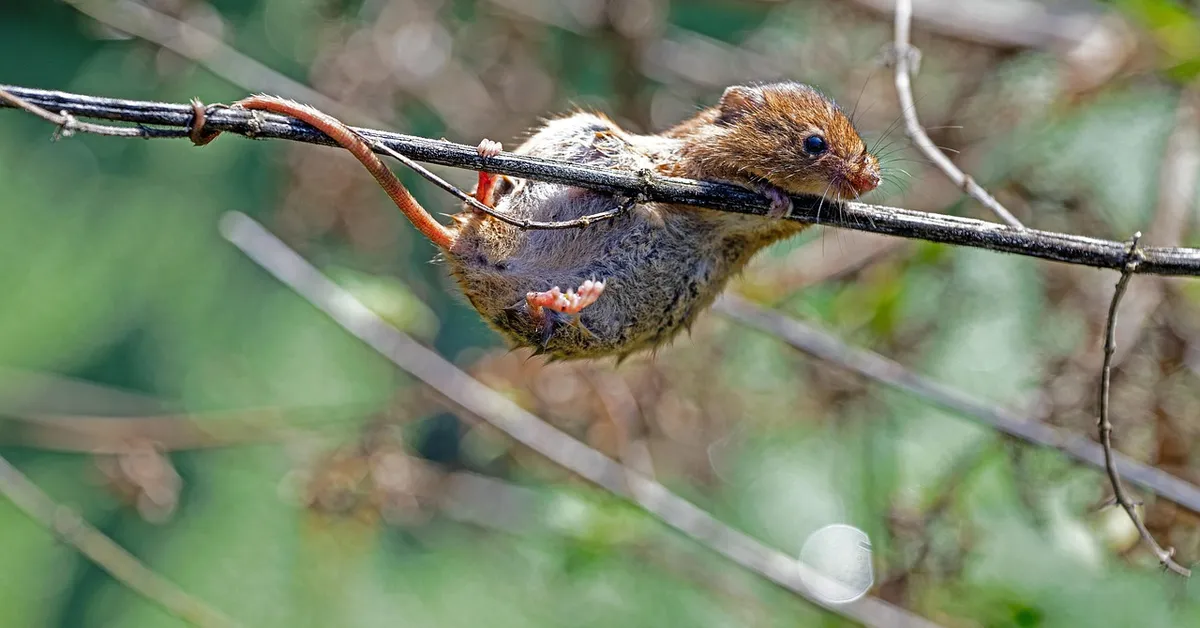
The moment of transfer is often the most stressful part of the journey for a new mouse. Your goal is to be a calm, predictable giant, not a sudden, grabbing threat. I always let my mice, like the ever-curious Kenny, investigate my hand first before any attempt to pick them up.
For a truly smooth transfer, consider these gentle methods:
- The Tunnel or Tube Method: Place a paper towel tube or a dedicated mouse tunnel into their current enclosure. Most mice will willingly walk inside out of curiosity, allowing you to gently lift and guide the entire tube into the carrier.
- The Cupped Hand Technique: Slowly scoop your mouse from below, forming a gentle cage with your fingers. Keep your hand low to the carrier’s entrance and let them walk off voluntarily.
- The Small Container Lift: For a particularly skittish mouse, use a small hide or a sturdy disposable cup to corral them gently, then place the entire container into the carrier.
Never pick a mouse up by its tail, as this can cause serious injury and immense fear. Patience in these first few minutes builds a foundation of trust that lasts for their entire life. I’ve found that my more anxious mouse, Jeffery, responds far better to the tunnel method than being directly handled during high-stress moments. This complete guide to taming a scared, skittish mouse explains step-by-step techniques—like the tunnel method, gradual desensitization, and positive reinforcement—that really work. With consistent, gentle practice you can reduce fear and build lasting trust.
Managing the Travel Environment During Transport
Once your mouse is securely in its carrier, your job shifts to managing the external environment. A car ride is a symphony of strange sensations that we must carefully conduct. To help your mouse stay calm in the car while driving, keep the carrier secure and shaded and avoid sudden movements or loud noises. Maintain a steady temperature and drive smoothly to minimize stress.
Temperature Control Throughout the Journey
Mice are incredibly sensitive to temperature extremes. The ideal travel temperature for a mouse is a stable, room-temperature range, roughly between 65°F and 75°F (18°C – 24°C). A car can become an oven in the sun or a freezer in the shade surprisingly fast.
- In cold weather, pre-warm the car and wrap the carrier in a towel, leaving one side uncovered for air. You can also include extra nesting material like shredded paper.
- In hot weather, run the car’s air conditioning before placing the carrier inside. Never leave a mouse in a parked car, even for a minute.
- Check on them frequently by listening for normal, quiet shuffling sounds, which indicate comfort.
Maintaining Proper Ventilation
Good airflow is non-negotiable. A well-ventilated carrier prevents the buildup of ammonia from waste and ensures a constant supply of fresh oxygen. Secure carriers with solid plastic bases and plenty of wire mesh on the top and sides are perfect.
Avoid covering the carrier with anything that blocks air holes, like a thick blanket. If you need to provide darkness to reduce stress, use a light, breathable cloth like a muslin swaddle or a thin tea towel draped loosely over just part of the carrier.
Reducing Noise and Avoiding Loud Sounds
A mouse’s hearing is far more acute than our own. Loud music, honking horns, and even a raised voice can be terrifying for a creature so small. They’re especially sensitive to sudden, high-pitched or ultrasonic noises that humans may not even notice. Even common household gadgets can emit tones mice dislike. I always create a quiet sanctuary for them during travel.
- Keep car stereo volume low or off. Classical or ambient music at a low level can sometimes mask jarring traffic noises.
- Place the carrier on the floor of the passenger seat, secured so it doesn’t slide. This position is often quieter and less turbulent than the seat itself.
- Speak in a soft, reassuring tone if you need to check on them.
Minimizing Motion and Sudden Movements
Imagine being in a small box while it’s being tossed around-that’s what sharp turns and sudden stops feel like to your mouse. Secure the carrier in a footwell or with a seatbelt to prevent it from sliding or tipping during the drive.
Drive smoothly, accelerating and braking gently. Take corners slowly. Your careful driving provides a stable, predictable environment that tells your new friend they are safe. My older mouse, Gregory, appreciates this steady approach much more than my own hurried driving style!
What to Do During Short Trips vs. Longer Journeys
The length of your trip dictates the level of preparation required. A quick 15-minute ride home from the pet store is very different from a multi-hour relocation.
For short trips (under 30 minutes):
- Focus on a secure, comfortable carrier with familiar bedding.
- Provide a small, moist treat like a cucumber slice or a blueberry for hydration, but skip a water bottle to avoid spills.
- Minimal stops are best; go directly to your destination.
For longer journeys (over 30 minutes):
- Hydration becomes critical. Attach a small, leak-proof water bottle to the carrier or offer high-moisture veggies periodically during safe, planned stops.
- Include a small portion of their regular dry food.
- Plan for rest stops every 1-2 hours to check on your mouse, offer a quiet word, and ensure the carrier environment is still comfortable.
- Never leave the carrier in direct sunlight or a parked car during these breaks.
The key difference is planning for sustained comfort and hydration over a longer period, transforming a potentially traumatic ordeal into a manageable, quiet journey.
Handling Transport Problems and Having an Emergency Kit Ready
If Your Mouse Escapes in the Vehicle
The sudden scurry of tiny feet in your car can send any owner into a panic. Your immediate reaction sets the tone for the entire rescue operation, so staying calm is your most powerful tool. The first thing you must do is find a safe place to pull over and turn off the engine completely.
Do not start wildly searching under seats. Instead, use their instincts to your advantage. Open a small, high-value treat like a sunflower seed or a tiny piece of a cereal puff. Place it in a small, open container on the floor. Often, their curiosity and hunger will lure them out far more effectively than frantic chasing ever could. Be patient and wait quietly.
If they remain hidden, you can gently use a soft-bristled paintbrush or a cardboard tube to coax them toward you or into a small carrier. Never try to grab at a frightened mouse; you risk injury and will destroy any trust you’ve begun to build. I’ve found that my mouse Kenny, ever the bold explorer, is often the first to investigate a treat, while my more timid Jeffery needs a few extra minutes of quiet reassurance. Using these calm methods, you can follow the best pick (recommended): “catch mice without resorting” to spring or glue traps. It’s safer for you and kinder to the animals.
Recognizing Excessive Stress or Illness
Transport is taxing, and it’s normal for a mouse to be a little quiet. You need to know the difference between typical travel fatigue and a genuine health crisis. Watch their breathing closely. A healthy, stressed mouse will breathe quickly, but the rhythm should even out once they feel safe.
Be deeply concerned if you notice any of these red flags:
- Labored, open-mouth breathing or audible clicking sounds
- Extreme lethargy or an inability to right themselves
- Porphyrin (red crust that looks like blood) around the eyes or nose
- Violent, sudden shaking or a hunched posture
A mouse that is cold to the touch or unresponsive needs immediate veterinary attention. These signs can indicate severe shock or the onset of a respiratory infection, which can escalate with frightening speed. See the universal signs sick mouse visual guide for clear photos and quick descriptions to help you recognize these emergency symptoms. Use the guide to compare what you observe and decide whether urgent veterinary care is needed.
Acclimation and Slow Introduction Once You Arrive Home

You’ve made it home, but the most delicate part of the process is just beginning. Resist the powerful urge to immediately transfer your new friend into their beautiful, permanent habitat. Their senses are completely overloaded.
Start by placing the entire travel carrier, with the door closed, directly into the quiet room where their new cage is set up. Let them sit there for at least an hour. This gives them a chance to process the new sounds and smells from the safety of their familiar travel space. I always do this, and I notice a visible relaxation in their posture after this quiet period, even in my usually grumpy Gregory.
The next step is a scent introduction. Take a small handful of bedding from their new, clean cage and place it just inside the door of their travel carrier. This allows them to investigate the scent of their future home on their own terms, building positive anticipation. After another thirty minutes or so, you can open the carrier door and let them choose to venture out.
Do not force them. They may dart straight into a hide in the new cage, or they might take a cautious tour. Let them set the pace; this first exploration is a foundational moment for their confidence and sense of security. Have a small dish of water and a familiar food, like the crumbs and berries Jeffery loves, waiting for them to find.
Frequently Asked Questions
What exactly is meant by “safe mouse transportation”?
Safe mouse transportation refers to a holistic approach that prioritizes both the physical safety and psychological well-being of your mouse during any journey. This means using a secure, escape-proof carrier and ensuring the environment inside is stable, comfortable, and familiar to prevent fear and stress. The ultimate goal is to deliver your mouse to its new home in a state of calm, ready to explore rather than hiding in terror, which supports a healthier transition and long-term well-being.
What constitutes an ideal mouse transport system?
An ideal mouse transport system is a self-contained, mobile habitat designed specifically for a mouse’s needs. At its core is a small, opaque, and well-ventilated carrier with chew-proof latches to prevent escapes and create a den-like feel. This system is completed with a deep layer of safe, paper-based bedding, a small hide for instant refuge, and a moisture-rich food item for hydration, all working together to provide security and comfort without the need for complex accessories.
What are the key steps to prepare for a safe mouse transport?
Preparation begins by setting up the carrier in advance with familiar bedding and a scent-marked item from their previous environment to offer psychological comfort. Next, plan the transfer using a gentle method, like the tunnel technique, to avoid causing fear or injury. Finally, manage the travel environment by pre-regulating the car’s temperature, securing the carrier to minimize motion, and keeping noise levels low to ensure a smooth and predictable journey from start to finish.
Wrapping Up
Getting your new mouse home is the first, vital step in a wonderful, rewarding journey together. A little preparation with a secure carrier and a calm environment makes all the difference in helping them feel safe from the very start. During the first 24 hours, gentle care and a low-stress routine are especially important. This short guide will help you know what to expect and the simple steps to help your mouse acclimate.
Your patience and gentle approach during this initial trip lay the foundation for a trusting bond. Soon, this brief period of travel will be a distant memory, replaced by the daily joy of watching your new friend explore their cozy habitat and learn to recognize you.
Further Reading & Sources
- Can Mice Travel With You When You Move House?
- How to Safely Transport Mice
- How to Safely Transport Mice
Isabella is a passionate small pet enthusiast with over 8 years of experience in caring for mice. She loves sharing practical tips and heartfelt stories to help fellow mouse owners provide the best care for their tiny companions.
Travel Safety