
Mouse Grooming Habits: When to Be Concerned
Have you ever watched your mouse groom itself and felt a twinge of worry, unsure if its habits are healthy or a hidden cry for help? This guide will clarify the difference between normal self-care and potential problems, offering you clear, actionable insights to keep your pet thriving.
We will explore the everyday grooming routines that signal a content mouse, identify specific behaviors that warrant a closer look, and provide simple steps to support your mouse’s well-being if issues arise.
What Normal Mouse Grooming Looks Like
Watching a mouse groom is like observing a tiny, meticulous spa session. A healthy mouse will dedicate a significant portion of its waking hours to self-care, creating a predictable and reassuring rhythm. You’ll typically see them start by vigorously washing their face with both front paws, almost like a cat, before moving on to smooth their whiskers and clean behind their ears.
Their grooming doesn’t stop with themselves. In a bonded group, mutual grooming, or allogrooming, is a powerful sign of social harmony. You might spot one mouse gently nibbling and licking the fur on a cagemate’s head or back, a behavior that strengthens their social bonds. This is a peaceful, cooperative activity, not a fight.
- Face-washing with front paws is a frequent, almost ritualistic, starting point.
- Systematic licking of the torso, limbs, and tail follows.
- Whiskers are cleaned and smoothed repeatedly throughout the day.
- Social grooming is common, quiet, and accepted by all parties.
- The overall coat appears clean, smooth, and free of debris or mats.
From my own experience, my mouse Gregory has a very deliberate grooming routine he performs each evening, a calm and steady process that seems to ground him. Healthy grooming is a sign of a content, comfortable mouse in control of its environment. Watching him meticulously clean his fur, face and paws reminds me that self-grooming is how mice keep themselves clean and free of debris. It’s a vital behavior for their hygiene and overall health.
Red Flags: Signs Your Mouse’s Grooming Has Become Problematic
Overgrooming and Barbering Behavior
When grooming becomes compulsive, it transforms from a healthy habit into a source of harm. Overgrooming is often a physical manifestation of an underlying issue, typically rooted in stress, boredom, or social friction. The mouse isn’t just cleaning; it’s engaging in a repetitive, soothing behavior that has gotten out of hand. This is often called barbering — when a mouse chews or plucks fur from itself or cage-mates. Recognizing barbering helps explain why a mouse chews fur: it’s usually a stress- or social-related coping mechanism.
Barbering is a specific form of overgrooming where one mouse excessively grooms another, often to the point of hair loss. The key identifier for barbering is that the hair loss is typically on the head, face, or back, areas the mouse being groomed cannot easily reach itself. The barber, usually a more dominant cage mate, leaves behind a strangely neat, shaved-looking patch. These tidy, unreachable patches help distinguish barbering from medical causes of fur loss, which tend to be more irregular and often show broken hairs, redness, or scabbing. If there is any doubt, check the skin and observe interactions or consult a veterinarian to rule out disease.
- Excessive, frantic licking or nibbling at their own fur.
- The appearance of symmetrical bald spots, especially on the flanks.
- One cagemate has a full coat while another has unexplained hair loss.
- The underlying skin looks normal, not red or sore, at least initially.
Undergrooming and Self-Neglect
Just as concerning as over-attention is a sudden lack of it. A mouse that stops grooming is often a mouse that does not feel well, either physically or mentally. The once-pristine coat becomes the most visible billboard for their distress.
You might notice their fur looks greasy, clumped, or unkempt, particularly around the head and back. A ruffled, “staring” coat that stands on end is a classic sign of illness and a clear indicator that your mouse has abandoned its grooming routine. There may be food or bedding stuck in the fur, something a healthy mouse would never tolerate.
- A scruffy, oily, or matted appearance to the fur.
- Visible debris stuck to their coat.
- Hunched posture combined with a lack of self-cleaning.
- Often accompanied by other signs of illness like lethargy or squinted eyes.
Bald Patches, Fur Loss, and Skin Lesions
While barbering causes hair loss, not all bald spots are created equal. It’s vital to look at the skin itself; red, inflamed, scabbed, or flaky skin points directly to a medical problem, not a behavioral one (such as skin issues in mice). This distinction is your most important clue.
Parasites like mites can cause intense itching and hair loss, often starting on the back and neck. If you see small scabs, especially along the back or behind the ears, it’s a strong signal to seek veterinary care for specific treatment. Fungal infections can create circular patches of hair loss with flaky skin. Any open sore or wound is an immediate red flag.
- Hair loss accompanied by redness, swelling, or scabs.
- Small, moving dots on the skin (possible mites).
- Circular, flaky patches of bald skin (possible ringworm).
- Evidence of scratching, such as scrapes or cuts.
Changes in Grooming Frequency
A shift in your mouse’s routine can be the earliest and most subtle warning sign. Pay close attention to the rhythm of their day; a sudden increase or decrease in grooming time is worth noting in your mental logbook. My young mouse, Kenny, is a whirlwind of activity, but even his energetic grooming has a predictable pattern.
A mouse that suddenly spends all its time hidden away grooming, or one that seems to have forgotten how to groom entirely, is sending a clear signal. Any drastic change from their normal baseline behavior warrants a closer look at their environment, diet, and social interactions. This is about knowing your individual mouse’s personal habits and recognizing when they change. A simple happy behavior checklist makes it easy to track those baseline habits and spot worrisome shifts early. Regularly ticking off items like grooming, activity level, and social interactions helps you know when to investigate further or seek advice.
- A previously calm groomer becomes frantic and obsessive.
- A typically fastidious mouse suddenly appears messy and unkempt.
- Social grooming sessions turn into one-sided, persistent chasing and nibbling.
- The mouse flinches or seems painful when grooming a specific area.
Common Causes Behind Abnormal Grooming Behavior
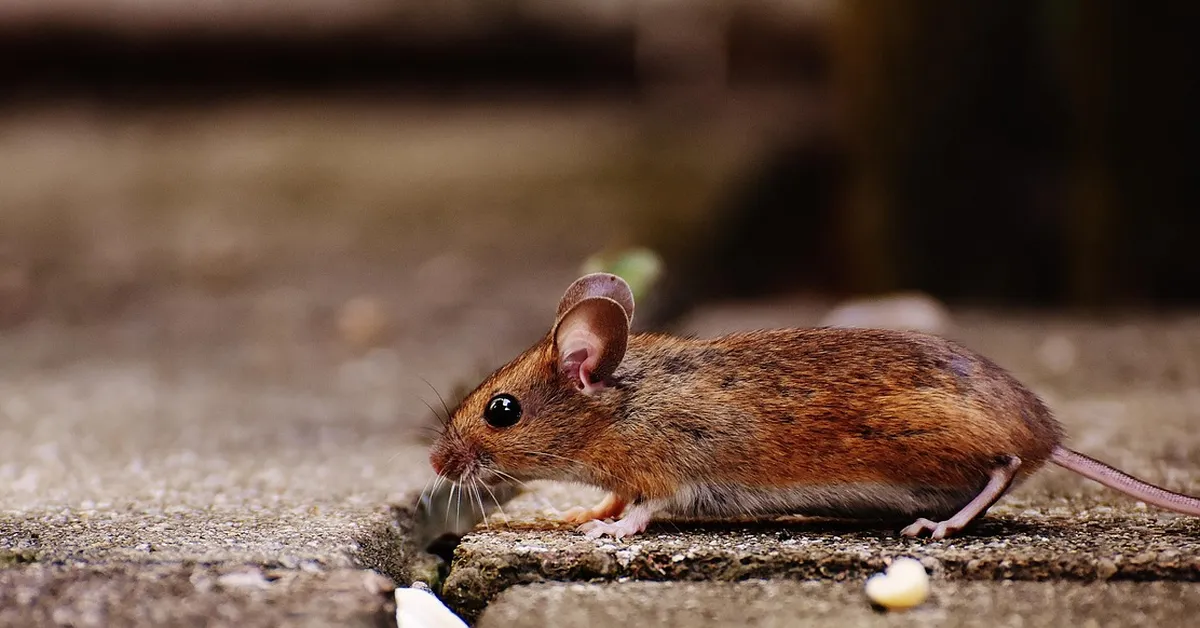
Seeing your mouse groom excessively or not enough can be unsettling. Changes in grooming are one of the clearest signals your mouse uses to tell you something is wrong. Let’s break down the usual suspects so you can start to piece together the puzzle. Watch for specific grooming signs — from over-grooming and bald patches to a greasy or unkempt coat — as they can point to stress, parasites, skin disease, or other health problems. Below are common grooming signs and what they typically indicate.
External Parasites: Mites, Fleas, and Treatment
Imagine a constant, crawling itch you can’t scratch away. That’s life for a mouse with parasites. You might notice tiny moving dots or, more commonly, the effects of their presence.
- Intense, frantic scratching, often focused on the shoulders and neck.
- Scabs, flaky skin, or small red bumps, especially along the back.
- Patchy fur loss from the constant irritation and nibbling.
- Restlessness and an inability to settle, even during normal sleep times.
A veterinarian can provide a safe, effective treatment like kitten-safe ivermectin, which resolves most parasitic issues quickly. Never use over-the-counter dog or cat products, as the dosages are dangerously high for such a small creature.
Skin Conditions: Ringworm, Dermatitis, and Fungal Infections
These issues can look similar but have different roots. My mouse Jeffery once had a bout of dermatitis from a new bedding I was trying, and his frantic grooming was my first clue.
- Ringworm (a fungus): Look for circular, hairless patches with a distinct red, crusty border. It’s highly contagious to other pets and humans.
- Dermatitis: This is a general skin inflammation. Causes include allergic reactions to bedding, soaps used to clean the cage, or even a new food. The skin appears red and irritated all over, not in distinct circles.
- Bacterial Infections: Often follow an initial scratch or wound. The area may be moist, swollen, or have pus.
Diagnosis from a vet is vital here, as treatment for a fungus is useless against a bacterial infection and vice versa. They will likely take a skin scraping to know for sure.
Stress-Related Grooming Problems
Mice are deeply sensitive to their environment. A stressed mouse might groom itself compulsively, almost like a nervous habit. I’ve seen this in my own group when their cage was in a suddenly noisy part of the house.
- Barbering: A dominant mouse may over-groom and chew the fur of a cagemate, leaving strange, trimmed patches.
- Self-Barbering: A mouse may chew its own fur, often on the front legs or a patch it can easily reach, due to boredom or anxiety.
- Common stressors include a too-small cage, lack of hiding places, frequent loud noises, bullying from cage mates, or a recent change in their routine.
Providing ample enrichment, like tunnels, wheels, and foraging toys, can dramatically reduce stress-based grooming. Sometimes, rearranging the cage weekly gives them a “new” environment to explore, which curbs boredom.
Health Issues Affecting Grooming Ability
Sometimes, the problem isn’t the desire to groom, but the physical ability to do so. This is often the most heartbreaking to witness. In those moments, helping with grooming becomes an act of care that strengthens the bond and builds trust between caregiver and animal. Gentle, patient attention can bring comfort and preserve that closeness.
- Arthritis or Injury: An older mouse like my Gregory, or one with a sprain, may struggle to twist and reach certain spots, leading to a greasy, unkempt coat on their back or hindquarters.
- Dental Problems: Overgrown teeth can make it painful for a mouse to use its incisors to “comb” its fur, a key part of their grooming ritual.
- Obesity: A mouse that is too heavy simply cannot physically contort its body to clean hard-to-reach places.
- Systemic Illness: A general feeling of unwellness, from an infection to organ problems, saps a mouse’s energy. Grooming is one of the first activities to be abandoned when they feel poorly.
A once-pristine mouse that suddenly looks scruffy is often a mouse that needs a vet visit to diagnose an underlying health condition.
When Grooming Problems Indicate Bigger Health Concerns
While some grooming issues are straightforward, others are red flags for more serious internal problems. A sudden, drastic change in grooming habits is almost always a sign that a professional evaluation is needed.
- If over-grooming is accompanied by weight loss, lethargy, or a hunched posture, it could point to chronic pain or a systemic disease.
- Neglecting grooming entirely, leading to a very matted and dirty coat, often indicates severe depression, profound pain, or a debilitating illness.
- Grooming that is so intense it causes open, bleeding wounds is a sign of extreme distress, whether from pain, neurological issues, or severe parasites.
Trust your instincts-you know your mouse’s normal behavior better than anyone. If something feels off, it’s better to seek advice than to wait and see.
Supporting Your Mouse’s Healthy Grooming Habits
You play a huge role in helping your mouse maintain its natural fastidiousness. A healthy, happy mouse in a clean and stimulating environment will almost always be a well-groomed mouse.
- Provide a Sand Bath: Offer a small dish of chinchilla bath sand a few times a week. They will roll in it to absorb oils and keep their fur fluffy. Avoid dust, which can cause respiratory issues.
- Maintain Cage Cleanliness: A clean habitat prevents skin irritation from soiled bedding and reduces the risk of parasites and bacteria.
- Offer a Balanced Diet: Proper nutrition, including protein and healthy fats, is the foundation for healthy skin and a glossy coat.
- Ensure Ample Hydration: Always have fresh water available. Dehydration can lead to dry, itchy skin.
- Monitor Social Dynamics: Watch for bullying that leads to barbering. In some cases, a temporary separation or permanent rehoming may be necessary for the victim’s well-being.
- Schedule Regular Health Checks: Gently handle your mice weekly to feel for lumps, bumps, or scabs, and to observe their body condition and energy levels.
Your attentive care is the first and best line of defense in keeping your mouse’s coat-and overall health-in perfect condition.
What to Do When You Notice Grooming Concerns
Seeing your mouse neglect their coat can be worrying, but your calm and methodical response makes all the difference. Your first step is always quiet observation from a distance to avoid adding stress. Note exactly what you’re seeing-is it a single patch of missing fur, or is the skin underneath looking red and irritated?
Create a comfortable recovery space while you figure out the next steps. I temporarily swap out any rough bedding for ultra-soft, unscented paper strips for any of my boys showing skin sensitivity. Ensuring their environment is pristine and stress-free is a powerful form of first aid. Remove any soiled bedding immediately and double-check that the cage is in a quiet part of your home.
Immediate Actions to Take at Home
- Isolate if Necessary: If you have multiple mice and notice bullying, a temporary separation within the same room can prevent further injury.
- Dietary Check: Review their food for adequate protein; a small, extra offering of a hard-boiled egg or plain cooked chicken can help.
- Environmental Enrichment: Boredom can cause over-grooming. Introduce new, safe chew toys or a dig box with coconut fiber to redirect the behavior.
- Gentle Monitoring: Avoid handling the affected area. You can use a small, separate travel cage to observe them closely for short periods without causing a chase.
Understanding Your Vet Visit for Grooming Problems
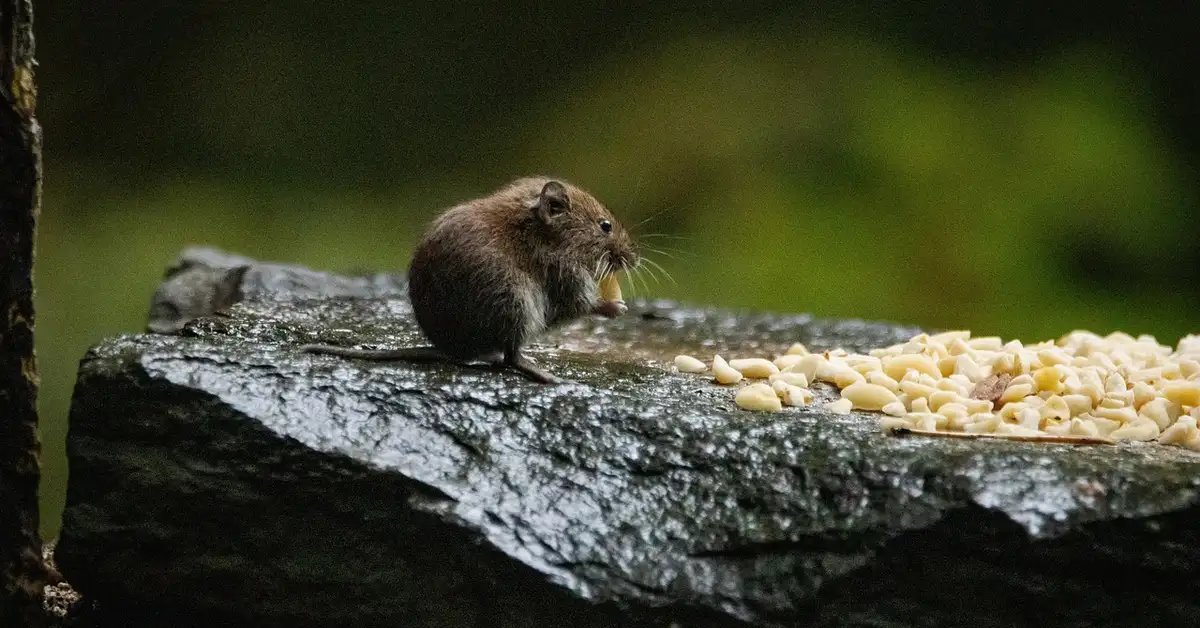
Walking into the vet’s office with a small pet can feel daunting, but being prepared turns you into your mouse’s best advocate. A good exotics veterinarian will appreciate detailed notes about the grooming changes you’ve witnessed. I always take a few photos and a short video on my phone to show the vet exactly what I see at home.
Be ready to answer specific questions about your mouse’s daily life. Your vet will likely ask about their diet, cage mates, and the exact setup of their habitat. Honesty about your husbandry routine helps the vet pinpoint the issue faster, whether it’s mites, a fungal infection, or a social problem. I once realized my mouse Gregory’s grumpy demeanor was causing stress in the group only after my vet asked very detailed questions about their interactions.
What to Bring to Your Appointment
- A recent sample of their regular food and treats.
- A list of any supplements or foods you’ve recently introduced.
- Notes on when the grooming issue started and how it has progressed.
- A familiar hide or small piece of fabric from their cage to comfort them.
Common Diagnostic Steps
Your veterinarian has gentle, minimally invasive ways to find the root cause.
- Skin Scraping: They may gently collect a small sample of skin to check for microscopic mites under a microscope.
- Fungal Culture: A painless swipe of the skin can test for ringworm or other fungal causes.
- Physical Palpation: The vet will feel for any lumps, bumps, or signs of pain that might make grooming difficult.
- Dietary Analysis: They will review the nutritional content of your provided food sample.
Don’t hesitate to ask questions about any prescribed treatment-understanding the ‘why’ behind a medication makes it easier to administer consistently at home. Most treatments for common issues like mites are straightforward and involve topical drops or a medicated rinse, and your mouse will often show improvement within a week.
Frequently Asked Questions
Are there specific grooming concerns for mice in Virginia?
While mouse grooming issues are generally universal, Virginia’s climate, particularly its high humidity, can increase the risk of skin problems like fungal infections. This might lead to more frequent overgrooming as mice try to alleviate discomfort. Consulting a veterinarian familiar with local conditions can provide tailored advice.
Additionally, seasonal changes in Virginia, such as hot summers, might affect your mouse’s behavior and stress levels, indirectly impacting grooming habits. Maintaining a consistent indoor environment helps mitigate these effects.
What household environmental factors can lead to mouse grooming problems?
Common household factors include exposure to chemical cleaners or air fresheners, which can irritate a mouse’s sensitive skin and cause overgrooming. Also, loud noises from appliances or high traffic areas can stress mice, leading to compulsive grooming behaviors.
To prevent this, place the cage in a quiet, low-traffic room and use pet-safe cleaning products. Regularly monitoring your mouse’s reaction to household changes can help identify and address stressors early.
Can having dogs in the home affect my mouse’s grooming habits?
Yes, the presence of dogs can be a significant stressor for mice, as they are natural predators. This stress may manifest as overgrooming, barbering, or even self-neglect. Mice might groom excessively to cope with anxiety caused by the sight, smell, or sounds of dogs.
To reduce this risk, keep the mouse’s enclosure in a separate, secure room where dogs cannot access or disturb them. Providing plenty of hiding spots and enrichment can also help your mouse feel safer and reduce stress-related grooming issues.
Wrapping Up
Observing your mouse’s self-cleaning rituals is one of the most rewarding parts of ownership, a quiet sign of a content and healthy companion. Regular grooming is a beautiful, normal behavior, and knowing what that looks like for your specific pet is your greatest tool.
Trust that you are the expert on your own mouse’s normal behavior, and any significant deviation from their personal routine is your signal to take a closer look. With this knowledge, you can confidently enjoy watching your meticulous friend while knowing exactly when they might need a little extra support from you.
Further Reading & Sources
- The Mouse Who Couldn’t Stop Washing: Pathologic Grooming in Animals and Humans – PMC
- Neurobiology of rodent self-grooming and its value for translational neuroscience – PMC
- Innate Behavior: A groom with a view | eLife
Isabella is a passionate small pet enthusiast with over 8 years of experience in caring for mice. She loves sharing practical tips and heartfelt stories to help fellow mouse owners provide the best care for their tiny companions.
Mice Grooming