
Nest Building 101: Understanding Your Mouse’s Architectural Skills
Have you ever watched your mouse carefully gather and shape its bedding into a cozy nest, wondering what drives this tiny architect’s creative process? I’ve spent years observing my own mice, like the adventurous Kenny and the calm Gregory, and I’m excited to share insights that will help you appreciate and support this natural behavior in your pet.
This guide will walk you through the instinctual reasons mice build nests, how to select the best nesting materials for safety and comfort, and ways to design a habitat that encourages their architectural talents.
Why Your Mouse Builds Nests: The Biology Behind Nesting Behavior
Thermoregulation and Shelter: Keeping Warm and Safe
Your mouse is a tiny creature with a fast metabolism, and maintaining its body temperature is a constant battle. A well-built nest acts as a personal climate control system, trapping body heat to create a warm, stable micro-environment. This instinct to burrow and insulate is hardwired, a fundamental survival skill that keeps them safe from the elements even in your climate-controlled home. I’ve noticed my own mice, especially the younger ones like Jeffery, will start gathering fluff the moment the room temperature dips even slightly.
Beyond warmth, a nest provides crucial psychological security. In the wild, exposure means vulnerability to predators. A snug, enclosed nest mimics the safety of a burrow, allowing your pet to sleep soundly and feel protected. You’ll often find they choose the most enclosed corner of their habitat, creating a fortress where they can truly let their guard down. Observing this behavior in my mouse Gregory, who prefers stability, really underscores how vital this feeling of security is to their well-being.
Maternal and Reproductive Nesting Instincts
Even in a same-sex environment, the drive to build a secure nursery is a powerful, innate behavior. Female mice exhibit a remarkable surge in nesting activity when expecting, creating a soft, secure space for their litter. This maternal instinct is so strong that you may see your female mice constructing elaborate nests regardless of their reproductive status, a beautiful echo of their biological purpose. When keeping an all-female (doe) colony, accommodating these nesting instincts is important for welfare and group stability. This guide explains how to support nesting behavior and manage housing, enrichment, and social dynamics in doe colonies.
The complexity of the nest can often reflect this deep-seated need. They will meticulously shred paper, arrange bedding, and form a perfect, cup-like depression. Watching this intricate process is a privilege, a glimpse into the profound caregiving instincts that are central to their species. It’s a behavior that transcends the immediate need for offspring and speaks to a core part of their identity.
Stress Relief and Mental Enrichment Through Building
Nest building is far more than a practical chore for your mouse; it is a primary form of occupational therapy. The process of gathering, manipulating, and arranging materials provides essential mental stimulation. A mouse with good nesting materials is a busy, engaged mouse, and this activity directly combats boredom and associated stress behaviors. Offering toys and opportunities for interactive play taps into those same psychological drives—manipulation, problem-solving, and social engagement. Well-chosen toys and play sessions complement nesting and further reduce boredom and stress.
I consider it one of the most rewarding forms of enrichment you can offer. The focused concentration they display while tucking a piece of tissue just so is remarkable. Providing a variety of safe, shreddable materials empowers them to express this natural behavior, leading to a visibly more content and settled pet. My impulsive mouse, Kenny, will often channel his boundless energy into a frantic but focused building session, emerging afterward much calmer. This nesting and shredding is an excellent way to keep your mouse entertained beyond the wheel. Combine it with tunnels, chew toys, or foraging puzzles for varied stimulation.
How Mice Build Nests: The Construction Process Step by Step
Choosing the Perfect Nest Site
The first step is all about location, location, location! Your mouse will spend considerable time scouting its territory for the ideal spot. They are looking for specific criteria that promise safety and comfort. Make sure to choose the right place for the mouse cage as part of this process.
- Security and Seclusion: Corners, areas behind hides, or spots buried deep in the substrate are prime real estate. They prefer to have at least one or two sides protected.
- Low Traffic: They will avoid high-activity areas, like directly under a water bottle that might drip or next to a noisy wheel.
- Stable Temperature: Drafty areas are a definite no-go. They seek out spots with a consistent, comfortable temperature.
Don’t be surprised if your mouse suddenly decides to relocate its entire nest; this is a normal part of their assessment process as their needs or perceptions change. But it’s important to understand where mice hide in order to manage them effectively.
Gathering and Sorting Nesting Materials
Once the site is selected, the procurement phase begins. Your mouse becomes a dedicated materials manager, testing and collecting everything it can carry.
- The Scavenger Hunt: They will venture out to gather items, often making many trips back and forth to the material pile.
- Quality Control: Mice are surprisingly discerning. They will often reject materials that are too stiff, have a strong scent, or aren’t shreddable enough.
- Preparation: Many materials are shredded or torn into more manageable strips before being transported to the build site.
Offering a mix of textures, from crinkly paper to soft cellulose, allows them to exercise this sorting instinct and create a truly custom-built home. I love watching Jeffery carefully test a piece of tissue with his tiny hands before either accepting or discarding it.
The Building Timeline: How Long Does Construction Take?
The speed of construction depends on the mouse’s personality, age, and motivation. A basic, functional nest for sleeping can be whipped up in under an hour.
- Initial Setup (30 mins – 2 hours): A simple pile of gathered materials is formed into a basic shelter.
- Refinement (Ongoing over 24-48 hours): The mouse will continue to shape the nest, creating smoother interior walls and a more defined entrance.
- Maintenance (Continuous): Nests are not static. Your mouse will perform daily upkeep-fluffing, repairing, and adding new materials as needed.
A major rebuild or a new nest from scratch is typically completed within a day or two, transforming a pile of scraps into a sophisticated, cozy den. An older, more methodical mouse like Gregory takes his time, resulting in a sturdier, more deliberate structure than Kenny’s rapid, enthusiastic creations.
What a Healthy Mouse Nest Looks Like (And What It’s Made Of)
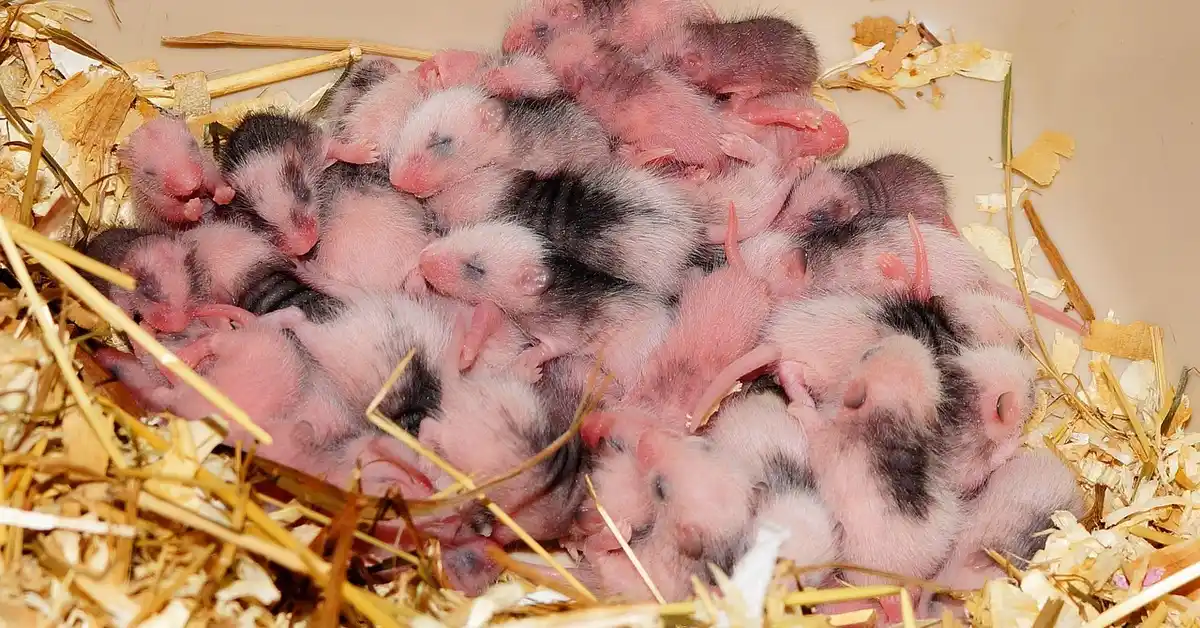
A healthy mouse nest resembles a soft, rounded ball with a small entrance hole, often tucked in a cozy corner of the cage. This snug structure provides warmth and security, reflecting your mouse’s natural instinct to create a safe haven. You’ll notice it’s made from materials they can easily shred and mold, like unscented paper or hay, forming a dense yet breathable interior. Adding small, untreated branches from safe woods can enrich the cage and provide chewable material for nesting. Be sure the wood is pesticide-free and not from toxic species.
Common components include shredded paper, untreated wood shavings, or hay, all chosen for their softness and insulation properties. Observing a well-built nest is a sign your mouse feels content and secure in their environment. In my experience, Gregory often weaves his nest tightly, using aged materials he’s carefully gathered over time.
- Shredded paper or cardboard
- Untreated hay or grass
- Soft wood shavings (aspen or hemp)
- Dried leaves or moss (if pesticide-free)
Best Nesting Materials for Your Pet Mice
Safe Paper-Based Nesting Options
Paper-based materials are excellent because they’re soft, absorbent, and easy for mice to manipulate. Always opt for unscented, ink-free paper to avoid any health risks from chemicals. I frequently use plain paper towels or shredded office paper, which my mice like Kenny enjoy tearing into perfect nest-sized pieces.
- Unbleached paper towels
- Shredded plain white paper
- Toilet paper or tissue rolls (unscented)
- Cardboard egg cartons (cut into small pieces)
What to Avoid: Unsafe Nesting Materials
Steer clear of materials that can cause choking, intestinal blockages, or respiratory issues. Avoid anything synthetic or scented, as these can irritate your mouse’s sensitive respiratory system. Items like cotton balls may seem fluffy but can tangle around limbs or be ingested dangerously.
- Cotton or synthetic fibers
- Scented or colored papers
- Plastic shreds or fabrics
- Cedar or pine shavings (due to aromatic oils)
How to Set Up Your Cage for Optimal Nest Building
Creating a Dedicated Nesting Area
Choose a quiet, draft-free corner of the cage away from food and water dishes to encourage nesting. Providing a small hide or cardboard box gives your mice a starting point to build their nest, making them feel more secure. I’ve found that placing a hide in a sheltered spot helps even shy mice like Jeffery start constructing confidently. For more setup tips and product recommendations, check out the ultimate guide to mouse cages. It covers cage types, bedding, enrichment, and placement advice in detail.
- Select a low-traffic area in the cage.
- Add a hideout or small box as a base.
- Ensure the spot is warm and not directly under light sources.
- Keep it separate from play areas to reduce disturbances.
How Much Material to Provide
Offer a generous handful of nesting material—enough for your mice to build a substantial nest without overcrowding the cage. Too little material can lead to incomplete nests, while excess might encourage hoarding or make cleaning difficult. Monitor how quickly they use it; I usually replenish when the nest looks flattened or soiled, which varies with active builders like Kenny. Nesting behavior is part of their natural life cycle and territorial instincts—wild mice build and defend nests for shelter and breeding. Providing appropriate material helps them express these behaviors and supports mating and rearing of young.
A good rule is to provide a pile roughly the size of your mouse’s body. Adjust based on your mice’s habits, as some may prefer more layers for insulation and comfort. Regular checks help you learn their preferences and keep the nest fresh.
Reading Your Mouse’s Nesting Behavior: What’s Normal and What’s Not
Normal Nesting Variations Between Individual Mice
Just like people, every mouse has their own unique interior design preferences. Observing how your mouse constructs its home offers a fascinating window into its personality and current mood. You’ll quickly notice that no two nests look the same, and that’s perfectly fine.
Some mice are minimalist architects, creating a simple, shallow scrape lined with a few choice materials. Others are elaborate builders, crafting multi-chambered, domed fortresses you can barely see into. My mouse Kenny, for instance, builds messy, sprawling nests that reflect his adventurous and impulsive nature-they look like they were constructed in a hurry between explorations. Unlike some mice nests in walls that are compact and concealed, Kenny’s nests are all over the place.
- The Speed Builder: Frantically gathers everything in sight, creating a hasty but functional pile. This is often a young, energetic mouse.
- The Meticulous Planner: Carefully selects and arranges each piece, often shredding materials into fine, fluffy bits before weaving them together. My older mouse, Gregory, is a master of this calm, deliberate style.
- The Hoarder: Builds a primary nest but also creates several smaller, satellite stashes of food and bedding around the cage.
- The Shy Interior Decorator: Prefers to build in the most enclosed, hidden space available, ensuring maximum privacy and security.
When Nesting Behavior Signals a Problem
While variety is the spice of life, certain changes in nesting habits can be a red flag. A sudden, drastic shift in how your mouse builds its nest is one of the clearest non-verbal ways it communicates distress or illness. Pay close attention to these deviations from their normal routine.
I once noticed my mouse Jeffery, who is usually a cheerful and attentive nest-builder, had completely stopped gathering materials. His usual cozy structure was just a flat, sad patch of bedding. This was my first clue he wasn’t feeling well, and a vet visit confirmed a minor respiratory issue we were able to quickly treat.
- Complete Cessation: A healthy mouse will almost always maintain a nest. A mouse that stops building entirely is likely stressed, ill, or too cold to muster the energy.
- Obsessive Over-building: Frantically building and rebuilding the nest, often with a frantic energy, can signal anxiety or an environmental stressor like a cage in a high-traffic area.
- Neglecting the Nest: A nest that becomes soiled with urine and feces is a major concern. Mice are naturally clean and will typically keep their sleeping area spotless.
- Barren Construction: If your mouse isn’t using the soft, shreddable materials you provide and is only sitting on hard bedding, it might have trouble manipulating items due to pain or injury.
The Mouse Nest Building Test: What It Tells You About Your Pet
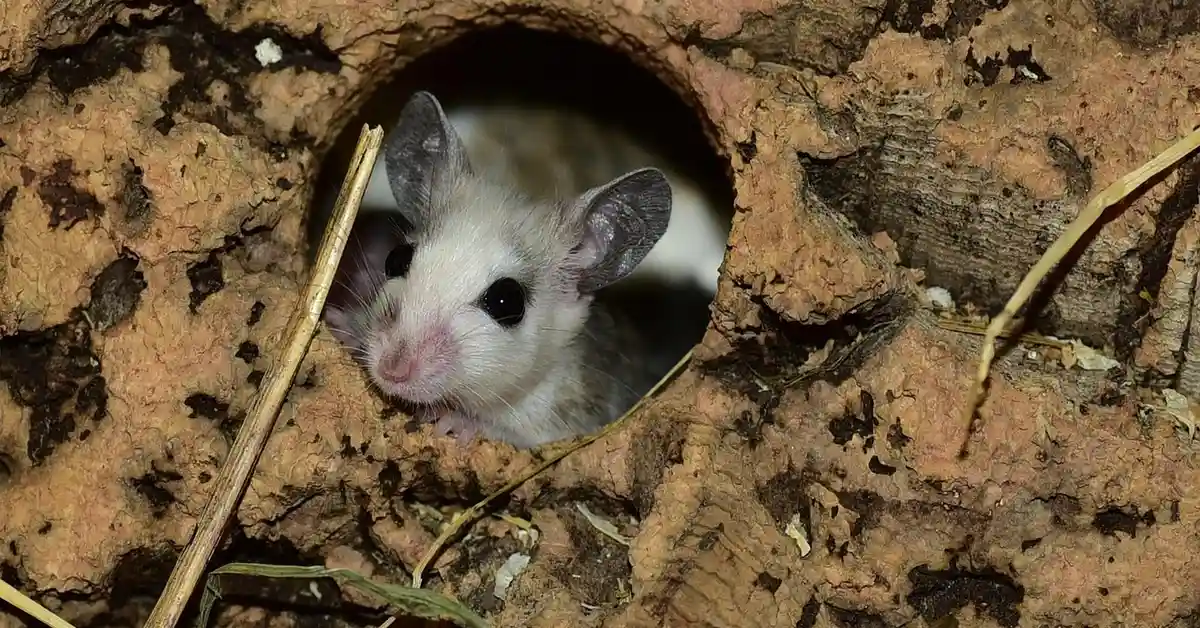
This simple, non-invasive test is a brilliant tool for any mouse owner. The concept is straightforward: you provide a standard amount of new nesting material and observe what your mouse does with it over a set period. This test gives you incredible insight into your mouse’s physical health, mental state, and inherent problem-solving skills. It’s an ideal, easy way to check your mouse’s health at home between vet visits. No special equipment is needed—just watch how your pet interacts with the nesting material.
I perform a casual version of this test every time I do a full cage clean. I give the boys a big pile of fresh, crinkly paper strips and watch who does what. Kenny immediately grabs the biggest piece he can find and drags it to his favorite corner. Gregory patiently waits for the frenzy to die down before methodically collecting what’s left.
How to Conduct a Simple Nest Building Test
- Choose a consistent, safe nesting material like unscented paper strips or tissues.
- After a cage clean, place a specific, generous amount (a good handful) in the center of the enclosure.
- Observe your mouse for the first hour. Note the initial reaction-is it curious, hesitant, or immediately enthusiastic?
- Check back after four hours. Has a nest been started? Is it a simple pile or a more complex shape?
- Make a final assessment after 24 hours. A well-built, domed nest that the mouse is sleeping in indicates a happy, healthy, and motivated rodent.
A high-quality nest after 24 hours is a strong sign of good welfare, showing your pet feels safe, healthy, and stimulated in its environment. A low score-a flat pile or ignored material-doesn’t automatically mean disaster, but it should prompt you to look closer at their habitat, diet, and overall behavior for other clues. It’s a conversation starter with your pet, one built not with words, but with paper and purpose.
Frequently Asked Questions
What is the mouse nest building test?
The mouse nest building test is a simple observational tool used to assess your pet’s well-being by providing a standard amount of safe nesting material and monitoring how they use it over 24 hours. A mouse that quickly and skillfully constructs a cozy, domed nest typically indicates good health and low stress, while neglect or poorly built structures might signal underlying issues worth investigating.
This test helps you gauge your mouse’s mental and physical state without invasive procedures. By noting their enthusiasm, material selection, and nest quality, you can identify changes in behavior early, allowing for prompt adjustments to their care or environment to ensure they remain happy and healthy.
How long does it take a mouse to build a nest?
A pet mouse can assemble a basic, functional nest in as little as 30 minutes to a couple of hours, depending on their motivation and energy levels. For instance, a mouse seeking immediate warmth or security might quickly gather materials into a simple pile for temporary shelter.
However, refining the nest into a well-structured, insulated home often continues over 24 to 48 hours, with ongoing maintenance as needed. Factors like age, personality, and available materials influence the pace, so don’t worry if your mouse takes its time to perfect their cozy retreat.
What does a house mouse nest look like?
A typical house mouse nest built by a pet in captivity appears as a soft, rounded ball or cup-shaped structure, often with a small entrance hole for access. It’s usually tucked away in a secluded, dark area of the habitat, providing a sense of security and warmth, much like a miniature burrow.
The nest is composed of shredded, soft materials such as unscented paper, hay, or bedding, woven together to form a dense yet breathable interior. A well-made nest reflects your mouse’s natural instincts and comfort, so variations in size and shape are normal based on individual preferences and the materials provided.
Final Thoughts
Watching your mouse meticulously construct its home from a pile of simple materials is one of the most rewarding parts of being a pet owner. Their architectural efforts are a clear window into their natural instincts, comfort levels, and overall well-being.
The best thing you can do is provide a variety of safe, cozy materials and then step back to appreciate the unique personality each mouse weaves into its nest. Pay close attention to their building style and material choices, as these small details tell you everything you need to know about their happiness and health.
Further Reading & Sources
- Assessing nest building in mice – PubMed
- What Does a Mouse Nest Look Like?
- Assessing nest building in mice | Nature Protocols
Isabella is a passionate small pet enthusiast with over 8 years of experience in caring for mice. She loves sharing practical tips and heartfelt stories to help fellow mouse owners provide the best care for their tiny companions.
Understanding Mice Behavior