
Special Nutritional Needs for Baby, Pregnant, Nursing, and Senior Mice
Have you ever felt uncertain about how to adjust your mouse’s diet during life’s most delicate stages, from infancy to old age? I’ve cared for mice through all these phases and will guide you with simple, reliable strategies to meet their unique dietary demands and keep them vibrant.
This article will detail the precise nutritional support required for growing baby mice, dietary boosts for pregnant and nursing mothers to promote health, and tailored feeding approaches for senior mice to enhance comfort and longevity.
How Mouse Nutritional Needs Change Throughout Their Lives
A mouse’s body is a dynamic engine, and the fuel it requires shifts dramatically from infancy to their golden years. What keeps a growing baby mouse thriving can overwhelm a senior’s delicate digestive system. Recognizing these life stage transitions is the first step to providing truly compassionate care.
Young mice are little bundles of explosive energy, building bone and muscle at an astonishing rate. Their diets must be protein-rich and calorie-dense to support this constant, frantic development. I always notice my youngest, Jeffery, burns through his food twice as fast as the others.
In contrast, mature adult mice need a balanced maintenance diet to stay sleek and healthy without gaining excess weight. This is the time for a stable, varied diet that prevents obesity while supplying all necessary vitamins and minerals. It’s the cornerstone of their long-term health. To prevent obesity, feed measured portions and limit high-fat treats. Provide daily exercise with running wheels and climbing toys to help them burn calories.
As mice enter their senior years, their metabolism slows and their bodies become more fragile. Senior mice often benefit from softer foods and targeted nutrients that support aging joints and organ function. My older mouse, Gregory, now prefers his veggies lightly steamed.
Feeding Neonatal and Baby Mice: Birth Through Weaning
The first weeks of a mouse’s life are a period of incredible vulnerability and rapid growth. Proper nutrition during this window literally builds the foundation for their entire future health. Every single nutrient counts when they are this small. Inadequate or imbalanced feeding during this time can cause lasting problems—weak immunity, poor bone development, and greater susceptibility to disease. That’s why diet has a powerful impact on your mouse’s long-term health.
Understanding the Weaning Diet Transition
Weaning is the gradual process of switching a baby mouse from its mother’s milk to solid food. This transition must be gentle and patient to avoid digestive upset and ensure they learn to eat confidently. Rushing this stage can lead to lifelong picky eating habits.
You will know the process is starting when you see the babies, around two to three weeks old, curiously nibbling on their mother’s food. Offer a high-quality, finely milled lab block or young rodent pellet soaked in a little water or kitten milk replacer to create a mushy, easy-to-eat paste. This soft texture is crucial for their tiny, inexperienced teeth.
- Start by offering a shallow dish of moistened food paste at around 14 days old.
- Continue to provide dry, solid food so they can explore and gnaw.
- Always ensure fresh water is available in a shallow, tip-proof dish they can easily access.
- The mother will still nurse them during this time; do not separate them.
- By four weeks old, they should be fully eating solid food and drinking water independently.
Hand-Feeding Orphaned Baby Mice
Finding yourself caring for an orphaned baby mouse is a challenging but deeply rewarding responsibility. Their survival depends on a strict, round-the-clock feeding schedule that mimics their natural nursing rhythm. Consistency and warmth are your most important tools. Raising orphaned mouse pups means providing formula feedings on a strict schedule, gentle warmth, and assistance with elimination until they can feed and regulate on their own. Contact a wildlife rehabilitator or veterinarian for specific instructions and supplies.
You will need a suitable milk replacer, as cow’s milk is not appropriate and can cause severe diarrhea. Kitten milk replacer (KMR) or a specifically formulated puppy/esbilac milk replacer, diluted as directed, is the safest and most nutritious option. I always keep a small can in my mouse-care kit for emergencies.
- Gently warm the milk replacer to roughly skin temperature-test a drop on your wrist.
- Use a tiny, dedicated paintbrush, a small syringe (without a needle), or a pet nursing bottle.
- Place the mouse on a soft towel and offer drops of milk, allowing it to swallow at its own pace.
- Feed every two hours, including throughout the night, for the first two weeks.
- After each feeding, you must gently stimulate their genital area with a warm, damp cotton ball to help them urinate and defecate, just as their mother would.
Nutritional Milestones for Growing Mice
Tracking a baby mouse’s development through its diet provides reassurance that they are on the right path. Each milestone, from opening their eyes to confidently crunching on a seed, is a celebration. Watching them grow is one of the most joyful parts of keeping mice. They usually leave the nest at about 3–4 weeks old, once they’re fully weaned and able to eat solid food on their own. Watching their eating habits helps you know when that time is coming.
- Birth to 2 Weeks: Relies entirely on mother’s milk or a suitable milk replacer. They will double or triple in size.
- 2 to 3 Weeks: Eyes and ears open. They begin to explore solid food. Offer moistened, high-protein food paste.
- 3 to 4 Weeks: Weaning is in full swing. They become more coordinated and will actively eat from the food dish.
- 4 to 6 Weeks: Weaning is complete. They are now juveniles and should be eating a standard, high-quality rodent diet with appropriate protein levels (around 16-18%).
- 6 Weeks+: Considered young adults. Their diet can now be the same as your adult mice, focusing on balance and variety to maintain their health.
Throughout this entire growth period, the protein content in their diet is non-negotiable. A diet too low in protein during these formative weeks can lead to stunted growth and a weaker immune system later in life. Their future resilience is built bite by tiny bite.
Supporting Pregnant Mice Through Gestation Nutrition

What Pregnant Mice Need in Their Daily Diet
A pregnant mouse is building an entire litter inside her, and her body needs extra fuel and specific building blocks to do it successfully. I always increase the protein content in their diet significantly, offering high-quality lab blocks as a base and supplementing with cooked, unseasoned chicken or scrambled egg for a boost. Her calcium needs also skyrocket to support developing tiny skeletons, so I provide small amounts of plain yogurt or a tiny bit of cheese.
- High-Protein Lab Block: This should remain the consistent foundation of her diet.
- Protein-Rich Supplements: Scrambled egg, cooked plain chicken, or mealworms several times a week.
- Calcium Sources: A small dab of plain yogurt, a bit of cottage cheese, or a crumble of aged cheddar.
- Constant Fresh Food: Her appetite will increase, so ensure her food dish is never empty.
- Hydration: A clean, full water bottle is non-negotiable for supporting increased blood volume.
Monitoring Weight Gain During Pregnancy
Watching her weight gives you a clear window into her health without being intrusive. A steady, gradual weight gain is the goal, not a sudden bulge that could indicate problems. I perform a simple weekly check by gently placing my mouse on a small kitchen scale; a gain of a few grams each week is perfectly normal as the pregnancy progresses.
- Establish a baseline weight before you suspect she is pregnant.
- Weigh her at the same time once a week to ensure consistency.
- Look for a smooth, pear-shaped expansion rather than a lumpy or asymmetrical one.
- If her weight suddenly plateaus or drops, it’s time for a vet consultation.
Nutritional Support for Nursing Mice During Lactation
Feeding Schedule and Portions for Lactating Mothers
A nursing mother is working harder than at any other point in her life, producing milk around the clock for her growing pups. During this period, I move from scheduled meals to an ‘all-you-can-eat’ buffet style, keeping her main dish overflowing with high-quality food at all times. Her energy demands are immense, and she should never have to search for her next meal.
- Unlimited Lab Blocks: Her primary food source must be available 24/7.
- Frequent Protein Boosts: Offer high-value treats like mealworms, egg, or chicken daily.
- High-Fat Seeds: Sunflower and pumpkin seeds provide concentrated energy.
- Wet Foods for Hydration: Cucumber slices and small pieces of watermelon help keep her fluids up.
Signs Your Nursing Mouse Needs More Nutritional Support
Even with the best provisions, some mothers can struggle to keep up with the demands of their litter. Watch for a ruffled, unkempt coat and visible spine or hip bones, as these are clear indicators her body is consuming its own resources. A lethargic mouse who seems less interested in her pups or food is sending a major distress signal that requires immediate attention, potentially including vet-prescribed supplements.
- Visible Weight Loss: A prominently bony back or hips.
- Poor Coat Condition: Fur looks scruffy, thin, or lacks its usual shine.
- Lethargy and Weakness: She spends most of her time away from the nest and seems slow.
- Decreased Milk Production: Pups are constantly squeaking and appear thin.
Adjusting Diet for Senior Mice Health and Comfort
Age-Specific Feeding Modifications for Older Mice
As mice like my Gregory enter their golden months, their metabolism slows and their bodies become less efficient at processing food. I gently reduce the fat content in their overall diet to prevent unhealthy weight gain, which puts extra strain on aging joints and organs. Softer foods become incredibly important for mice with worn or sensitive teeth, so I often moisten their lab blocks with a little water or offer easy-to-eat alternatives.
- Softer Textures: Moisten lab blocks, offer oatmeal, or provide soft cooked vegetables.
- Leaner Protein: Focus on lean poultry or fish over fatty insects or seeds.
- Hydration Focus: Ensure easy access to water, sometimes offering water-rich foods like cucumber.
- Smaller, More Frequent Meals: This is easier on their slower digestive systems.
Preventing Common Nutritional Problems in Senior Mice
Proactive care is the best medicine for an older mouse. Keeping a senior mouse at a healthy weight is one of the most impactful things you can do to support their mobility and overall quality of life. I also pay close attention to their fiber intake to keep their digestive system running smoothly, as constipation can become a common and uncomfortable issue. These practices are central to a senior mouse care guide for the golden months, helping ensure comfort and vitality. Small, consistent adjustments can make a big difference as your mouse ages.
- Weight Management: Monitor their body condition weekly to prevent obesity.
- Digestive Aid: Include small amounts of fiber-rich foods like cooked pumpkin or pear.
- Joint Support: Foods with natural anti-inflammatory properties, like a tiny bit of flaxseed, can help.
- Dental Check-ins: Regularly check that they are eating comfortably and not dropping food.
Essential Nutrients Across All Life Stages
Protein and Energy Requirements by Life Stage
A mouse’s need for fuel and building blocks shifts dramatically from infancy to old age. Young, growing mice and expectant mothers operate like high-performance engines, requiring significantly more protein and calories to support rapid development and milk production. My young mouse, Jeffery, for instance, goes through his food with an urgency my older mouse, Gregory, simply doesn’t exhibit.
- Baby & Juvenile Mice (Weaning to 8 weeks): Require a diet with 18-20% protein to fuel explosive growth and bone formation.
- Pregnant & Nursing Mothers: Need the highest protein intake, around 20-22%, to build healthy litters and produce nutrient-rich milk.
- Adult Mice (8 weeks to 12 months): Thrive on a maintenance level of 14-16% protein to support organ function and daily activity.
- Senior Mice (12+ months): Often do best with a slight protein increase back to 16-18% to help combat age-related muscle loss, provided their kidneys are healthy.
Calcium, Phosphorus, and Bone Development
Think of calcium and phosphorus as a delicate dance partners in your mouse’s body. The correct balance between calcium and phosphorus-ideally between 1:1 and 2:1-is absolutely non-negotiable for building strong skeletons in the young and preventing brittle bones in the old. An imbalance can lead to severe skeletal problems.
- Offer small amounts of high-calcium, low-phosphorus fresh foods like broccoli florets and plain, cooked kale.
- Avoid seeds like sunflower and pumpkin as staple foods; they are high in phosphorus and disrupt calcium absorption.
- For pregnant and nursing mothers, a tiny bit of plain yogurt or a crumble of hard-boiled eggshell can provide a safe calcium boost.
- Senior mice benefit from these gentle calcium sources to maintain bone density as their bodies become less efficient at utilizing nutrients.
Choosing and Using Commercial Diets for Special Cases
Supplementing with Fresh Foods Safely
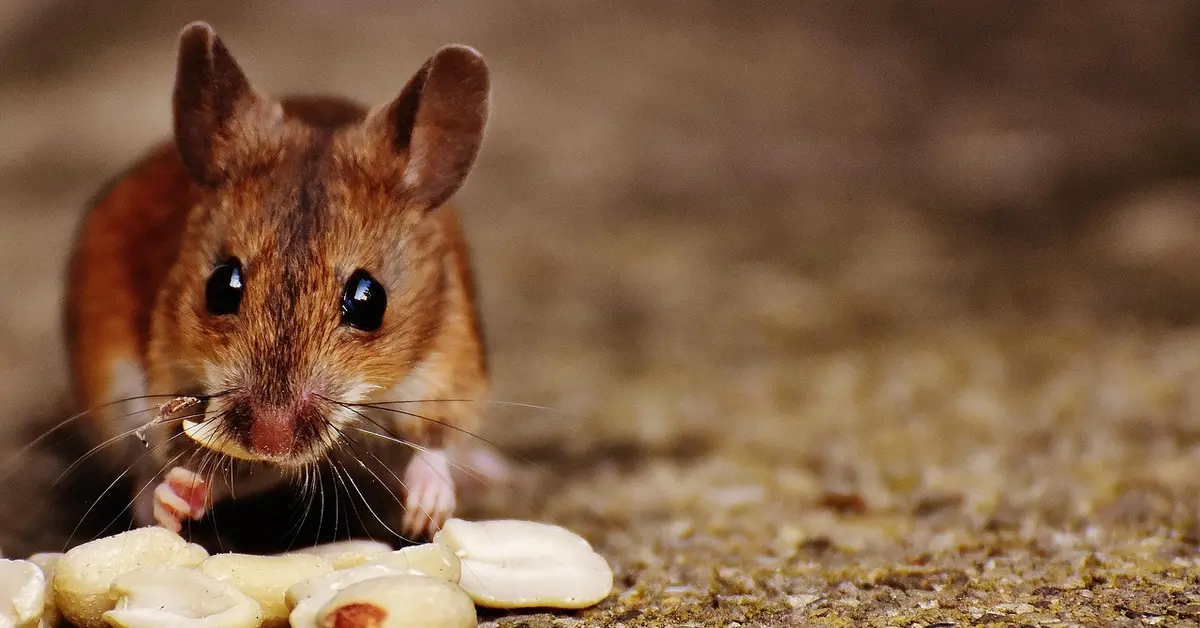
A high-quality commercial block or lab pellet should form the bedrock of your mouse’s diet, providing complete and balanced nutrition. Fresh foods are wonderful supplements, but they should be treated as tiny, occasional treasures, not meal replacements. I offer my trio a thumbnail-sized portion of one safe vegetable, like a bit of pea or a sliver of carrot, just a few times a week. Stick to mouse-safe vegetables — small bits of peas, carrot, cucumber or leafy greens — and avoid toxic foods like onion, garlic, avocado or rhubarb. Always wash and serve them plain, and remove uneaten portions promptly.
- Always introduce one new food at a time and wait 24 hours to check for any digestive upset.
- Wash all fruits and vegetables thoroughly to remove pesticide residues.
- Cut food into pieces smaller than your mouse’s head to prevent choking and hoarding.
- Remove any uneaten fresh food from the enclosure within a few hours to prevent spoilage.
When to Use Nutritional Supplements
Most mice on a proper diet do not need extra vitamins or minerals sprinkled on their food. Routine supplementation can actually be harmful, leading to dangerous toxicities, especially with fat-soluble vitamins. There are, however, specific situations where a vet may recommend a supplement. When it comes to pet mice supplements and vitamins, only targeted, veterinarian-prescribed products should be used. Examples include recommendations for young, pregnant, nursing, or recovering mice.
- A nursing mother struggling to produce enough milk for a large litter.
- A senior mouse, like my Gregory, who has become a very picky eater and is losing weight.
- A mouse recovering from a serious illness or surgery, under direct veterinary guidance.
- Never provide supplements containing antibiotics or intended for other animal species.
Recognizing and Addressing Nutritional Problems
Weight Monitoring Guidelines for Each Life Stage
Your hands and eyes are your most powerful tools for tracking your mouse’s health. Get into the simple habit of weighing your mouse weekly with a small digital gram scale; this objective data is far more reliable than just looking at them. Because mice hide illness well, weekly weighing creates a reliable baseline so even a small loss can be noticed early and acted on. A sudden change, even just a few grams, can be an early warning sign.
- Babies & Juveniles: You should see a steady, consistent weight gain week after week.
- Adults: Weight should remain relatively stable, with minor fluctuations.
- Pregnant Females: Expect a obvious and rapid weight gain, especially in the later stages.
- Seniors: Be vigilant for a slow, gradual decline, which can signal an underlying issue.
When Your Mouse Needs Veterinary Attention
You know your mouse’s normal behavior and body condition better than anyone. Trust your instincts-if something seems off with your mouse’s eating habits or body condition, it is always better to seek professional advice sooner rather than later. Mice are masters at hiding weakness, so visible symptoms often mean the problem is advanced.
- A complete loss of appetite for more than 12 hours.
- Rapid, unexplained weight loss or a visibly bony spine and hips.
- Difficulty moving, a hunched posture, or signs of pain.
- Lethargy that lasts for more than a day, especially in a normally active mouse like my Kenny.
- Any signs of diarrhea, bloating, or a wet, stained bottom.
Frequently Asked Questions
Is there a downloadable PDF guide for mice lifecycle nutrition?
Yes, downloadable PDF guides on mice lifecycle nutrition are available from reputable sources like veterinary websites, pet care organizations, and rodent enthusiast forums. These PDFs often summarize key nutritional facts, life stage requirements, and feeding tips in a concise, printable format for easy reference. Always ensure the source is credible and up-to-date to avoid misinformation.
How can I use digital tools like Quizlet to reinforce my knowledge of mice lifecycle nutrition?
Digital tools like Quizlet can help you create flashcards and quizzes based on the nutritional concepts covered in this article, such as protein needs for babies or calcium sources for seniors. By testing yourself on terms and facts, you can improve retention and quickly identify areas where you need more study, making it a fun and effective way to master mice care basics.
Are there worksheets available to help track my mouse’s nutritional needs throughout its life?
Yes, you can find or create worksheets designed to monitor your mouse’s dietary changes, such as templates for logging weight, food intake, and supplement use across different life stages. These worksheets help you spot trends, ensure proper nutrition during transitions like weaning or aging, and provide useful records to share with a veterinarian if concerns arise.
Your Path Forward
Caring for mice through their different life stages is a deeply rewarding part of pet ownership. Providing the right nutritional support for babies, pregnant or nursing mothers, and senior companions helps ensure they not only survive, but truly thrive during these sensitive times. This is especially true for harvest mice kept as pets, whose small size and natural behaviors mean they benefit from tailored diets and gentle handling. Understanding their specific needs makes a big difference in keeping them healthy and content.
The most important tool you have is your own observation. Use these guidelines as a foundation, but always watch your mouse’s energy, weight, and overall condition, letting their individual needs guide your final decisions. To help you put observation into practice, use a simple daily mouse care checklist with 5 quick tips. These straightforward checks make it easy to monitor changes and act early when something seems off.
Further Reading & Sources
- Nutrient Requirements of the Mouse – Nutrient Requirements of Laboratory Animals – NCBI Bookshelf
- AFRMA – Beginners’ Corner – Mineral & Protein Requirements in Mice
- What Do Mice Eat? | Chewy
Isabella is a passionate small pet enthusiast with over 8 years of experience in caring for mice. She loves sharing practical tips and heartfelt stories to help fellow mouse owners provide the best care for their tiny companions.
Diet Basics