
The History and Meaning of Fancy Mice
Have you ever gazed at a pet mouse and questioned why they’re called “fancy” in the first place? This guide will walk you through the intriguing story behind these captivating creatures, offering a straightforward look at how they became cherished pets.
We will explore the origins of the term “fancy mice,” trace their historical journey, and uncover what makes them distinct from their wild counterparts.
What Makes a Mouse “Fancy”?
The term “fancy” has nothing to do with being expensive or overly decorative. A “fancy” mouse is simply a domesticated house mouse, selectively bred over generations for specific traits that appeal to humans as companions. These are not the wild mice you might find in a garden shed; they are a human-created variety, shaped by our preferences for appearance and temperament.
Think of it as the difference between a wild wolf and a friendly, floppy-eared Beagle. Both are canines, but one exists in its natural state, while the other has been developed for life alongside people. The core of a fancy mouse’s identity is its deliberate separation from its wild ancestry through controlled breeding. That distinction is important when consulting a guide to exotic pet mouse species, since domesticated fancy mice differ in temperament, care needs, and legal considerations from wild or exotic mice. A good guide will help you understand those differences so you can choose the right species for your experience and lifestyle.
Key Characteristics of Fancy Mice
- Diverse Coats: They boast an incredible array of colors and patterns, from solid black and white to spotted, brindle, and even satin-coated varieties that shimmer.
- Docile Temperament: Generations of breeding have favored calmer, more curious mice that are less prone to the skittishness of their wild cousins.
- Unique Physical Traits: This includes features like large, prominent “Dumbo” ears, long or short-hair (angora) coats, and even tailless varieties.
- Reliance on Humans: They thrive in captivity and form genuine bonds with their caretakers, something wild mice are not inclined to do.
In my own mischief, Gregory’s calm, dark brown demeanor is a classic example of the stable temperament breeders aim for, while Jeffery’s bright white coat is a direct result of this selective color breeding. Every fancy mouse, from the most common to the most rare, is a living piece of this ongoing history.
Where Did Fancy Mice Originate?
The story of the fancy mouse begins not in a pet store, but in the cabinets and cages of 19th-century hobbyists. Japan and China are widely credited with the earliest known selective breeding of mice for their aesthetic qualities, keeping them as pets as far back as the 1700s. These mice were valued for their unique colors and patterns, much like prized ornamental goldfish.
These Asian varieties eventually found their way to Europe, sparking a new wave of interest. It was in Victorian England, however, that the hobby truly became organized and the term “fancy” was cemented into the lexicon. The mice were no longer just novelties; they became a passion.
The Victorian Era and Mouse Fancy Clubs
The Victorians had a fascination with collecting, categorizing, and “improving” nature. This era saw the rise of “mouse fancying” as a formal hobby, complete with its own dedicated clubs and competitive shows. Enthusiasts, much like dog or pigeon fanciers, would gather to present their best-bred mice.
- The National Mouse Club: Established in England in 1895, this was one of the first formal bodies to create a “standard of perfection”-a detailed guideline describing the ideal appearance for each color and marking variety.
- Competitive Shows: Mice were judged on the precision of their markings, the richness of their coat color, their body conformation, and overall health and condition.
- Meticulous Record-Keeping: Breeders kept detailed pedigrees of their lines, carefully selecting which mice to pair to enhance desired traits in the next generation.
This structured, competitive environment accelerated the development of the many distinct fancy mouse varieties we know today. It transformed the mouse from a simple pet into a show animal and a testament to the breeder’s skill. It reflects a larger arc from pest to pet. Tracing that domestication history shows how human contact and selective breeding reshaped the mouse.
How Fancy Mice Came to Modern Pet Keeping
The transition from a niche Victorian hobby to a mainstream pet happened gradually over the 20th century. After World War II, mice began to be bred less for intense competition and more consistently for the pet trade, with a greater emphasis on gentle temperament. They became a common and affordable pet for children and adults alike.
The laboratory also played a surprising role. Many of the standardized, genetically consistent lines of mice used in scientific research actually descended from these fancy mouse stocks. This relationship ensured that a wealth of knowledge about mouse genetics, health, and care continued to develop.
Today, the legacy of the Victorian fanciers lives on in every pet mouse. When you bring home a curious, velvet-furred mouse like my Kenny, you are welcoming a companion with a rich and deliberate history. Modern breeders and pet owners are the current caretakers of this tradition, prioritizing health, happiness, and the sheer joy these little creatures bring into our homes.
The Rich History Behind Fancy Mouse Breeding
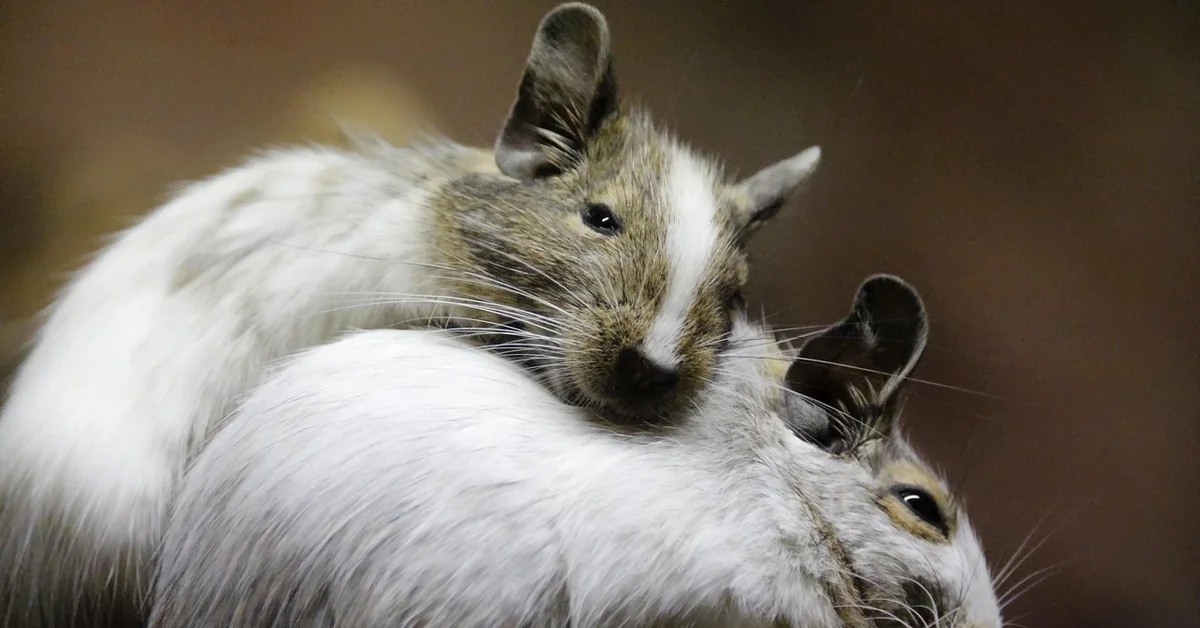
The story of the fancy mouse begins not in pet stores, but in the curiosity cabinets and breeding cages of 18th and 19th-century Japan and China. Enthusiasts in these cultures selectively bred wild house mice for their unique and aesthetically pleasing color variations, creating the first documented “fancy” specimens. These prized animals were not common pets but were kept by collectors and fanciers who appreciated their beauty.
By the Victorian era, the hobby had spread to Europe, particularly England, where “mouse fancying” became a popular pastime. The term “fancy” itself is a Victorian-era word meaning “to like” or “to have a taste for,” perfectly describing the hobbyists who developed a passion for these creatures. I’ve always found it fascinating that my mice, like Kenny and Gregory, are the direct descendants of those first intentionally bred lines, their history woven into their very genes.
Understanding Fancy Mouse Coat Varieties and Colors
The sheer diversity of fancy mice is a direct result of centuries of selective breeding for specific genetic traits. Unlike their wild agouti-colored cousins, fancy mice display a breathtaking palette of colors, patterns, and even coat textures. This genetic artistry means no two mice are exactly alike, and learning to identify the varieties is a rewarding part of ownership. Understanding the genetics behind these traits—particularly the B, C, D, and P loci—reveals why certain colors and patterns appear. Learning how alleles at these loci interact makes visual identification more informative.
Common Colors and Patterns in Fancy Mice
When you first explore the world of fancy mice, the terminology can seem overwhelming, but it’s simply a way to describe their beautiful markings. Recognizing these patterns helps you appreciate the specific genetic heritage of your own pet mouse. This pet mouse colors and markings guide will help you identify common varieties and understand what their patterns mean. Use the descriptions below to match what you see in your own mouse. Here are some of the most frequent varieties you will encounter:
- Self: A single, solid color across the entire body. Common self colors include black, white, chocolate, and blue (which is actually a slate gray).
- Marked: Mice with specific white markings on a colored base. This includes the “Broken” pattern, which is random white patches, much like a pinto horse.
- Ticked: Each hair is banded with multiple colors, creating a speckled or “salt-and-pepper” effect. The classic agouti, which mimics the wild coat, is a ticked pattern.
- Tan: These mice have a dark back (like black or chocolate) with a bright, creamy-tan belly and jaw line, creating a striking two-tone appearance.
- Silvered: White-tipped hairs are evenly distributed over a colored coat, giving the mouse a frosted or shimmering look.
What Are Mouse Morphs and Mutations?
Beyond colors and patterns, “morph” refers to any genetic mutation that alters the mouse’s physical appearance. A morph is simply a naturally occurring genetic change that breeders have chosen to stabilize and propagate. These mutations are the building blocks for the incredible diversity we see today.
- Coat Type Morphs: This includes genes for satin (exceptionally shiny fur), rex (wavy, curly fur and whiskers), and even hairless.
- Color Morphs: Genes like dilution lighten the base coat color, turning black into blue or chocolate into lilac.
- Pattern Morphs: The brindle gene, for instance, creates a tortoiseshell-like pattern of dark and light patches that can change throughout the mouse’s life.
My mouse Kenny is a standard agouti, but his impulsive nature makes him seem like his own unique morph altogether. It’s vital to remember that while some morphs are simply cosmetic, others can be linked to health considerations, so always source your mice from responsible, knowledgeable breeders.
Types and Varieties of Fancy Mice You’ll Encounter
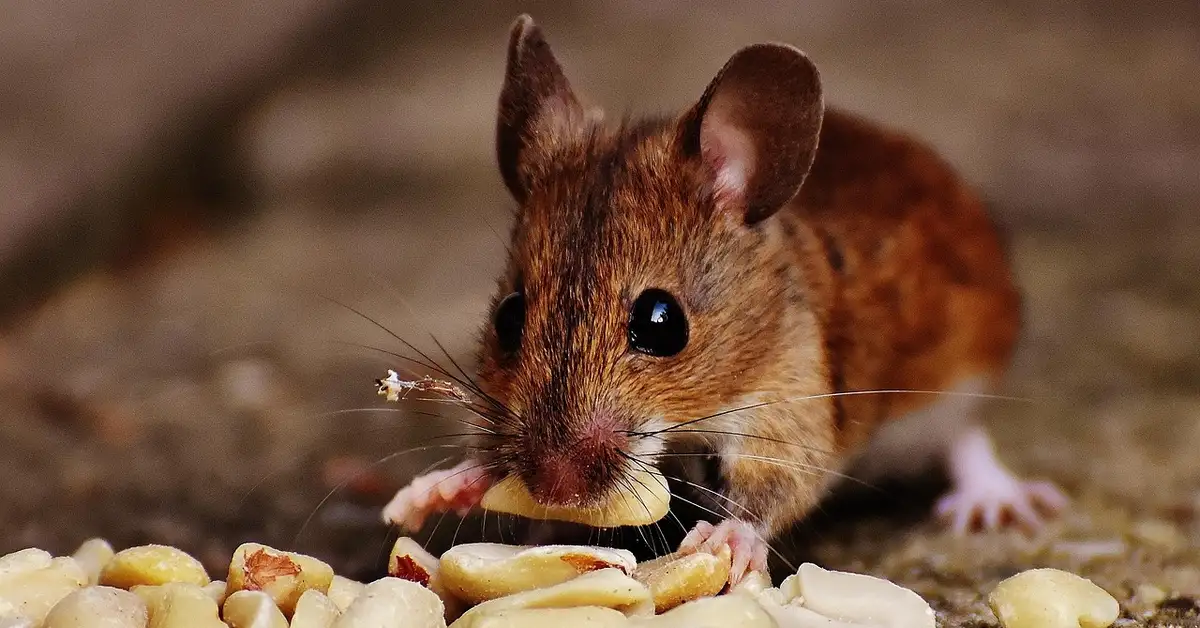
Walking into a community of mouse fanciers introduces you to a world of specialized language and idealized forms. The types of fancy mice are generally categorized by their adherence to a “standard of perfection” set by enthusiast clubs. This standard defines the ideal appearance for each variety.
Show Standards for Fancy Mice
For those deeply involved in the fancy, mice are often bred and raised for competition. Show standards are meticulous guidelines that judge a mouse on type, color, pattern, and condition, rewarding those that best represent the ideal for their variety. While my mice are beloved pets and not show animals, understanding these standards helps me appreciate their form and lineage.
- Type and Conformation: Judges look for a well-proportioned body-a gentle curve from nose to tail, with broad shoulders and a full, rounded rear. My older mouse, Gregory, has this classic, sturdy build.
- Color and Pattern Clarity: The color must be rich and even, and any markings must be symmetrical and sharply defined according to the variety’s rules.
- Coat Condition: The fur should be clean, dense, and lie smoothly against the body, indicating excellent health and grooming.
- Ears and Eyes: Large, rounded, “tulip-shaped” ears and bright, bold eyes are highly valued traits that contribute to an alert and “mousy” expression.
Jeffery, with his cheerful white coat, would be judged as a “Self” mouse, where the pure, unblemished white would be paramount. The ultimate goal of these standards is not just beauty, but the preservation and improvement of healthy, well-defined mouse varieties for future generations to enjoy.
Fancy Mice in Modern Mouse Care
Today’s definition of a fancy mouse is a delightful blend of aesthetics and temperament. These are not wild creatures but domesticated companions, selectively bred over generations for their gentle nature and captivating looks. Their needs are distinct from their wild cousins, requiring a thoughtful approach to habitat, diet, and social life. Understanding fancy mouse breeds—their coat types, color varieties, and typical temperaments—helps owners choose and care for the right companion. That awareness makes it easier to meet breed-specific needs and build a strong bond.
I’ve found that modern fancy mice thrive on predictability and enrichment. My own trio, Kenny, Gregory, and Jeffery, perfectly illustrate the spectrum of personalities you might encounter. Watching how they react differently to the same situations raises the question: do mice have individual personalities? Their consistent, distinct behaviors suggest they do. Providing a stable environment with plenty of hiding spots and things to chew is non-negotiable for their mental well-being. A nervous mouse without a safe place to retreat is a stressed mouse, and that can lead to health issues.
Core Components of Contemporary Care
- Social Housing: Fancy mice are profoundly social and must live in same-sex groups. Solitary living causes deep distress.
- Nutrient-Rich Diet: A high-quality lab block forms the dietary backbone, supplemented with tiny amounts of fresh vegetables, grains, and the occasional treat.
- Spacious & Secure Enclosure: A large tank or cage with a solid base and a secure, ventilated lid is paramount. Bar spacing must be extremely narrow to prevent escapes.
- Deep Bedding: Several inches of safe, absorbent bedding like aspen shavings or paper-based products allow for their instinctual burrowing behavior.
- Constant Enrichment: A rotation of wheels, tunnels, ropes, and climbing structures prevents boredom and encourages natural activity.
Finding and Identifying Fancy Mouse Varieties
Locating these charming pets requires a bit more effort than a typical pet store visit. Your best and most ethical sources are responsible breeders and small animal rescues, where the focus is on health and temperament. Pet stores often source from large-scale mills where genetic health and early socialization are not priorities.
When you look at a fancy mouse, you’re seeing a living work of art defined by several characteristics. Identification involves observing a combination of coat type, color, pattern, and even ear and eye features. The variety is truly astonishing, far beyond the simple “white mouse” image many people hold. One common and elegant category is solid-colored mice, which display a uniform coat without markings. Recognizing solids helps when comparing hues and breeds across the broader range of patterns.
Key Identification Markers
- Coat Type: Standard smooth coat, long-haired “angora,” satin (with a glossy sheen), or even rex (with wavy fur).
- Color: Ranges from self-colors like black, chocolate, and lilac to more complex shades like dove and silver.
- Pattern: Includes marked patterns like broken (random spots), banded, and even-headed.
- Ear & Eye Type: Standard ears or the distinctive large “Dumbo” ears; eye colors include black, pink, ruby, and odd-eyed.
Your Sourcing Checklist
- Seek out reputable breeders who can provide a lineage history and are transparent about their practices.
- Contact local rodent rescues; they often have wonderful mice of all ages needing forever homes.
- Always observe the potential pet in its current environment. Look for bright eyes, a clean coat, and curious, active behavior.
- Ask questions about the mouse’s age, health history, and how it interacts with its cage mates.
- Avoid any source that cannot give you clear, confident answers about the animal’s care and background.
Meeting my mouse Gregory for the first time, his calm demeanor and wise eyes told me more than any pedigree paper could. Choosing a mouse is as much about a connection you feel as it is about checking the boxes for a specific variety. The right mouse will find you, whether it’s a bold explorer like Kenny or a gentle soul like Jeffery.
Frequently Asked Questions
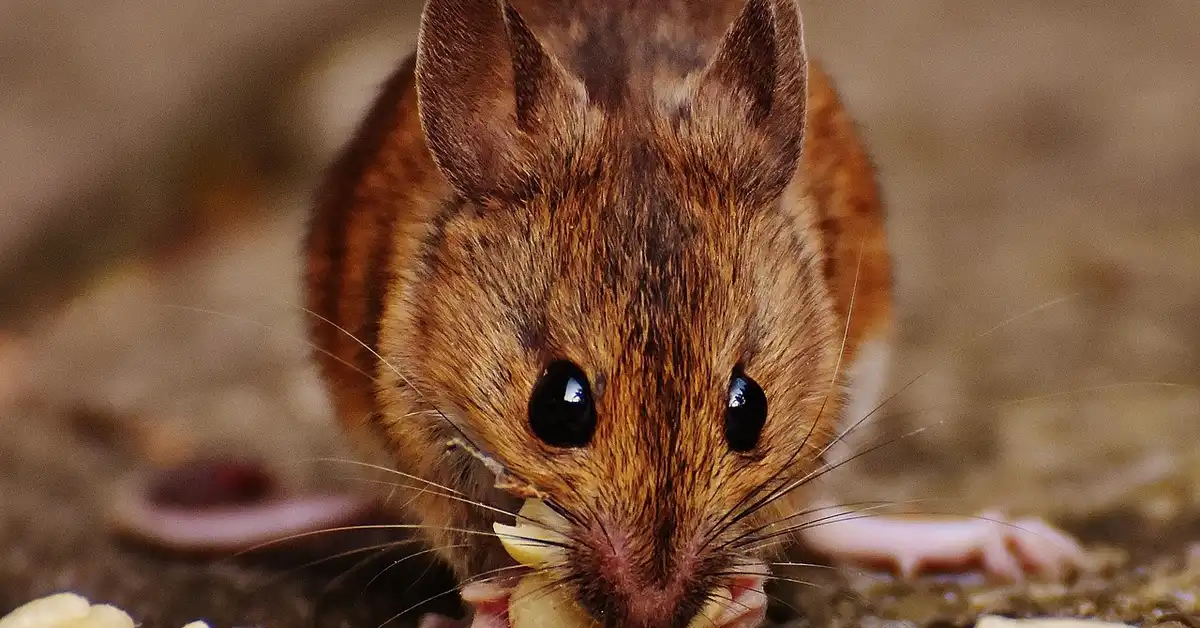
What are some facts about fancy mice?
Fancy mice have an average lifespan of 1.5 to 2.5 years and are highly intelligent, capable of learning tricks and navigating mazes. They are social animals that thrive in same-sex groups and communicate through ultrasonic vocalizations, which are inaudible to humans, to express emotions and establish hierarchy.
These mice have continuously growing incisors, so providing chew toys is essential to prevent overgrowth. They are also prolific breeders, with females able to have litters of up to 12 pups every three weeks, which is why responsible ownership involves housing males and females separately unless intended for breeding by experts.
Where can I find pictures of fancy mice?
You can find extensive galleries of fancy mice on dedicated websites like the National Mouse Club or the American Fancy Rat and Mouse Association, which showcase various breeds and colors. Social media platforms such as Instagram, Pinterest, and Facebook groups focused on rodent pets often feature user-submitted photos and breeder portfolios.
Additionally, reputable breeders frequently maintain websites with images of their available mice, and online forums or communities for small pet enthusiasts are great places to see real-life examples and ask for specific variety references.
What are the types of fancy mice?
Fancy mice are categorized primarily by physical traits such as coat type, ear shape, and color patterns, rather than distinct breeds. Common types include those with standard smooth coats, satin coats that have a glossy shine, rex coats with wavy fur, and long-haired varieties like angora. Ear types divide them into standard-eared and Dumbo-eared mice, the latter having larger, rounder ears set lower on the head.
Beyond coat and ear variations, mice are classified by their color patterns, such as self (solid color), marked (with white patches), or ticked (banded hairs). These categories help enthusiasts identify and appreciate the diversity, but all share the same basic care needs and domestication history.
Your Journey with Fancy Mice
From their origins as Victorian curiosities to the beloved companions they are today, fancy mice carry a rich legacy of selective care and admiration. In Victorian England, a “mouse craze” led enthusiasts to breed and exhibit ornate varieties, helping to shape the strains and keeping practices still valued today. Their history is not just a record of the past, but a living guide to appreciating the unique creatures sharing your home.
Every choice you make, from their habitat setup to your daily interactions, continues this tradition of dedicated stewardship. Embrace this role with confidence, knowing you are providing a wonderful life for a truly remarkable animal.
Further Reading & Sources
- AFRMA – The History of Fancy Mice
- Fancy mouse – Wikipedia
- A History of Mouse Genetics: From Fancy Mice to Mutations in Every Gene – PubMed
Isabella is a passionate small pet enthusiast with over 8 years of experience in caring for mice. She loves sharing practical tips and heartfelt stories to help fellow mouse owners provide the best care for their tiny companions.
Mice Breeds & Varieties