
Is Your Small Mammal Dehydrated? How to Spot the Signs Fast
Have you noticed your tiny companion acting a little off, perhaps quieter or less energetic than usual? It’s a worrying feeling, and dehydration can be a stealthy culprit. This guide will help you become a confident detective, teaching you exactly what to look for so you can protect your pet’s health.
We will cover the subtle early warnings that are easy to miss, the unmistakable emergency signs requiring immediate vet care, and the safe rehydration techniques you can use at home.
Early Warning Signs Your Mouse Needs Water
Changes in Energy and Behavior
You might notice your mouse acting unusually sluggish or disinterested in activities it normally enjoys. A sudden drop in playfulness or exploration, especially in a typically curious mouse like my Kenny, can be a red flag that hydration levels are low. Watch for reduced interaction with cage mates or toys, and pay attention if your pet starts hiding more frequently instead of engaging with its environment.
Changes in eating habits often accompany shifts in energy. If your mouse avoids its favorite treats or shows little excitement during feeding times, this could signal that something is off, possibly linked to inadequate water intake. I’ve observed that even a cheerful mouse like Jeffery becomes noticeably quieter and less eager when he’s not feeling his best. That difference highlights why it’s important to tell lethargy from simple relaxation: a relaxed mouse will still perk up for treats or gentle handling, while a tired or sick mouse stays withdrawn and slow to respond. Watch for other signs such as hunched posture, poor grooming, or labored breathing—if you notice these, consult a veterinarian.
- Lethargy or prolonged periods of inactivity
- Decreased grooming, leading to a messy appearance
- Reluctance to move around the cage or use exercise wheels
- Reduced social behavior, such as avoiding other mice
Physical Appearance Clues
A dehydrated mouse often shows visible changes in its coat and body condition. The fur may appear dull, rough, or slightly unkempt because proper hydration is essential for maintaining a soft, shiny coat. You might also notice the skin looking tighter or less supple, which can make your pet seem thinner or more fragile than usual.
Check for subtle weight loss or a more prominent backbone and hip bones. In my experience, a well-hydrated mouse like Gregory maintains a plump, healthy look, while dehydration can cause a noticeable loss of that rounded physique. The overall body might feel cooler to the touch, and the mouse could seem less vibrant.
- Dull, ruffled, or greasy-looking fur
- Visible skin dryness or flakiness
- Weight loss making bones more prominent
- Reduced body warmth when gently handled
Physical Tests You Can Do at Home
The Skin Tent Test for Reduced Skin Elasticity
Gently pinch a small fold of skin on the back of your mouse’s neck or between the shoulder blades, then release it. A well-hydrated mouse’s skin will snap back into place almost instantly, while dehydrated skin may stay tented or return slowly. This test helps you gauge fluid levels without any special tools, and I always perform it calmly to avoid stressing my mice.
Be sure to handle your mouse with care and only perform this test when your pet is relaxed. If the skin takes more than a second or two to flatten, it’s a strong indicator that your mouse needs more water and possibly veterinary attention. Practice on a healthy mouse first to understand what normal elasticity feels like.
- Wash and dry your hands to ensure cleanliness.
- Hold your mouse securely but gently in one hand.
- Pinch a small skin fold on the neck or back lightly.
- Observe how quickly the skin returns to its original position.
- Note any delay as a potential sign of dehydration.
Checking Mucous Membranes and Gums
Lift your mouse’s upper lip gently to expose the gums and inner mouth area. Healthy gums should appear moist and pink, while dehydration can cause them to look dry, pale, or sticky. This quick check gives you insight into your mouse’s hydration status and overall well-being.
Use a soft touch and avoid causing discomfort. If the gums feel tacky or lack their usual slickness, it’s a clear sign that your mouse isn’t getting enough fluids. I often pair this with offering a drop of water to see if the mouse shows interest, which can confirm my suspicions.
- Moist, pink gums indicate good hydration
- Dry, pale, or white gums suggest dehydration
- Sticky or tacky texture when touched lightly
- Reduced saliva production in the mouth
Looking for Sunken Eyes and Eye Changes
Examine your mouse’s eyes for any sinking or dullness in appearance. Well-hydrated mice have bright, alert eyes that sit normally in their sockets, but dehydration can cause the eyes to look recessed or less shiny. This change is often subtle, so compare with how your mouse usually looks.
Notice if the eyes seem smaller or if the surrounding skin appears tighter. In my years of care, I’ve found that sunken eyes are a late sign of dehydration, so catching this early can help you act quickly to rehydrate your pet. Always observe your mouse in good lighting to spot these details accurately.
- Eyes that appear recessed or deeper set
- Loss of normal eye brightness or sparkle
- Tight skin around the eye sockets
- Reduced blinking or eye movement
Advanced Dehydration Symptoms That Need Immediate Attention
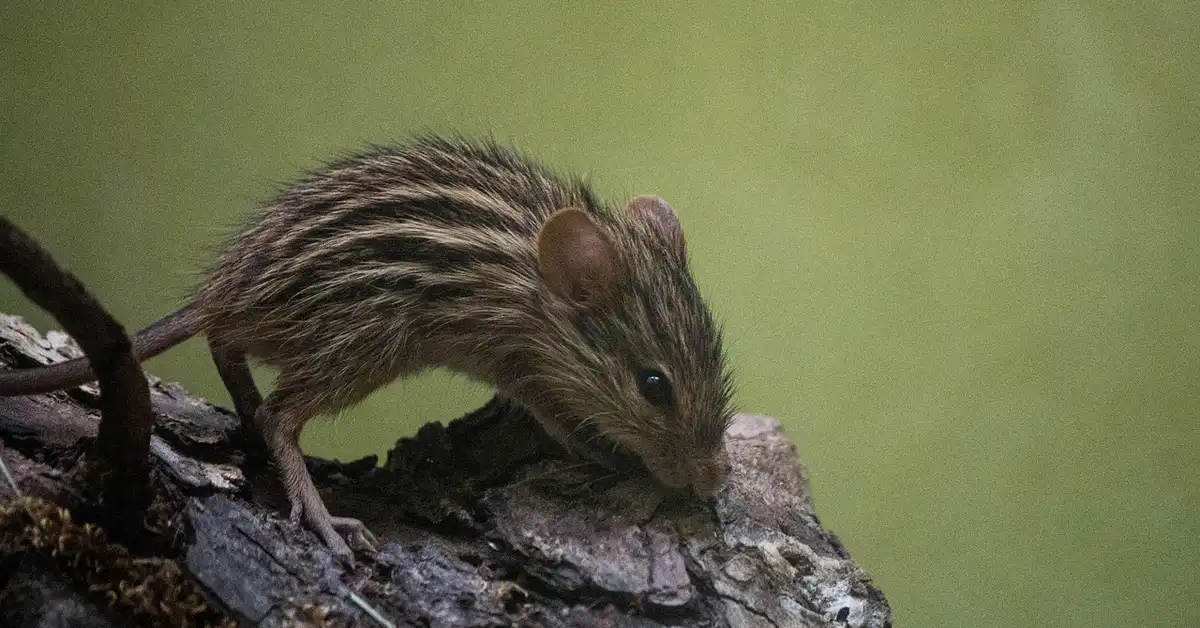
When a mouse moves beyond simple thirst, the signs become far more serious and demand your full attention. Recognizing these advanced symptoms can be the difference between a quick recovery and a life-threatening situation for your tiny friend.
Respiratory and Circulatory Warning Signs
Your mouse’s basic bodily functions will begin to falter as dehydration worsens. Watch their breathing and overall energy closely. Weigh your mouse regularly—small drops in weight can be an early, objective sign of dehydration or illness. Keeping a daily weight log helps you spot concerning trends and seek veterinary care sooner.
- Rapid, shallow breathing that seems more labored than their normal quiet rhythm.
- A noticeable drop in body temperature; their body may feel cool to the touch when you gently hold them.
- Extreme lethargy and weakness; they show no interest in moving, even when gently encouraged.
- Sunken eyes, which give their face a gaunt, tired appearance.
- Skin that does not quickly snap back when you very gently pinch and release the scruff of their neck.
Changes in Elimination and Output
A mouse’s waste is a direct window into their hydration status. Significant changes here are a major red flag.
- A dramatic decrease in the number of urine spots in their enclosure, or urine that appears dark yellow and concentrated.
- Small, hard, and dry fecal pellets, which are a clear sign their body is pulling too much water from their waste.
- A complete lack of any new droppings over a period of several hours.
If you observe a combination of these respiratory and elimination changes, you are likely dealing with a severe medical emergency.
What Causes Dehydration in Pet Mice
Understanding the root of the problem helps you prevent it from happening again. Dehydration in pet mice rarely occurs without a trigger.
- A malfunctioning water bottle is the most common culprit. The ball bearing can get stuck, or the nozzle can become blocked with food debris, cutting off their water supply without you realizing it.
- Illnesses that cause a lack of appetite or diarrhea lead to massive fluid loss that is hard to keep up with.
- An environment that is too hot or dry, such as a cage placed in direct sunlight or near a heat vent, accelerates water loss.
- Older mice, like my Gregory, sometimes become less diligent about drinking enough and need their habits monitored more closely.
- Social stress from cage mates can sometimes prevent a more timid mouse from accessing the water source freely.
Immediate Home Care for Mild Dehydration
If your mouse is still alert but showing early signs of thirst, you can take swift action at home. Your goal is to gently encourage fluid intake and make their environment as supportive as possible.
Oral Rehydration Methods
When a mouse won’t drink on its own, you must bring the fluids to them. Always proceed with immense patience and care, especially when caring for a sick mouse in a home hospital cage.
- Offer plain, unflavored Pedialyte or a homemade salt-sugar solution (a pinch of salt and sugar in water) via a small syringe without a needle.
- Place a single drop at a time on your mouse’s lips, allowing them to lick it off. Never squirt liquid into their mouth.
- Provide high-moisture foods like a small piece of cucumber, watermelon, or a bit of plain yogurt.
- Ensure their main water bottle is working perfectly and consider offering a shallow water dish as a secondary source.
Environmental Adjustments
Support your mouse’s recovery by making their home a healing space. Small changes can make a big difference.
- Move the cage to a quiet, dimly lit area to reduce stress and conserve their energy.
- Ensure the room temperature is stable and comfortably cool, away from any drafts or direct heat.
- You can slightly increase the humidity near the cage by placing a small, safe humidifier in the room or a damp towel nearby.
- Remove any intimidating toys or complex climbs for a day or two so they can rest without exertion.
Creating a calm, hydrating environment gives your mouse the best chance to bounce back quickly from a mild episode.
When Your Mouse Needs Professional Veterinary Help
While you can manage mild dehydration at home, some situations require an expert’s touch. Trust your gut-if your mouse seems drastically different from their normal self, it’s better to be safe and make that vet appointment.
Understanding Subcutaneous Fluids and Advanced Treatment
If your mouse is severely dehydrated, a veterinarian will likely administer fluids subcutaneously. This involves injecting a sterile electrolyte solution under the skin, usually over the shoulders or along the back. This procedure creates a small fluid bulge that your mouse’s body will absorb over several hours, providing critical and immediate hydration directly into their system. It looks alarming, but it’s a standard, life-saving treatment.
- What to Expect: The vet will gently lift the skin and insert a small needle. The process is quick, and most mice tolerate it very well.
- Aftercare: You’ll take home a lethargic-looking mouse with a little “bump.” Keep them in a quiet, warm, and familiar enclosure. Monitor them as the bump disappears, which signals their body is using the fluids.
- Supportive Care: The vet might also provide medications for underlying issues, like antibiotics for an infection causing the dehydration, or a high-calorie supplement paste for nutrition.
From my experience with Gregory, who once needed this after a digestive issue, the transformation is remarkable. Seeing that little bump go down and his energy return over the next 12 hours was a huge relief and a clear sign the treatment was working.
Preventing Dehydration Before It Starts
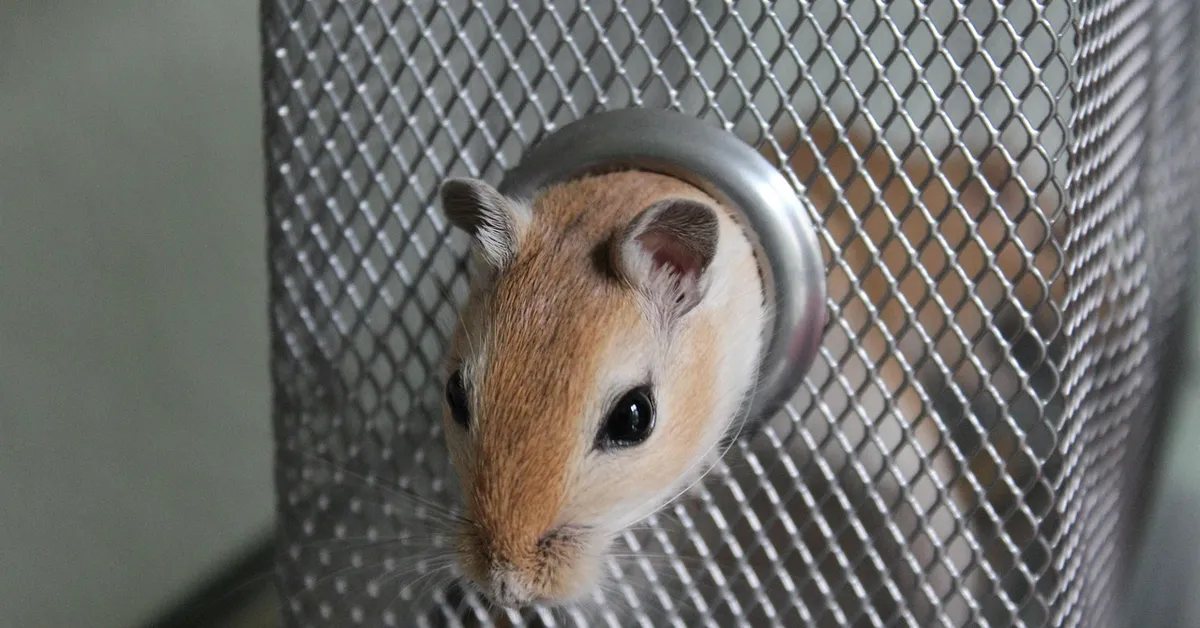
The very best approach is to create an environment where dehydration is unlikely to occur. A proactive routine is your most powerful tool for keeping your mice happily hydrated and healthy. Refer to our preventative mouse health guide for specific tips on water sources, monitoring intake, and simple daily checks. Those steps will help you spot problems early and support long-term well-being.
- Offer Multiple Water Sources: I always provide at least two water bottles in different cage locations. This ensures a dominant mouse can’t guard a single source and gives others easy access. Check the ball bearings in the spouts daily to confirm they aren’t stuck.
- Incorporate Hydrating Foods: A dry pellet diet isn’t enough. Regularly supplement with high-moisture fresh veggies. Cucumber, zucchini, and romaine lettuce are fantastic, low-sugar options my mice, especially Jeffery, eagerly accept.
- Perform the Daily “Scruff Test”: Make it a habit. A quick, gentle pinch of the scruff every day when you handle your mouse establishes a baseline for their normal skin elasticity, so you’ll notice the slightest change instantly.
- Monitor Activity and Appetite: Keep a mental note of who is running on the wheel, exploring, and eating normally. A sudden drop in activity is often one of the very first subtle warnings that something is off.
- Consider Bowl and Bottle: Some mice prefer drinking from a shallow, stable ceramic bowl. Offering both a bottle and a bowl caters to all drinking preferences and provides a valuable backup.
Creating these simple habits transforms you from a reactive caregiver into an attentive guardian who can spot the earliest signs of trouble. A well-hydrated mouse is an active, curious, and vibrant companion, and that’s the goal we’re all striving for. To make this practical, use a simple daily mouse care checklist. Here are 5 quick tips to check off each day to keep your mouse healthy and happy.
Frequently Asked Questions
What defines a “small mammal” in the context of pet care?
In pet care, small mammals typically refer to species that are compact in size, often weighing less than a few pounds, and include popular pets like mice, hamsters, gerbils, and guinea pigs. Understanding this category is crucial because their small body mass makes them highly susceptible to rapid health changes, such as dehydration, due to their faster metabolisms and higher surface-area-to-volume ratios compared to larger animals.
This definition helps owners recognize that even minor issues, like a brief lack of water access, can quickly escalate into serious conditions, emphasizing the need for vigilant monitoring and tailored care routines to maintain their well-being.
How can the adaptations of desert-dwelling small mammals inform hydration practices for pet mice?
Desert-adapted small mammals, such as kangaroo rats or certain gerbil species, have evolved to conserve water by producing highly concentrated urine, obtaining moisture from food, and being active during cooler periods. While pet mice aren’t desert animals, learning from these adaptations can inspire better hydration management, like offering high-moisture foods (e.g., cucumber or zucchini) and ensuring a stable, cool environment to reduce water loss.
By applying these principles, mouse owners can mimic natural water-conserving strategies, helping prevent dehydration without relying solely on drinking bottles, especially since mice may not always drink enough on their own. Providing fresh, clean water at all times is vital to support hydration and overall mouse health. Regularly cleaning and refilling water sources helps prevent illness from bacteria or algae.
What role does water play for small mammals, including those associated with aquatic environments?
Water is essential for all small mammals, supporting vital functions like digestion, temperature regulation, and waste removal. While true aquatic small mammals, such as muskrats or water shrews, have specialized adaptations for living in water, pet mice still rely heavily on consistent hydration to avoid issues like kidney stress or lethargy, even though they are terrestrial. Pet owners commonly offer water via a sipper bottle or a shallow bowl, and each method has trade-offs for cleanliness, access, and spill risk. Comparing water bottles versus bowls therefore helps determine which option best maintains reliable hydration for individual mice.
This highlights that regardless of habitat, providing clean, accessible water sources and monitoring intake is key, as dehydration risks are universal among small mammals due to their size and metabolic demands.
Your Path Forward
Your watchful eye is the most powerful tool you have for protecting your mouse’s health. By regularly checking for that telltale skin tent and monitoring their daily water intake, you can catch the early whispers of dehydration before it becomes a shout for help. Checking your mouse’s health is essential for early detection of any issues.
Trust your instincts-you know your tiny companion’s normal behavior better than anyone. A quick response with fluids and a warm, quiet space can make all the difference, turning a moment of concern into a story of successful care.
Further Reading & Sources
- Dehydration in Dogs: What to Know and Warning Signs
- Dehydration in our Wildlife Patients – Veterinary Medicine at Illinois
- Signs of dehydration in dogs and cats | RSPCA Pet Insurance
Isabella is a passionate small pet enthusiast with over 8 years of experience in caring for mice. She loves sharing practical tips and heartfelt stories to help fellow mouse owners provide the best care for their tiny companions.
Signs of Illness