
How Long Do Pet Mice Live? Maximizing Their Lifespan
Have you ever looked at your tiny, whiskered friend and wondered how to make their time with you as long and joyful as possible? I’ve cared for mice like my curious Kenny and wise Gregory for years, and I can tell you that a mouse’s lifespan isn’t just about genetics-it’s profoundly shaped by the daily care you provide.
This guide will give you a clear path forward, covering the typical lifespan range for pet mice and why it varies so much, the crucial environmental and dietary factors that directly impact their longevity, and my personal, proven strategies for creating a habitat that promotes vitality and well-being.
What Is the Average Pet Mouse Lifespan?
The typical pet mouse lives between one and two years. With exceptional care, some individuals can even celebrate their third birthday, though this is a remarkable milestone. This range can feel heartbreakingly short, but it makes every single day with your tiny companion precious.
Fancy Mice vs Pet Store Mice: Does Origin Matter?
Where your mouse comes from can have a significant impact on its long-term health. Fancy mice from reputable, ethical breeders often have a genetic head start, potentially adding months to their lives. Breeders typically select for robust health and track lineage to avoid hereditary issues.
Mice from large pet stores, while no less deserving of love, often come from rodent mills. These mass-breeding facilities prioritize quantity over quality, which can lead to a higher prevalence of genetic weaknesses and a compromised immune system from birth. My mouse, Gregory, is a pet store rescue, and his cautious nature and occasional grumpiness remind me of a life that may have started with more challenges.
- Reputable Breeder: Selective breeding for health, documented lineage, generally stronger constitution.
- Large Pet Store (Rodent Mill): Unknown genetic history, higher potential for chronic respiratory issues and tumors.
- Rescue or Shelter: A mixed background, but providing a home offers the best chance for a quality life regardless of origin.
What Actually Affects How Long Your Mouse Lives
A mouse’s lifespan isn’t just a roll of the dice. While genetics load the gun, it’s your daily care that pulls the trigger on their longevity. Focusing on these core areas gives your little friend the best shot at a long, vibrant life.
Genetics and Breed
You cannot change the DNA your mouse was born with. Some lines are simply predisposed to certain ailments, like mammary tumors in females or heart conditions. This is the foundational factor, the hand they are dealt, which is why their origin story is so telling.
Environment and Housing
Think of your mouse’s cage as their entire world. A stressful world shortens lives. Providing a spacious, enriching, and secure habitat is one of the most direct ways you can influence their wellbeing and lifespan. The key is to ensure that the environment is not barren or stressful for them in any way.
- Cage Size: Bigger is unequivocally better. Aim for a minimum of 10 gallons per mouse, but more space always reduces territorial stress.
- Cleanliness: Ammonia from soiled bedding is a primary irritant to their delicate respiratory systems. A consistent cleaning schedule is non-negotiable for lung health.
- Enrichment: Tunnels, wheels, climbing ropes, and dig boxes prevent boredom and encourage natural behaviors, keeping their minds and bodies active.
- Security: Placing the cage in a quiet, low-traffic area away from direct sunlight and drafts prevents environmental stress.
Diet and Nutrition
Mice are opportunistic eaters, but a balanced diet is critical. A high-quality lab block should form the bedrock of their diet, providing all the essential nutrients in every bite. These pellets prevent them from picking out only their favorite, often fatty, seeds.
I use lab blocks as the main course for Kenny, Gregory, and Jeffery, and then supplement with tiny treats. Fresh veggies like broccoli and cucumber are fantastic, while sugary fruits and fatty seeds like sunflower should be rare delights. Obesity puts immense strain on their tiny bodies.
Social Life and Mental Wellbeing
Mice are profoundly social creatures. Housing a mouse alone, unless they are aggressively incompatible, can lead to depression and a weakened spirit, which absolutely impacts physical health. A peaceful group of females or a neutered male with females provides companionship, grooming, and shared warmth. Whether a mouse thrives alone or in a group depends on individual temperament and proper introduction. This guide explains how to recognize each mouse’s needs and manage solitary versus social housing safely.
Watching my trio interact is a lesson in mouse society. Gregory’s calm presence grounds the impulsive Kenny, while little Jeffery’s cheerful antics seem to lift everyone’s mood. This social harmony is a silent contributor to their overall health.
Creating a Lifespan-Friendly Home for Your Mice
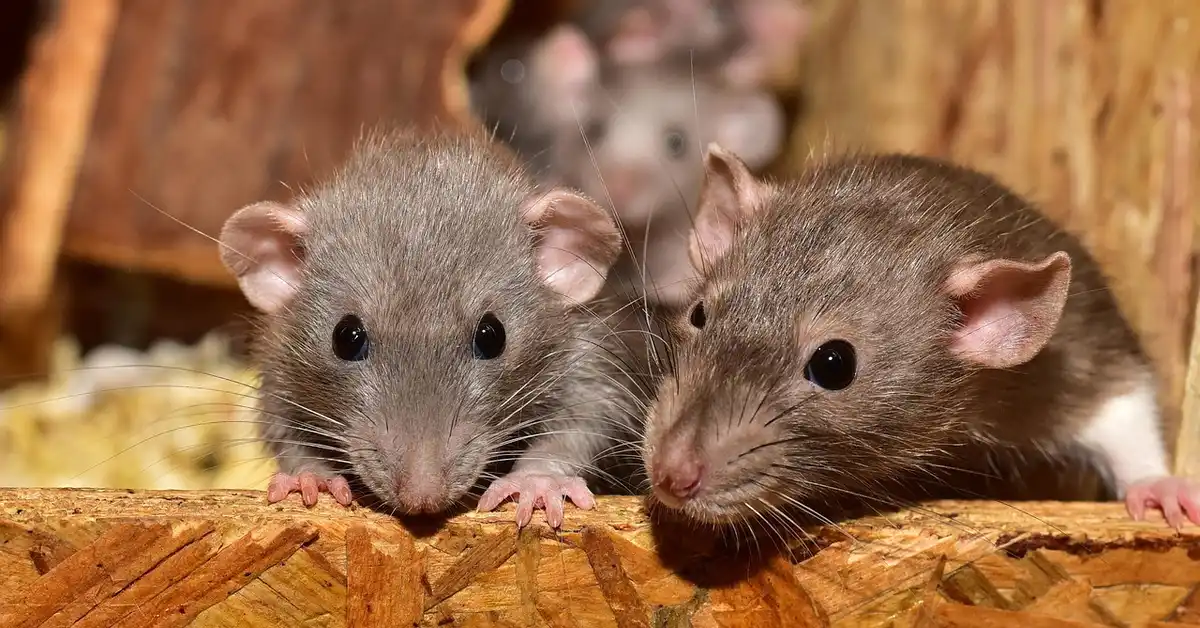
Think of your mouse’s cage not just as a container, but as their entire world. The quality of that world directly shapes the quantity and quality of their days. A thoughtfully designed habitat is one of the most powerful gifts you can give your pet. This ultimate guide to mouse cages will walk you through choosing, setting up, and maintaining the ideal home. Read on for practical tips and recommendations to keep your mouse happy, healthy, and active.
Environmental Factors That Add Years to Their Lives
A mouse’s surroundings are a constant, silent conversation with their health. Every element, from the air they breathe to the floor they scamper on, contributes to their vitality. Optimizing their living space is a non-negotiable part of proactive, preventative care. This best choice: “preventative mouse health guide” outlines practical steps—cleaning, enrichment, nutrition, and regular monitoring—to reduce disease risk and support long-term well-being. Following these strategies will help you spot problems early and keep your mice thriving.
The Right Cage: More Than Just Square Inches
A common misconception is that any small animal cage will do. For mice, the design is as critical as the size.
- Minimum Space: A single mouse needs an absolute minimum of a 10-gallon tank or its equivalent in a barred cage. For my trio, I use a much larger enclosure. More space means more exercise and less territorial stress.
- Bar Spacing: This is a safety must. Standard bar spacing for many cages is a death trap for a determined mouse. Spacing must be no wider than 1/4 inch to prevent escapes and fatal entrapment.
- Tank vs. Cage: I prefer a large tank with a secure, ventilated lid. Tanks provide deep bedding for burrowing and eliminate drafty bars, but they require diligent cleaning to prevent ammonia buildup. Barred cages offer superior ventilation but need careful bar-spacing checks.
The Bedding Deep Dive: Your Mouse’s Foundation
Your choice of bedding impacts respiratory health, physical comfort, and mental well-being.
- Aspen Shavings: My top choice. It’s absorbent, controls odor well, and is safe for burrowing. Avoid pine or cedar at all costs, as their aromatic oils are toxic to small lungs.
- Paper-Based Bedding: A fantastic, low-dust alternative. It’s soft and highly absorbent. I often use a mix of aspen and a softer paper bedding in nesting areas.
- Depth is Key: Provide a layer at least 2-3 inches deep. Mice are natural burrowers, and this instinctual behavior is a huge source of mental stimulation and security. Watching my Jeffery happily disappear into a tunnel he’s dug is a joy.
Enrichment: The Secret to a Youthful Mouse
A bored mouse is an unhappy mouse, and chronic stress shortens lifespans. Enrichment is the practice of making their environment dynamic and engaging. It supports brain health by promoting neuroplasticity, cognitive stimulation, and stress reduction. This is why enrichment is crucial for the mouse brain.
- Rotation, Not Just Accumulation: You don’t need to fill the cage to the brim. Instead, have a box of extra toys, tunnels, and chews and rotate a few items in and out every week. This keeps the environment fresh and exciting.
- Foraging Fun: Scatter their daily food ration throughout the bedding instead of using a bowl. This forces them to work for their meal, mimicking natural behavior and providing hours of mental exercise.
- Climbing Structures: Bird ladders, ropes, and branches (thoroughly cleaned and from non-toxic trees) encourage physical activity. My Kenny is a master climber, and this activity keeps him fit and satisfied.
- Multiple Hideouts: Offer at least two or three different hides. One might be a cozy, enclosed igloo, another a multi-chambered hut. This gives them choice and control over their environment, which reduces anxiety.
The Invisible Killers: Temperature, Drafts, and Stress
Some of the biggest threats to your mouse’s health are things you can’t always see.
- Ideal Temperature: Keep the room between 65°F and 75°F (18°C – 24°C). Mice are very sensitive to temperature extremes. Avoid placing the cage in direct sunlight or next to heating/cooling vents.
- Eliminate Drafts: A constant cool breeze can lead to respiratory infections. A solid-sided tank helps with this, but be mindful of open windows or air conditioners.
- Quiet Zone: Place the cage in a part of your home that has consistent, low-level activity. A frantic, noisy environment is stressful. My older mouse, Gregory, visibly relaxes when the household noise dies down in the evening.
Preventive Care: The Biggest Lifespan Booster
Recognizing the Early Warning Signs
Your mouse’s body will often send you subtle signals long before a small issue becomes a major health crisis. Learning to spot these tiny changes is your most powerful tool for keeping your friend healthy and active for years. I’ve found that a quick daily visual check during feeding time is all it takes to stay ahead of potential problems.
Watch for changes in their daily rhythms and physical appearance. A healthy mouse is a creature of consistent habit. You can regularly check their health to ensure they’re doing well.
- Lethargy or Hiding: A mouse that suddenly stops exploring or interacting with cage mates needs attention. My Kenny, who is usually the first to investigate any new item, will retreat to his hut when he isn’t feeling his best.
- Ruffled or Porous Coat: A shiny, smooth coat indicates good health. A dull, spiky, or unkempt appearance often signals the first stage of illness or discomfort.
- Squinting Eyes or Hunched Posture: Mice are masters at hiding pain. If your mouse is sitting in a tight ball with its eyes partially closed, it is likely not feeling well.
- Weight Loss: Gently feeling your mouse’s spine and hips each week can help you notice weight changes you can’t see. The backbone should be smooth, not sharp and prominent.
- Changes in Breathing: Listen for any whistling, clicking, or labored breathing sounds. Quiet, effortless breathing is normal.
- Decreased Appetite or Thirst: Monitor their food dish and water bottle. A sudden lack of interest in favorite treats is a significant red flag.
What Aging Looks Like in Pet Mice
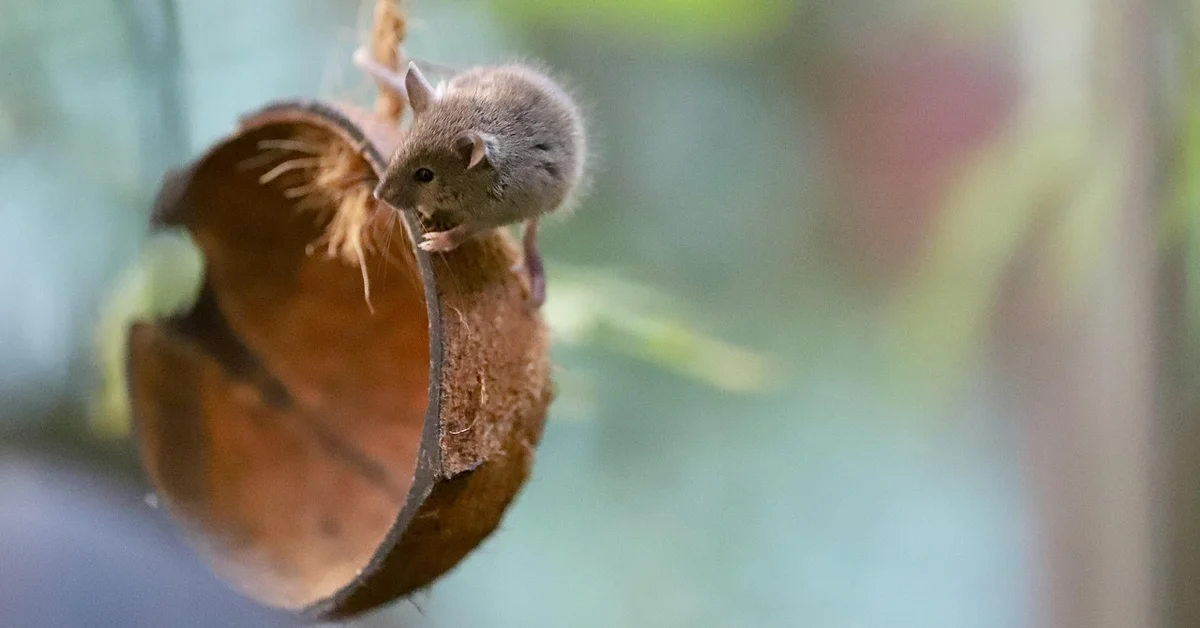
Watching a mouse grow old is a bittersweet experience that comes with its own set of gentle changes. A senior mouse isn’t sick; they are simply entering a new, quieter chapter of life that requires a different kind of care from you. My Gregory has taught me so much about the graceful pace of a mouse’s golden years. This senior mouse care guide will help you support your pet through those golden months. Small changes in diet, habitat, and handling can make a big difference.
The transition is gradual. You will notice a general slowing down that is perfectly natural.
- Reduced Activity: Your once-energetic explorer will spend more time napping and less time on the wheel. Their movements become more deliberate and less frantic.
- Graying Fur and Thinner Coat: Just like people, mice can show signs of graying, especially around the muzzle. Their coat may also become a bit thinner and less dense.
- Sleeping More Deeply: You might find you can approach your napping mouse without them immediately waking up. This is normal, but it’s a good reminder to be gentle.
- Mild Stiffness: You may see a slight hitch in their gait when they first start moving after a long rest. They may not climb as high or as often.
Caring for Your Senior Mouse
Adapting your care routine for an older mouse can dramatically improve their quality of life. Small, thoughtful adjustments to their environment and diet make all the difference in keeping a senior mouse comfortable and content. Simple cage adjustments—like lowering platforms, adding ramps, soft bedding, and easy-access food and water—help elderly or disabled mice move and eat without strain. These small changes reduce the risk of injury and encourage independence. The goal is to reduce stress and make daily life easier for them.
Focus on accessibility and comfort in every part of their habitat.
- Simplify the Cage Layout: Replace tall, complex climbing structures with low platforms, ramps, and single-level huts. Ensure everything is easily reachable without a strenuous climb.
- Provide Plush Bedding: Use extra-soft, shredded paper bedding or add a pile of unscented tissues for them to nest in deeply. This cushions their joints and keeps them warm.
- Adjust the Diet: Soak their regular lab blocks in a bit of water or unsweetened apple juice to soften them, making chewing easier. You can also offer soft foods like plain, cooked oatmeal or mashed banana.
- Ensure Hydration: Place a shallow water dish in addition to the bottle. An older mouse may find lapping from a dish less taxing than working a ball-bearing sipper tube.
- Monitor Cage Mates: Keep a watchful eye on interactions. More sprightly younger mice, like my Jeffery, can sometimes pester a senior, so be prepared to provide a separate, peaceful retirement space if needed.
Frequently Asked Questions
Does the color of a pet mouse, like a white one, influence its lifespan?
No, the color of a pet mouse, including white varieties, does not directly affect its lifespan. A mouse’s longevity is primarily influenced by genetics, overall health, and the quality of care it receives, rather than its coat color. While some genetic lines might coincidentally be linked to certain colors and health predispositions, focusing on excellent husbandry-like a balanced diet and a clean, enriching environment-is what truly helps maximize any pet mouse’s life, regardless of appearance.
How long do wild mice live compared to pet mice?
Wild mice face numerous challenges like predators, disease, and food scarcity, leading to an average lifespan of just 6 to 12 months. In contrast, pet mice, shielded from these dangers and provided with consistent nutrition, veterinary care, and a safe habitat, typically live between 1 to 3 years. This significant difference underscores how a controlled, caring environment can more than double a mouse’s life expectancy compared to life in the wild.
What is the life expectancy for a mouse adopted from a rescue or shelter?
A rescue or shelter mouse can live a full life of 1 to 2 years, potentially reaching 3 years with dedicated care. Their unknown genetic history or past neglect might pose initial health challenges, but a stable home with proper nutrition, preventive health checks, and a stress-free environment can help them achieve a typical pet mouse lifespan. Early vet visits are key to identifying and managing any underlying issues to ensure they thrive.
Your Path Forward
With consistent, loving attention to diet, habitat, and enrichment, you can profoundly shape your mouse’s quality and length of life. Your daily choices build a foundation for their well-being, turning typical years into treasured ones. A simple mouse quality of life framework organizes care into key areas—nutrition, housing, enrichment, health monitoring, and social needs—so you can make consistent, measurable choices. It helps turn daily habits into a practical plan for lasting well-being.
Remember, observing their unique habits and responding with care is the most powerful tool you have. Every small effort you make adds up, creating a vibrant, joyful journey for both of you.
Further Reading & Sources
- How Long Do Pet Mice Live? | PetMD
- r/PetMice on Reddit: How long do Fancy Mice Live?
- How to properly care for mice & other rodents – Pets
Isabella is a passionate small pet enthusiast with over 8 years of experience in caring for mice. She loves sharing practical tips and heartfelt stories to help fellow mouse owners provide the best care for their tiny companions.
Preventive Care