
The Ultimate “Toxic Foods” List: What Your Mouse Should Never Eat
Have you ever felt that sudden clutch of fear when your mouse eyes a piece of your food, wondering if it’s safe to share? I’ve been there too, and after years of caring for my own mice, I’ve put together this clear, easy-to-follow guide to eliminate the guesswork and protect your tiny companion.
You’ll get a reliable, vet-approved rundown of harmful items, so you can feed with confidence. We’ll cover everyday human foods that pose hidden risks, outline the immediate signs of distress to watch for, and provide a quick-reference list for your kitchen.
Understanding Why Certain Foods Are Poisonous to Mice
How a Mouse’s Body Processes Food Differently
A mouse’s tiny body operates on a completely different scale than ours. Their incredibly fast metabolism means toxins are absorbed and circulated through their system in a matter of minutes, not hours. Their liver, the organ responsible for filtering out poisons, is proportionally much smaller and less equipped to handle complex chemical compounds. What seems like a harmless crumb to us can be a concentrated dose of danger for them.
Think of it like this: a single chocolate chip for a human is like an entire chocolate bar for a mouse. Their small size turns minor dietary mistakes into major medical emergencies with frightening speed. I learned this the hard way when my curious mouse, Kenny, once snatched a tiny piece of onion, leading to a frantic vet visit. Their digestive systems are simply not built to break down the same things ours can.
Common Toxic Compounds That Harm Mice
Many common human foods contain natural or added substances that are perfectly safe for us but wreak havoc on a mouse’s internal organs.
- Theobromine and Caffeine: Found in chocolate, coffee, and tea, these stimulants overload a mouse’s nervous system and heart.
- Persin: This fungicidal toxin is present throughout the avocado plant, especially in the pit and skin, causing severe respiratory distress.
- Thiosulphate: Abundant in onions, garlic, and chives, this compound ruptures red blood cells in mice, leading to life-threatening anemia.
- Xylitol: An artificial sweetener that triggers a massive insulin release in mice, causing a rapid and fatal drop in blood sugar.
Recognizing these compounds helps you become a more proactive and protective pet owner. It transforms a simple “don’t feed that” rule into a deeper understanding of their unique biology.
Severely Toxic Foods: Never Feed These to Your Mouse
Chocolate and Caffeine
This is a non-negotiable rule in my house. All forms of chocolate-dark, milk, white, and baking cocoa-contain theobromine, a cardiac stimulant that a mouse’s body cannot metabolize. Even a piece the size of a sesame seed can cause hyperactivity, muscle tremors, and fatal heart arrhythmias. Caffeinated teas, sodas, and coffee grounds pose the same direct threat to their fragile cardiovascular system.
Alcohol in Any Form
It should go without saying, but never let your mouse consume any product containing ethanol. A drop of beer, wine, or liquor can induce alcohol poisoning, leading to depression of the central nervous system, difficulty breathing, and potentially coma. Their liver lacks the specific enzymes to process alcohol efficiently, making them acutely sensitive to its effects.
Avocado
While a healthy fat for humans, every part of the avocado is dangerous for mice. The skin, pit, and leaves contain the highest concentration of persin, but the flesh itself is also risky and should be completely avoided. Ingesting even a small amount can cause fluid to accumulate around the heart and lungs, making it difficult for your mouse to breathe. It’s a silent and swift toxin.
Xylitol and Artificial Sweeteners
Be incredibly vigilant about “sugar-free” products. Xylitol, commonly found in sugar-free gum, candy, baked goods, and even some peanut butter brands, causes a mouse’s pancreas to release a flood of insulin. This plunges their blood sugar to dangerously low levels, resulting in weakness, seizures, and liver failure within a short time. Always check ingredient lists meticulously.
Dangerous Vegetables and Allium Family Foods
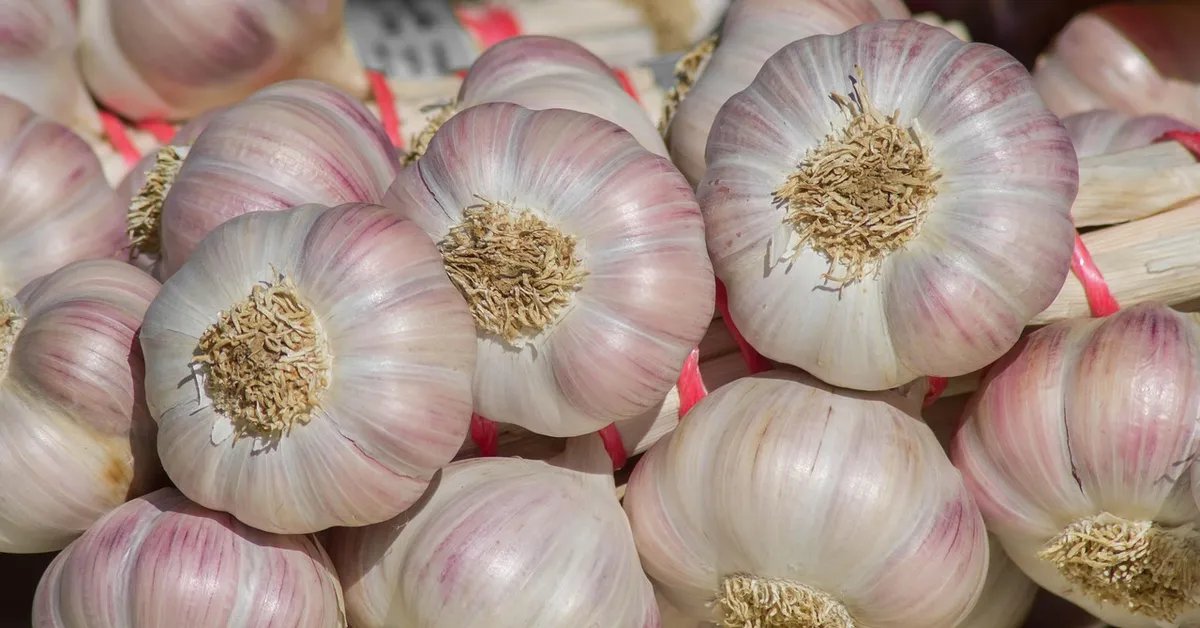
Onions, Garlic, and Chives
Foods from the allium family, like onions, garlic, and chives, contain compounds that can break down your mouse’s red blood cells, leading to anemia. Even a tiny piece of raw or cooked onion can cause weakness, breathing troubles, and pale gums in your pet. I always double-check my kitchen scraps before sharing, as these items are often hidden in human foods.
Watch for symptoms such as lethargy or loss of appetite if exposure occurs. Immediately remove any allium-containing foods from your mouse’s reach and consult a vet if you suspect ingestion. This proactive step can prevent a scary emergency.
- Avoid all forms: raw, cooked, powdered, or dehydrated
- Common sources: soups, sauces, and seasoned snacks
- Safe alternatives: carrots, broccoli, or peas in moderation
Green Potatoes and Potato Leaves
Green potatoes and their leaves produce solanine, a natural toxin that irritates your mouse’s digestive and nervous systems. Exposure can lead to vomiting, diarrhea, or even tremors, so always inspect potatoes for green tinges or sprouts. I store mine in a dark, cool spot to reduce this risk.
If your mouse nibbles on these, they might show signs like drooling or confusion. Stick to offering small, peeled, and cooked potato pieces only when they are fully ripe and not green. This simple habit keeps your curious companions, like Kenny, out of harm’s way.
- Dangers: solanine in green skins, sprouts, and leaves
- Symptoms to note: stomach upset, weakness, or coordination issues
- Better choices: sweet potatoes or squash as occasional treats
Toxic Seeds, Pits, and Fruit Parts
Many fruits are safe for mice, but their seeds and pits harbor cyanide-releasing compounds that can be fatal. Apple seeds, cherry pits, and apricot kernels are especially risky because they contain amygdalin, which turns into cyanide when chewed. I make it a rule to core and pit all fruits before sharing. This is especially important because those seeds can be poisonous to mice, whose small size makes them more vulnerable to cyanide exposure.
Your mouse’s small size means even a minor amount can cause poisoning. Always remove seeds from apples, pears, and stone fruits to ensure your pet enjoys only the sweet, safe flesh. Many fruits—like blueberries, strawberries, and melon—are safe for mice in small amounts. Offer fruit as an occasional, measured treat rather than a dietary staple. This careful prep lets Jeffrey relish his berry treats without worry.
- Avoid: apple seeds, cherry pits, peach pits, and plum stones
- Why they’re toxic: cyanogenic glycosides that release cyanide
- Safe fruits: seedless varieties like bananas or peeled mango slices
If you suspect ingestion, look for signs like difficulty breathing or seizures. Quick action by removing any remaining bits and seeking vet care can make all the difference. Keeping these parts out of reach is a simple way to protect your mouse’s health. When heading to the vet, place your sick mouse in a secure, well-ventilated carrier lined with soft bedding and keep it warm and calm to reduce stress. Bring any packaging or photos of the suspected toxin to help the veterinarian.
Plants and Leaves That Poison Mice
Common houseplants and garden greens might beautify your space, but some contain toxins that harm mice. Rhubarb leaves, for example, have high oxalic acid levels that can cause kidney damage or tremors. I learned this early on and now research every plant before it enters my home.
Tomato leaves and stems contain tomatine, which may lead to gastrointestinal distress. Stick to offering only the ripe fruit flesh, and avoid any leafy parts from nightshade family plants. This precaution helps prevent accidental nibbles from explorers like Gregory.
- Toxic plants: rhubarb leaves, tomato leaves, ivy, and oleander
- Risks: vomiting, diarrhea, or more severe neurological effects
- Mouse-safe options: basil, cilantro, or dandelion greens from pesticide-free areas
Always monitor your mouse’s environment for fallen leaves or clippings. Regularly inspecting their habitat ensures they don’t encounter these hidden dangers during playtime. A little vigilance goes a long way in keeping your pets happy and healthy.
Foods with High Salt, Sugar, or Dangerous Additives
Processed and Cured Meats
While a tiny piece of plain cooked chicken might be a rare protein treat, processed meats are a definite no. Items like ham, bacon, salami, and beef jerky are loaded with sodium, nitrates, and preservatives designed for the human palate. A mouse’s tiny kidneys simply cannot process these high salt levels, leading to severe dehydration and kidney distress. I once had a curious mouse, Kenny, who managed to snag a crumb of pepperoni, and the frantic water drinking that followed was a scary reminder of how sensitive their systems are.
Sugary Human Snacks
It can be tempting to share a bite of your cookie or a piece of candy, but these foods offer zero nutritional value and can cause serious harm. Chocolate is famously toxic, but even “safe” sweets are problematic.
- Candy and Gum: Pure sugar that can lead to obesity and diabetes. Sugar-free varieties often contain xylitol, which is highly poisonous.
- Cookies, Cakes, and Ice Cream: These combine high sugar with unhealthy fats and sometimes chocolate.
- Sugary Cereals: Even a single piece is a concentrated dose of sugar and artificial colors.
Offering a small piece of fruit like an apple or berry is a much safer way to satisfy their sweet tooth without the dangerous additives.
Dangerous Nuts and Spices
Nuts and seeds are often thought of as classic mouse food, but some varieties are hazardous. Similarly, the spices we use to flavor our food can be overwhelming and toxic for them.
- Almonds (Bitter): Raw bitter almonds contain cyanide. While commercial almonds are typically safe, it’s best to avoid them altogether to be certain.
- Walnuts: The high phosphorus content can disrupt their calcium balance, and mold can sometimes be a hidden issue.
- Spices: Onion powder and garlic powder are extremely toxic. Other potent spices like chili powder, nutmeg, and salt-based seasonings can cause digestive upset and neurological issues.
Stick to safe seeds like sunflower, pumpkin, and flax, and always offer nuts and seeds raw and unsalted. My mice, especially Gregory, enjoy a plain pumpkin seed as a special, crunchy treat.
Spoiled, Moldy, or Contaminated Foods
Mice have a fantastic sense of smell and are usually good at avoiding rotten food, but accidents happen, especially if they forage in a trash can or find old food dropped on the floor. Removing accessible food can encourage mice to move on, since they follow reliable food sources. However, if they still have shelter or water, they may stay even when food is scarce.
Moldy Food and Hidden Toxins
Never feed your mouse food that shows any sign of mold, whether it’s on bread, fruit, nuts, or cheese. The invisible toxins produced by mold, called mycotoxins, can cause fatal liver damage and neurological problems. Always check their food stash for hidden, hoarded items that may have spoiled.
Raw Kidney Beans and Uncooked Legumes
While cooked beans can be a healthy protein source, raw kidney beans and many other raw legumes are dangerously toxic. They contain a natural compound called lectin (phytohaemagglutinin) that can cause severe red blood cell clumping and digestive distress. Always thoroughly cook any beans or lentils you consider sharing, and even then, offer them only in minute quantities. A single raw kidney bean could make your mouse extremely ill.
Citrus Oils and Acidic Fruits
While a tiny piece of apple or banana can be a wonderful treat, the sharp, bright world of citrus is a different story for your mouse. The essential oils and high acid content in fruits like oranges, lemons, limes, and grapefruit can cause severe digestive upset and even neurological issues. Compounds like d-limonene, which give citrus its fresh scent, are particularly harsh on a mouse’s small system. These problems often show up first as changes in their droppings—looser stools, mucus, or blood. Watching for poop changes is an easy, effective way to monitor a mouse’s digestive health.
I learned this the hard way when my curious mouse, Kenny, managed to snag a minuscule piece of orange peel. The resulting stomach trouble was a clear lesson. It’s best to view the entire citrus family as off-limits to keep your pet’s digestion calm and comfortable. Their bodies simply aren’t designed to process such potent acids and oils.
- Avoid all oranges, lemons, limes, and grapefruit.
- This includes the fruit’s flesh, peel, and any seeds.
- Be cautious with other acidic fruits; tomatoes are generally fine in small, ripe amounts, but unripe ones can be problematic.
What to Do If Your Mouse Eats Something Toxic
Realizing your mouse has eaten something harmful is a frightening moment for any owner. Your first priority is to stay calm so you can think clearly and help your pet effectively. Panic helps no one, but a swift, reasoned response can make all the difference. Mice often become frightened after such incidents and may show anxiety or try to hide. Offering gentle reassurance and a quiet, secure space can help soothe your pet while you arrange veterinary care.
Immediate Steps to Take
Time is of the essence, and your initial actions can help minimize the harm. Immediately remove any remaining toxic food from the cage to prevent further ingestion. Do not attempt to induce vomiting or force-feed anything, as this can cause more injury.
- Gently separate the mouse from the source of the toxin.
- Provide a small dish of fresh, clean water to help with hydration.
- Observe your mouse closely but handle them as little as possible to avoid extra stress.
- Identify exactly what and how much they ate-this information is vital for a vet.
Warning Signs and Symptoms of Poisoning
Mice are small and can deteriorate quickly, so knowing what to look for is critical. Any sudden change in behavior or appearance can be the first clue that something is wrong. My little Jeffery, who is usually a bundle of cheerful energy, once became uncharacteristically still and puffy after a dietary mishap, which was my signal to act.
- Lethargy, weakness, or reluctance to move.
- Difficulty breathing or very rapid breathing.
- Loss of appetite or refusal to drink water.
- Tremors, shaking, or a loss of coordination.
- Diarrhea or visibly bloated abdomen.
- Excessive drooling or pawing at the mouth.
When to Contact Your Vet
Do not wait for multiple symptoms to appear. If you have confirmed or even strongly suspect your mouse has ingested a toxic substance, contact your veterinarian immediately. It is always better to be safe and get professional advice than to wait and hope the issue resolves on its own.
- Call your vet right away if you see any of the symptoms listed above.
- Have the name of the toxic substance and the estimated amount consumed ready to tell the vet.
- Be prepared to describe your mouse’s weight, age, and any pre-existing health conditions.
- If it is after hours, locate the information for your nearest emergency animal clinic ahead of time.
Protecting Your Mouse From Toxic Food Exposure
Safe Storage and Handling Practices
Mice are naturally curious and will investigate anything that smells interesting, which means your kitchen habits need a mouse-friendly makeover. I always store all human foods, especially those on the toxic list, in sturdy, airtight containers made of glass or hard plastic. This simple step prevents any accidental sniff-outs during their late-night explorations. Keeping foods sealed removes the odors that attract rodents and makes your kitchen far less inviting to mice. Store pet food the same way and wipe up crumbs promptly to further reduce the risk of an infestation.
After preparing meals, wipe down counters and sweep floors immediately to remove any crumbs or spills. Even a tiny piece of onion or a chocolate smudge can pose a risk if your mouse finds it before you do. I make it a habit to clean as I cook, which has saved my mice from many potential hazards.
- Use sealed bins for pantry items like grains, nuts, and sweets.
- Keep trash cans covered with tight-fitting lids.
- Wash your hands after handling unsafe foods before interacting with your mouse or their habitat.
- Store mouse food separately from human food to avoid cross-contamination.
Creating a Safe Free-Roam Environment
When your mice are out for playtime, their environment should be as secure as their cage. Before free-roaming, I do a quick “mouse scan” of the room, checking for any dropped food, open containers, or plants that could be harmful. This helps me relax and enjoy watching them explore without worry. It’s especially important when keeping mice with other pets in the house.
Choose a designated play area that’s easy to monitor and clean. Block off areas under furniture where crumbs might hide, and avoid rooms where food is commonly eaten or prepared. I’ve found that using a playpen or gated space works wonders for keeping my mice, like the impulsive Kenny, out of trouble. This also reduces opportunities for hoarding—mice often stash food in hidden spots when they feel insecure or when food is scattered. Limiting access to hiding places makes it easier to spot and discourage food-stashing behavior.
- Remove houseplants that may be toxic if chewed, such as lilies or philodendrons.
- Keep electrical cords and small objects out of reach to prevent chewing on unsafe materials.
- Supervise play sessions closely, especially with young or bold mice who might dart toward unknown items.
- Offer safe, mouse-approved toys and treats to distract them from exploring risky areas.
Quick Reference: At-a-Glance Toxic Foods List
| Food Item | Why It’s Harmful |
|---|---|
| Chocolate | Contains theobromine and caffeine, which can cause heart issues and seizures. |
| Onions and Garlic | Can lead to anemia by damaging red blood cells over time. |
| Citrus Fruits | High acidity may cause mouth sores and digestive upset. |
| Raw Beans | Contain lectins that are toxic and can interfere with nutrient absorption. |
| Avocado | Persin in the fruit and pit can cause breathing difficulties and heart damage. |
| Alcohol and Caffeine | Even small amounts can lead to nervous system depression or hyperactivity. |
| Sugary or Salty Snacks | Can contribute to obesity, diabetes, and kidney strain without immediate toxicity. |
Frequently Asked Questions
Why can’t mice eat the same foods as humans?
Mice have a much faster metabolism and smaller body size than humans, which means toxins from certain foods are absorbed and circulated rapidly, leading to quick health declines. Their liver and digestive systems are not equipped to process compounds like theobromine or persin, making even small amounts of common human items dangerous for them.
What are the most surprising toxic foods for mice?
Beyond well-known hazards like chocolate, items such as avocado flesh, raw kidney beans, and citrus fruits can be harmful due to compounds like persin or high acidity. Even “healthy” human snacks, including onions or garlic in any form, should be avoided as they can cause anemia or digestive issues in mice.
How can I quickly check if a food is safe for my mouse?
Always refer to a vet-approved list and avoid any human foods that are processed, high in salt or sugar, or contain unknown additives. When in doubt, stick to specially formulated mouse food and safe fresh treats like carrots or apples (without seeds) to prevent accidental poisoning.
Your Path Forward
You now have the knowledge to build a safer, healthier life for your tiny companions. Remembering this list is your first line of defense against accidental harm. Your dedication to learning shows how much you truly care for their well-being.
Let this information empower you, not worry you. Avoid a seed-only diet. Seeds are high in fat and lack essential nutrients, which can lead to obesity and malnutrition in pet mice. With this guide in hand, you can confidently choose treats and create a diet that lets your mice flourish. Go forward and enjoy the peace of mind that comes from watching your curious friends explore, play, and thrive in a secure environment.
Further Reading & Sources
- 16 Foods That Kill Mice Instantly
- All About Mice » Things To Avoid
- Foods Not to Give a Mouse | Pets on Mom.com
Isabella is a passionate small pet enthusiast with over 8 years of experience in caring for mice. She loves sharing practical tips and heartfelt stories to help fellow mouse owners provide the best care for their tiny companions.
Fresh Foods