
Ruffled Fur, Hunched Posture, and a Lack of Grooming: Key Warning Signs
Have you ever glanced at your mouse and noticed its fur looking tousled or its body curled in a way that makes your heart sink? These visual cues are often the earliest whispers of discomfort or illness, and catching them quickly can transform your response from worry to effective care. I’ve been there with my own mice, like the ever-curious Kenny, and this guide will help you understand exactly what those signs mean and how to act.
In the sections ahead, we’ll break down the specific meanings behind ruffled fur, a hunched posture, and reduced grooming, common health issues linked to these symptoms, and clear, step-by-step actions you can take to support your mouse. You’ll gain the knowledge to spot trouble early and provide the comfort your pet needs.
Why Healthy Mice Groom Constantly
If you’ve ever watched a content mouse, you’ll notice they are almost always tidying up. This constant grooming is a fundamental part of their daily routine, serving far more purposes than just keeping their coat clean. It’s a complex behavior tied directly to their physical health and emotional state.
Think of grooming as their personal maintenance program. By licking their fur, they distribute natural oils that keep their coat waterproof and insulated against temperature changes. This self-care ritual also helps remove loose hairs, dirt, and external parasites, preventing skin issues before they can even start. Mice are especially diligent groomers, spending much of their time licking and cleaning themselves to stay clean. Their frequent self-grooming not only maintains hygiene but also helps convey social and health cues.
Beyond simple hygiene, grooming is a powerful social signal. Mice that groom together are demonstrating trust and reinforcing their social bonds within the group. This mutual care, called allogrooming, not only keeps them clean but also strengthens social bonds and reduces stress. Allogrooming plays a key role in maintaining group cohesion and peaceful hierarchies. I often see my trio, Kenny, Gregory, and Jeffery, engaging in quick, mutual grooming sessions—it’s their way of saying everything is okay in their world. A well-groomed mouse is a comfortable, secure mouse.
What Ruffled Fur Actually Tells You
Ruffled, unkempt fur is one of the most immediate visual cues that something is amiss. A healthy mouse’s coat should lie flat and smooth, so a consistently spiky or puffed-up appearance is a genuine cry for help. It’s the rodent equivalent of a person being too unwell to even comb their hair.
This change in appearance isn’t just about aesthetics. A ruffled coat often indicates your mouse is either in pain, feeling extremely cold, or is too weak or lethargic to perform basic self-care. The body is diverting all its energy toward fighting an internal problem, leaving no resources for grooming. It’s a sign you should pay very close attention.
Common Causes Behind a Rough Coat
When you notice that tell-tale ruffled look, your detective work begins. Pinpointing the root cause is your first step toward helping your pet feel better. The texture of their coat provides vital clues about what might be happening internally.
- Illness or Pain: Respiratory infections, digestive troubles, or generalized pain from injuries or internal issues are primary culprits. The mouse feels too poorly to engage in normal activities.
- Parasites: An infestation of mites or lice can cause intense itching and skin irritation, making the fur appear messy and causing the mouse significant distress.
- Stress or Fear: A sudden change in environment, the introduction of a new cage mate, or constant loud noises can cause such anxiety that a mouse neglects its grooming.
- Old Age: Senior mice, like my Gregory, sometimes develop a slightly rougher coat as their mobility decreases and arthritis makes twisting and turning to groom more difficult.
- Environmental Factors: A cage that is too cold or drafty can cause a mouse to fluff its fur in a constant attempt to stay warm, leading to a perpetually unkempt look.
Hunched Posture as a Pain Indicator
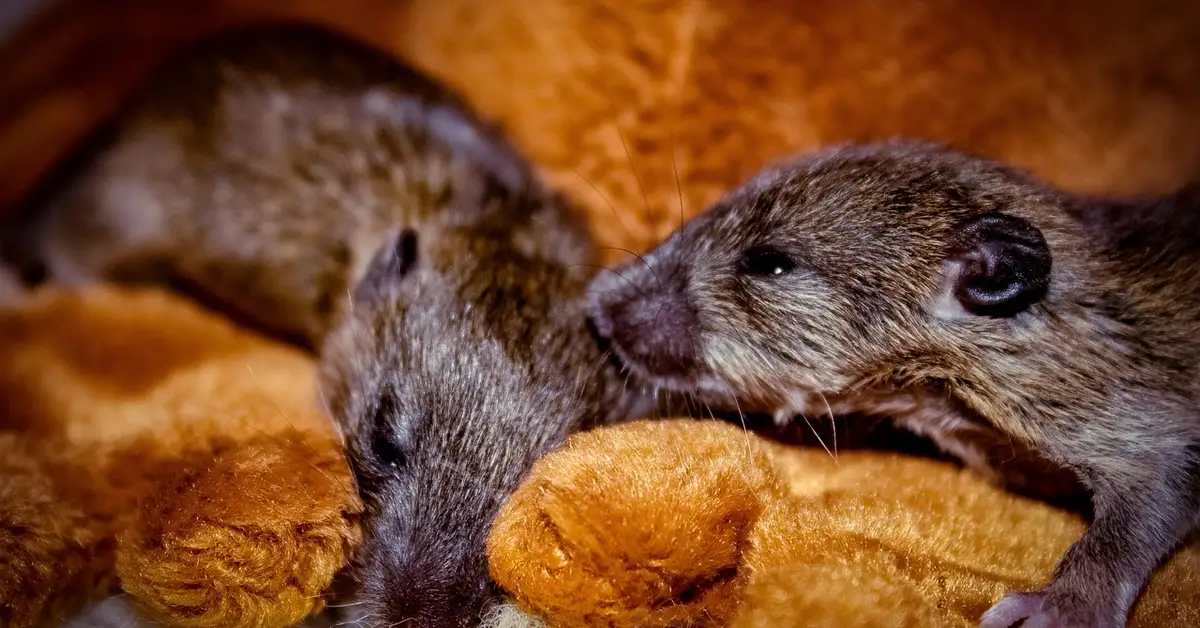
A mouse curling into a tight, rounded ball is not a sign of contentment. This hunched posture is one of the most reliable indicators that your mouse is experiencing significant pain or discomfort. It’s a physical attempt to protect their vulnerable abdomen and conserve energy when they feel unwell.
What Causes Mice to Hunch
Many underlying health problems can manifest as this pained posture. The most common culprits I’ve encountered are:
- Respiratory Distress: Struggling to breathe forces a mouse to hunch, using its entire body to aid each labored breath.
- Digestive Issues: Bloat, constipation, or a gastrointestinal blockage causes intense abdominal pain, leading to this protective hunch.
- Urinary Tract Problems: Infections or bladder stones are excruciating and will cause a mouse to remain in a hunched position.
- Arthritis or Injury: General body aches, sore joints, or a sprain can make any movement painful, resulting in a stiff, hunched gait.
When Hunching Requires Immediate Veterinary Care
While any hunching is concerning, some situations demand an urgent vet visit. You should seek immediate care if the hunched posture is paired with rapid, shallow breathing, a complete refusal to eat or drink, or if your mouse is cold to the touch. This combination often signals a critical, systemic issue that cannot wait. I learned this the hard way with a past mouse whose hunching I initially misread as sleepiness; it was a severe infection that needed swift intervention.
Self-Neglect and Lack of Grooming Behavior
Mice are fastidiously clean creatures, spending a large portion of their waking hours grooming their fur and whiskers to perfection. A disheveled, greasy, or unkempt coat is a massive red flag that your mouse is too weak, pained, or depressed to perform this basic self-care. It’s the rodent equivalent of being too sick to even get out of bed and brush their teeth. When concerned, watch for sudden changes — a neglected, matted coat or, conversely, frantic over-grooming and bald patches can both signal illness or stress. Noting these grooming changes will help you decide when to seek veterinary advice.
Differentiating Illness from Age-Related Grooming Changes
It’s vital to distinguish between sickness and the natural effects of aging. My older mouse, Gregory, doesn’t groom with the same youthful vigor he once did. Self-cleaning behaviors—licking, paw-scrubbing, and fur-fluffing—are normal signs of a healthy mouse. Noting which specific grooming actions are reduced can help you tell normal aging from illness. The key difference is that an ill mouse will have patches of ungroomed fur, often soiled with urine or food, while an older but healthy mouse will simply have a slightly less pristine, but still clean, coat. An aging mouse might miss a spot on its back; a sick mouse will neglect its entire body, including its face and paws. Watch for a general decline in energy and interest in life, not just a slightly slower grooming routine.
Illnesses That Cause These Three Warning Signs Together
When you see ruffled fur, a hunched posture, and a lack of grooming all at once, it points to a serious, systemic illness affecting your mouse’s entire body. This triad of symptoms is a powerful signal that your pet is fighting a significant battle and needs professional medical support. Also consider barbering — a behavioral problem in which mice chew or pull fur from themselves or cage mates. Distinguishing barbering from illness helps decide whether to seek medical treatment or address behavioral and housing issues.
Recognizing Respiratory Infections
Respiratory infections, like mycoplasma, are common in mice and produce all three symptoms vividly. Listen carefully for any clicking, wheezing, or whistling sounds when your mouse breathes, as this audible distress is a hallmark sign of a respiratory infection. The effort to breathe causes hunching, the fever and malaise lead to ruffled fur, and the overall weakness results in a complete halt to grooming.
Spotting External and Internal Parasites
A heavy parasite load can overwhelm a mouse’s system. Look for these specific clues:
- For Mites/Lice (External): Intense scratching, visible scabs or dandruff-like flakes on the skin, and fur loss in addition to the general unkempt appearance.
- For Intestinal Worms (Internal): A hunched posture due to gut pain, a pot-bellied appearance despite weight loss, and a general failure to thrive.
Parasites drain a mouse’s resources, leaving them anemic, itchy, and too exhausted to maintain their coat or posture.
Signs of Systemic Infection or Fever
Any severe bacterial or viral infection that causes a high fever will present with this trio of symptoms. Your mouse may feel unusually warm if you gently pick it up, and it will often press its body against the cool floor of its enclosure in an attempt to self-soothe. The body directs all energy toward fighting the infection, abandoning non-essential functions like grooming. The hunched posture conserves what little energy remains and is a direct response to the body-wide ache that accompanies a fever.
Other Critical Warning Signs to Watch
Beyond the obvious ruffled coat and hunched back, your mouse’s body speaks a subtle language of distress. Listen with your eyes for changes in their breathing, which can be one of the earliest signals something is wrong. A mouse breathing rapidly, with noticeable effort from their sides, or making faint clicking or wheezing sounds needs immediate attention. Such breathing changes can indicate pain or severe discomfort. Look for them alongside other signs—reduced activity, flinching when handled, loss of appetite, or neglected grooming—to help tell if your mouse is in pain.
Pay close attention to their eating and drinking habits as well. A sudden disinterest in their favorite high-value treats, like a sunflower seed for my adventurous Kenny, is a major red flag. You might notice their water bottle level hasn’t changed all day, or find them struggling to hold food with their front paws.
- Changes in Vocalization: Unusual squeaks, chattering, or prolonged silence from a normally chatty mouse.
- Altered Activity Level: Hiding constantly, reluctance to move, or a dramatic drop in playful exploration.
- Eye Issues: Partially closed, squinty eyes (a sign of pain) or any discharge.
- Weight Loss: A prominent spine or hip bones you can easily feel.
What to Do When You Notice These Signs
The moment you spot a cluster of these symptoms, your calm and purposeful response becomes their first line of defense. Your primary goal is to prevent further stress while gathering the information a veterinarian will need. Panic is contagious for small prey animals, so take a deep breath and speak to them in a soft, reassuring voice.
Gently move their habitat to a quiet, draft-free area away from household hustle. Ensure they have easy access to food and water by placing both on the cage floor. I often offer a small dish of water with a drop of unflavored electrolyte solution and some soft, smelly foods like baby food or soaked pellet mash. This supportive care can help maintain their strength while you arrange for professional help.
Providing Supportive Care While Seeking Help
Think of this as critical bridge care before you can get to a vet. Your focus is on comfort and hydration. Create a small, warm “sick bay” within their main enclosure using extra, clean paper-based bedding. You can place a small, reptile heat pad under only one *corner* of the cage to create a temperature gradient, allowing them to choose their comfort.
- Hydration is Paramount: Use a small syringe (without the needle) to offer drops of water or diluted baby food on their lips. Let them lick it off; never squirt it into their mouth.
- Offer Palatable Foods: Try banana, oatmeal, avocado, or critical care formula. My Jeffery, when he’s feeling poorly, will often take a few licks of squash baby food.
- Minimize Handling: Limit interaction to only what is necessary for providing care to avoid causing them more stress.
- Document Everything: Note when symptoms started, what you’ve observed, and any changes. This timeline is invaluable for the veterinarian.
Finding a Veterinarian Who Treats Mice
One of the most significant steps you can take as a mouse owner is to locate a qualified veterinarian *before* an emergency strikes. Not all small animal vets have the specific training and experience required to confidently treat such tiny patients. A general cat and dog practice is often not equipped for the diagnostic or surgical needs of a mouse. At your mouse’s first vet visit, expect a gentle full physical exam, weighing, and a review of diet, housing, and behavior. The vet may recommend baseline tests or parasite screening and will discuss signs to watch for and when to seek emergency care.
Start your search by looking specifically for an “exotic” veterinarian. Call clinics and ask direct questions: “Do you have a veterinarian on staff who sees mice regularly, and are you equipped for diagnostics like x-rays?” A good exotic vet will be comfortable discussing common murine ailments like respiratory infections and tumors. When searching online or calling clinics, use terms like exotics vet mouse or “small mammal/exotic veterinarian” to narrow results. Also check regional exotic-vet directories and local rescue groups for recommendations.
- Search Online: Use terms like “exotic pet veterinarian,” “avian and exotic,” or “small mammal specialist” in your area.
- Ask for Referrals: Contact local pet stores that sell mice supplies or small animal rescues; they often have vets they trust.
- Check Credentials: Look for vets with additional certifications in exotic animal medicine.
- Prepare a “Go-Bag”: Keep a small carrier, a familiar hide, and a sample of their food ready so you can leave for an appointment quickly.
Frequently Asked Questions
What are the symptoms of poisoning in mice?
Poisoning in mice can cause sudden signs like tremors, seizures, lethargy, or labored breathing. If you observe these, especially with no other obvious cause, seek immediate veterinary care, as toxins can be rapidly fatal due to their small size.
Why might a mouse be drooling excessively?
Drooling in mice often points to dental problems, such as overgrown teeth or oral injuries, which make eating painful. It can also indicate nausea from systemic issues or poisoning, so a vet should evaluate this symptom promptly to prevent dehydration or malnutrition.
How can I tell if my mouse’s heavy breathing is a serious issue?
Heavy breathing, like rapid or labored breaths, may signal respiratory infections, but it can also result from pain, stress, or heart conditions. If it’s persistent or paired with other signs like lethargy, a vet visit is crucial to diagnose and treat the underlying problem.
Your Path Forward
Recognizing ruffled fur, a hunched posture, and poor grooming in your mouse means you are already tuned into their subtle language. Your attentive observation is the first and most vital step in safeguarding their health and happiness. Grooming behavior is a key signal—healthy mice keep smooth, clean fur. Signs like matted, oily, or patchy fur are important mouse grooming signs that can indicate stress or illness.
Trust your instincts when you spot these changes and seek guidance from a veterinarian experienced with small pets. With prompt care and your loving support, your mouse can often bounce back to their bright, busy self. Use a visual behavioral guide on signs of stress in mice—such as hunched posture, reduced grooming, or decreased activity—to help you spot issues early. Keep a note of any changes and share them with your veterinarian.
Further Reading & Sources
- Warning Signs To Take Your Pet to the Vet | Pet Health
- Common Signs of Illness in Pets You Should Never Ignore – Bridges Professional Park Animal Hospital
- Knowing These Common Pet Health Warning Signs Could Save the Life of Your Pet
Isabella is a passionate small pet enthusiast with over 8 years of experience in caring for mice. She loves sharing practical tips and heartfelt stories to help fellow mouse owners provide the best care for their tiny companions.
Signs of Illness