
Safe Cleaning Products for Your Pet Mice: A Healthy Habitat Guide
Have you ever paused while cleaning, wondering if that spray or wipe could silently endanger your tiny, inquisitive companions? I’ve been there too, carefully testing and observing what keeps my mice safe while maintaining a spotless home for them. This guide cuts through the confusion, offering a straightforward path to choosing cleaners that protect your pets’ delicate systems.
You’ll find detailed lists of mouse-safe ingredients, common household products to avoid, and my personal recommendations for keeping cages and play areas hygienically clean. We will also cover how to safely apply these products and spot potential hazards before they become a problem.
Why Your Choice of Cleaner Matters for Mouse Health
Think of your mouse’s world from their perspective, nose-first. They live mere inches from the surfaces you clean, and their respiratory systems are incredibly delicate and efficient. A cleaner that simply smells “fresh” to you can be an overwhelming, toxic cloud to your tiny companion. I learned this the hard way years ago with a different mouse who developed a persistent sneeze after I switched to a heavily scented floor cleaner; their health is directly tied to the air they breathe.
Mice process chemicals very differently than we do. Their high metabolisms and small body mass mean toxins can build up quickly, leading to long-term health issues or immediate respiratory distress. Protecting your mouse means being proactive about their entire environment, not just their food and water. A safe habitat is a clean one, but that cleanliness shouldn’t come at the cost of their well-being. If you expect pest control for mice in your home, let the technician know you have pet mice so they can use pet-safe methods. Plan treatments for times when your mice can be temporarily relocated or sheltered to minimize exposure.
Harmful Chemicals to Avoid in Cleaning Products
When you’re scanning a cleaner’s ingredient list, your goal is to be a detective for your mouse’s sake. Many common household cleaners contain substances that are outright dangerous for small pets. Your vigilance at the store is the first and most important line of defense for your pet’s health.
- Bleach (Sodium Hypochlorite): While effective, the fumes are highly irritating and can cause severe respiratory damage. Residual chlorine on surfaces can be ingested when your mouse grooms its paws.
- Isopropyl Alcohol: Often found in disinfectant sprays, its rapid evaporation creates fumes that can irritate airways and cause neurological issues.
- Formaldehyde: A known carcinogen sometimes used as a preservative in cleaning products; it’s a severe respiratory irritant.
- Glycol Ethers: Common in glass and surface cleaners, these can cause anemia and damage to the bone marrow with prolonged exposure.
Phenol-Free and Ammonia-Free Requirements
Phenol and ammonia are two of the biggest offenders you need to actively avoid. Phenol is particularly deceptive because it’s often used in “clean-smelling” disinfectants, but it is rapidly absorbed through a mouse’s skin and is highly toxic to their liver. I make it a non-negotiable rule to never bring a phenol-based product into the same room as my mice, Kenny, Gregory, and Jeffery.
Ammonia is another major red flag. Beyond being a powerful respiratory irritant, its sharp smell is curiously similar to mouse urine. Using an ammonia-based cleaner can actually stress your mice out, as they may perceive the scent as a territorial mark from another animal, disrupting their sense of safety. Always look for explicit “Phenol-Free” and “Ammonia-Free” labels on the bottle.
Why Fragrance-Free and Essential-Oil-Free Products Are Critical
This is where many well-meaning owners get tripped up. That lovely lavender scent or the zesty lemon fragrance is a complex cocktail of synthetic chemicals designed to linger. Artificial fragrances are a common trigger for allergies and respiratory infections in mice, leading to symptoms like sneezing, porphyrin staining (red tears), and lethargy.
Perhaps more surprisingly, you must also avoid “natural” products containing essential oils. Oils like tea tree, eucalyptus, and citrus are potent and can cause anything from skin irritation to serious neurological problems and liver damage. A mouse’s body cannot process these concentrated plant compounds, making even diffused oils in the air a potential hazard. For a truly safe space, the air around your mouse’s habitat should smell like nothing at all. People sometimes suggest WD-40, tea tree oil, or bay leaves to repel mice, but these measures are either ineffective or can be harmful to mice and humans. Rely on proven, humane pest-control methods and consult a veterinarian if you’re unsure.
Pet-Safe Cleaning Products You Can Use Around Mice
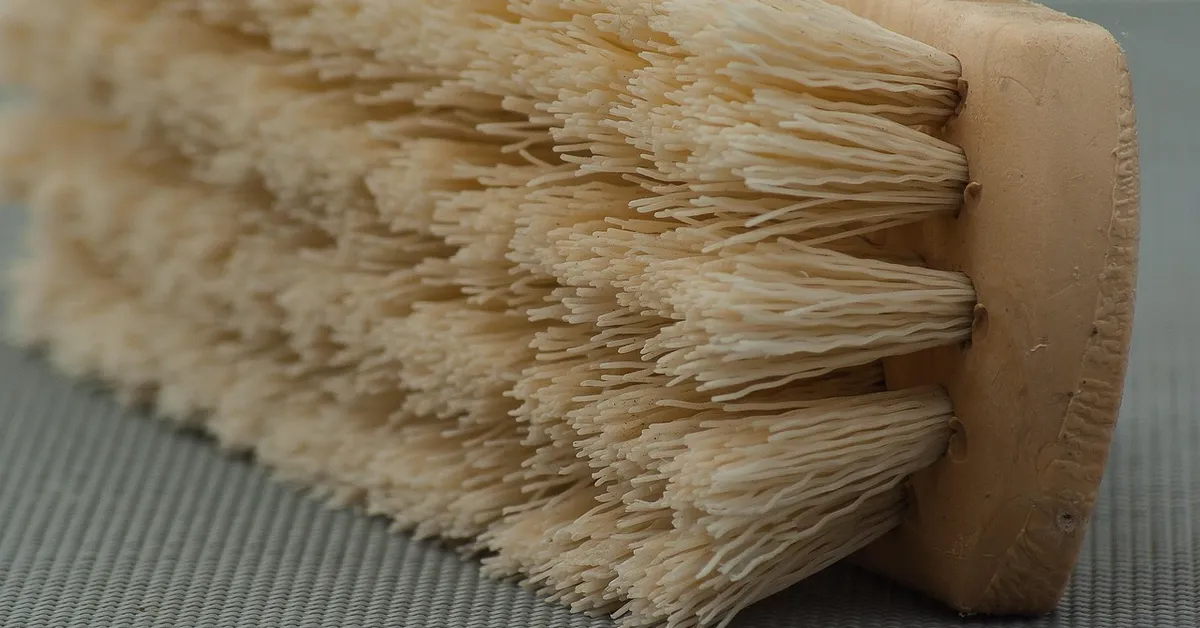
Mild Dish Soap for General Cleaning
Think of your mouse’s habitat like a delicate teacup that needs a gentle hand wash. A simple, fragrance-free mild dish soap diluted in warm water is my go-to for wiping down cage bars, plastic houses, and food bowls. I always choose a soap with minimal ingredients, avoiding any antibacterial or “ultra” formulas that leave a chemical residue. Rinsing is the most critical step-any soapy film can irritate tiny paws or be ingested during grooming.
Distilled White Vinegar as a Disinfectant
For a naturally powerful clean, nothing beats the humble jug of distilled white vinegar. This mild acid effectively breaks down urine scale and mineral deposits while neutralizing odors without toxic fumes. I mix one part vinegar with one part water in a spray bottle for weekly disinfecting. The sharp smell dissipates quickly once dry, long before my curious mouse Kenny investigates his freshly cleaned space.
Baking Soda for Odor Control and Scrubbing
Baking soda is a miracle worker for two reasons: it absorbs stubborn smells and acts as a gentle abrasive. Sprinkle a thin layer on the bottom of a clean, dry cage before adding fresh bedding to help control ammonia odors between cleanings. For stuck-on messes, make a paste with water and use a cloth to scrub-it lifts grime without the need for harsh chemicals.
Hydrogen Peroxide for Stain Removal
When you encounter a stubborn stain that vinegar can’t handle, 3% hydrogen peroxide is a safe alternative. This common first-aid solution breaks down organically and leaves no harmful residue, making it excellent for light-colored plastic accessories. Always test on a small, hidden area first, apply sparingly with a cotton ball, and rinse thoroughly. It should be used infrequently and only for targeted spot treatments.
Pet-Label Enzyme Cleaners (With Cautions)
Enzyme cleaners marketed for pets can be effective, but you must be a savvy label reader. Choose a product specifically formulated for small animals, and always verify it is free from essential oils, phenols, and synthetic fragrances. Even “natural” plant extracts can be harmful to a mouse’s sensitive respiratory system. I use these cleaners sparingly, only for accidents outside the cage, and ensure the area is completely dry and ventilated before my mice are anywhere near it.
Understanding Micellar Water and Soap-Free Options
Micellar water, a staple in skincare, has found a place in my mouse-care toolkit for quick clean-ups. This gentle, soap-free liquid uses tiny micelles to trap dirt and is exceptionally mild for wiping down smooth surfaces like exercise wheels or water bottle exteriors. It requires no rinsing, which is perfect for minor daily touch-ups. Look for a formula with just water and glycerin, avoiding any added perfumes or active ingredients.
Safe Cleaning Practices for Mouse Cages and Accessories
Daily Spot-Cleaning Routines
A consistent daily routine prevents messes from building up and keeps your mouse’s environment healthy.
- Remove soiled bedding and visible droppings from high-traffic areas.
- Wipe the water bottle spout with a damp cloth to prevent biofilm.
- Check for and dispose of any hoarded, perishable food.
- Give plastic toys a quick wipe with a damp cloth if needed.
This five-minute daily habit drastically reduces odor and stress for your mouse by maintaining a familiar, clean territory. It prevents buildup of waste and soiled bedding that cause strong smells, helping to reduce mouse odor in your home. Doing it every day keeps both your pet and your house smelling fresher.
Weekly Deep Cleaning Steps
A thorough weekly clean resets the habitat without completely erasing your mouse’s scent markers.
- Move your mouse to a secure, temporary playpen.
- Empty all bedding and discard it.
- Disassemble the cage and wash all parts with a vinegar solution or mild soap.
- Scrub accessories like houses and wheels with a dedicated brush.
- Rinse every item until the water runs completely clear.
- Dry everything fully before reassembling the cage with fresh bedding.
I always leave a handful of the old, cleanest bedding or a familiar toy inside to provide a comforting scent in the newly arranged space.
Bedding-Safe Cleaning Methods
Cleaning isn’t just for hard surfaces; your bedding choice influences your entire cleaning strategy.
- For paper-based bedding, a full weekly replacement is safest and most effective.
- Spot-clean aspen wood shavings daily, but replace them completely every week as they break down.
- Avoid washing and reusing fabric bedding, as it’s difficult to remove all detergent and urine crystals.
Proper bedding management is your first line of defense against respiratory issues and ensures your mouse has a dry, comfortable floor.
Ventilation and Drying Time Requirements
Rushing the drying process is a common mistake that can make a clean cage dangerous. Every single item must be bone-dry before your mouse returns, as dampness encourages mold growth and can chill a small animal. I always clean near an open window or use a fan to circulate air. Plastic and ceramic items can take over an hour to dry completely in the grooves and crevices, so plan your cleaning session when you have plenty of time. This is especially important when you deep clean your mouse’s cage.
Cleaning Mouse-Safe Surfaces Outside the Cage
Safe Floor and Surface Cleaners
When your mice enjoy supervised playtime outside their cage, the surrounding area must be just as safe.
- Hardwood, laminate, and tile floors can be mopped with a well-diluted vinegar solution.
- For carpets, a light sprinkling of baking soda left for 15 minutes before vacuuming helps neutralize odors.
- Wipe down play surfaces like tables with a damp microfiber cloth or a mist of micellar water.
The golden rule for any free-roam area is to avoid aerosol sprays and plug-in air fresheners entirely, as their particles linger in the air your mice breathe.
Cleaning Toys and Play Equipment
Toys like cardboard tunnels, wood chews, and plastic puzzles need special attention.
- Disposable items like cardboard should be replaced once soiled.
- Hard plastic toys can be washed weekly with the cage using mild soap.
- Wooden chews can be lightly scrubbed with a damp brush (no soap) and baked at a low temperature (200°F) for 10-15 minutes to dry and sanitize.
- Fabric items, if used, should be washed in hot water with a fragrance-free detergent and an extra rinse cycle.
Regularly inspecting and cleaning play equipment prevents the spread of bacteria and keeps your mouse’s environment enriching and fun.
How to Safely Clean Up Mouse Droppings and Urine
Dealing with mouse waste is a regular part of pet ownership, and doing it safely protects both you and your tiny friends. A simple mixture of white vinegar and water is my absolute top choice for everyday clean-ups, especially for daily and weekly mouse cage cleaning. The acidity neutralizes ammonia in urine effectively, and it leaves no dangerous residues.
Here is my step-by-step routine for a thorough and safe cleaning:
- Wear disposable gloves to protect yourself.
- Remove your mice and place them in a secure, temporary holding area.
- Pick up any solid waste with a paper towel and dispose of it immediately.
- Spray the soiled area generously with a 50/50 vinegar and water solution.
- Let it sit for a few minutes to break down the mess.
- Wipe the area thoroughly with clean paper towels.
- Allow the habitat to air dry completely before returning your mice.
For particularly stubborn, dried-on messes, I occasionally use a tiny bit of unscented castile soap diluted in water. Thorough rinsing and complete drying are non-negotiable to prevent any soap residue from irritating their sensitive paws or respiratory systems. My curious mouse, Kenny, investigates every newly cleaned surface, so I am extra vigilant about what he might come into contact with. Because mice groom themselves constantly and lick their paws and fur, any residue can quickly be transferred to their mouths and faces. That makes rinsing and drying even more important.
What Reddit Users and the Mouse Community Recommend
The collective wisdom found in online mouse communities is an invaluable resource for new and experienced owners alike. The overwhelming consensus is to avoid anything with harsh chemicals, heavy fragrances, or bleach entirely. Popular forum threads are filled with warnings about respiratory distress linked to aerosol sprays and pine or cedar-based products.
Through years of reading and participating in these discussions, I have compiled the most frequently endorsed safe cleaning agents:
- Vinegar Solutions: Universally praised for its safety, effectiveness, and affordability.
- F10 SC Veterinary Disinfectant: A professional-grade product often recommended by experienced breeders and rodent rescue groups for deep cleans.
- 70% Isopropyl Alcohol: Used by many for spot-cleaning plastic toys and wheels, as it evaporates quickly and completely.
- Unscented Baby Wipes: A convenient, pre-moistened option for quick touch-ups on plastic or glass surfaces.
- Hydrogen Peroxide (3%): Sometimes suggested as an alternative disinfectant, but always with a strong caution to rinse well and avoid contact with your mouse.
Many owners, myself included, share a strong preference for simple, “kitchen cupboard” solutions. Sticking to ingredients you would feel comfortable having near your own food drastically reduces the risk of an accidental mishap.
Recognizing and Responding to Cleaner-Related Problems
Warning Signs Your Cleaner Isn’t Safe
Mice have exceptionally delicate respiratory systems, and they often show distress before you might even notice a problem. Watch for any sudden changes in breathing, such as wheezing, clicking sounds, or rapid, shallow breaths. These are often the first and most critical red flags.
- Sneezing frequently or repeatedly
- Discharge from the eyes or nose, sometimes making the fur on their front paws look crusty
- Lethargy or a sudden lack of interest in exploring and playing
- Loss of appetite or reduced water intake
- Excessive scratching or signs of skin irritation
I once used a new brand of “pet-safe” wipe that had a very mild, undetectable scent to me. Within an hour, my mouse Jeffery was sneezing persistently, a clear sign that even subtle additives can be overwhelming for them. That experience made me wary of store-bought odor-control products like D-Con’s mice odor control, since fragranced or chemical additives can irritate small pets. I now check ingredient lists closely and prefer unscented, ventilation-focused solutions instead. I immediately removed him to a well-ventilated room and deep-cleaned his cage with vinegar, and his symptoms resolved quickly.
Immediate Steps if Your Mouse Has Cleaner Exposure
If you suspect your mouse has been exposed to a harmful cleaning product, acting quickly and calmly is vital. Your first and most important action is to immediately move your mouse to a well-ventilated area away from the source of the fumes or residue. Mice groom themselves frequently and can ingest chemicals left on their fur, so contamination can quickly become an internal risk. Try to prevent further grooming and contact a veterinarian for guidance.
- Relocate: Gently place your mouse in a clean, empty carrier or temporary cage with fresh bedding that has not been exposed to the cleaner.
- Ventilate: Open windows and doors to clear the air in the room. A fan can help circulate fresh air.
- Assess: Check your mouse for any cleaner on their fur or paws. If present, use a damp cloth with plain water to gently wipe it away.
- Hydrate: Offer fresh water, as stress and some chemicals can lead to dehydration.
- Contact Your Vet: Describe the situation and the product involved. They will advise you if an immediate visit is necessary.
Do not attempt to induce vomiting or give any food or medications unless specifically instructed by a veterinarian. Keeping your vet’s phone number and the number for an emergency animal poison control center easily accessible is a simple step that can save precious time in a crisis.
Frequently Asked Questions
Is micellar water a safe cleaner?
Yes, micellar water is generally safe for use around pet mice when it is fragrance-free and contains minimal ingredients like water and glycerin. It effectively traps dirt without harsh chemicals and requires no rinsing, making it ideal for quick wipe-downs of smooth surfaces like wheels or water bottles. Always avoid formulas with added perfumes or active ingredients to prevent respiratory irritation.
Are there safe cleaners that repel mice?
Most safe cleaners for pet mice, such as vinegar or mild soap, do not have repellent properties and are not designed to deter mice. In fact, using repellents like essential oils or strong-smelling products can be harmful to their health. Instead, focus on maintaining a clean habitat with approved products to reduce odors and stress, which is more effective for their well-being.
Are mouse poisons safe?
No, mouse poisons are never safe to use in environments with pet mice. These products contain toxic chemicals that can cause severe illness or death if ingested, even indirectly through contaminated surfaces or grooming. For pet safety, rely solely on non-toxic cleaning methods and avoid any pest control substances near their living areas.
Wrapping Up
Keeping your mice’s home clean doesn’t have to mean filling their air with harsh chemical fumes. By choosing simple, non-toxic solutions like vinegar, unscented castile soap, or dedicated small pet cleaners, you are actively choosing to protect their delicate respiratory systems. Pair these cleaning choices with dust-free bedding options — such as paper-based or pelleted substrates — to further reduce airborne irritants. Choosing the best dust-free beddings for mice helps minimize sneezing and respiratory stress.
This simple switch to safer products is one of the most direct ways you can support their long-term health and happiness. You’ve got this, and your curious little companions will thrive in the fresh, safe environment you create for them.
Further Reading & Sources
- Cleaning Solution? | Pet Mice Forum
- Amazon.com : Amazing Small Animal Cage Cleaner, Just Spray/Wipe, Easily Removes Messes & Odors – Hamster Cages, Mice, Rat Cage, Guinea Pig Cage, Rabbit Cage, Ferret Cage, Dog Cage – USA Made : Pet Supplies
- How to Clean a Smelly Mouse: 11 Steps (with Pictures) – wikiHow
Isabella is a passionate small pet enthusiast with over 8 years of experience in caring for mice. She loves sharing practical tips and heartfelt stories to help fellow mouse owners provide the best care for their tiny companions.
Household Hazards