
Your Daily Mouse Care Checklist: 5 Things to Do Every Day
Do you ever find yourself rushing through your mouse’s care, unsure if you’ve covered all the basics to keep them thriving? As someone who has cared for mice like my curious Kenny and calm Gregory, I know how a structured daily approach can turn worry into confidence and strengthen your bond.
This guide offers a straightforward, five-step routine to follow each day, designed to meet your mouse’s needs efficiently. We will explore key areas including feeding, habitat cleanliness, health observation, mental stimulation, and social time to ensure your mouse remains vibrant and content.
Why a Daily Mouse Care Routine Matters
Think of your daily check-in as a quiet conversation with your tiny roommates. This consistent, gentle interaction builds a foundation of trust that transforms you from a giant into a friend. Skipping even one day can mean missing the early whispers of a health issue, like a slight change in appetite or energy. A routine isn’t just about chores; it’s your primary tool for observing their well-being and ensuring their short, vibrant lives are filled with comfort and security.
Mice are creatures of profound habit, and a predictable environment keeps stress at bay. Providing this stability is one of the greatest kindnesses you can offer a small prey animal. My own mice, like the ever-inquisitive Kenny, visibly relax when I follow our evening ritual. That simple predictability allows their unique personalities to truly shine, from Gregory’s calm observations to Jeffery’s cheerful antics. So, do mice have individual personalities? Yes — consistent behaviors and preferences show that each mouse can have a distinct temperament.
Task 1: Fresh Water Check and Refill
This is the non-negotiable first step of every single day. A dehydrated mouse is a mouse in serious, quiet danger, and the problem can escalate with alarming speed. I make it a habit to gently lift the water bottle from its holder, check the water level against the markings, and listen for the soft “glug” of a working valve. Even if the bottle looks half-full, I refill it with fresh, cool water. Stagnant water can grow bacteria, and a seemingly full bottle might be malfunctioning.
How to Spot a Faulty Water Bottle
A leaky or clogged bottle can create a soggy, cold habitat and leave your mice without water. Here’s what to look for every time you check it. Choosing the best small-animal water bottles that don’t leak will prevent these problems and keep bedding dry. Below are the features and top picks that reliably stay drip-free.
- A constantly damp area under or around the bottle holder is the most obvious red flag. This means the seal is compromised or the ball bearing is stuck.
- Press the ball bearing with your finger. You should feel slight resistance and see a small, immediate droplet form. No droplet often means a clog.
- Watch your mouse approach the spout. If they lick repeatedly with no success or seem frustrated, the valve isn’t releasing water properly.
- Listen for a constant, faint dripping sound. A properly sealed bottle should be silent when not in use.
- Check for tiny air bubbles rising in the bottle. No movement might indicate a vacuum lock, preventing water flow entirely.
Task 2: Food and Nutrition Check
Rotating Treats and Fresh Foods
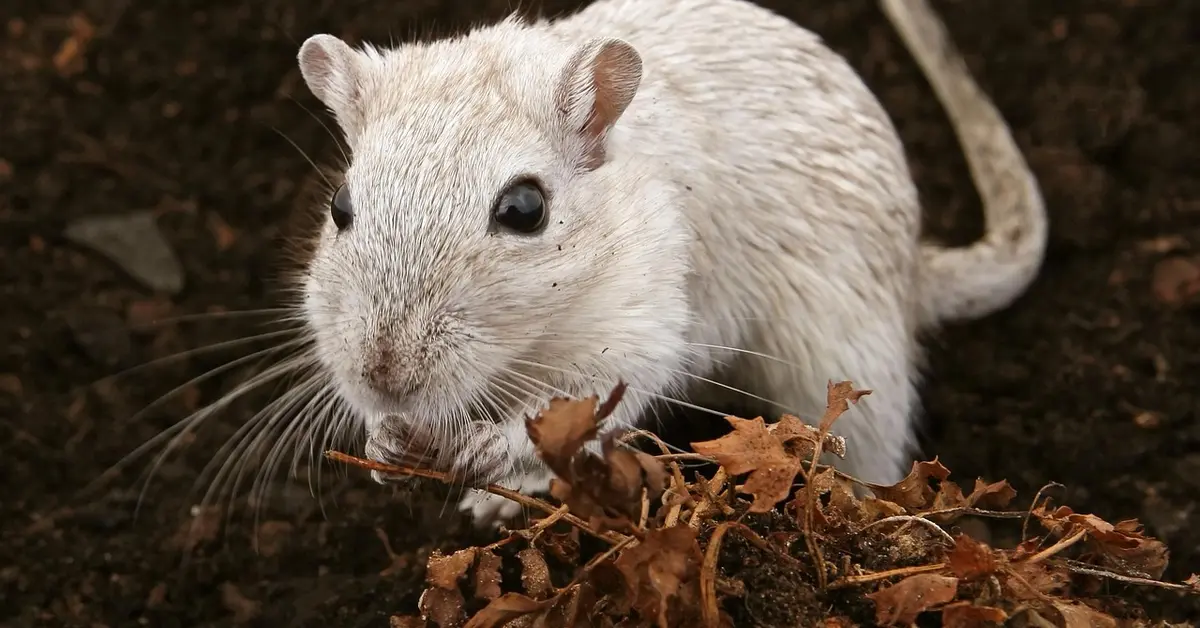
Just like you wouldn’t want to eat the same snack every single day, your mice appreciate a little variety in their diet. Rotating their treats prevents dietary boredom and encourages natural foraging behaviors. I offer my boys different options on a simple schedule, like a tiny piece of walnut on Monday and a dried mealworm on Tuesday. Sometimes I put treats in their food bowl, and other times I scatter tiny bits around their play area so they can forage. Scatter feeding keeps them active and mentally stimulated while mimicking natural foraging.
- Fresh vegetables: A pea-sized piece of broccoli, a sliver of carrot, or a bit of cucumber.
- Protein sources: A single dried mealworm, a tiny bit of scrambled egg, or a scrap of plain cooked chicken.
- Healthy seeds: A pumpkin seed or a single sunflower seed as a high-value reward.
Always remove any uneaten fresh food within a few hours to prevent spoilage in their cozy home.
Task 3: Quick Cage Spot Check and Bedding Refresh
Which Areas Need Daily Attention
A full cage clean is a weekly event, but a daily spot check keeps their environment fresh and comfortable. Focusing on specific high-traffic zones makes this a two-minute task that makes a huge difference. My mouse Gregory, who prefers a tidy nest, visibly relaxes when his corner is fluffed up.
- The sleeping area: Gently fluff or add a handful of fresh, clean bedding to their primary nest.
- Food bowl and surrounding area: Toss out any empty hulls or scattered food that’s gathered on the bedding.
- The “bathroom” corner: Mice often pick a specific spot; use a small scoop to remove damp or soiled bedding here.
- Water source: Wipe the bottle spout with your finger to ensure it’s not clogged and check that water drips freely.
Task 4: Health and Behavior Observation
Behavior Observation During Active Hours
Mice are most active in the evening and early morning, which is the perfect window to watch their normal routines. Noticing small changes in their daily habits is your first and best clue that something might be off. My impulsive mouse Kenny, for instance, is always the first to the wheel; if he’s not, I know to pay closer attention. A quick “Is your mouse happy?” checklist — noting appetite, grooming, activity, curiosity, and social behavior — makes it easy to turn those observations into clear next steps. Keep it handy during their active hours to spot changes early.
- Social dynamics: Are they grooming each other, sleeping in a pile, or is one mouse being isolated?
- Activity levels: Is everyone taking turns on the wheel, exploring tunnels, and climbing as usual?
- Eating and drinking: Do you see all of them visiting the food dish and water bottle?
- Vocalizations: Listen for normal, quiet squeaks of communication versus any distressed, sharp sounds.
Physical Health Markers to Check Daily
While you watch them play, you can perform a visual health check without ever needing to handle them. A quick glance over their bodies each day helps you catch potential issues incredibly early. I always look for these key signs while my mice are busy munching on a treat.
- Eyes: They should be bright, fully open, and free of any crust or redness.
- Fur: The coat ought to look smooth and clean, without any bald patches or ruffled areas.
- Breathing: Listen for quiet, even breaths; labored breathing or sneezing fits are a red flag.
- Posture and movement: Watch for a smooth, fluid gait without any limping or hunching.
- Weight: You’ll get a feel for their normal body shape; a suddenly prominent spine or a hunched, puffed appearance can signal a problem.
Task 5: Handling, Socialization, and Enrichment
Daily Enrichment Ideas That Take Minutes
A bored mouse is often an unhappy mouse, but enrichment doesn’t need to be a grand production. I’ve found that dedicating just five to ten minutes of focused, creative play can completely transform their day and strengthen your bond. The goal is to engage their natural instincts to forage, explore, and problem-solve. Going beyond the wheel, small, inexpensive items—tunnels, chew toys, scent trails, and treat puzzles—offer varied stimulation. Below are simple enrichment ideas to keep your mouse entertained and engaged.
- Foraging Frenzy: Instead of placing all their food in a bowl, scatter a tablespoon of their main diet throughout the bedding. Hide a few special treats, like a piece of a walnut or a dried mealworm, in a paper towel tube or under a small cardboard box. This mimics their natural scavenging behavior and provides mental stimulation.
- The Great Climb: Drape a thick, mouse-safe rope from a high platform or tie it to the cage bars. My mouse Jeffery, who is often hesitant, gains so much confidence from carefully navigating a new climbing challenge.
- Scent of the Day: Introduce a new, safe scent for them to investigate. I often use a sprig of fresh cilantro, a pinch of dried lavender from my garden, or even a clean, unscented tissue I’ve rubbed on my hands. They will spend ages sniffing and exploring this new olfactory information.
- Obstacle Course Quick-Build: Use items you already have. Create a simple tunnel from a toilet paper roll, place a small, sturdy book for them to climb over, and put a hideout on the other side. Guide them through with a trail of their favorite seed, like a sunflower seed for my adventurous Kenny.
How to Handle Mice Who Don’t Like Being Picked Up
It’s a common concern, and I want you to know that a mouse who shies away from your hand is not a broken mouse. Building trust with a skittish mouse is a gentle process of repeated positive associations, not a test of will. My older mouse, Gregory, was very reserved when I first brought him home and required immense patience. Mice can and do learn to recognize their owners through scent, voice, and routine. Over time, Gregory began to associate me with food and calm handling and would cautiously approach my hand.
Forcing a mouse to be held will only reinforce their fear. Follow these steps to build a foundation of trust.
- Start with Presence: Simply sit by the open cage and talk softly to them. Let them get used to your voice and scent without any pressure to interact.
- The Tempting Tube: Place a paper towel tube or a small cardboard hide in the cage. When your mouse is inside, you can gently lift the entire tube, with the mouse safely inside, and place it in your lap or a playpen. This gives them a sense of security while they get used to being moved.
- Hand as a Bridge, Not a Trap: Place your flat, open hand palm-up in the cage with a high-value treat, like a tiny bit of cheese or yogurt, in the center. Do not move. Let the mouse choose to approach and step onto your hand to get the treat. It might take days or weeks, but this choice is powerful.
- The Scoop Method: Once they are comfortable stepping onto your hand, you can try the scoop. Gently slide your hand under their belly from the side, using your other hand to loosely form a cup around them for security. Lift slowly and keep them close to a soft surface.
The key is to end every interaction on a positive note, even if it only lasts for a few seconds. A small treat after being handled helps them form a happy memory of the experience.
Creating Your Own Daily Mouse Care Checklist
Morning vs. Evening Care Tasks
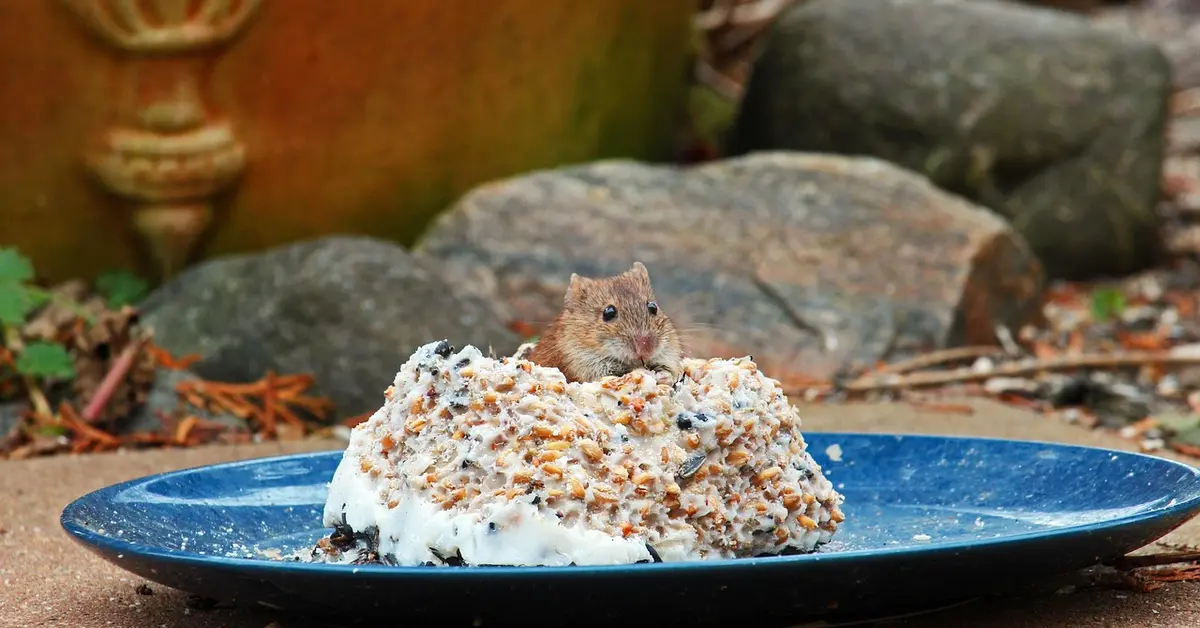
Mice are crepuscular, meaning they are most active during dawn and dusk. Aligning your care routine with their natural energy cycles makes the process smoother for both you and your pets. I split my tasks to match their rhythm, which has made my daily checks feel less like a chore and more like a natural part of our shared day. This is especially important when keeping mice with other pets that might have different activity patterns.
Here is how I break down the duties between morning and evening.
- Morning (Quiet & Quick Checks)
- Health Scan: Do a quick visual check of each mouse. Are they alert? Moving normally? No signs of labored breathing or discharge?
- Food & Water Refresh: Top up the water bottle, checking the spout for clogs. Remove any fresh food from the previous night that might spoil.
- Spot Clean: Quickly remove any obvious soiled bedding or large piles of waste from their favorite corners.
- Evening (Interaction & Engagement)
- Full Dinner Service: Provide their main measured portion of food. This is when I scatter-feed or use a foraging toy.
- Social Time & Handling: This is the best time for taming sessions, playpen exploration, or simply sitting with them while they are most awake and curious.
- Enrichment Swap: Introduce the “enrichment of the day”-a new toy, a different climbing structure, or a novel scent for them to investigate.
- Final Bedding Fluff: Give the bedding a quick stir to disperse any damp spots and ensure it’s comfortable for their night of activity.
Creating a simple, consistent checklist that you can glance at ensures nothing is forgotten and your mice receive the comprehensive care they deserve every single day. This checklist is the core of a preventative mouse health guide, outlining daily tasks and signs to watch for so you can catch issues early. Use it alongside routine vet care to maintain long-term health and prevent common problems before they start.
Frequently Asked Questions
What is Daily Mouse Care 101?
Daily Mouse Care 101 refers to the fundamental principles and routines essential for maintaining a healthy and happy pet mouse. It covers basics like providing a safe habitat, balanced nutrition, regular health checks, and social interaction to meet their physical and mental needs. This foundation helps prevent common issues and ensures your mouse thrives in a stable, enriching environment.
What are the Daily Mouse care requirements?
The core daily care requirements for mice include ensuring access to fresh water, a measured diet with variety, a clean and comfortable living space, and daily observation for any health or behavior changes. Additionally, mice need mental stimulation through enrichment activities and gentle socialization to support their well-being and prevent stress-related problems.
What is a Daily Mouse care sheet?
A Daily Mouse care sheet is a concise reference tool that outlines key tasks and reminders for consistent mouse care, such as feeding schedules, habitat maintenance, and health monitoring points. It serves as a quick guide for owners to track daily responsibilities and ensure nothing is overlooked, making it easier to establish and follow a reliable routine.
Wrapping Up
Your daily checklist isn’t just about tasks-it’s about building a rhythm of care that keeps your mice healthy and connected to you. By integrating these five simple steps into your routine, you create a foundation of trust and well-being that makes every day brighter for your tiny companions.
Stick with it, and you’ll find that these moments of care become some of the most rewarding parts of your day. You’re not just checking boxes; you’re crafting a life full of tiny joys and cherished memories with your mice.
Further Reading & Sources
- Pet Mouse Care Sheet: Habitat, Diet, and Behavior | PetMD
- Mouse care | Animal Humane Society
- Mouse Care Guide – Mice
Isabella is a passionate small pet enthusiast with over 8 years of experience in caring for mice. She loves sharing practical tips and heartfelt stories to help fellow mouse owners provide the best care for their tiny companions.
Preventive Care