
Heart Failure in Pet Mice: Spotting Symptoms and Providing Comfort
Is your tiny friend struggling to breathe or seeming unusually tired during playtime? This guide will help you recognize the early, often subtle signs of heart failure and offer compassionate strategies to support your mouse’s quality of life.
We will explore the behavioral and physical indicators of this condition, and I’ll share detailed steps for palliative care, including environment tweaks and comfort-focused routines, to help your pet feel secure and cared for.
What Heart Failure Looks Like in Your Pet Mouse
Common Physical Signs You Might Notice
The earliest clues are often subtle shifts you’ll notice during daily handling and observation. Watch for a soft, clicking or popping sound when your mouse breathes, a symptom known as chattering that indicates fluid around the lungs. You might see their sides moving more noticeably with each breath, a sign they are working harder for air.
- Increased or visibly labored breathing, even at rest
- A persistent, chattering or popping sound with each breath
- Lethargy and a marked decrease in normal activity levels
- Cold ears and feet to the touch, indicating poor circulation
- A hunched posture, as if they are in constant discomfort
Behavioral Changes That Signal Trouble
Your mouse’s personality can tell you just as much as their body. A once adventurous mouse, like my Kenny, may suddenly lose all interest in exploring his play area. A profound change in social habits, like a friendly mouse suddenly seeking isolation, is a major red flag that demands your attention. Knowing whether your mouse is naturally solitary or social helps you interpret that change. A brief mouse social behavior guide can tell you when to adjust their environment or seek veterinary care. They are conserving every bit of energy just to keep going.
- Sudden lack of interest in favorite treats or playtime
- Withdrawing from cage mates and hiding more than usual
- Stopping self-grooming, leading to a ruffled, unkempt coat
- Showing less enthusiasm for interacting with you
Advanced Signs in Progressing Cases
As the condition advances, the signs become more severe and distressing to witness. The most critical sign is cyanosis, where the skin on their ears, feet, and tail takes on a bluish or pale gray tint due to a severe lack of oxygen. This is a clear signal that their body is struggling profoundly.
- Bluish discoloration of the skin, especially on extremities
- Severe weight loss and a visibly bony spine and hips
- Pitting edema, where gentle pressure on the skin leaves a small indent
- Complete loss of appetite and difficulty moving around the cage
Why Pet Mice Develop Heart Problems
Understanding the ‘why’ can help you process this difficult diagnosis. Genetics is the single most significant factor, with certain fancy mouse lines being far more predisposed to developing heart disease within their short lifespans. Their tiny, rapidly beating hearts are simply built with a genetic expiration date we can’t change.
Age is an unavoidable contributor. Just like my older gentleman Gregory, senior mice naturally experience a gradual weakening of the heart muscle, a wear-and-tear process known as degenerative valve disease. Their bodies, so full of life at youth, simply tire out.
- Genetic Predisposition: Many pet mice are bred from lines with inherent heart weaknesses.
- Advanced Age: The heart muscle weakens and valves thicken over time.
- Obesity: Excess body weight places a constant, strenuous demand on the heart.
- Chronic Respiratory Disease: Long-term lung issues force the heart to work harder to oxygenate the blood.
Getting a Veterinary Diagnosis for Your Mouse
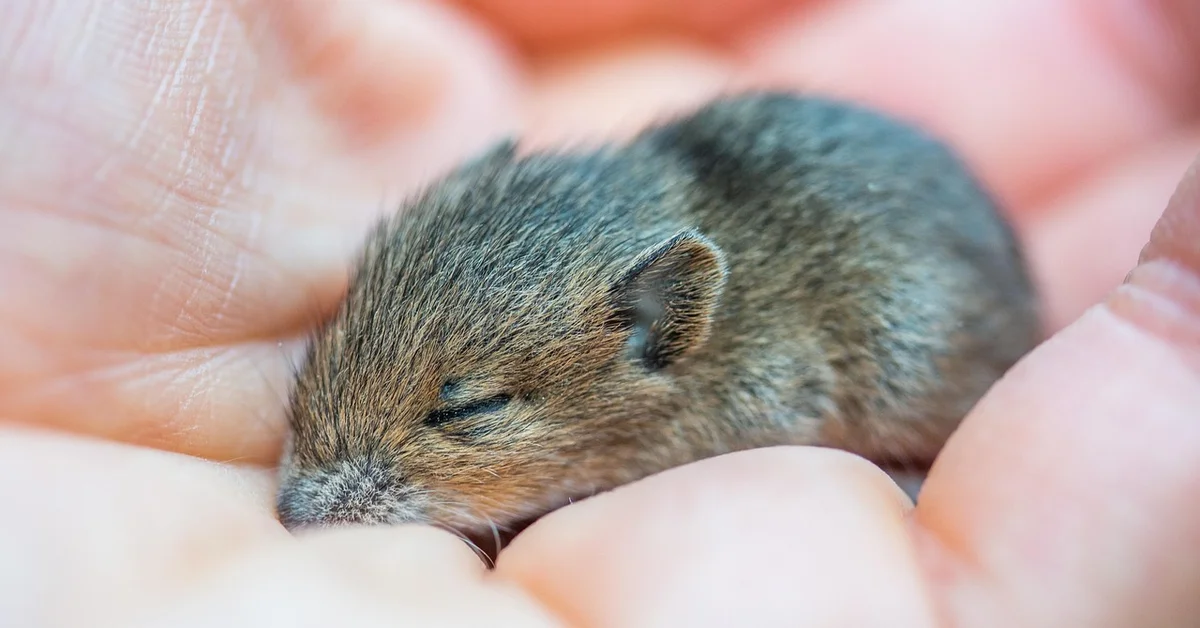
Watching your mouse slow down is deeply worrying. Getting a professional diagnosis is the single most important step you can take to help your pet. An exotic veterinarian, specifically one experienced with small rodents, can confirm if the symptoms you’re seeing are truly heart-related and not something else, like a severe respiratory infection. At your mouse’s first vet visit, expect a thorough history and physical exam—including listening to the heart and lungs—and possibly some basic diagnostics. Bring your pet in a secure carrier and note any recent changes in behavior, diet, or environment to help the clinician.
The diagnostic process is usually gentle and non-invasive. My vet typically starts with a few key assessments:
- A thorough physical exam, listening to the chest with a special pediatric stethoscope.
- Observing your mouse’s breathing rate and effort while resting in your hands or a small container.
- Checking the color of the ears, feet, and tail, as poor circulation can make them appear pale or bluish.
- Gently palpating the abdomen to feel for any fluid buildup, a common sign of congestive heart failure.
In some cases, they might suggest a radiograph (x-ray). An x-ray can reveal an enlarged heart silhouette and fluid in the chest, providing a clear visual confirmation of the problem. While an ultrasound offers the most detailed view of the heart’s function, it’s less commonly available for such tiny patients. Trust your vet’s judgment on what is necessary and most comfortable for your mouse.
Medical Treatment Options for Mouse Heart Failure
Once you have a diagnosis, you and your vet can form a care plan. The goal of treatment is not to cure the condition, but to manage the symptoms and give your mouse the best possible quality of life for whatever time remains. Every mouse responds differently, so treatment is often a process of careful observation and adjustment. A dedicated home “hospital” cage makes monitoring and care easier—keep it warm, quiet, and stocked with easy-to-reach food, water, and any medications. Your vet can advise on the best setup and supplies for your mouse’s specific needs.
Oxygen Support and Breathing Assistance
When a mouse is in heart failure, their lungs can fill with fluid, making every breath a struggle. This is one of the most distressing signs to witness. Providing supplemental oxygen can offer immediate, profound relief during a respiratory crisis. Your veterinarian might place your mouse in a small, clear oxygen chamber for a short period. This is not a long-term solution, but it can be a lifesaving emergency measure. Just remember to transport your sick mouse safely to the vet for proper care.
You can create a milder version of this supportive environment at home. I’ve found a few simple setups can make a noticeable difference for a mouse struggling to breathe. These measures align with the mouse quality of life framework, which prioritizes comfort, stress reduction, and practical symptom management. Using that framework helps you choose appropriate home interventions and know when to seek veterinary care:
- Run a cool-mist humidifier in the room (not pointed directly at the cage) to help keep their airways moist.
- Ensure the room is warm, around 75-78°F (24-26°C), as it takes extra energy for a sick mouse to stay warm.
- Keep the cage in a quiet, low-traffic area to minimize stress, which can worsen breathing difficulties.
Positioning is also key. I often find my mouse, Jeffery, breathes more easily when propped up slightly on a soft, rolled-up cloth, which takes pressure off his chest. You are essentially helping them find a position where it’s just a little bit easier to fill their lungs. Watch them closely-they will show you what feels best.
Providing Comfort Through Palliative Care at Home
Daily Care Adjustments to Reduce Strain
When your mouse has heart failure, their world needs to become smaller, softer, and easier to navigate. I’ve found that simplifying their environment is one of the most profound acts of care you can offer. Removing tall climbing structures and replacing them with gentle ramps or low platforms prevents the dangerous breathlessness that comes from exertion. These changes both support affected mice and act as simple preventative steps to reduce cardiac strain. A preventative mouse health guide covers habitat, diet, and routine checks to keep mice healthy.
Their living space itself needs thoughtful modification. A single-level habitat is far kinder than a multi-level one. I often use a large, shallow plastic bin tank instead of a tall cage with bars, which eliminates the need for any climbing at all. Inside, every element should serve a purpose of comfort.
- Bedding: Swap out loose, dusty substrates for a single, soft layer of fleece or vet bed. This is easier for them to move through and doesn’t kick up particles that can irritate their already labored breathing.
- Food and Water: Place multiple, shallow food dishes and a small, stable water bowl (in addition to a bottle) around the cage. This ensures nourishment is always just a short, effortless shuffle away.
- Nest Area: Create a cozy, pre-made nest in the quietest corner using shredded, unscented paper bedding. Your mouse will appreciate not having to gather and arrange materials themselves.
- Temperature: Heart conditions can make it hard to regulate body temperature. Keep the room consistently warm and consider placing a small, pet-safe heat pad under one section of the cage, ensuring they can move away from it if they choose.
Monitoring Your Mouse’s Comfort Level
Observing your mouse becomes your most important tool. You are looking for subtle shifts that indicate whether they are content or struggling. I use a simple daily checklist, focusing on their breathing, mobility, and engagement. Here are five quick tips to guide that checklist. They’ll help you spot problems early and keep care consistent. A comfortable mouse will have a quiet, regular breathing pattern when at rest, not the visible, rapid breaths from their sides.
Watch how they interact with their favorite treats. Does they still show a flicker of interest, even if they eat less? My Jeffery, for instance, would always perk up for a crumb of berry, and that small sign was a key indicator of his well-being. A decline in this engagement often speaks louder than any other symptom.
- Breathing Rate: Count the number of breaths per minute while they sleep. A significant, sustained increase is a red flag.
- Body Condition: Gently feel their spine and hips each day. Pronounced boniness can signal they are using all their energy just to breathe.
- Hydration: Check for subtle signs of dehydration, like slight skin tenting (gently pinch the skin on their back; it should snap right back).
- Quality of Life Scale: I mentally score their day: Did they have more good moments than bad? Were they able to do something they enjoy, like a gentle snuggle or a tasty morsel?
Recognizing When It’s Time to Say Goodbye

Having the Euthanasia Conversation with Your Vet
This is the hardest, yet most compassionate, decision we make for our pets. The goal is to prevent suffering, not merely to prolong life. When their bad days consistently outnumber the good, and you see more struggle than peace, it is time to have a frank discussion with your veterinarian. Even the loss of a small pet can leave a big hole—your grief is real and valid. Allow yourself time and support to mourn, and reach out to friends, family, or pet-loss resources if you need them.
Before you call, make notes. Be ready to describe specific changes you’ve witnessed. Vets rely on your detailed observations at home. Explain if your mouse is no longer eating or drinking on their own, is isolating themselves constantly, or appears to be in respiratory distress even while resting. Use these observations as part of a quick at-home health check. Regularly checking your mouse at home makes it easier to notice changes early.
Ask your vet to walk you through the process so there are no surprises. A gentle euthanasia for a mouse is typically a two-step procedure: first, a gas anesthetic to gently put them into a deep sleep, followed by an injection. This method is peaceful and painless, allowing you to hold and comfort your friend until the very end. It is a final gift of love, a release from a body that can no longer keep up with their spirit. Methods like freezing or drowning are inhumane and should never be used. If you’ve heard of such practices or have concerns, talk with your veterinarian about truly humane alternatives and what to expect.
Frequently Asked Questions
Do mice die of heart attacks?
While heart attacks (acute myocardial infarctions) can occur in mice, they are relatively rare in pet mice compared to chronic heart failure. Heart attacks involve a sudden blockage of blood flow to the heart, leading to tissue damage, whereas heart failure is a progressive condition where the heart weakens over time. In pet mice, genetic factors and age-related changes more commonly lead to heart failure rather than sudden heart attacks.
What are the symptoms of a heart attack in mice?
Symptoms of a heart attack in mice can include sudden collapse, severe breathing difficulties, seizures, or unresponsiveness, often occurring without prior warning. However, these acute events are uncommon; most cardiac issues in pet mice present as gradual heart failure, with signs like labored breathing and lethargy, as detailed in the article. If you suspect a heart attack, seek immediate veterinary care, but note that palliative care for heart failure is more typically needed.
What is a mouse heart failure model?
A mouse heart failure model is a scientific tool used in research to simulate and study heart disease, such as through genetic engineering or procedures like Transverse Aortic Constriction (TAC) to induce stress on the heart. These models help uncover underlying mechanisms of heart failure but are not directly relevant to pet mouse care. For owners, understanding naturally occurring heart failure and providing compassionate home care, as outlined in the article, is more practical for supporting a pet mouse’s well-being.
Your Path Forward
Your attentive care and the comfort you provide are the most powerful medicines for a mouse with heart failure. Focus on maintaining their quality of life through a calm habitat, easy access to food and water, and the gentle reassurance of your presence.
Cherish the quiet moments you share, as your compassionate support makes all the difference on this journey. You are not just managing an illness; you are honoring the profound bond you share with your small, brave companion.
Further Reading & Sources
- Small animal models of heart failure | Cardiovascular Research | Oxford Academic
- A new mouse model for heart failure – PMC
- Mouse Models of Heart Failure with Preserved or Reduced Ejection Fraction – PMC
Isabella is a passionate small pet enthusiast with over 8 years of experience in caring for mice. She loves sharing practical tips and heartfelt stories to help fellow mouse owners provide the best care for their tiny companions.
Common Diseases