
Reading Mouse Body Language: A Head-to-Tail Guide
Have you ever watched your mouse’s tiny twitches or gentle nudges and felt completely mystified by what they might mean? Drawing from my years of caring for mice like the bold Kenny and patient Gregory, I’ve crafted this guide to demystify those subtle signals. You’ll find a clear, step-by-step approach to interpreting your mouse’s non-verbal communication, turning confusion into confident understanding.
We’ll explore each part of your mouse’s body, from whisker vibrations to tail curls, in an easy-to-follow format. This article will cover how to recognize signs of curiosity, fear, happiness, and more, using relatable examples to help you respond to your mouse’s needs with empathy and insight.
Reading Your Mouse From Head to Tail
Interpreting your mouse’s posture is like learning a new, silent language. Every part of their body, from the tips of their ears to the end of their tail, contributes to a complete story about their mood and intentions. I’ve spent countless hours simply watching my trio-Kenny, Gregory, and Jeffery-and the nuances they display are endlessly fascinating.
Ear Position and What It Tells You
A mouse’s ears are incredibly mobile and offer some of the clearest signals. Their position is a direct window into their immediate emotional state.
- Ears Pricked Forward and Tense: This is a sign of high alert and intense curiosity. Your mouse has heard or seen something intriguing and is fully focused. You’ll often see this when Kenny is investigating a new toy.
- Ears Flattened Against the Head (“Airplane Ears”): This can signal two things. If the body is relaxed, it often means contentment, especially during gentle petting. If the body is tense and hunched, it signifies fear or submission, an attempt to make themselves look smaller.
- Ears Rotating Independently: This is a normal and fascinating behavior! Your mouse is simply scanning its environment for sounds, much like a satellite dish tuning into different signals. It shows a calm but aware state.
- One Ear Forward, One Ear Back: This asymmetrical position usually indicates mild uncertainty or a divided focus-they are listening to two different things at once.
Whisker Movement and Nasal Twitching
Whiskers and noses are a mouse’s primary tools for navigating their world. Their activity level tells you how they are processing information.
- Fast, Bristling Whisker Movement: Your mouse is actively exploring and mapping its surroundings. The faster the whiskers move, the more novel or interesting they find the environment. This is a great sign of a engaged and curious pet.
- Whiskers Pulled Back Tight Against the Face: This is a defensive or fearful posture. When whiskers are pinned back, it often coincides with a hunched body and indicates your mouse feels threatened or extremely stressed.
- Rapid Nose Twitching: Constant, quick twitches mean your mouse is busy sniffing out information about scents in the air. It’s a normal, baseline behavior when they are awake and active.
- Slow or No Nose Twitching: When a mouse is very relaxed, sleeping, or feeling unwell, the twitching will slow down or stop completely. In a calm mouse like Gregory, you’ll see this during a peaceful nap.
Eye Signals and Facial Tension
While a mouse’s eyes don’t move much in their sockets, the area around them speaks volumes about their comfort level.
- Bright, Bulging Eyes (Normal): A healthy mouse’s eyes should appear bright and slightly prominent. This is their natural state and indicates good health and general alertness.
- Squinting or Half-Closed Eyes: This is the mouse equivalent of a contented smile. If your mouse squints its eyes while you’re petting it or while it’s eating a favorite treat, it is expressing pure bliss and trust. My Jeffery does this when he nibbles a berry crumb.
- Wide-Open, “Staring” Eyes: Fixed, wide eyes can be a sign of shock, fear, or pain. Combined with a frozen posture, it suggests your mouse is terrified.
- Facial Grimacing: Look for a tightening of the skin around the eyes and nose. This expression of tension often precedes a squeak or a defensive bite and means “back off.”
Tail Position and Movement Patterns
The tail is far more than a balancing tool; it’s a dynamic mood indicator. Learning to read it is one of the most valuable skills you can develop.
- Tail Held High with a Slight Curve (Like a Question Mark): This is a confident, happy, and curious posture. Your mouse is feeling good and exploring its world with assurance.
- Tail Dragging or Tucked Low: A tail tucked underneath the body or dragging lethargically can signal illness, pain, or submission. A limp, motionless tail is a major red flag that warrants a closer health check.
- Tail Wrapped Around Their Own Body: When sitting still, a mouse wrapping its tail around itself is often just comfortable and relaxed, similar to a cat curling its tail around its paws.
- Tail Rattling or Vibrating: This is a highly excited behavior. It can occur during playful antics or, more intensely, as a warning signal before a confrontation. Context is key-playful rattling is usually quicker and accompanied by bouncy movements, while aggressive rattling is slower and more deliberate.
- The “Tail Flick”: A single, sharp flick of the tail tip is a clear sign of annoyance or irritation. It’s a mouse’s way of saying, “I’ve had enough of that.”
Body Posture and Movement Signals
Relaxed vs. Tense Postures
You can spot a relaxed mouse by its soft, rounded body shape and smooth, flowing movements. When your mouse feels safe, its body appears loose, with ears perked forward and tail resting gently on the ground. In contrast, a tense mouse pulls its body tight, flattening itself or standing stiffly. Watch for ears pinned back and a tail that’s held rigid or twitching sharply—these are clear signs of discomfort or alertness. Those changes can also indicate pain—look for a hunched posture, reluctance to move, reduced grooming, or unusual vocalizations. If you suspect your mouse is in pain, seek veterinary advice promptly.
- Relaxed postures: body low and loose, slow blinking, gentle sniffing
- Tense postures: hunched back, rapid breathing, fixed stare
I’ve seen Gregory, my older mouse, adopt that loose posture while nibbling aged cheese-it’s his way of showing he’s completely at ease.
Freezing and Defensive Postures
Freezing happens when a mouse suddenly stops all movement, often in response to a perceived threat. A frozen mouse is assessing danger, and this stillness can last several seconds before it decides to flee or relax. Defensive postures include arching the back, baring teeth, or puffing up fur to look larger. If you notice this, it’s best to give your mouse space and reduce any stressors in its environment.
- Freezing: complete immobility, often with wide eyes and ears alert
- Defensive signals: raised fur, hissing or squeaking, turning sideways to appear bigger
Locomotion Patterns That Reveal Mood
How your mouse moves tells you a lot about its emotional state. Slow, exploratory walks with frequent pauses often mean curiosity, while rapid, darting motions can signal excitement or fear. For instance, Kenny’s quick, energetic dashes usually mean he’s found something fascinating, but if those movements become erratic, he might be overwhelmed.
- Curious movement: meandering paths, sniffing objects, gentle tail swishes
- Anxious movement: zigzag running, frequent hiding, tail held high and tense
Social Signals Between Mice
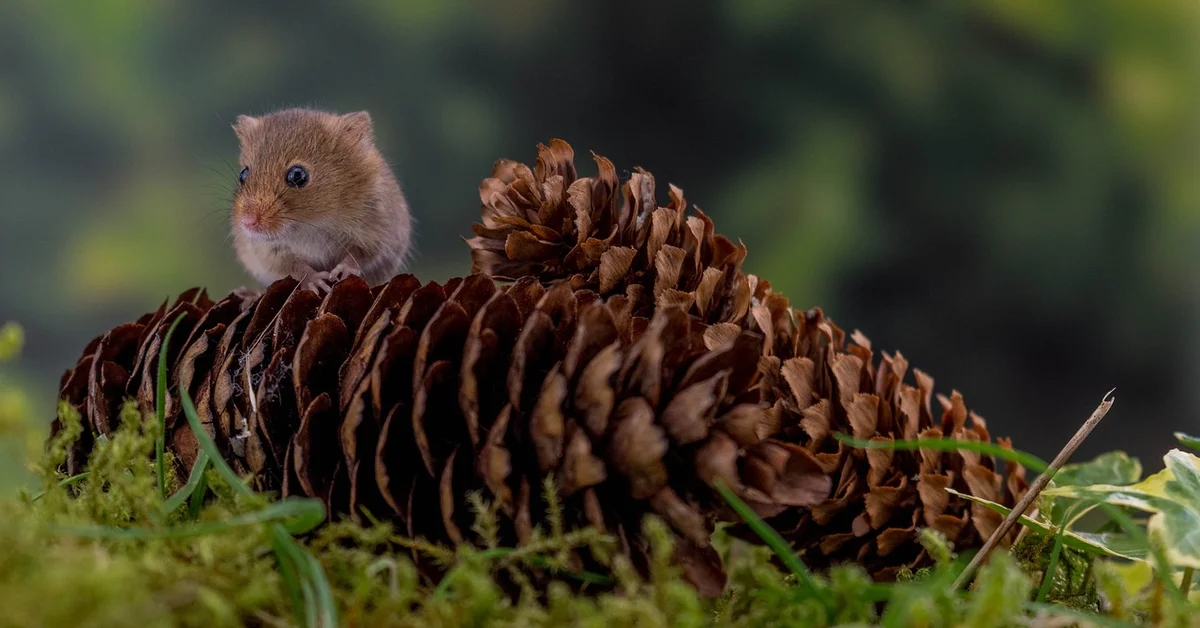
Grooming Behaviors and What They Mean
Grooming is a key social activity that strengthens bonds and establishes hierarchy. When mice groom each other, it’s a sign of trust and affection, often seen in established pairs or groups. Allogrooming is especially important for social bonding.
- Social grooming: one mouse gently licks or nibbles another, usually around the head and neck
- Self-grooming: normal after waking or eating, but watch for over-grooming that leads to bald spots
Aggression and Submission Signals
Mice use clear body language to show dominance or yield to others. Aggressive displays include chasing, upright postures, and loud squeaks, while submission involves crouching low, avoiding eye contact, or retreating. If you see persistent aggression, consider providing more hiding spots to reduce conflict. Brief, reciprocal displays are normal dominance, but bullying is repeated, one-sided aggression. Signs of an unhealthy relationship, such as persistent targeting, visible injuries, or a mouse that never ventures out of hiding, should be taken seriously.
- Aggression: tail rattling, biting, blocking access to food or space
- Submission: flattened body, turning away, allowing others to groom first
Scent Marking and Territory Communication
Mice communicate extensively through scent, using glands on their flanks and faces to mark territory. Rubbing against objects or cage walls leaves scent cues that say “this is my space” or help mice recognize group members. These scent marks act as olfactory signals, conveying information about identity, reproductive status, and social state to other mice. This behavior is natural and helps maintain social order, but over-marking can occur if the environment feels crowded.
- Common marking actions: cheek rubbing, dragging belly, urinating in specific spots
- What it means: establishes familiarity, reduces fights, and reinforces social bonds
Recognizing Scared and Stressed Mouse Body Language
Scared or stressed mice show distinct physical cues that demand your attention. Look for trembling, rapid hiding, or changes in appetite-these are early warnings that your mouse feels unsafe. Prolonged stress can lead to health issues, so creating a calm, predictable routine is vital. I’ve noticed Jeffery tends to twitch and seek cover during loud noises, so I make sure his cage is in a quiet corner. A concise Signs of Stress in Mice visual behavioral guide with photos and labeled examples can make these cues easier to recognize. Keeping such a guide handy helps you spot subtle changes early and respond appropriately.
- Fear signs: shaking, freezing in place, refusing treats
- Stress indicators: over-grooming, weight loss, increased aggression or withdrawal
Providing plenty of enrichment, like tunnels and chew toys, can help your mouse feel more secure and express natural behaviors. The best enrichment toys stimulate a mouse’s mind — think puzzle feeders, treat-dispensing toys, and small mazes. Rotating these items regularly keeps them curious and mentally active.
Identifying Happy and Relaxed Mouse Signals
Observing a content mouse is one of the most rewarding parts of being a pet owner. Their joy is quiet, subtle, and expressed through their entire body. Learning to recognize these peaceful signals will instantly boost your confidence in providing a good home.
Physical Signs of a Content Mouse
A relaxed mouse carries itself differently than a stressed one. Look for these full-body cues.
- Ears: Positioned forward or slightly to the side, not pinned flat against the head. They might twitch softly as they listen to their surroundings.
- Whiskers: Fanned out loosely and quivering gently, exploring the air without frantic movement.
- Body Posture: A soft, rounded body without visible tension. The mouse moves with a slow, deliberate grace.
- Grooming: A mouse that stops to groom itself or a cage mate in your presence is showing ultimate trust. This is a huge compliment!
My older mouse, Gregory, often sits in a corner of his enclosure after a meal, slowly washing his face and smoothing his dark brown fur. This self-grooming ritual is a definitive sign he feels completely secure and at ease. It’s one of those grooming signs that indicate a happy and relaxed mouse.
The Joy of Bruxing and Boggling
Two of the most fascinating behaviors are bruxing and boggling. They are unmistakable signs of deep contentment.
- Bruxing: This is the act of grinding their teeth together, creating a soft, chattering sound. Think of it as a mouse’s version of a cat’s purr.
- Boggling: This is the remarkable physical effect of intense bruxing. The rapid muscle movement from grinding causes their eyes to rhythmically bulge in and out of their sockets.
I often see my young, curious Kenny bruxing when he’s nestled in a tissue paper nest he’s built. Seeing a mouse’s eyes boggle can be startling at first, but it simply means they are experiencing pure, unadulterated bliss.
Vocalizations and Sound-Based Communication
Mice have a complex soundscape that extends far beyond the squeaks we typically associate with them. Their vocalizations are often at frequencies too high for human ears, but the ones we can hear tell a vivid story of mouse communication.
Happy and Social Sounds
Positive sounds are usually soft, high-pitched, and repetitive. They are the soundtrack of a thriving mouse community.
- Short, High-Pitched Squeaks: These are common during play, exploration, or friendly social interactions. It’s their way of chatting with each other.
- Ultrasonic Song: Male mice, in particular, sing complex ultrasonic songs when they encounter a female or are in a positive state. We can’t hear it, but it’s a beautiful fact of their communication.
My smallest mouse, Jeffery, has a soft, squeaky chirp he makes when he follows his larger cage mates around. These gentle, conversational squeaks are the foundation of their social bonding and a clear indicator of a harmonious group. Different squeaks can signal contentment, curiosity, or mild agitation, so paying attention helps decode what they’re feeling. Learning these vocal cues makes it easier to respond to their needs and understand their social dynamics.
Sounds of Distress and Warning
It is just as vital to recognize the sounds that signal fear, pain, or annoyance. These noises are typically louder and more urgent.
- Loud, Piercing Squeal: A single, sharp squeal often means the mouse is startled, has been nipped by a cage mate, or is feeling cornered.
- Repetitive, Agitated Squeaking: This can indicate a dispute over resources or a plea for you to put them down if they feel insecure during handling.
Interpreting these sounds in context with their body language is the key to truly understanding their needs and emotional state. A squeak during a tussle over a sunflower seed is very different from a squeak when they are held uncomfortably.
Body Language During Handling and Interaction
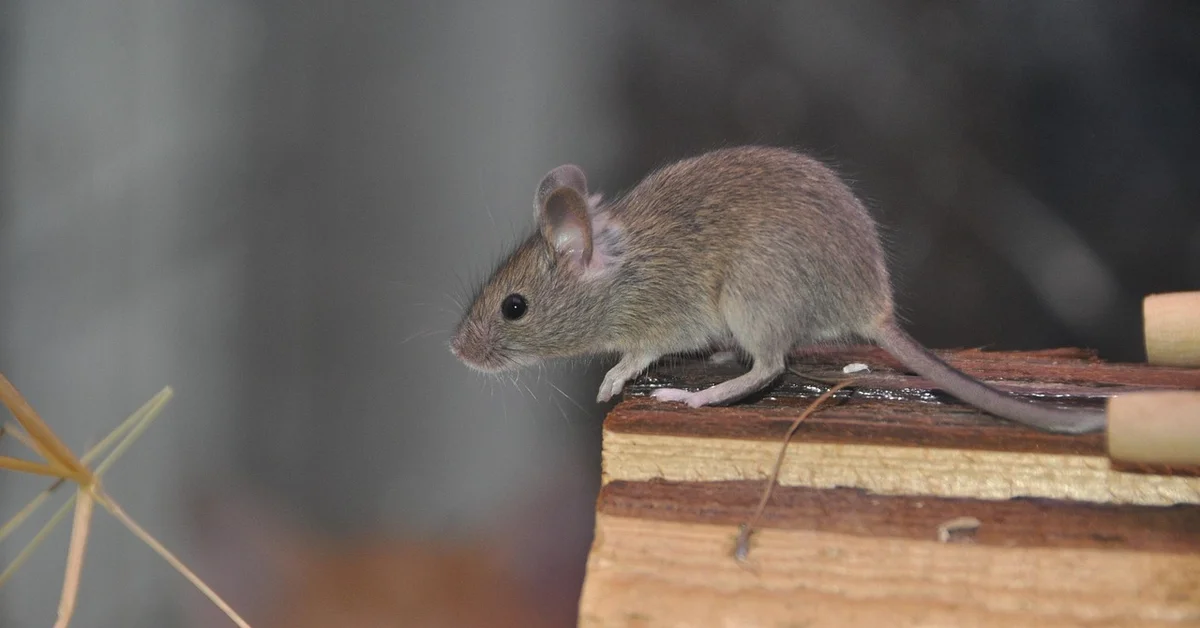
When you pick up your mouse, you’re entering into a direct conversation with them. Their immediate reaction tells you volumes about their comfort level and trust in you. I’ve found that each of my boys, Kenny, Gregory, and Jeffery, communicates this trust differently, and learning their personal dialects has been incredibly rewarding.
Signs Your Mouse is Comfortable and Relaxed
A content mouse in your hands is a wonderful thing to behold. Look for these positive signals that show your pet feels safe.
- Gentle Exploratory Nibbling: This is not biting. It’s a soft, investigative mouthing of your skin. They are simply learning your scent and texture.
- Relaxed Body Posture: Their body will feel soft and pliable in your hand, not tense or rigid. They might even start to groom themselves, the ultimate sign of feeling secure.
- Perked Ears and Bright Eyes: Their ears will be forward and alert, and their eyes will be wide open but not bulging with fear. They are curious about their surroundings.
- Slow, Deliberate Movements: A comfortable mouse will amble across your palm or arm, pausing to sniff and look around. Think of Gregory’s measured, steady pace.
Signs of Stress or Fear
It’s just as vital to recognize when your mouse is asking for space. Respecting these signals builds long-term trust.
- Freezing in Place: This is a primary fear response. The mouse becomes utterly still, hoping you won’t notice them. It’s the opposite of relaxation.
- Rapid, Shallow Breathing: You can often see their sides moving quickly. This is a clear physiological sign of anxiety.
- Attempting to Burrow or Hide: They will try to crawl into your sleeve, between your fingers, or any other small, dark space they can find for safety.
- Loud, Repetitive Squeaking: This isn’t the happy, chittering sound they make sometimes. A stressed squeak is high-pitched and persistent, a definite plea to be put down.
What Specific Behaviors Mean
- Jumping or Leaping: This can be a playful, Kenny-like burst of energy, or a panicked attempt to escape. Context is key-is their body tense or loose?
- Light Biting that Doesn’t Break Skin: Usually a message to “please put me down now.” It’s a polite but firm request.
- Hard Biting that Breaks Skin: This is a fear-based defensive reaction. It means the mouse felt cornered and terrified. It’s a sign you need to move more slowly and rebuild trust.
- Squirming and Wriggling: Your mouse is telling you they are done being held and want to return to the safety of their home.
Creating a Quick Reference Body Language Chart
Having a simple, at-a-glance guide can help you quickly interpret what your mouse is feeling. This chart combines common physical cues with their most likely emotional meanings. Remember, mice are individuals, so use this as a starting point for understanding your unique pet.
| Body Part / Action | What to Look For | What It Typically Means |
|---|---|---|
| Ears | Pinned flat against the head | Fear, aggression, or submission |
| Ears | Perked up and swiveling | Curiosity, interest, alertness |
| Whiskers | Pulled back tightly against the face | Stress, anxiety, or feeling threatened |
| Whiskers | Vibrating and twitching rapidly | Active exploration and sensory investigation |
| Eyes | Wide open but not bulging | Alert, engaged, and content |
| Eyes | Partially closed, “sleepy” looking | Very relaxed, comfortable, and trusting |
| Body Posture | Low to the ground, stretched long | Submissive, cautious, or trying to appear smaller |
| Body Posture | Standing high on hind legs | Curious, surveying the environment (often called “prairie dogging”) |
| Fur | Puffed up and bristling | Extreme fear, agitation, or an attempt to look bigger to a threat |
| Tail | Held high with a slight curve | Confident, happy, and exploratory |
| Tail | Tucked tightly against the body | Scared, insecure, or feeling vulnerable |
Keep this chart handy, but always observe your mouse as a whole, as their signals can blend together. A happy, confident mouse will have perked ears, bright eyes, a softly twitching nose, and a relaxed, high-held tail, all at the same time. Refer to the “Tell If Your Mouse Is Happy” behavior checklist to tick off these specific signs during your observations. Regularly checking them helps you quickly assess your mouse’s mood and notice any changes.
Frequently Asked Questions
What is mouse sign language?
Mouse sign language refers to the non-verbal cues and gestures that mice use to communicate their emotions, intentions, and social status. It encompasses a wide range of body movements, such as ear positioning, tail flicks, and posture changes, which collectively form a “language” that owners can learn to interpret for better care and interaction. Understanding this silent communication helps you respond appropriately to your pet’s needs, fostering a stronger bond and a happier, healthier mouse.
What is the mouse sign language game?
The mouse sign language game is an interactive and educational activity where owners observe and interpret their mouse’s body language in real-time to guess its mood or needs. For example, you might watch for specific signals like bruxing (teeth grinding) for happiness or tail rattling for agitation, then note your observations to improve your skills. This game not only makes learning fun but also enhances your ability to provide timely care and enrichment based on your mouse’s non-verbal cues.
What is house mouse body language?
House mouse body language typically refers to the behaviors of wild or feral mice (Mus musculus), which often emphasize survival instincts like heightened alertness, frequent freezing, and rapid hiding in response to threats. In contrast, pet mice may show more relaxed and social signals due to domestication, such as gentle grooming or playful exploration. Recognizing these differences can help pet owners appreciate how a safe environment reduces stress-related behaviors in their mice.
Your Journey with Mice
Learning to interpret your mouse’s subtle signals transforms pet ownership from simple care into a genuine, two-way conversation. You are no longer just an observer; you are becoming a fluent speaker in the language of whisker twitches, ear positions, and tail curls.
The most rewarding part of this journey is the deepening trust and connection you will build with your small companions over time. Be patient with yourself and your mice, keep observing, and enjoy every new moment of understanding you share together.
Further Reading & Sources
- r/PetMice on Reddit: Body language in mice- new pet owner
- Understanding body language of mice | ScienceDaily
- 11 Common Mouse Behaviors Explained | Chewy
Isabella is a passionate small pet enthusiast with over 8 years of experience in caring for mice. She loves sharing practical tips and heartfelt stories to help fellow mouse owners provide the best care for their tiny companions.
Understanding Mice Behavior