
Understanding Your Rights: Dealing with Mice in a Rental Property
Are you feeling overwhelmed or uncertain about how to handle the presence of mice in your rental home, whether they’re unwanted guests or beloved pets? As someone who has cared for mice like Kenny and Gregory through various living situations, I’ve crafted this guide to demystify your tenant rights and offer practical, step-by-step solutions that prioritize both your comfort and compliance.
You can expect to explore the fundamental legal protections available to tenants, proven methods for addressing infestations or pet-related concerns with landlords, and actionable advice for maintaining a healthy, respectful rental environment.
Understanding Basic Tenant Rights and Landlord Duties
As a tenant, you have the right to a safe and healthy living space, which includes protection from pests like mice. The implied warranty of habitability means your landlord must maintain the property in a condition fit for human habitation, and a mouse infestation can seriously breach this standard. I’ve seen how quickly a few stray mice can disrupt the peace of a home, especially when you’re trying to care for pet mice like my curious Kenny or calm Gregory-wild intruders introduce stress and health risks that no one should endure.
Landlords are generally responsible for addressing pest control, unless the infestation stems directly from a tenant’s actions, like improper food storage. Mouse problems often indicate underlying issues, such as gaps in walls or poor sanitation, that fall under the landlord’s duty to repair. In my experience, a proactive landlord can prevent minor issues from escalating into full-blown infestations that affect your quality of life.
Key tenant rights include:
- The right to a pest-free environment under local health codes
- The ability to request prompt repairs for infestations
- Protection from retaliation when reporting issues
- Options to withhold rent or repair and deduct in severe cases, following legal procedures
Remember, local housing codes may vary, so check your area’s regulations to understand specific obligations. Familiarizing yourself with these rights empowers you to advocate for a home that’s both comfortable and secure.
Steps to Document and Report a Mouse Infestation
When you suspect mice are sharing your space, acting quickly and methodically can protect your rights and speed up a resolution. Thorough documentation not only helps your landlord understand the urgency but also serves as vital evidence if disputes arise. I’ve found that keeping a detailed record, much like I do for my mice Jeffery’s health notes, makes the process smoother and less stressful. Note where you see droppings, gnaw marks, or nesting materials—common mice homes include attics, basements, wall voids, crawlspaces, and kitchen cabinets. These location details help pinpoint infestations and guide remediation.
Follow these steps to document and report the issue effectively:
- Gather proof of the infestation by taking clear photos and videos of mouse droppings, gnaw marks, or the mice themselves-capture timestamps to show the timeline.
- Write a formal repair request that describes the problem, its impact on your living conditions, and a polite request for action, referencing your lease or local laws.
- Send the written complaint to your landlord via email or certified mail to create a paper trail, and keep copies of all correspondence.
- Maintain a log of interactions, including dates, what was discussed, and any promises or delays, to track the landlord’s response.
Emphasize the health and safety risks in your communications, such as potential disease or property damage. Consistent record-keeping can prevent misunderstandings and ensure you’re prepared for any legal steps needed. From my own rental experiences, this approach has helped resolve issues amicably while safeguarding my pet mice’s well-being.
Legal Actions if Your Landlord Fails to Address the Issue
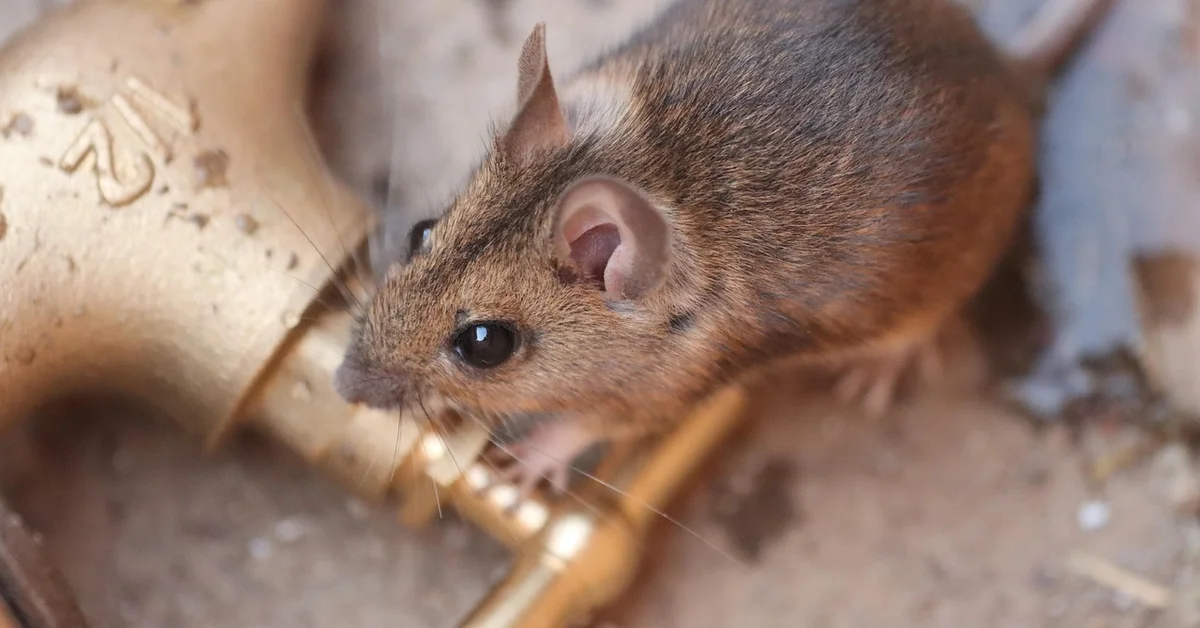
When your polite requests and written notices go unanswered, it’s time to understand your legal pathways. As a tenant, you have enforceable rights to a safe and habitable home, and a rodent infestation squarely violates that basic standard. I’ve navigated this process myself in a past rental, and taking structured, documented action was the only thing that finally spurred my landlord into motion. When you call pest control for mice, expect an initial inspection, a treatment plan (commonly trapping, baiting, and sealing entry points), and follow-up visits—be sure to get written confirmation and receipts. Those records can be crucial when coordinating with your landlord or proving the issue in any legal steps.
Available Remedies for Tenants
You have several options, each with its own procedures and requirements. The correct choice often depends on the severity of the infestation and your local tenant laws.
- Repair-and-Deduct: You can pay for a professional exterminator yourself and deduct the cost from your rent. This is typically reserved for urgent situations. You must provide your landlord with receipts and formal notice of the deduction.
- Rent Withholding: You stop paying rent until the problem is resolved. This is a powerful step, but you must usually place the full rent amount into an escrow account managed by the court to prove you are acting in good faith.
- Reporting to Code Enforcement: Your local housing or health department can inspect your unit and issue a formal violation to the landlord. This creates an official paper trail and often carries fines for non-compliance.
- Small Claims Court: You can sue your landlord for the cost of extermination, damaged belongings, or even a partial refund of rent paid while living in substandard conditions.
Comparing Your Legal Options
| Action | Best For | Key Considerations |
|---|---|---|
| Repair-and-Deduct | Immediate, severe infestations requiring urgent professional care. | Check local laws for monetary limits; always keep all receipts and notify your landlord in writing. |
| Rent Withholding / Escrow | Landlords who are completely unresponsive to other formal requests. | Often requires filing a case with the court first; failing to properly escrow funds can be grounds for eviction. |
| Code Enforcement | Building-wide or complex issues that are beyond a single unit. | Provides official documentation that strengthens any other legal action you may take. |
| Small Claims Court | Recovering financial losses after the fact. | You’ll need extensive evidence, including photos, communication logs, and receipts for damages. |
Protection Against Retaliation
It is illegal in most jurisdictions for a landlord to retaliate against you for asserting your rights. If your landlord threatens eviction, raises your rent, or reduces services shortly after you report a code violation or withhold rent, this is likely considered illegal retaliation. Document everything, as dates and paper trails are your best defense.
Health Risks and Why Mice Pose a Habitability Issue
Living with wild mice is a completely different reality from caring for my beloved pets, Kenny, Gregory, and Jeffery. My pet mice live in a controlled, clean habitat, but an infestation introduces unpredictable dangers. The presence of wild rodents directly compromises the “warranty of habitability,” a legal guarantee that your rental is safe, sanitary, and fit to live in. Landlords are legally obligated to address this, much like when selling a house with a known infestation.
Direct Health Hazards from Mice
Wild mice can carry and spread numerous pathogens through their droppings, urine, and saliva. The risks are not hypothetical; they are well-documented public health concerns.
- Hantavirus: A severe respiratory disease spread through inhalation of dust contaminated with mouse droppings or urine.
- Leptospirosis: A bacterial infection that can cause kidney damage and liver failure, often transmitted through water or soil contaminated with infected urine.
- Salmonellosis: A common type of food poisoning that occurs when food is contaminated by mouse feces.
- Allergens: Mouse dander, droppings, and urine are potent allergens and asthma triggers, especially for children.
- Lymphocytic Choriomeningitis (LCMV): A viral infectious disease primarily transmitted by the common house mouse.
Property Damage and Sanitation Issues
Beyond direct health threats, mice cause significant damage that further degrades your living environment. Their constant need to gnaw leads them to chew on electrical wiring, which poses a serious fire hazard that landlords must take extremely seriously. They also shred insulation, drywall, and personal belongings for nesting material.
The accumulation of droppings and urine creates persistent, unsanitary conditions that attract insects and other pests, creating a cascading problem. This is a clear violation of health and housing codes, which mandate that properties be free from pest infestations and maintained in a sanitary condition.
Preventing Mice Problems in Rental Properties
Taking steps to prevent wild mice from entering your rental space is one of the best ways to protect your pet mice and your peace of mind. A secure home means your tiny companions can explore and play without the risk of encountering stressed or diseased wild rodents. I’ve found that simple, consistent habits make all the difference in keeping unwanted guests at bay, especially when combined with regular yard and garden maintenance.
Essential Prevention Tips
Start by carefully inspecting your home for any potential entry points. Mice can slip through gaps as tiny as a pencil width, so seal cracks around pipes, windows, and baseboards with steel wool or silicone caulk. I make it a routine to check these spots every season, especially in older buildings where wear and tear is common.
Store all food, including your pet mice’s treats and meals, in sturdy, airtight containers. Even a small amount of spilled food can attract wild mice, so I always clean up after feeding Kenny and his buddies to avoid any tempting scents. This practice helps create a less inviting environment for intruders. Sealed containers block both access and scent, making your home far less appealing to wild mice. I also keep feeding areas tidy to remove crumbs immediately.
Maintain a tidy living space by vacuuming frequently and keeping clutter to a minimum. Reducing hiding spots like piled boxes or unused furniture makes it easier to spot early signs of mice and keeps your pet mice’s area stress-free. A clean home supports everyone’s well-being, furry friends included.
Mouse-Proofing Checklist
- Seal all visible holes and cracks with durable materials like metal mesh or expanding foam.
- Install door sweeps on exterior doors to block gaps at the bottom.
- Store human and pet food in sealed containers and avoid leaving dishes out overnight.
- Dispose of garbage regularly in bins with tight-fitting lids.
- Keep outdoor areas neat by trimming bushes and removing debris near the building.
- Inspect and clean pet cages weekly to prevent food buildup that could attract pests.
How to Discuss Pest Prevention with Your Landlord
Approach your landlord with a friendly, proactive attitude to address potential issues. Mention specific concerns, like drafty windows or loose vents, and suggest simple solutions such as adding weather stripping or scheduling an inspection. Most landlords appreciate tenants who help maintain the property, and it can lead to quicker fixes that benefit everyone.
Put your request in writing if needed, and keep a record for your own reference. Clear communication builds trust and ensures that both you and your landlord are on the same page about keeping the rental mouse-free. I’ve had positive outcomes by being polite and prepared in these conversations.
Protecting Your Pet Mice During Infestation Treatments

If pest control becomes necessary, your top priority is safeguarding your pet mice from any harm. Relocating them to a secure, temporary space is often the safest choice to avoid exposure to chemicals or stress. I remember how jumpy Jeffery became during a minor treatment, which taught me to always have a backup plan ready. If you expect pest control for mice, notify the technician ahead of time about your pet mice and ask what methods and products will be used. That lets you plan a safe, temporary relocation and reduces their stress.
Safe Handling During Extermination
Move your mice to a pet-safe room or a trusted friend’s home while treatments are underway. Use a well-ventilated carrier with familiar bedding and toys to help them feel comfortable during the transition. When my rental needed spraying, I set up a quiet area away from the action for Kenny and the others, which kept them calm and out of danger. If children will be nearby, supervise their interactions and teach them to support mice gently and avoid sudden movements. Remind kids to wash their hands after handling to keep both them and the pets safe.
Ask your exterminator about pet-friendly methods, such as non-toxic baits or traps placed in inaccessible spots. Many professionals can tailor their approach if you explain that you have small pets who need protection. This collaboration ensures that the treatment targets pests without risking your mice’s health.
Monitoring Health After Treatment
Once the extermination is complete, watch your mice closely for any unusual behavior or symptoms. Signs like reduced activity, changes in eating habits, or labored breathing could indicate exposure to residues, so act quickly if you notice anything off. Look for pain-specific cues such as a hunched posture, teeth grinding, reluctance to be handled, or sensitivity when touched. With Gregory, I always monitor his steady demeanor for shifts that might signal discomfort, and I contact the vet if I suspect he’s in pain.
Thoroughly clean their cage and surrounding areas before bringing them back. Use pet-safe cleaners to wipe down all surfaces and replace bedding to eliminate any lingering toxins. Opt for fragrance-free or enzyme-based products, or simply mild dish soap and water. Avoid bleach, ammonia, and strong aerosols, which can harm sensitive rodents. This careful cleanup gives your mice a fresh start in a healthy environment, free from post-treatment risks.
Frequently Asked Questions
What are tenant rights regarding mice infestation in the UK?
In the UK, under the Landlord and Tenant Act 1985, landlords are legally required to ensure the property is fit for human habitation, which includes addressing mouse infestations promptly. Tenants have the right to report the issue to their local council’s environmental health department if the landlord fails to act, and the council can issue enforcement notices. For pet mouse owners, this means you can advocate for safe, pet-friendly extermination methods to protect your animals during any treatments.
What are tenant rights regarding mice in California?
In California, the implied warranty of habitability under state law mandates that landlords provide a rental unit free from pest infestations, including mice. Tenants can submit a written request for repairs, and if the landlord does not respond, they may pursue options like repair-and-deduct or reporting to local health authorities. As a pet mouse caretaker, it’s important to document the problem and discuss non-toxic solutions with your landlord to prevent harm to your pets during pest control.
What are tenant rights regarding mice in Ontario?
Under Ontario’s Residential Tenancies Act, landlords must maintain the property in a good state of repair and free from pests, so they are responsible for dealing with mouse infestations. Tenants should provide written notice to the landlord and, if necessary, file a application with the Landlord and Tenant Board for repairs or rent abatement. For those with pet mice, this legal framework supports requesting accommodations, such as pet-safe extermination, to ensure your animals’ well-being during the process.
Your Path Forward
You are not just a tenant; you are a responsible pet owner with specific rights designed to protect your home and your companions. Navigating a landlord’s concerns can feel daunting, but clear communication and a firm grasp of your lease terms and local laws provide a solid foundation for a positive resolution.
From my own experience with my curious mouse Kenny, I’ve found that approaching these situations with calm preparation and a willingness to demonstrate excellent care often leads to the best outcome for everyone. You have the knowledge and the right to create a safe, happy environment for your small friends.
Further Reading & Sources
- Know Your Tenant Right in California: Mice and Rats | Simple Pest Management
- Who Is Responsible for Mice in Rental Properties?
- Responsibility for Mice Infestations: Landlord Liability Explained
Isabella is a passionate small pet enthusiast with over 8 years of experience in caring for mice. She loves sharing practical tips and heartfelt stories to help fellow mouse owners provide the best care for their tiny companions.
Professional Pest Control